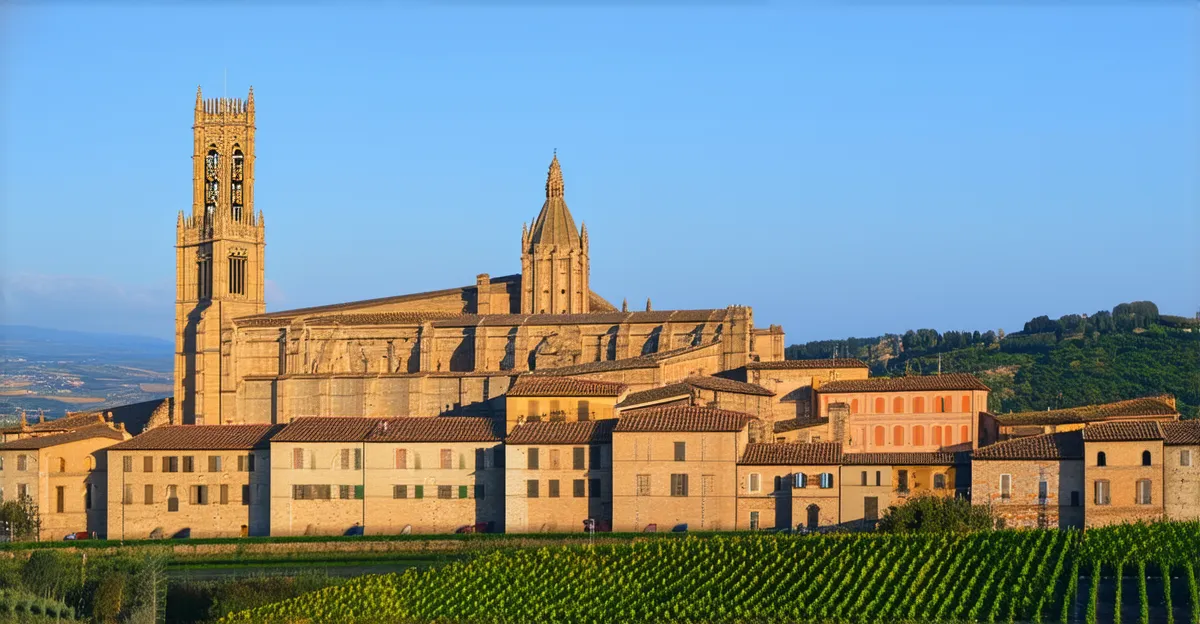
Orvieto, perched high on a volcanic rock in Italy's Umbria region, is a treasure trove of history, art, and architecture. A well-planned itinerary will guide you through its stunning medieval streets, magnificent cathedral, and underground tunnels. This Orvieto itinerary ensures that you won't miss the must-visit attractions while also offering insights into local flavors and cultural experiences, making your visit an unforgettable adventure. Design your dream vacation using our Taormina itinerary.
Key Takeaways
- Day 1: Visit Orvieto Cathedral, featuring stunning frescoes, and wander around the vibrant Piazza del Popolo.
- Day 2: Join a guided tour of the Orvieto Underground and discover the fascinating Etruscan history.
- Day 3: Savor traditional Umbrian dishes like Porchetta and enjoy a wine tasting from local vineyards.
- Day 4: Relax at the Belvedere dei Cappuccini for breathtaking views and explore nearby olive groves.
- Best Time to Visit: Spring and early autumn for pleasant weather and fewer crowds.
Make your Orvieto trip perfect with these tips
- How Many Days Do You Need to See Rome? - Build your perfect itinerary
- Verona Itinerary: Unforgettable Adventures in 2026 - Master your travel plans
- Brescia Itinerary: Discover Italy's Hidden Gem in 2026 - Schedule your trip
Getting to Orvieto from Rome and Florence
Orvieto sits almost exactly halfway between Rome (about 120 km) and Florence (about 160 km), which makes it one of the most accessible hilltop towns in central Italy. The Orvieto train station is on the main Trenitalia line linking Rome Termini and Florence Santa Maria Novella. Regional trains (Regionale Veloce) depart Rome Termini roughly every hour and reach Orvieto in about 75 minutes; tickets typically cost €9–€13. From Florence, the journey takes around 2 hours and costs €15–€25 depending on how far in advance you book at trenitalia.com.
The train station sits at the base of the volcanic cliff in the lower town (Orvieto Scalo). From the platform, a short walk leads to the funicular station, which hauls passengers up the cliff face in about 3 minutes. The funicular runs approximately every 10 minutes from 07:15 to 20:30 on weekdays and until 21:00 on weekends. A single ride costs €1.50 one way; a combined ticket that includes the funicular plus a bus ride through the upper town costs €2.50. Buying the Carta Unica (see below) covers both directions.
Drivers approaching from Rome take the A1 Autostrada and exit at Orvieto — it's a single clearly signed junction. Parking near the upper town is limited; the most convenient option is Parcheggio Campo della Fiera, a large free car park at the western edge of the cliffs from which a second funicular (the Cahen funicular) climbs directly to the Rocca Albornoziana area. If you're doing Orvieto as a day trip from Rome, the train is almost always faster than driving once you factor in parking.
Day Trip vs. Overnight: How Many Days Do You Need in Orvieto?
Orvieto is one of Italy's most-debated day-trip candidates. The honest answer is that a single day is enough to see the Duomo, do the underground tour, and descend Pozzo di San Patrizio — but only if you arrive on an early train (aim for the 08:00 or 09:00 from Rome Termini). You will feel rushed and you will miss the town after the tour buses leave, which is when Orvieto's medieval character becomes fully visible.
Two nights lets you spread out: Duomo and Museo dell'Opera del Duomo on the first afternoon, underground and Pozzo on the second morning, wine and Corso Cavour on the second afternoon. You go home without the feeling that you skimmed. Three to four days is the right length if you want to add a half-day wine visit to a nearby estate, explore the Necropolis of Crocifisso del Tufo at leisure, or use Orvieto as a base for a day trip to Civita di Bagnoregio or Todi.
Staying overnight also means you experience Orvieto's almost total silence after about 21:00. The tour day-trippers have all left, the restaurant tables thin out, and the cathedral facade glows gold against a dark sky. That atmosphere alone justifies at least one night. According to Umbria Tourism, Orvieto receives the bulk of its visitors between May and October, so booking accommodation a few weeks in advance is advisable during peak season.
Day 1: Discover the Iconic Orvieto Cathedral
Welcome to Day 1 of your Orvieto itinerary, where you will embark on a journey to explore the breathtaking Orvieto Cathedral, a stunning gothic masterpiece that dominates the skyline of this picturesque hilltop town. As you walk through the ancient streets of Orvieto, the cathedral's intricate façade will undoubtedly catch your eye, making it a perfect starting point for your adventure. Enhance your Rome experience with our Rome itinerary.
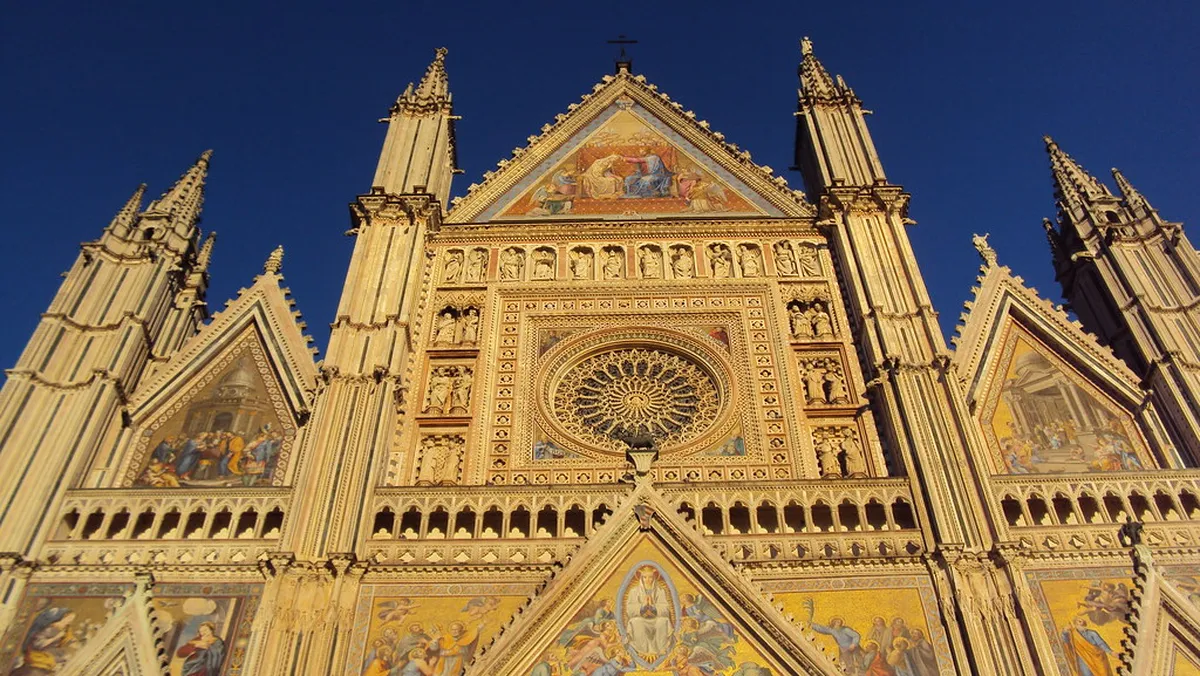
Start your day early to fully appreciate the beauty of the cathedral. Arriving in the morning allows you to avoid crowds and enjoy the peaceful atmosphere surrounding this magnificent structure. The Duomo di Orvieto, adorned with exquisite mosaics and sculptures, tells the story of faith and artistry, making it a must-visit for history and architecture buffs alike. Inside, the frescoes of the Last Judgment, painted by Luca Signorelli, will leave you in awe. Schedule your trip with our Rome itinerary. Find the perfect place to stay with our Rome accommodation guide.
After exploring the interior, take a moment to admire the cathedral's façade from different angles. The vibrant colors of the mosaics shine beautifully in the sunlight, creating a perfect backdrop for your pictures. Notably, the Rose Window is a standout feature that adds to the cathedral's charm. Capturing these stunning views is essential as they are a key part of your Orvieto itinerary. Schedule your trip with our Manarola itinerary. Enhance your Milan experience with our Milan itinerary.
Pro Tip: Don't forget to visit the small chapel to the right of the main altar, dedicated to Saint Brizio, and see the intricate frescoes that date back to the 15th century. Schedule your trip with our Naples itinerary. Arrange your visit using our Rome itinerary.
Following your visit to the cathedral, take a stroll through the Piazza del Duomo, where you'll find local artisan shops and cafes. These establishments offer a great opportunity to sample authentic Italian treats. Consider trying a slice of pizza al taglio or a rich gelato that will invigorate your exploration. If you're eager to dive deeper into Orvieto's history, a visit to the nearby Museo dell'Opera del Duomo would be valuable, showcasing artifacts and artworks that highlight the cathedral's rich past. Arrange your visit using our Modica itinerary. Find the perfect place to stay with our Rome accommodation guide.
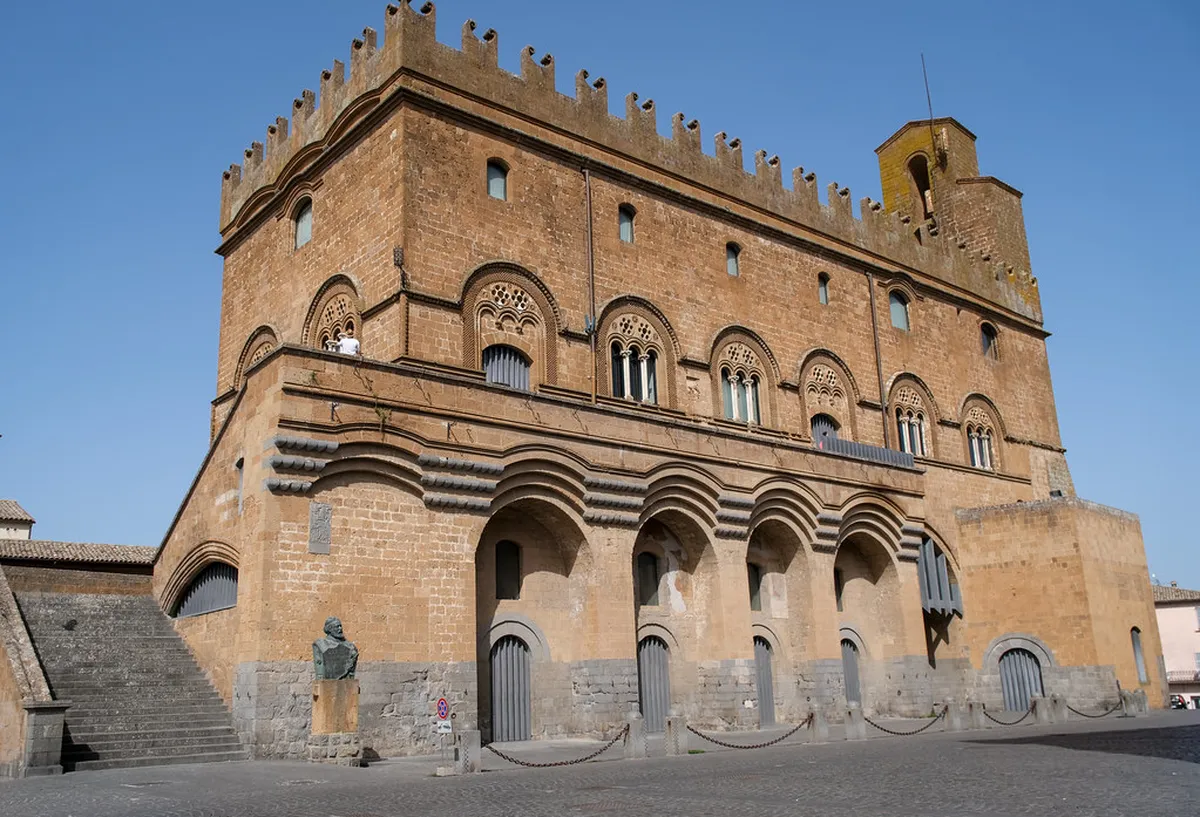
As you continue your day, make your way to the Palazzo del Popolo, a historical building with beautiful architecture that reflects Orvieto's medieval past. From the piazza, you can enjoy panoramic views of the surrounding countryside, making it an ideal spot for relaxation and photography. Plan your journey with our Itinerary Maker.
Below is a quick reference table to help you optimize your first day schedule:
| Time | Activity | Notes |
|---|---|---|
| 9:00 AM – 11:00 AM | Explore Orvieto Cathedral | Arrive early to avoid crowds |
| 11:00 AM – 12:00 PM | Stroll through Piazza del Duomo | Grab coffee or gelato |
| 12:00 PM – 1:30 PM | Visit Museo dell'Opera del Duomo | Learn about cathedral's history |
| 1:30 PM – 2:30 PM | Lunch at a local trattoria | Sample regional dishes |
| 2:30 PM – 4:00 PM | Visit Palazzo del Popolo | Enjoy panoramic views |
Ultimately, your first day in Orvieto, centered around the Orvieto Cathedral, sets a rich cultural and historical tone for your itinerary. As you reflect upon the artistry and beauty you have encountered, you'll find yourself eager to dive into the following adventures that await you in this charming town. For further insights into planning your trip, consider checking out our Orvieto Itinerary for 3 Days or extend your journey with our Orvieto Itinerary for 5 Days.
Recommended reading to enhance your Orvieto experience
- Is 2 Days Enough Time in Rome? Maximize Your Trip! - Travel like a pro
- Como Itinerary: Explore the Best of Como in 2026 - Build your perfect itinerary
- How Many Days Do You Need to See Rome, Italy? - Map out your exploration
The Carta Unica: Orvieto's All-In-One Ticket
If you plan to visit more than two or three paid sites in Orvieto, the Carta Unica (combined ticket) is the single most cost-effective purchase you can make. For around €25–€28 per adult (prices verified at the Orvieto tourist office for 2026), it bundles entry to the Duomo, the Cappella di San Brizio frescoes, the Pozzo di San Patrizio, the Orvieto Underground guided tour, the Museo Claudio Faina, the Torre del Moro, the funicular, and the Orvieto city buses. Individually, those attractions cost between €40–€50 combined. According to orvietosi.it, the official city tourism site, the Carta Unica is valid for a full calendar year from purchase, so even day-trippers benefit significantly.
You can buy the Carta Unica at the tourist information office just to the left of the Duomo facade, at the funicular station, or at most individual attraction ticket desks. If you arrive by train and ride the funicular up, buy the card at the funicular station before boarding — it covers your ride and every major site in one transaction. Keep the card in your pocket all day; attendants at each site scan it quickly and let you through without queuing at separate ticket windows.
One common first-timer mistake is buying individual tickets at each attraction because the "per-site" lines look shorter. They rarely are. The Carta Unica queue at the tourist office moves fast and the savings more than justify the 10-minute stop. Families should ask for the junior rate (usually €16–€18 for ages 7–18, under-7 free at most sites).
Day 2: Explore the Underground Tunnels of Orvieto
Welcome to Day 2 of your Orvieto itinerary, a day dedicated to uncovering the fascinating history hidden beneath the charming city. Orvieto, perched atop a volcanic hill, not only boasts breathtaking views but also an intriguing underground world that tells the stories of ancient civilizations. Exploring these tunnels offers a unique glimpse into the architecture and culture of the Etruscans and the medieval period.
This adventure begins at the Orvieto Underground (Orvieto Sotterranea), a network of over 1,200 caves and tunnels cut directly into the tufa rock beneath the city. The main entrance is on Piazza Duomo 23, opposite the cathedral facade — look for the "Orvieto Sotterranea" sign. As you descend into this underground realm, you'll find yourself in a labyrinth of caves, wells, and passageways. Guided tours depart every 45 minutes between 11:00 and 17:15 and last approximately 45 minutes; advance booking through orvietosotterranea.it is strongly recommended in peak season as tour groups are capped at around 20 people.
The tunnels were used by the Etruscans as far back as the 5th century BC for olive pressing, pigeon farming, and cisterns. During the medieval and Renaissance periods, they expanded into a second city beneath the first — complete with wells, storage chambers, and escape routes during sieges. One of the most striking features is a pair of enormous Etruscan-era oil mills still intact at depth, with stone grinding wheels nearly two metres across. These were not decorative; they were the functional heart of an economy that operated entirely underground during times of conflict.
Pro Tip: Wear comfortable shoes, as the underground paths can be uneven and sometimes slippery. Further, guided tours often provide a wealth of knowledge, so consider joining one for a fuller experience.
After soaking in the atmosphere of Orvieto's underground, step into the sunlight again and meander through the city's charming streets. Next, make your way to the Pozzo di San Patrizio (St. Patrick's Well), a marvel of engineering built in the 16th century. The well features a double helix staircase, allowing donkeys to descend and retrieve water while offering a rare glimpse at the ingenuity of the era.
In addition to the tours, there are several fascinating locations to stop at along the way. For instance, the Etruscan Museum (Museo Claudio Faina, just across the square from the Duomo) provides an engaging display of artifacts that illustrate the lives of the Etruscans who inhabited the region long before it became a Roman stronghold. This museum will enrich your understanding of the cultural makeup of Orvieto.
| Time | Activity | Notes |
|---|---|---|
| 9:00 AM – 10:30 AM | Orvieto Underground Tour | Book in advance; enters Piazza Duomo 23 |
| 10:30 AM – 11:30 AM | Cappella di San Brizio (Duomo) | Covered by Carta Unica |
| 11:30 AM – 12:30 PM | Pozzo di San Patrizio | Descend the double helix staircase |
| 12:30 PM – 2:00 PM | Lunch at a local Trattoria | Sample traditional local dishes |
| 2:00 PM – 3:30 PM | Museo Claudio Faina | Etruscan artifacts, free with Carta Unica |
As you explore the underground tunnels and magnificent sights, feel free to connect with local vendors and artisans. Shopping for local handicrafts is an excellent way to support the community while securing unique souvenirs. Furthermore, if you're looking to extend your stay and discover more hidden gems, consider our detailed Orvieto Itinerary for 3 Days. For those interested in an extended visit, our Orvieto Itinerary for 5 Days offers numerous extended insights into the breathtaking history and culture of the region.
Ultimately, Day 2 of your Orvieto itinerary allows visitors to step back in time and appreciate the intricate design of this historical marvel. As you exit the depths of the underground, you will undoubtedly feel a renewed appreciation for Orvieto's rich past and the stories that await you on the surface.
Before you head to Orvieto, here are some essential resources
- How Many Days Do I Need to Visit Rome? - Schedule your trip
- How Many Days Do You Need to Rome? - Make the most of your time
- Rome Itinerary 5 Days: Your Ultimate Guide - Structure your adventure
Pozzo di San Patrizio: Inside the Double Helix Well
The Pozzo di San Patrizio (St. Patrick's Well) is one of the most architecturally inventive structures in Renaissance Italy and deserves more than a passing mention on your Orvieto itinerary. Pope Clement VII commissioned it in 1527 after the Sack of Rome forced him to flee to Orvieto — he needed a guaranteed water supply that could not be cut off during a siege. The architect Antonio da Sangallo the Younger solved the problem with a 53-metre-deep well accessed by two separate spiral staircases that never intersect. Donkeys carrying empty pots entered on one staircase, descended to the water level, and exited on the other — a continuous loop that never caused a traffic jam. The system worked so efficiently that the well could supply the entire city indefinitely.
Today you can walk the full 248 steps down and back up. The descent takes about 15 minutes at a comfortable pace; the climb back is longer. Natural light filters down through 72 windows cut between the two helixes, so the well is never entirely dark. At the bottom, a small viewing platform lets you look straight up at the circular opening 53 metres above — one of the most arresting vertical perspectives in any Italian monument. Admission is €5 standalone, or free with the Carta Unica. The well is open daily 10:00–18:45 (reduced hours in winter). It stands at Viale Sangallo, just a 5-minute walk east of the funicular upper station along the Rocca Albornoziana gardens.
A less-known fact: the well was never actually used to supply drinking water during a siege — Clement VII returned to Rome before the threat materialized. But it did supply the town's daily needs for over two centuries, and Orvieto would likely not have survived as a viable hilltop settlement without it. The Wikipedia entry for the Pozzo di San Patrizio has detailed architectural drawings if you want to understand the engineering before you visit.
Day 3: Indulge in Local Cuisine and Wine
Welcome to Day 3 of your Orvieto itinerary, where your taste buds will embark on an unforgettable journey through the flavors of this charming Umbrian town. Orvieto is not just known for its breathtaking architecture and historic sites, but also for its rich culinary heritage. Therefore, prepare to indulge in local cuisine that reflects the region's agricultural bounty and exquisite wines that narrate its unique terroir.
Your gastronomic adventure should begin at a local market, which often highlights the freshest produce, meats, and cheeses that the region has to offer. For a true taste of Orvieto, visit the Mercato di Orvieto, held each Thursday, where you can roam through stalls laden with seasonal ingredients. Try sampling traditional Umbrian delicacies such as porchetta, a savory, herb-stuffed pork roast, or pecorino cheese, often accompanied by local honey.
After your market exploration, head to one of the beloved trattorias in town. A classic choice is Trattoria Da Antonio, known for its rustic dishes that embrace the traditions of the region. Here, you must try the Stringozzi Cacio e Pepe, a simple yet delicious pasta dish made with just cheese and pepper, highlighting the concept of 'less is more.' Pair your meal with a glass of local wine—specifically the Orvieto Classico, a white wine that is crisp and refreshing, balancing perfectly with the rich flavors of Umbrian cuisine.
Pro Tip: Always ask for a wine recommendation from the server. They can provide insight on wine pairings that truly enhance your culinary experience!
Once you've enjoyed a hearty meal, it's time to delve into Orvieto's renowned wine scene. Sign up for a wine tasting tour that will take you to local vineyards, many of which offer tastings in picturesque settings. Consider visiting Falesco Winery, located just a short drive from the town. Their expert staff will walk you through the different wine varietals produced in the region, including a delightful exploration of Grechetto and Trebbiano grapes.
In addition, participating in a vineyard tour grants a remarkable backdrop: rolling hills adorned with grapevines stretching into the horizon. For those who want a deeper dive, some wineries even offer classes on winemaking, ensuring a comprehensive experience that caters to both novices and connoisseurs alike.
To wrap up your day, consider an evening stroll through the well-lit streets of Orvieto. The golden hues of the Orvieto Cathedral offer a breathtaking sight at sunset, and many cafés and wine bars along the cobblestone streets invite you to indulge in a dessert like torta al testo, a traditional cake filled with chocolate or nuts.
For further planning of your culinary adventure in Orvieto, check our detailed guides on customized itineraries. You can explore more in our Orvieto Itinerary for 3 Days for additional recommendations or extend your experience with our Orvieto Itinerary for 5 Days.
Resources to complement your Orvieto adventure
- Palermo Itinerary: Explore 5 Amazing Days in 2026 - Start your adventure right
- Cremona Itinerary: 5 Days of Culture and History - Make the most of your time
- Rome Itinerary: 3 Days with Kids - Create your ideal travel schedule
Orvieto's Neighborhoods and Main Streets
Orvieto's upper city is compact — roughly 1 km from the funicular station to the eastern edge at Pozzo di San Patrizio. The main artery is Corso Cavour, a straight medieval high street that runs almost the full length of the town from Piazza della Repubblica in the center to the western edge near Rocca Albornoziana. Most restaurants, wine bars, and souvenir shops line Corso Cavour or the narrow lanes branching off it. The street is largely flat, which is unusual for a hilltop town, making it easy to walk even if you are not accustomed to steep inclines.
The area immediately around Piazza del Duomo — the cathedral square — is the tourist core. It is busiest between 10:00 and 16:00 when day-trip coaches are parked at the lower lot and their passengers fill the square. If you want to photograph the Duomo facade without crowds, come before 09:00 or after 17:00. The Piazza della Repubblica, a 10-minute walk west along Corso Cavour, has a covered daily market and is where locals actually shop — it's noticeably less crowded and a good place to find a coffee without the surcharge that comes with a cathedral-square table.
The eastern quarter near the Rocca Albornoziana fortress and the Pozzo di San Patrizio is the quietest part of the upper city. Few tourists walk further east than the funicular station, so this neighborhood retains a genuinely local feel. Small family-run restaurants here offer simpler menus at lower prices than the Piazza del Duomo options. If you want to eat like an Orvietano rather than a tourist, walk 10 minutes east from the Duomo and look for a trattoria with no English menu in the window.
Day 4: Visit the Belvedere and Other Scenic Spots
Welcome to Day 4 of your Orvieto itinerary, where you'll experience breathtaking views and picturesque scenery that characterize this charming hilltop town. After exploring historic sites and indulging in local delicacies, it's time to unwind and discover the natural beauty surrounding Orvieto. This day will lead you through stunning panoramas, serene parks, and hidden gems that truly encapsulate the essence of this enchanting destination.
Your day begins at the Belvedere di Orvieto, a stunning vantage point that provides one of the most panoramic views of the town and its scenic surroundings. The Belvedere is easily accessible, whether you choose to walk from the historical center or take a short drive. As you stand at this viewpoint, take a moment to soak in the vistas of the Umbrian countryside, dotted with vineyards and olive groves. Pro Tip: Bring your camera along, as the golden light during the early morning or late afternoon creates perfect conditions for photography.
"The Belvedere is not just a viewpoint; it's an invitation to reflect on the natural beauty that envelops Orvieto."
After gazing at the stunning landscape, consider taking a leisurely stroll through the Parco della Rocca. This park, located near the impressive Rocca Albornaz, offers meandering pathways amidst lush greenery, making it a perfect spot for a peaceful afternoon. In spring, you can admire blooming wildflowers, while the fall foliage adds a warm hue to your surroundings. If you're lucky, you might even encounter some local wildlife, which enhances the park's tranquil atmosphere.
As you wander, engage with fellow travelers and locals to learn about their experiences and recommendations for undiscovered parts of Orvieto. This adds a personal touch to your journey and allows for a deeper appreciation of the area's rich culture.
| Time | Activity | Notes |
|---|---|---|
| 9:00 AM – 10:30 AM | Visit the Belvedere di Orvieto | Bring a camera for amazing views |
| 10:30 AM – 12:00 PM | Stroll through Parco della Rocca | Experience nature and tranquility |
| 12:00 PM – 1:30 PM | Lunch at a nearby trattoria | Try local specialties |
| 1:30 PM – 3:00 PM | Explore the surrounding scenery | Uncover lesser-known scenic spots |
| 3:00 PM – 5:00 PM | Relax in local cafes or wine bars | Sample Orvieto's exceptional wines |
Post-lunch, why not venture further afield? There are numerous scenic trails and paths in the vicinity of Orvieto, such as the Sentiero dell'Antica Rupe. This lovely walking trail meanders along the cliffs surrounding Orvieto, offering awe-inspiring views. Plus, you may stumble upon several ancient ruins, making your trek all the more rewarding.
Your day concludes back in the town center, where you can immerse yourself in Orvieto's artistic atmosphere. Consider stopping by local artisan shops, where you can find unique handmade crafts and local products, perfect for souvenirs to bring home.
For those looking to extend their stay or explore further, consult our Orvieto Itinerary for 3 Days or our Orvieto Itinerary for 5 Days for more engaging ideas.
Travel smarter in Orvieto with these tips
- Rome in 5 Days: Your Ultimate Itinerary - Design your dream vacation
- Udine Itinerary: 3 Days of Enchantment - Master your travel plans
- Sorrento Itinerary: 3 Days of Italian Bliss - Master your travel plans
The Necropolis of Crocifisso del Tufo: Orvieto's Free Etruscan Secret
Almost every Orvieto guide mentions the Etruscan heritage in passing, yet fewer than one in ten visitors walks down the cliff path to the Necropolis of Crocifisso del Tufo. This is a mistake. The necropolis is a 6th–4th century BC Etruscan burial ground laid out in a strict grid pattern along two parallel streets — an urban grid for the dead that mirrors the Etruscan city that once stood above it. Each tomb is a small square tufa-block chamber fronted by a lintel stone that bears the name of the occupant in Etruscan script. Most of the inscription stones are original, untouched since excavation in the 19th century.
The necropolis sits at the base of the cliff on the northeastern side of the rock, reachable via a short walk down Via della Cava or along the path that wraps around the base from near the funicular. Admission is €3 standalone; it is included in the regional museum ticket and in some extended versions of the Carta Unica. Opening hours in 2026 are approximately 08:30–19:30 in summer and 08:30–17:00 in winter — check with the tourist office for current schedules. The site is almost never crowded, even in July. You can walk every street of the burial grid in about 45 minutes, and the tufa cliff face rising behind the tombs makes for striking photographs in the late afternoon light.
The other Etruscan site worth noting is the Belvedere Temple — not the scenic viewpoint of the same name, but an actual Etruscan temple platform on the eastern end of the upper city. The foundations are free to visit and open at all hours. The temple, dating from the 5th century BC and dedicated to an unknown deity, was discovered in 1828 and is considered one of the best-preserved Etruscan temple bases in Italy. It sits in a small public garden just below Viale Cansacchi; almost no signage points to it from Corso Cavour, which is why most visitors miss it entirely.
Where to Stay in Orvieto
Orvieto's accommodation options split clearly between the upper city and the lower town (Orvieto Scalo). Staying in the upper city is almost always the better choice for atmosphere and convenience: you wake up inside the medieval walls, breakfast cafes are steps away, and you can walk to every major attraction without descending to the train station. Hotels in the upper city range from small B&Bs along Corso Cavour to converted medieval buildings around Piazza del Duomo. Mid-range options typically run €80–€140 per room per night in peak season (May–September); budget rooms in guesthouses start around €55–€70.
The most characterful area to stay is the western quarter near Piazza della Repubblica — quieter than the Duomo square, still walkable to every attraction, and home to several family-run small hotels where the owners will recommend restaurants that don't appear in English-language guide books. The area near Rocca Albornoziana (eastern end) has fewer accommodation options but the most unobstructed views of the Umbrian valley.
If budget is a priority, staying in Orvieto Scalo (the lower town near the train station) cuts costs by 30–40%. The funicular ride up takes 3 minutes, runs until at least 20:30, and the combined funicular-plus-bus ticket at €2.50 makes the commute painless. The trade-off is that you won't experience the town's evening atmosphere after the funicular closes — a genuine loss if dining out late is part of your plan. According to Umbria Tourism, Orvieto has approximately 40 registered accommodation properties in the upper city, ranging from one-room agritourism rentals to four-star hotels, so even in peak season you should find availability if you book two to three weeks ahead.
Best Time to Visit: When to Experience Orvieto
Planning the perfect Orvieto itinerary not only involves selecting must-see sights but also understanding the best time to visit this enchanting hilltop city. Nestled between Rome and Florence, Orvieto charms visitors with its rich history, stunning architecture, and picturesque views. However, timing your visit can significantly enhance your experience.
Generally, the optimal period for visiting Orvieto falls during the spring (April to June) and fall (September to October). During these months, the weather is pleasantly warm, encouraging outdoor exploration. Furthermore, enjoying the vibrant landscape painted by blooming flowers in spring and the colorful fall foliage provides a stunning backdrop for your adventures.
When spring hits Orvieto, you'll witness festivals like the Corpus Domini, where a grand parade winds its way through the historic streets, showcasing local cultural traditions. In addition, the mild temperatures make it comfortable for outdoor activities, whether strolling through the city's narrow alleys or enjoying a meal at one of its many rooftop terraces. The lush greenery and blooming gardens add to the city's charm, offering picturesque settings for fantastic photos.
Pro Tip: Consider taking a guided walking tour to fully appreciate the historical significance and hidden gems of Orvieto.
On the other hand, visiting during the fall allows you to experience the harvest season. Food and wine festivals abound, showcasing local flavors and regional wines that will tantalize your taste buds. The Eurochocolate Festival held nearby in Perugia, typically in October, attracts visitors from across Italy and beyond, making it a delightful additional stop on your itinerary. This seasonal celebration offers you the chance to explore artisan chocolate makers while enjoying the stunning views of Orvieto's ancient architecture.
Alternatively, if you're considering a summer visit, expect warmer temperatures and more tourists. While summer (July to August) brings long days filled with sunshine, potential crowds can diminish the serene experience you might seek at popular sites like the Orvieto Cathedral. However, this season still offers chance encounters with outdoor concerts and cultural events, keeping the city lively.
Lastly, winter (November to March) is often considered the off-peak season. Although temperatures can drop and some attractions may operate on reduced hours, winter visits bring a unique charm. The city's holiday decorations and local markets provide a cozy atmosphere, making it a perfect time for those who enjoy fewer crowds and intimate experiences.
To summarize, the best times to visit Orvieto are during the lovely months of spring and fall. These seasons not only offer the most favorable weather but also present opportunities for cultural festivities, local culinary experiences, and breathtaking natural beauty. For a more detailed itinerary tailored to a 3-day escape in Orvieto, feel free to check our Orvieto Itinerary for 3 Days. Additionally, if you want to extend your stay, explore our Orvieto Itinerary for 5 Days for a comprehensive adventure.
Here's a seasonal summary table to help you choose when to visit Orvieto:
| Season | Highlights | Tips |
|---|---|---|
| Spring | Flower blooms, cultural festivals | Book accommodations in advance to secure the best spots. |
| Summer | Long days, outdoor events | Stay hydrated and rest in the shade during mid-day. |
| Fall | Harvest celebrations, fewer tourists | Don't miss the seasonal food festivals and tastings! |
| Winter | Holiday spirit, local markets | Bring warm clothing and enjoy the cozy atmosphere. |
Ultimately, understanding the best time to visit Orvieto can make your trip even more memorable. Each season offers unique experiences, allowing you to tailor your journey to fit your interests perfectly.
Resources to complement your Orvieto adventure
- Spoleto Itinerary: 3 Days of Italian Charm - Make every day count
- Ravello Itinerary: 3 Days of Coastal Magic - Structure your adventure
- Bolzano (Bozen) Itinerary: 3 Days of Discovery - Plan your perfect trip
Day Trips from Orvieto: Civita di Bagnoregio and Todi
Orvieto's position in southern Umbria makes it an ideal base for two of the region's most dramatic hilltop villages. Civita di Bagnoregio, often called "the dying city" because the soft tufa plateau it stands on is slowly eroding, sits about 30 km west of Orvieto. The only access is a 300-metre footbridge — cars cannot enter. The village has fewer than 20 permanent residents but an extraordinary medieval core, and the view of it rising from the surrounding valley is one of the most photographed sights in central Italy. By car from Orvieto the drive is about 40 minutes. There is no direct bus; the closest public transit involves a bus to Bagnoregio town and a walk to the bridge. Entry to the footbridge costs €5 per person in 2026.
Todi, about 45 km northeast of Orvieto, is less visited than Civita but arguably more liveable — a proper Umbrian market town with a functioning weekly market, excellent trattorias, and a beautiful central piazza (Piazza del Popolo) that is free of the Instagram-driven crowds that descend on Civita. The drive takes about 50 minutes via the SS448 road; there is also a train connection with a change at Orte, but the car is far more practical. Todi's Santa Maria della Consolazione basilica, a Renaissance centrally-planned church visible from the road as you approach, is considered one of the finest examples of the type in Italy.
If you're doing either of these as a day trip, leave Orvieto no later than 09:30 to have a full morning at the destination before returning for lunch or dinner in Orvieto. Both villages are compact enough to cover in three to four hours.
Travel Tips for Your Orvieto Itinerary: Transport and Costs
When planning your Orvieto itinerary, understanding transportation options and costs is critical to ensure a seamless travel experience. This picturesque hilltop town in Italy is not only home to stunning architecture and rich history, but also provides convenient access for travelers. With that in mind, let's explore the best ways to navigate Orvieto, along with tips on budgeting your trip effectively.
First, let's discuss transportation options for reaching Orvieto. The town is well-connected by train, making it accessible from major cities like Rome and Florence. The Orvieto Train Station is located approximately 2 kilometers from the town center. To reach the historic part of Orvieto, you can take a bus, taxi, or a funicular railway that offers spectacular views as you ascend to the hilltop.
For a more comprehensive travel plan, consider utilizing local buses, particularly the Comet bus service, which operates within the town and can be a convenient way to explore various attractions. Because Orvieto is relatively small, many visitors find it enjoyable to experience the charm on foot. Wandering through narrow, winding streets will allow you to truly appreciate the beauty of the town.
Pro Tip: Wear comfortable walking shoes! The cobblestone streets can be uneven, and you'll want to make the most of your time exploring.
Now, let's take a look at costs associated with your Orvieto visit. While expenses can vary based on your preferences, here's a rough breakdown:
| Expense Category | Estimated Cost (per person) |
|---|---|
| Train from Rome to Orvieto | €9 – €13 |
| Train from Florence to Orvieto | €15 – €25 |
| Funicular Ride (one way) | €1.50 |
| Carta Unica (combined ticket) | €25 – €28 adult; €16 – €18 junior |
| Orvieto Underground (standalone) | €7 |
| Pozzo di San Patrizio (standalone) | €5 |
| Necropolis of Crocifisso del Tufo | €3 |
| Daily Meals (average, mid-range) | €25 – €50 |
In terms of daily expenses, an average budget of €50 to €100 per day should suffice for a modest travel experience, but this can be adjusted based on your lifestyle choices. If you buy the Carta Unica on day one, your combined attraction spend for the whole trip drops substantially. Also, when dining, consider trying local trattorias, where you can savor authentic Umbrian cuisine at reasonable prices.
When it comes to safety, Orvieto boasts a low crime rate, making it generally safe for tourists. However, as with any destination, it's wise to stay alert and keep an eye on your belongings, especially in crowded areas. Keep in mind that the friendly locals are always willing to help if you need assistance with directions.
Ultimately, being well-informed about transportation and costs will enhance your Orvieto itinerary experience. For further details on planning your trip, refer to our comprehensive guide—Orvieto Itinerary for 3 Days—or if you're considering an extended stay, check out our Orvieto Itinerary for 5 Days for more exciting tips and attractions.
Frequently Asked Questions
What is the best time to visit Orvieto?
How many days are enough for Orvieto?
What are must-visit attractions in Orvieto?
How to get around in Orvieto?
Are there day trips worth adding to the itinerary?
Where can I find authentic local experiences in Orvieto?
This comprehensive Orvieto itinerary offers a delightful mix of cultural landmarks, culinary delights, and stunning panoramas. As you navigate this charming hilltop town, take time to breathe in the local atmosphere and appreciate its rich history. Don't hesitate to customize your itinerary based on your interests, and most importantly, enjoy every moment in this beautiful Italian gem! Start planning your Orvieto itinerary today and create unforgettable memories!
Unlock the best of Orvieto with these resources
Explore More Orvieto Guides
Deep-dive guides covering every part of an Orvieto trip — from where to stay and what to eat to seasonal events and day-trip logistics.