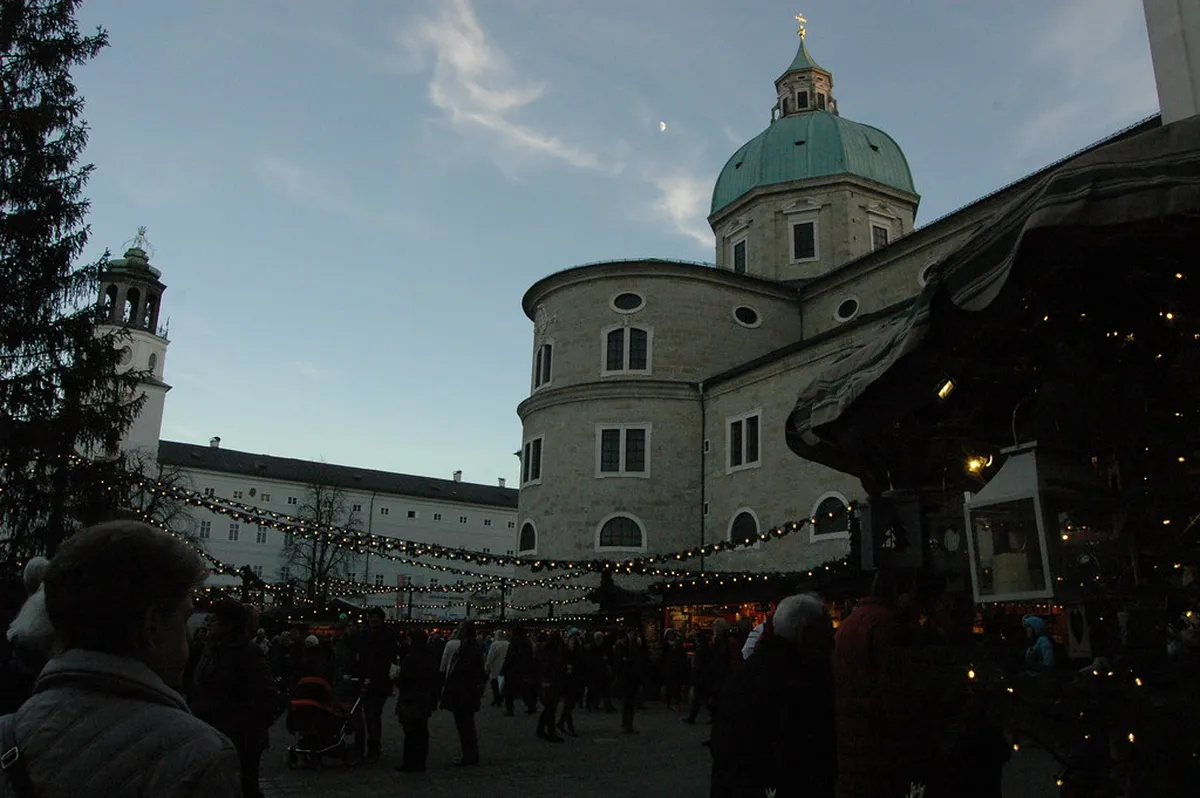
Salzburg transforms into one of Europe's most cinematic winter destinations during Advent. The smell of roasted chestnuts and spiced Glühwein drifts through Baroque streets while carols echo off cathedral walls. Unlike Vienna's sprawling market scene, Salzburg's Christkindlmarkt cluster is compact enough to cover on foot in a single afternoon — yet varied enough to justify two or three full days. This guide covers every major market for the 2026 season, with exact dates, opening hours in local time, what to eat, and how to get between locations without a car.
The historical Salzburg Christkindlmarkt on Dom- and Residenzplatz is one of the oldest Christmas markets in the world, with roots stretching back to the 15th century. Knowing the best time to visit Salzburg matters enormously here — weekend evenings in December are genuinely crowded, and the city reaches near-full hotel occupancy by early November. Book accommodation at least four months ahead and plan your arrival for a Thursday or Friday for the best experience.
Salzburg Christmas Market Dates and Opening Hours for 2026
Turn this guide into a personal route with our free salzburg itinerary planner.
The flagship Christkindlmarkt on Domplatz and Residenzplatz runs from 20 November to 1 January 2027 for the 2026 Advent season. Regular opening hours are Monday–Thursday 10:00–20:30, Friday 10:00–21:00, Saturday 09:00–21:00, and Sunday and public holidays 09:00–20:30. Christmas Eve (24 December) is a short day: the market closes at 15:00. On Christmas Day and Boxing Day (25–26 December) stalls reopen from 11:00–18:00. New Year's Eve sees the market run 10:00–18:00 with gastronomy huts staying open until 01:00 for the midnight fireworks over the Residenzplatz.
Hellbrunn Advent Magic typically opens on the same November weekend as the Domplatz market and runs until 26 December, Tuesday–Sunday 14:00–20:00 (extended to 10:00–20:00 on weekends). The Mirabell Palace market runs the same core November–December period, daily 10:00–20:00, with no entry fee. The fortress courtyard market operates Fridays to Sundays only, 11:00–19:00. Always check the official Salzburg tourism board site closer to your travel date, as hours can shift by a week in years where Advent starts earlier or later.
One practical note: the Sternadvent market in the Sternbräu courtyard runs until 6 January 2027 (Epiphany), making it the ideal option if you are visiting Salzburg after Christmas Day. Entry to all markets except Hellbrunn and the St. Leonhard market is free.
| Market | Location | Atmosphere | Best for |
|---|---|---|---|
| Christkindlmarkt (Domplatz & Residenzplatz) | In front of Salzburg Cathedral, Old Town | Grand, traditional, busy; ~100 stalls under illuminated stars | First-timers wanting the iconic UNESCO backdrop and full events programme |
| Mirabellplatz Market | Mirabellplatz, New Town (right bank) | Small (~15 stalls), quiet, local; free entry | A relaxed Punsch without the crowds, paired with the Mirabell gardens |
| Hellbrunn Advent Magic | Hellbrunn Palace grounds (Bus 25, ~20 min) | Spectacular & festive; 400+ lit trees, ~60 stalls (paid entry ~€8) | Families — miniature railway, campfires, carriage rides |
| Hohensalzburg Fortress Market | Fortress courtyard, 120 m above the city (funicular) | Tiny (<20 stalls), exposed, panoramic; Fri–Sun only, 11:00–19:00 | The view — alpine twilight over the valley, a one-hour visit |
Main Christkindlmarkt on Domplatz and Residenzplatz
This is Salzburg's flagship market. Around 100 traditional wooden stalls fill the square directly in front of the Salzburg Cathedral, with illuminated stars strung overhead. The market celebrated its 50th anniversary in 2024 and draws visitors from across Europe for good reason: the UNESCO World Heritage backdrop is extraordinary. Arrive before noon on weekdays to browse without the crowds — by 17:00 on Saturdays the square is shoulder-to-shoulder.
The daily events programme is what separates Salzburg from generic markets. Every Tuesday from 18:00–20:00 the market runs a public choir sing-along, open to anyone. Traditional wind music plays high above the square every Wednesday at 18:00 and every Thursday and Saturday at 18:30. The Salzburg "Christ Child" visits with angels every Sunday at 16:00. Krampus parades — genuinely theatrical — typically run around 5 December. All events are free.
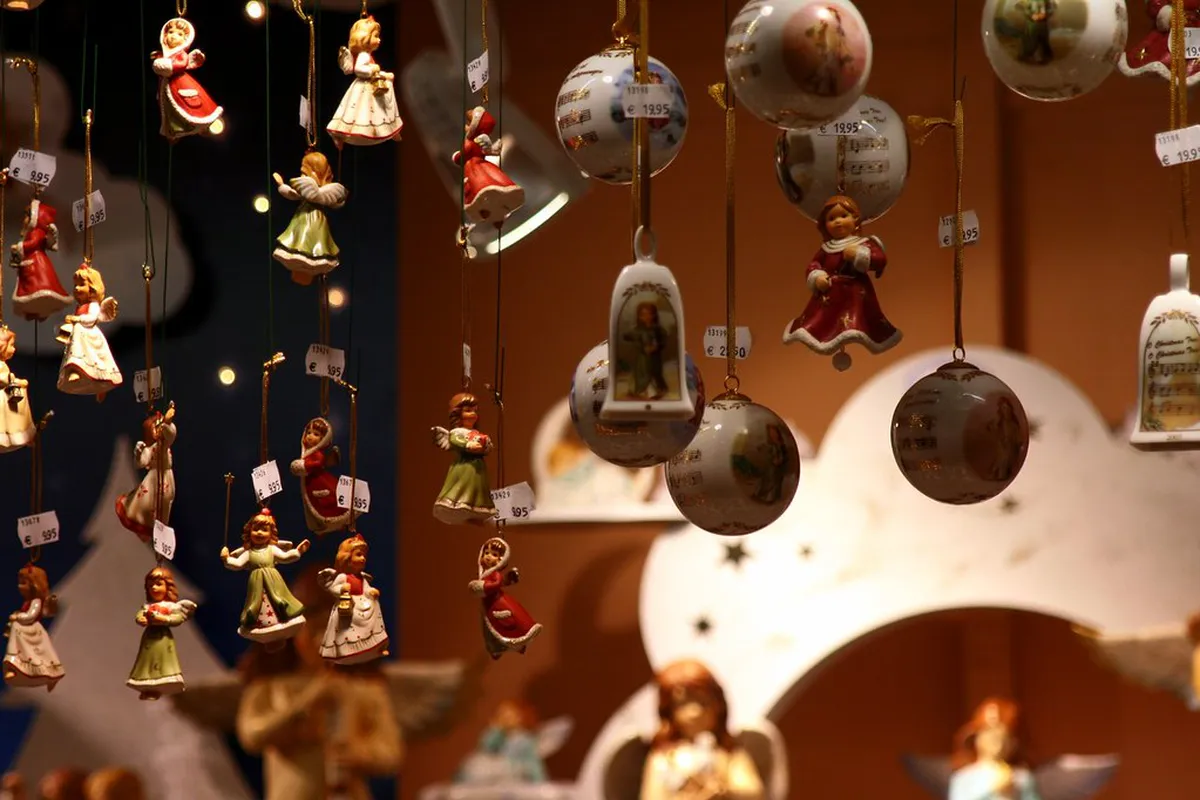
Stall quality skews toward authentic handcraft: pewter work, mouth-blown glass ornaments, handmade wooden nativities, beeswax candles. Look for the 'Salzburger Heimatwerk' seal — it guarantees Austrian-made goods. The generic souvenir stalls near the main entrance are not representative of what the interior stalls offer.
Hellbrunn Advent Magic
Hellbrunn Palace Advent Magic is the most visually spectacular of the Salzburg markets and the strongest choice for families. Over 400 decorated Christmas trees line the palace grounds, the façade becomes a lit Advent calendar, and around 60 stalls sell wood carvings, artisan honey, and local spirits. Entry runs roughly €8 per adult and typically includes a hot drink voucher; children under 15 are usually free. A miniature railway, campfires for grilling sausages, and horse-drawn carriage rides make this a full afternoon for children.
Bus 25 from Rudolfskai in the Altstadt takes 20 minutes and drops you at the palace gates. The last bus back departs around 20:30, so check the timetable. The Hellbrunn market runs Tuesday–Sunday, 14:00–20:00 on weekdays and 10:00–20:00 on weekends, closing 26 December. A Salzburg Card covers both the bus and palace entry, making it the most economical way to visit.
Mirabell Palace Market and Sternadvent
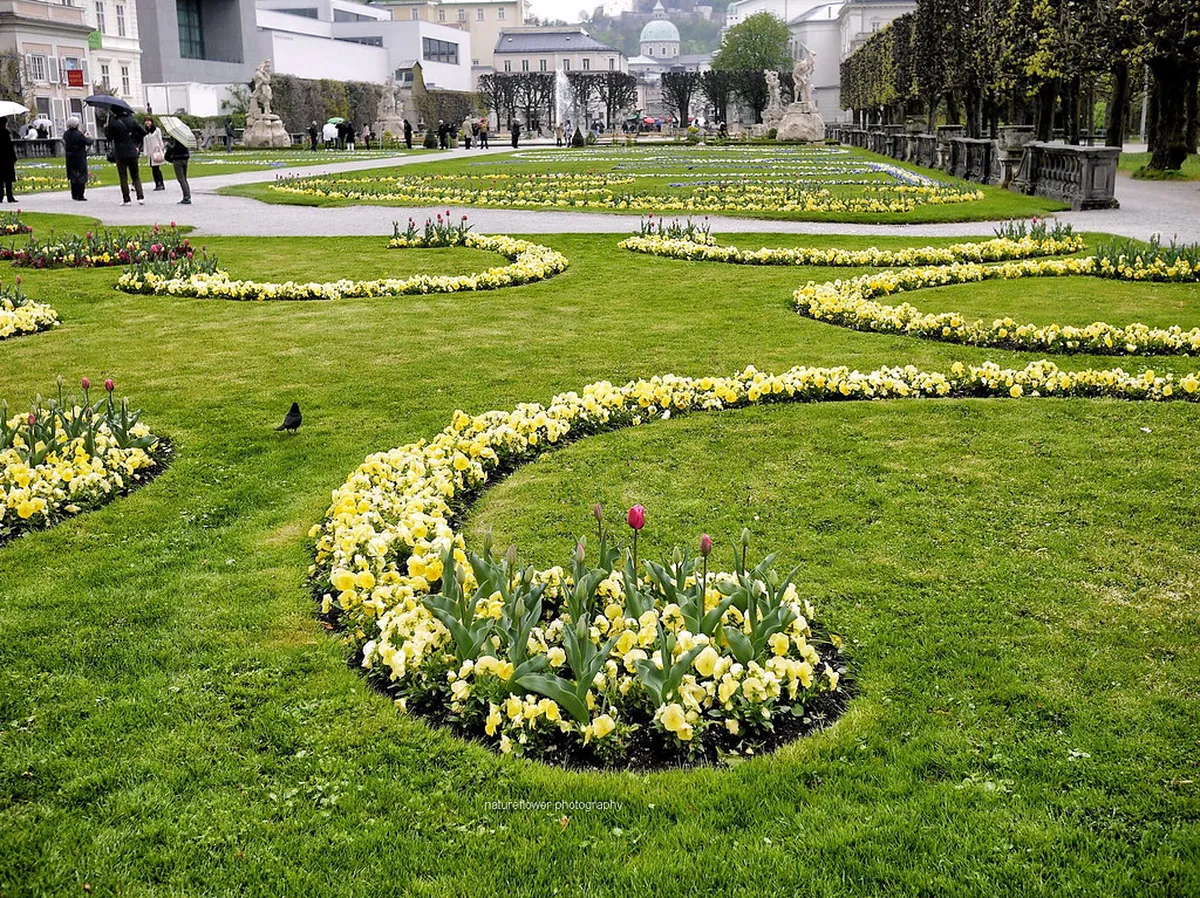
The Mirabellplatz market occupies the square in front of Mirabell Palace on the right bank of the Salzach River. It is smaller than the Domplatz market — around 15 stalls — and the atmosphere is noticeably quieter and more local. This is where residents come rather than tour groups, which makes it the best market for a slow cup of Punsch without being jostled. Combine it with a walk through the Mirabell Palace gardens, which are illuminated during Advent evenings. Entry is free and the market is open daily.
The Sternadvent market, tucked inside the Sternbräu brewery courtyard between Getreidegasse and Griesgasse, runs to 6 January. Around 30 stalls operate here, with a stronger lean toward design-quality wood carvings and artisan food products than you will find at the main market. The courtyard setting is sheltered from wind and feels genuinely intimate. Because it continues past Christmas, it is the best option for visitors arriving in the last week of December or early January when many other markets have closed.
Advent Market at Hohensalzburg Fortress
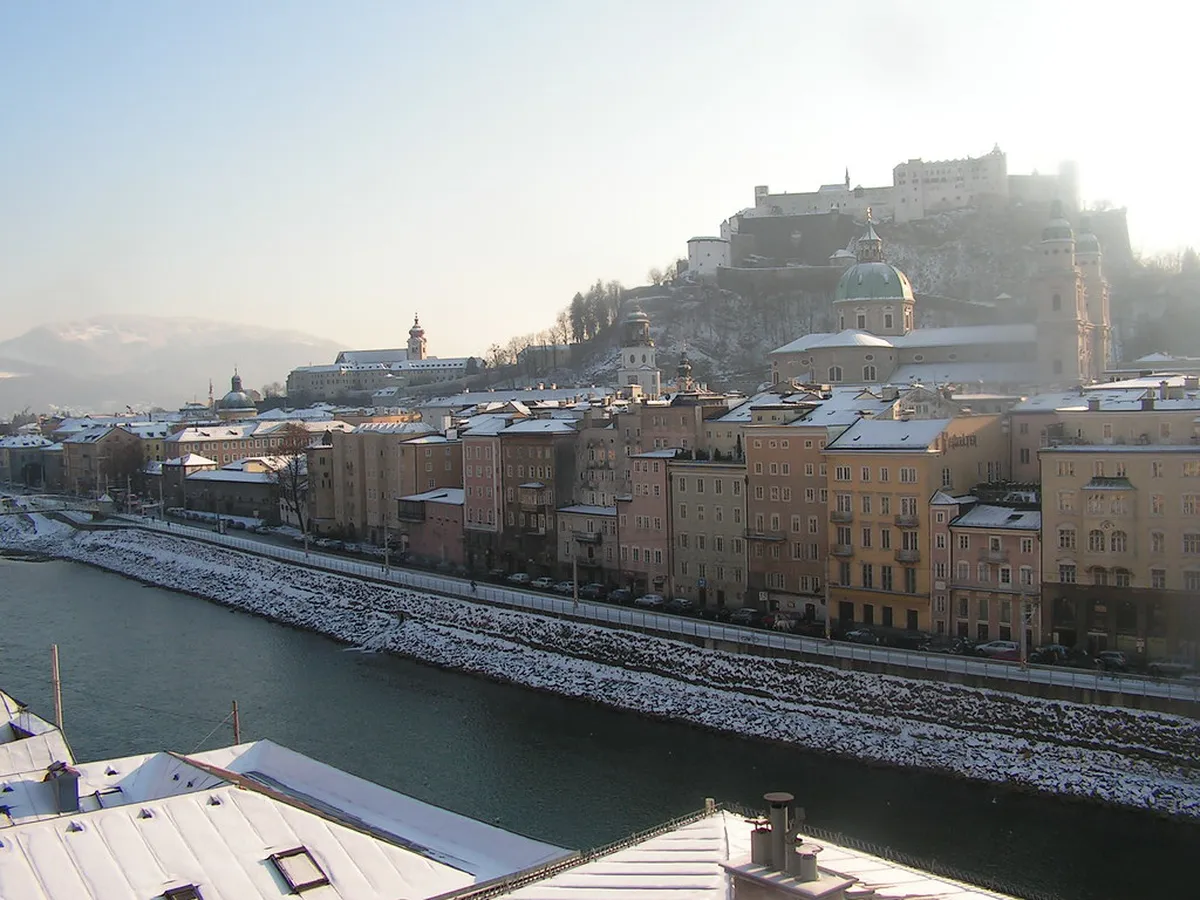
The fortress courtyard market is the hardest to reach and the most rewarding for the view alone. Perched 120 metres above the city, the stalls sit inside the medieval walls of Hohensalzburg with panoramic views of the Alps and the Salzach valley below. The market runs Fridays, Saturdays, and Sundays only, from 11:00 to 19:00. On clear evenings, the twilight over the mountains is genuinely one of the most beautiful sights in Austria during winter.
Access is via the Festungsbahn funicular, which departs from Festungsgasse just south of the Domplatz. A Salzburg Card covers the funicular fare and fortress entry, making it the most cost-effective way to combine this with other city sightseeing. Without the card, a single funicular ticket costs around €14 including fortress admission. Dress in serious thermal layers: the wind at this altitude can be cutting even on a clear day, and heated huts are limited. The market is small — fewer than 20 stalls — so treat it as a one-hour experience combined with the funicular ride rather than a half-day commitment.
Silent Night Town Oberndorf and St. Leonhard Market
Oberndorf is where "Stille Nacht" (Silent Night) was performed for the first time on Christmas Eve 1818 in the village church. The Silent Night Chapel now stands on that spot, and the surrounding village runs a small, intimate market around it. This is a pilgrimage rather than a shopping destination — the market itself is modest, but the setting is genuinely moving, particularly at dusk when the chapel is lit. Oberndorf is 25 minutes from Salzburg Hauptbahnhof via the S1 regional train; alight at the Oberndorf-bei-Salzburg stop. The market is open daily from 10:00 and runs through late December.
The St. Leonhard Advent Market near the base of Mount Untersberg is a charity-run traditional market that operates Saturdays and Sundays only, from 14:00 to 19:00. It is smaller and less polished than the city markets, but prices for handmade woolens, beeswax candles, and carved wood items are noticeably lower. Reaching it requires a car or taxi from the city — it is not well served by public transport. For those based in the city center, the Sternadvent or Mirabellplatz markets offer a comparable local feel without the journey.
What to Eat and Drink at Salzburg Christmas Markets
Bosna is the essential Salzburg street food — a grilled double sausage in a long white roll with onions, parsley, and a spiced curry-mustard blend. It was invented in Salzburg in the 1950s and remains the local's first choice at the market. A serving costs around €4–5. For something sweet, look for Bauernkrapfen (fried dough rings dusted with powdered sugar) and Lebkuchen hearts with icing. Roasted chestnuts (Maroni) sold in paper cones cost about €3–4 and double as effective hand warmers.
Glühwein (mulled red wine spiced with cinnamon, cloves, and orange peel) is the default drink at around €4–5 per cup. Locals also drink Jagertee, a potent mix of black tea, rum, and Schnapps — warming and considerably stronger than it tastes. Non-alcoholic Kinderpunsch (children's punch, made from berry or apple juice with spices) is widely available and genuinely good; it costs around €3. At each market you pay a Pfand (deposit) of €2–3 for the ceramic mug when you order — you get this back when you return the mug, or you keep it as a souvenir.
Prices for a full market meal — one main dish and a drink — typically run €12–18 per person. Heated tent huts with bench seating are scattered through the main markets; these sometimes require a drinks order to sit down but are rarely formally reserved. For a proper sit-down dinner in the Altstadt, consult our guide to must-try food in Salzburg for specific restaurant recommendations beyond the market stalls.
Getting to Salzburg and Between the Markets
Salzburg is two hours from Vienna by ÖBB Railjet and about one hour forty minutes from Munich by train. Salzburg Airport (SZG) is 20 minutes from the center by Bus Line 2 or taxi (€15–20). Driving into the Altstadt during Advent is impractical — parking is scarce and expensive. Use the Europark park-and-ride on the city edge or arrive by train.
The main markets are all walkable from each other. Domplatz to Mirabellplatz is a 10-minute walk across the Staatsbrücke bridge. The fortress market adds a 15-minute walk plus the funicular ride from Festungsgasse. Bus 25 runs every 20 minutes from Rudolfskai to Hellbrunn (20 minutes). The S1 train from Salzburg Hauptbahnhof reaches Oberndorf in 25 minutes. Read our getting around the city before you go — the Salzburg Card covers unlimited bus and train use plus fortress funicular and Hellbrunn Palace entry. At around €30 for 24 hours or €43 for 48 hours, it pays off by the second market visit. Check the current season pricing in our the Salzburg Card and what it covers.
Planning Tips: When to Go and What to Expect
Weekday mornings from Tuesday to Thursday are the quietest time to visit. The Domplatz market is genuinely empty before noon on weekdays, letting you browse stalls and photograph the cathedral backdrop without battling tour groups. Weekends from 15:00 onwards are the busiest period — the square can feel claustrophobic by 18:00 on a Saturday in mid-December. If you can only visit on a weekend, go to the Hellbrunn or Mirabell market during the peak Saturday evening hour and return to Domplatz after 20:00 when the school groups and day-trippers have left.
Pack for serious cold. Salzburg sits in a natural basin that amplifies wind chill, and temperatures regularly drop below freezing in December. Waterproof boots with grip are essential — the Residenzplatz cobblestones become slippery in frost. The fortress market is particularly exposed, so add a wind layer above whatever you wear in the city. Thermal underlayers are worth the suitcase space even for a short trip.
December weekends in Salzburg sell out hotels fast. Book at least four to five months in advance for stays between 5 and 24 December, and expect prices to run 40–60% above shoulder season rates. The Salzburg itinerary planning guide covers how to structure a two- or three-night stay to see both the markets and the city's major sights without feeling rushed. For full destination planning see our nearby day trips if you want to extend beyond the Advent markets into the surrounding Alpine region.
The Pfand System, Craft Authenticity, and Realistic Budgeting
One thing most visitors get wrong on their first day: the Pfand (deposit) system is market-specific. When you buy a hot drink, you pay €2–3 extra as a refundable mug deposit. You can only reclaim it at a stall from the same market — taking your Domplatz mug to Mirabellplatz means losing the deposit. Keep track of which market issued each mug, or budget to keep them as souvenirs. The Christkindlmarkt mug is redesigned annually and has a collector following.
For craft quality, the interior stalls of the Domplatz market — along the cathedral arcade and toward Residenzplatz — stock noticeably better handmade pieces than the entrance stalls. Expect €15–60 for wood-carved ornaments, €20–80 for hand-blown glass, and €30–120 for pewter. The Hellbrunn market has a higher ratio of artisan-to-souvenir stalls and often slightly lower prices for comparable quality. A realistic daily budget — two drinks, one snack, one small souvenir — runs €25–35 per person before transport and any paid gates (Hellbrunn €8, fortress funicular €14 without a Salzburg Card).
Frequently Asked Questions
What are the dates for the Salzburg Christmas Market in 2026?
The main Salzburg Christkindlmarkt is scheduled to run from November 20 to January 1, 2027. Smaller markets like Hellbrunn usually open on the same November weekend and close December 26. The Sternadvent remains open until January 6th. Always verify specific dates on the Austrian Tourism Board website.
How many days do you need for the markets?
Two to three days is the ideal duration to see the major markets without feeling rushed. This allows time for a day trip to Oberndorf and a few evening market crawls. Check our our complete Salzburg guide for more planning ideas.
Are the markets in Salzburg free to enter?
Most markets in the city center, including Domplatz and Mirabell, are free to enter. However, the Hellbrunn Advent Magic and the St. Leonhard market usually charge a small entry fee of $5–$9. These fees often include a drink voucher or support local charities.
Salzburg remains one of Europe's most evocative winter destinations, blending Baroque elegance with deep-rooted Alpine traditions. Whether you are sipping Glühwein under the fortress or listening to carols in the Cathedral, the city offers a festive warmth that is hard to find elsewhere. The combination of the historic Domplatz market, the family-friendly Hellbrunn magic, and the quieter Mirabell and Sternadvent options means there is a version of the experience that works for every type of traveler in 2026.
Don't forget to pack your warmest boots and a sense of wonder for this magical Austrian season. For more regional inspiration, consider looking into the nearby day trips to extend your winter adventure.