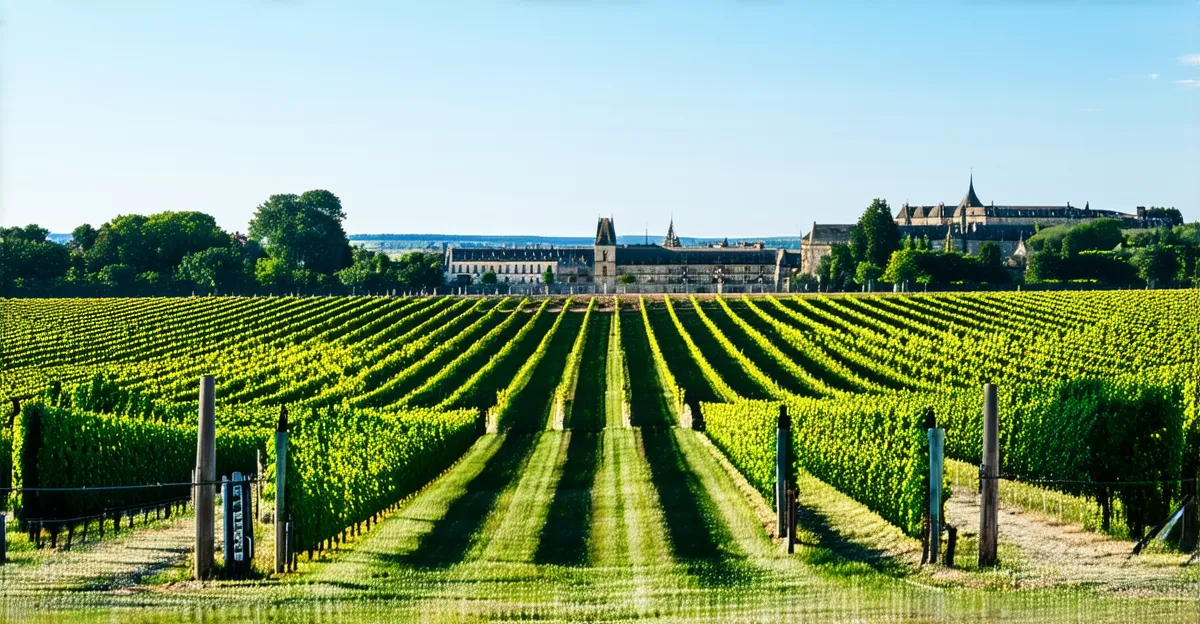
Bordeaux works best as a compact historic city connected to larger wine and coastal landscapes. A strong itinerary first groups the old center, riverfront, Chartrons and Bacalan, then decides whether Saint-Émilion, the Médoc or Arcachon deserves a separate day.
Use this hub to choose a duration, protect timed bookings and understand current transport and attraction rules. The schedules are decision frameworks with substitutions, not promises that every traveler should complete every stop.
Choose Your Bordeaux Trip Length
Turn this guide into a personal route with our free Bordeaux itinerary planner.
| Usable time | Strong plan | Main sacrifice |
|---|---|---|
| 1 day | Historic center, riverfront and one paid anchor | No complete wine-country day |
| 2 days | Historic core plus Chartrons and Cité du Vin | Stay inside Bordeaux |
| 3 days | Two city days plus one regional choice | Only one wine or coast direction |
| 5 days | Three city themes, wine country and flexible coast/region day | Still requires selected museums |
Count full days rather than hotel nights. Airport arrival, baggage, Line F or road transfer and check-in can consume several hours. Two days is a complete city break; three days is the strongest first-visit baseline when wine country matters.
One Day: One Paid Anchor and One Walking Spine
The one-day Bordeaux itinerary starts around Saint-Michel, continues through Grosse Cloche and the cathedral quarter, crosses Saint-Pierre and finishes at Place de la Bourse and the quays. Choose Pey-Berland, Cité du Vin, a guided old-town visit or a cruise as the fixed paid anchor—never all four.
Cité du Vin needs two to three hours and sits north of the historic core. If it is the priority, shorten the medieval route and use tram B. A full vineyard excursion does not count as seeing Bordeaux city; it replaces the city day.
Two Days: Historic Bordeaux and the Wine-Trade Axis
The new two-day Bordeaux itinerary gives the first day to Saint-Michel, Pey-Berland, Saint-Pierre and the Port of the Moon. Day two begins at Quinconces, uses Jardin Public and Chartrons, then reaches Bacalan and Cité du Vin.
This split follows the city's commercial and architectural geography. It also creates room for the small Wine and Trade Museum, a proper lunch or a weather delay without turning both days into transfer chains. Most first-time weekend visitors should remain in the city rather than surrendering one of only two days to a regional excursion.
Three Days: Add One Regional Choice
The three-day plan protects the two city days and gives day three to Saint-Émilion, Médoc, Graves, Sauternes or Arcachon. Choose one. Saint-Émilion combines a heritage village and wine estates; Médoc emphasizes dispersed château appointments; Arcachon and Dune du Pilat exchange wine for coast and landscape.
Move the regional day according to weather, train works and tour inventory. Swap whole days rather than trying to preserve a rural booking while moving every city stop around it. A same-day rail itinerary still needs station-to-village or bus planning beyond the headline train time.
Five Days: City Depth, Wine and Coast
With five days in Bordeaux, use three city themes, one wine-region day and one flexible regional or recovery day. The third city theme can focus on Bastide, Bassins des Lumières, Musée d'Aquitaine, CAPC, markets, food or a cruise.
A second wine region is useful for specialists who have safe transport and confirmed estates. Arcachon is a stronger contrast for many travelers. Keep one evening unbooked after a tour or dune climb. Five days provides depth only when the schedule accepts rest and closure substitutions rather than adding every included museum.
Plan by Geographic Zones
South and medieval core: Capucins, Saint-Michel, Grosse Cloche and Musée d'Aquitaine. Cathedral and old town: Pey-Berland, Saint-Pierre, Porte Cailhau and Place de la Bourse. Central north: Grand Théâtre, Quinconces and Jardin Public. Chartrons and Bacalan: wine-trade streets, museums, quays and Cité du Vin. Right bank: Bastide, botanical spaces and Darwin.
Group stops inside one zone before taking TBM to another. A flat tourist map hides north-south distance, cobbles, river crossings, station exits and the time spent inside major museums.
The 2026 TBM Network Has Six Tram Lines
Current TBM maps use lines A, B, C, D, E and F. Older articles describing only four lines are obsolete. Tram B serves Cité du Vin. C, D and F appear at Gare Saint-Jean on current maps. Line F provides the direct airport–central Bordeaux–station axis introduced with the late-2025 network changes.
Use the live journey planner because summer works, bridge interruptions, events and replacement buses can change the practical route. Save the exact stop and direction rather than a color alone. The transport overview compares trams, buses, walking, Le Bato, bikes and night service.
Use Current TBM Fares and Validate Every Time
TBM currently lists €1.90 for one journey bought in advance, €3.40 for two and €15.70 for ten. A one-journey ticket bought from a bus driver costs €2.10. Unlimited products are €6.50 for 24 hours, €11 for 48 hours, €13.50 for 72 hours and €17.50 for seven days.
A journey permits connections for up to one hour, but validation remains mandatory at every boarding—even in connection. Le Bato uses TBM products and is transport, not a narrated cruise. The ticket and validation guide explains purchase channels and avoids an unsupported universal tap-a-bank-card claim.
Treat the Airport as Part of the First Day
Current Line F connects Mérignac Airport, central Bordeaux and Gare Saint-Jean, with TBM advertising about 45 minutes from station to airport under normal conditions. This is ordinary network travel, but live works and the hotel's final walk still control the door-to-door time. A taxi can be reasonable for a group, late arrival, large luggage or an address requiring an awkward transfer.
Do not place the trip's only Pey-Berland slot or château departure immediately after a flight. Add baggage, ticket purchase, platform orientation and check-in. Save the accommodation address and alternate route offline. For departure, protect enough margin for the route to change.
Calculate the Bordeaux CityPass from the Real Plan
Current adult prices are €37 for 24 hours, €48 for 48 hours, €56 for 72 hours and €62 for 96 hours. The physical card includes unlimited tram and bus use, Cité du Vin, Bassins des Lumières, one city tour and partner museums and monuments. An online voucher must be exchanged at the Tourist Office; it is not the pass.
The validity window begins on first transport or attraction use. Pey-Berland still requires a timed reservation, and the city tour must be reserved through the Tourist Office. The current FAQ removes the former before-noon Cité du Vin restriction. Use the CityPass guide to compare only visits that genuinely fit.
Book Small Capacity Before Broad Museums
Pey-Berland admits only 19 people per slot and currently requires timed e-tickets for all admission categories. Grosse Cloche interior visits hold up to five people and run as a French guided product. Château visits, guided tours and cruises also use fixed departures. These constraints should be booked before a flexible museum or public square.
Do not buy every ticket on the same day. Confirm the hardest anchor, group the surrounding district, then add one secondary interior only when security, walking, lunch and rest margin remain. Save cancellation terms and the controlling official page with the booking.
Pey-Berland and Saint-André Are Separate Visits
Ordinary Saint-André Cathedral visitor entry is free and follows the church's worship calendar. Current hours are split around midday on many days, and celebrations take priority. Pey-Berland is a separate national monument with a €9 standard rate, timed booking and 231 spiral steps.
Normal 2026 tower hours vary by season; a temporary heat schedule of 09:00–17:00 applies August 1–30, with last climb at 16:30. Never copy a static time without checking the live alert. The cathedral guide and tower guide keep the rules distinct.
Give Cité du Vin a Real Half-Day
The dated adult permanent-exhibition ticket is currently €23, the open ticket €28. Both include the Visit Companion and a Belvedere drink according to the selected product. The museum recommends two to three hours for 18 exhibition areas, and it can support far longer for specialist visitors.
From April 3 to October 31, 2026, current opening is 10:00–19:00 daily. Winter hours shorten and the venue closes December 25 plus a late-January maintenance week. Use tram B and pair the visit with Chartrons or Bacalan. The Cité du Vin guide covers dated tickets, re-entry and CityPass desk procedure.
Prepare Same-Area Closure Substitutions
If Pey-Berland closes for heat or weather, retain the cathedral quarter and substitute Musée d'Aquitaine, the Fine Arts Museum or an old-town walk after checking its calendar. If the Miroir d'eau is dry, keep Place de la Bourse and the UNESCO quays. If a cruise cancels, use the same riverfront and a central meal rather than crossing to a distant museum.
If Cité du Vin becomes unavailable, Chartrons, the Wine and Trade Museum or CAPC can preserve the northern theme. A substitution is strongest when it does not threaten later reservations. Keep one indoor and one outdoor possibility in each zone.
Understand the Miroir d'eau as a Seasonal System
The Miroir d'eau is a 3,450-square-meter public water feature opposite Place de la Bourse. Bordeaux Tourism currently describes an April-to-October season with alternating mirror and mist effects. Weather, wind, crowds, maintenance and special events change the result, so no itinerary should promise an exact reflection.
The architecture, Three Graces fountain, Garonne and surrounding Port of the Moon remain the core experience. Use the Place de la Bourse guide for photography, pedestrian flow and connections to Saint-Pierre, Porte Cailhau and cruise pontoons.
Choose a Wine Region by Logistics, Not Fame
Saint-Émilion: direct trains can take roughly 29–35 minutes, but the station sits outside the compact village and estates require onward planning. Médoc: prestigious, dispersed left-bank estates strongly favor an organized tour, driver or nondrinking motorist. Graves and Sauternes: distinct southern directions that deserve appointments and transport of their own.
Do not assume a famous château welcomes walk-ins. Compare tour language, group size, number of estates, lunch, village time and cancellation. The wine tasting guide begins with city options before asking travelers to commit to a rural day.
Make Saint-Émilion a Door-to-Door Plan
SNCF currently lists direct services from Bordeaux Saint-Jean to Saint-Émilion, with journey times around half an hour on many departures. That is only the rail segment. Check the walk or shuttle from the station, terrain in the village, monolithic church reservations and the exact château transfer before choosing a train.
Buy the return with enough margin and save alternatives. A guided day simplifies transport and estate appointments but costs more and follows a fixed program. Rail works and harvest operations can change availability. One complete Saint-Émilion day is more realistic than combining it with Médoc.
Use Arcachon and the Dune as a Weather Choice
Arcachon provides coast, food and bay atmosphere; Dune du Pilat adds an exposed sand climb and another local connection. The seasonal staircase is not a universal accessibility solution, and strong sun, wind or heat can make the dune a poor choice even when trains run normally.
Use live SNCF and local transport information, protect the last reliable return, and carry only what can be managed on sand. On marginal weather, keep the city museum day and move the coast if the booking terms allow. A regional alternative should not create a risky race back to an evening reservation.
Choose Accommodation by the Exact Route
The historic center maximizes walking but can bring noise, higher rates and old-building stairs. Saint-Jean supports early trains and airport connections. Chartrons balances neighborhood atmosphere with tram access. Bastide and outer stops can reduce price only when the exact line and late return work.
Compare total cost: taxes, breakfast, cancellation, luggage, parking, cooling and transport. During heat, verify the room rather than the property-level air-conditioning label. The budget accommodation guide avoids a static hotel ranking and focuses on reproducible booking decisions.
Fit Food into the District
Use Marché des Capucins around Saint-Michel when its current schedule suits the day. Chartrons supports bakery, market, wine-trade and restaurant choices along its northbound route. Canelé, oysters, lamprey and entrecôte answer different appetites and seasons; do not force every named specialty into one day.
Reserve a priority meal and keep a nearby fallback. Ask directly about allergens, alcohol in sauces and cross-contact. The Bordeaux food guide explains menu vocabulary, while the Chartrons lunch guide chooses by route instead of an unstable top-ten list.
Plan Evenings Around a Safe Return
Saint-Pierre offers the easiest central cluster of alternatives; Chartrons supports a calmer food-and-wine evening; Bassins à flot adds larger late venues and a more deliberate return. Verify venue-specific age, admission, last entry and dress rules rather than applying a district stereotype.
TBM lists later terminal departures Thursday–Saturday, plus TBNight and reservation-based flex'NIGHT on specified nights. These do not serve every route. Save the live last connection before the first drink. The nightlife guide covers after-22:00 bus drop-off and night-service booking.
Treat Arrival and Departure as Partial Days
A flight landing, train arrival or hotel night is not a sightseeing day. Add station navigation, baggage, the airport transfer, ticket purchase and luggage storage. Use arrival evening for the accommodation district, a flexible riverbank walk or meal. Do not attach a nonrefundable tower, cruise or vineyard departure to travel with no recovery margin.
On departure day, choose a stop on the direct route to Saint-Jean or the airport. Verify reception and luggage hours, then leave a disruption buffer. If the journey depends on one tram branch, save the replacement bus or taxi alternative before checking out.
Adapt for Access, Families and Different Interests
Reduced mobility: verify every platform, kerb, cobble, threshold and toilet; Pey-Berland terraces and the Grosse Cloche interior require stairs. Families: use one major interior and one flexible garden or river block. Wine specialists: reduce city checklist time and reserve estates early. Nondrinkers: ask for grape juice and choose architecture, food, museums and coast without apology.
Repeat visitors: can build around Bastide, exhibitions, markets or a specific appellation. Photographers: protect light but treat the water mirror as variable. Lower-intensity travelers: can use trams, Le Bato and one-zone days. Removing a distant stop is good itinerary design.
Use a Sustainable Daily Rhythm
Start with the attraction most sensitive to heat, opening or timed capacity. Put lunch in the next district. In the afternoon, choose one major museum or one substantial walking area. Let a garden, square, riverbank or café absorb delays. Keep the evening geographically connected to the afternoon.
Allow sitting, water and toilet time deliberately. Tower stairs, museum screens, cobbles and tasting days create different fatigue. A route remains trustworthy when every transfer takes ten minutes longer. If the first anchor overruns, remove the flexible stop rather than turning the rest of the day into a race.
Bordeaux Planning Library
Use the specialist guide that answers the next decision instead of opening overlapping itinerary pages:
- One Day in Bordeaux: A Realistic First-Time Itinerary
- 2 Days in Bordeaux: A Realistic Weekend Itinerary
- 3 Days in Bordeaux: City and Wine Country Itinerary
- 5 Days in Bordeaux: City, Vineyards and Coast
- Must-See Bordeaux Attractions: First-Visit Priorities
- Bordeaux Budget Accommodation: Areas and Booking Method
- Lunch in Chartrons: Streets, Markets and Booking Tips
- Bordeaux CityPass: 2026 Prices, Benefits and Value
- Bordeaux Nightlife Guide: Areas, Transport and Safety
- Bordeaux Public Transport: Trams, Buses and Le Bato
- Bordeaux Travel Tips: First-Visit Decisions for 2026
- Bordeaux Walking Tour Map: Historic Center Route
- Bordeaux Wine Tasting Guide: City, Châteaux and Tours
- Chartrons Bordeaux Guide: Wine History and Walking Route
- Pey-Berland Tower: 2026 Tickets, Hours and 231 Steps
- Free Things to Do in Bordeaux: A Practical Route
- Bordeaux Garonne Cruise: Evening Planning Guide
- Grosse Cloche Photography: Light, Angles and Visit Rules
- How Many Days in Bordeaux? 1, 2, 3 and 5 Compared
- How to Use Bordeaux Transport: Tickets and Validation
- Bordeaux Cathedral: Hours, Services and Tower Choice
- What to Eat in Bordeaux: Regional Foods and Markets
- Cité du Vin: 2026 Tickets, Hours and Visit Strategy
- Place de la Bourse: Miroir d'eau and Riverfront Guide
- Best Time to Visit Bordeaux: City, Wine and Coast
Final Bordeaux Checklist
- Count full usable days rather than hotel nights.
- Group each half-day by district.
- Use current six-line TBM maps.
- Buy the correct fare and validate every boarding.
- Reserve Pey-Berland and every château appointment.
- Separate free cathedral entry from the paid tower.
- Give Cité du Vin two to three hours.
- Calculate CityPass value from confirmed visits.
- Check Météo-France, heat hours, works and closures.
- Save exact entrances, boarding pontoons and return routes offline.
- Keep one same-area substitute for every fixed anchor.
Plan with Live Information
This guide was checked against first-party information on August 5, 2026. Bordeaux transport, attraction access, prices, weather, works, worship, exhibitions and event controls can change after publication. Reopen the official source that controls your date before paying, departing or relying on an accessible route. A reservation manages one part of the visit; it does not remove security, guarantee every space or protect a connection scheduled without buffer.
Frequently Asked Questions
How many days do you need in Bordeaux?
Two full days cover the historic center, Chartrons and one major wine museum. Three days is the strongest first-visit baseline when a vineyard or regional day matters.
Is one day enough for Bordeaux?
One day is enough for a connected old-center and riverfront route with one major interior, but not for both a full vineyard excursion and a complete city visit.
What should you book first?
Book the must-do vineyard tour, timed Pey-Berland climb, priority cruise or special exhibition first, then build the surrounding district around it.
Is the Bordeaux CityPass always worth it?
No. Compare the exact included visits and transport you will use with the current €37, €48, €56 or €62 price.
Can you visit Bordeaux without a car?
Yes. The center is walkable, TBM serves the city and airport, and trains reach Saint-Émilion. A car is more useful for dispersed vineyard routes.
Does Bordeaux have six tram lines now?
Yes. Current TBM material uses lines A through F after the network changes introduced in late 2025.
Is Saint-André Cathedral free?
Visitor entry to the cathedral is ordinarily free, while the separate Pey-Berland tower has timed paid admission and 231 steps.
How current are the prices here?
Core TBM, CityPass, Cité du Vin and Pey-Berland facts were checked on official sites on August 5, 2026. Recheck for your date.