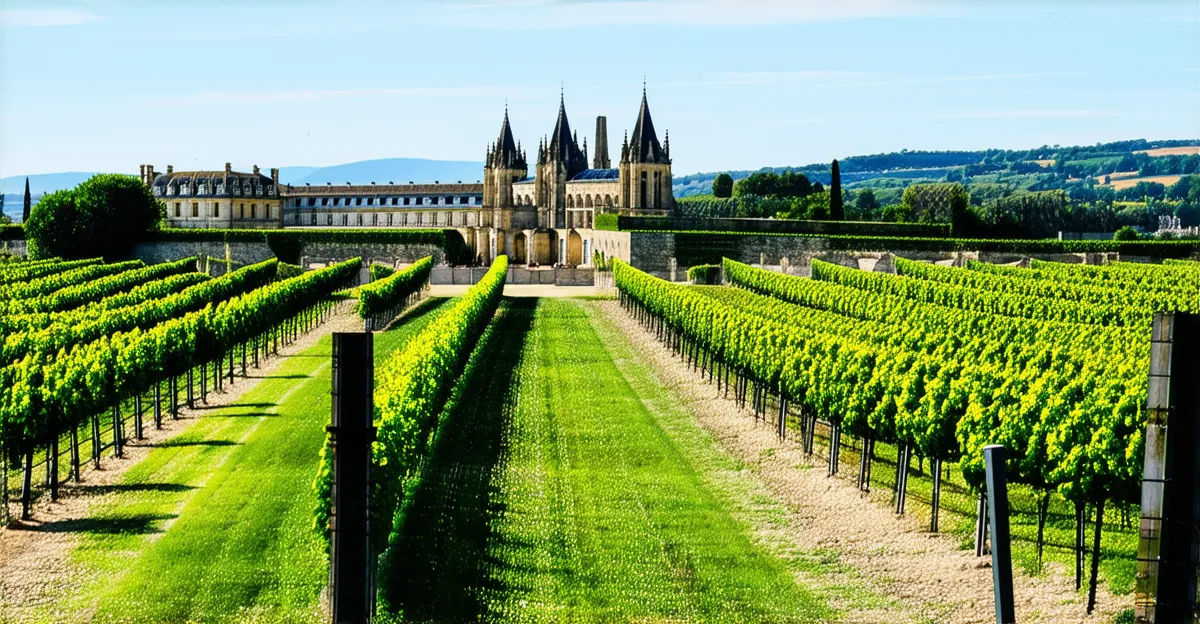
Three days is the strongest first-visit baseline when Bordeaux city and one regional experience both matter. Keep two area-based city days, then select one destination whose transport and reservations are genuinely workable.
Do not combine Saint-Émilion and the Médoc without a structured tour or driver. They represent different banks and dispersed estates; depth in one region is more useful than time spent crossing between them.
Planning the full trip? Compare durations, districts and current logistics in the Bordeaux itinerary planner.
Day 1: Historic Bordeaux and the Garonne
Turn this guide into a personal route with our free Bordeaux itinerary planner.
Use the one-day historic route from Saint-Michel through Pey-Berland and Saint-Pierre to Place de la Bourse. Choose the tower, Grosse Cloche interior or a museum as the main paid visit. Finish with the riverfront rather than extending north to Bacalan.
Day 2: Chartrons and Cité du Vin
Walk from Quinconces through Jardin Public and Chartrons, then continue by tram to Cité du Vin. The museum is not a Bordeaux-only wine exhibit; it covers global wine cultures. Add the Wine and Trade Museum only if commercial history merits a second, smaller interior.
Day 3 Option A: Saint-Émilion
Current SNCF listings show direct trains taking about 29–35 minutes, but the station is outside the compact village and château visits require onward planning. Reserve the monolithic church and any estate before travel. A guided tour simplifies connections and tasting logistics.
Day 3 Option B: Médoc
Médoc estates are dispersed along the left bank. Choose a small-group excursion, private driver or carefully planned car route with confirmed appointments. Never improvise a tasting day around a driver who intends to drink. A half-day tour can preserve a free Bordeaux morning.
Day 3 Option C: Arcachon and the Dune
Use live rail and local bus information for Arcachon and Dune du Pilat. The dune adds sand, exposure and a substantial climb; the seasonal staircase does not remove every access barrier. This choice suits landscape and coast-focused travelers more than wine specialists.
How to Use This Guide on the Day
Treat every time, fare and opening pattern as a planning input rather than a guarantee. Recheck the controlling official page on the evening before the visit and again before leaving. Save the exact entrance, ticket barcode and one same-area alternative offline. Free access can still change for worship, weather, maintenance, capacity, events or public safety.
Allow more time than a routing app's fastest estimate. Bordeaux is relatively flat in the center, but cobbles, long north-south distances, river crossings, station exits and museum interiors affect real effort. Travelers who require step-free access should verify each platform, lift, street, threshold and toilet separately; an accessible venue does not make the whole route accessible.
Keep one element flexible around every fixed booking. A square, café, public garden, riverbank or exterior can shorten or disappear if the previous stop runs late. If a closure occurs, replace the unavailable stop inside the same district before crossing the city. This protects later reservations and keeps one disruption from consuming the day.
Plan with Live Information
This guide was checked against first-party information on August 5, 2026. Bordeaux transport, attraction access, prices, weather, works, worship, exhibitions and event controls can change after publication. Reopen the official source that controls your date before paying, departing or relying on an accessible route. A reservation manages one part of the visit; it does not remove security, guarantee every space or protect a connection scheduled without buffer.
Frequently Asked Questions
Is three days enough for Bordeaux?
Yes. It supports two complete city days and one well-planned regional day without compressing the historic center.
Saint-Émilion or Médoc for a first wine day?
Saint-Émilion combines a walkable heritage village with vineyards; Médoc emphasizes dispersed estates and usually benefits more from organized transport.
Can you do Saint-Émilion by train?
Yes. Direct trains run, but the station-to-village and château connections still need a plan.
Can the regional day move?
Yes. Keep it flexible for weather, strikes and tour availability, then swap whole day themes instead of individual distant stops.