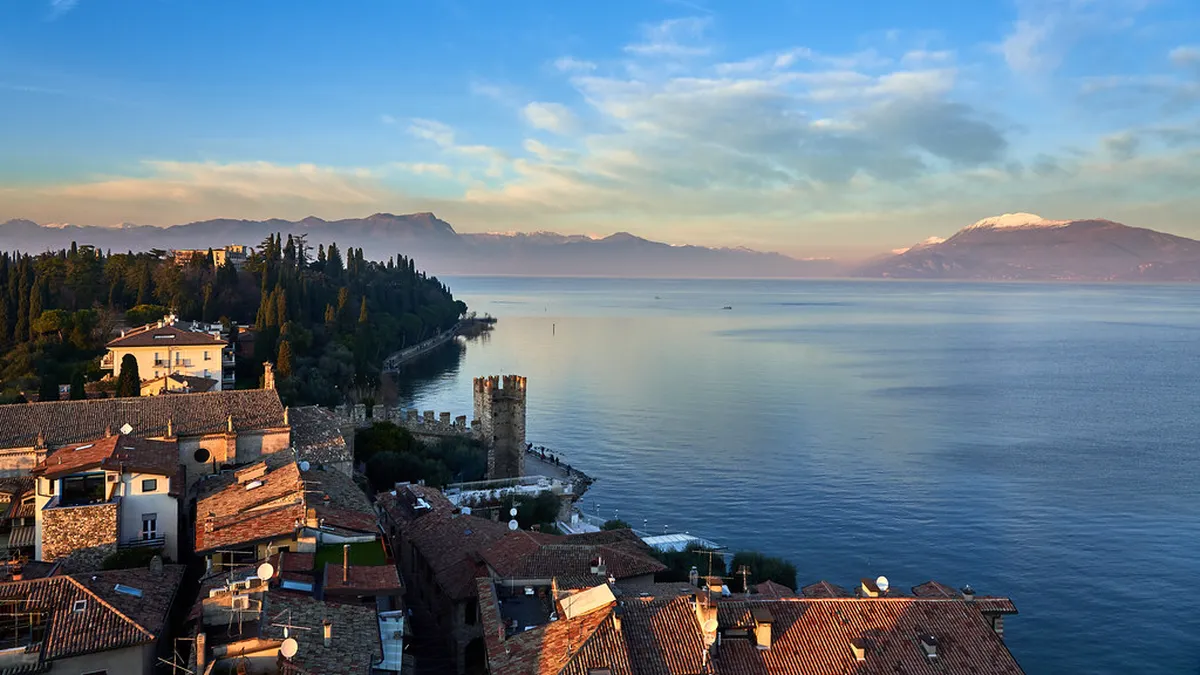
Sirmione rewards visitors who arrive prepared. The peninsula has quirks — a restricted traffic zone with real fines, slippery lakeside rocks, a cash floor at many cafes — that no travel brochure mentions. This guide covers the concrete, decision-ready information you need before you go. For a full day-by-day plan, see our Sirmione itinerary.
The ZTL Zone: Avoid an €80–170 Fine
Turn this guide into a personal route with our free Sirmione itinerary planner.
The ZTL (Zona a Traffico Limitato) is the single most important thing to understand before driving to Sirmione. The entire historic center — everything past the Scaliger Castle gate — is closed to private vehicles except for guests staying at hotels inside the zone. Cameras read every plate. Fines range from €80 to €170, and Italian municipalities routinely send them to foreign addresses via rental car companies.
If your hotel is inside the ZTL, the permit workflow is: (1) book your hotel, (2) email reception at least 48 hours before arrival with your plate number, (3) the hotel contacts the municipality to whitelist your plate for a specific entry window, usually a two-hour slot. Do not assume the hotel does this automatically — confirm in writing. For day visitors, park in the Lugana or Colombare lots just outside the gate and walk in. Expect to pay €2–3 per hour or €20–25 for a full day. For the official permit rules, consult the Sirmione municipality ZTL page.
One practical detail most visitors miss: the ZTL cameras are active 24 hours a day, year-round, not just during tourist season. If you are dropping luggage for a hotel inside the zone and then moving the car to a public lot, do that in a single pass — do not re-enter for a second trip without a valid whitelist window.
When to Visit: Shoulder Season Beats August
The best months to visit Sirmione in 2026 are May, June, and September. Temperatures sit at 20–27°C, the lake is calm enough for swimming, and the historic center is navigable on foot without queuing 40 minutes for gelato. April and October work well too if you are focused on the ruins and castle rather than beach days.
August is the worst month for crowds. Italian domestic tourism peaks in the first two weeks of August, filling every parking lot by 09:00 and pushing restaurant waits past an hour. Prices for accommodation jump 30–50% compared to June. If August is your only option, arrive before 08:30 or after 17:00 when day-trippers have cleared. Check the Sirmione climate data for month-by-month rainfall averages before you book.
Christmas and New Year bring a quieter, atmospheric version of Sirmione — thermal baths are still open, the castle lights up, and hotel rates drop significantly. Lake swimming is not possible, but the ruins and walking tour are more enjoyable without crowds.
What to Pack for Sirmione
Bring swimwear even if swimming is not your main goal. The thermal spa pools require it, and Jamaica Beach near the Grotte di Catullo is one of the nicest free spots on Lake Garda. A compact beach towel saves you the €5–8 rental fee at the lido.
Pack shoes with grip. The lakeside rocks around the Grotte di Catullo and the old town's cobblestones get wet and slippery, especially after rain or morning condensation. Flip-flops are fine for the beach but inadequate for a two-hour walk around the peninsula. Light trail shoes or rubber-soled sandals are the right call. This is a genuinely under-discussed issue — each summer dozens of visitors turn ankles on the path between the castle and the ruins.
Sunscreen and a refillable water bottle are essentials. Tap water throughout Sirmione is safe to drink and often chilled from Lake Garda aquifers. Refill at any bar or public fountain rather than buying plastic bottles. A light layer for evenings is useful from April through June and again in September, when temperatures drop to 14–16°C after dark.
Money: Cards, Cash, and Tipping
Credit and debit cards are widely accepted in Sirmione — hotels, restaurants, the thermal spa, and most shops take Visa and Mastercard without issue. American Express is hit-or-miss. However, many small cafes and gelaterias have an informal cash floor of around €10. If you order a €3 espresso and an €1.50 water, expect a polite request for cash. Keep €30–50 on you at all times.
There are two ATMs in the historic center: one near Piazza Castello and one on Via Vittorio Emanuele. Both charge standard international withdrawal fees (typically €3–5 per transaction from a foreign card). Withdraw a useful amount in one go rather than making multiple small withdrawals. The post office near the castle also has a Postamat machine that tends to have lower daily limits but no foreign surcharge for cards on the Maestro network.
Tipping is not mandatory in Italy but appreciated. The standard approach is to round up or leave 5–10% at a sit-down restaurant where you received table service. At bars and gelaterias, leaving the small coins from your change is enough. Do not tip on top of a coperto (cover charge) — that fee already accounts for table service. If the bill includes servizio incluso, no additional tip is expected.
Local Etiquette and Rules
Do not drink from or splash in the decorative fountains in the historic center. Several carry fines of €25–50 under Lake Garda's environmental protection ordinances. The water in some ornamental features flows from the thermal spring system, and contamination from sunscreen or food affects the mineral balance. Use drinking fountains (marked with a tap symbol) for refilling bottles — these are free and plentiful.
Chiesa di Santa Maria Maggiore and the small chapel near the castle gate require covered shoulders and knees. A scarf or light jacket tied around the waist handles this quickly. Photography is generally permitted inside churches but flash is not — and in practice many visitors ignore this rule and disrupt services. Be the exception.
Keep noise levels down in the residential streets between 13:00 and 15:30 (the Italian riposo period) and after 22:00. Sirmione has a permanent population of around 8,000 people living alongside the tourist infrastructure. Loud groups in narrow streets at midnight cause real friction with locals and can attract police attention. Our Sirmione walking tour route threads through the quieter residential lanes — respect them.
Pharmacy Hours and Emergency Contacts
The main pharmacy (Farmacia Sirmione) is on Via Emilio Sanzio, open Monday to Friday 08:30–12:30 and 15:30–19:30, Saturday mornings only. Outside those hours, a rotating on-call pharmacy covers the area — a list is posted on the pharmacy door. For minor issues like sunburn cream, insect repellent, or blister pads, the pharmacy is stocked but can sell out of popular items in August. Stock up the night before a long walk day.
Emergency numbers: 112 is the single European emergency number and connects to police, ambulance, or fire brigade in Italy. English-speaking operators are available. The nearest hospital with a full emergency department is Ospedale di Desenzano del Garda, approximately 10 km away. The drive takes 15–20 minutes outside peak traffic. For non-urgent medical care, the Guardia Medica (after-hours GP service) at Desenzano is reachable by calling 116 117.
Getting There and Around
Verona Villafranca (VRN) is the closest airport, about 35 km away. A taxi runs €60–80; a combination of shuttle bus to Verona Porta Nuova station and then a regional train to Desenzano costs under €15. From Desenzano, local buses to Sirmione run every 20–30 minutes for about €2. Milan Bergamo (BGY) and Milan Malpensa (MXP) are viable alternatives — allow 90–120 minutes total. Full directions are in our how to reach Sirmione guide.
Inside Sirmione, you walk. The historic center is fully pedestrianized and takes about 25 minutes to cross end-to-end at a leisurely pace. Electric golf carts operate on fixed routes for visitors with mobility needs — ask at any hotel or at the tourist office near the castle. Bicycles are not permitted inside the ZTL. For boat access from other lake towns, ferries connect Desenzano, Peschiera, and Gardone to Sirmione year-round. A Sirmione boat tour from the peninsula itself offers a scenic way to see the castle from the water.
Attractions and Entry Costs
The Scaliger Castle costs €6–8 per adult in 2026 and is worth every euro for the rooftop views over the lake. The Grotte di Catullo Roman ruins at the tip of the peninsula charge €10–12, which includes the small site museum. Both require timed entry during August and major Italian holiday weeks — book online 24–48 hours ahead. Check the official Sirmione tourism portal for current hours.
The Aquaria Thermal Spa day pass runs €45–60 depending on season and whether you add the outdoor lake-view pool section. Book weekday sessions over weekends when possible — the pools are noticeably less crowded Tuesday through Thursday. Read our full Sirmione thermal baths guide for package breakdowns. Jamaica Beach, the public beach near the ruins, is free. Bring water shoes — the entry is flat rock, not sand.
For dining, a trattoria lunch runs €15–25 per person; dinner at a mid-range restaurant is €30–45. The best Sirmione restaurants for local fish are clustered along Via Piana and near the marina — see our Sirmione restaurant guide for specific picks. Gelato on the main drag costs €2.50–3.50 for two scoops. The best gelato in Sirmione is one street back from the tourist strip, where local shops keep longer hours and lower prices.
Frequently Asked Questions
Is Sirmione worth visiting for a day trip in 2026?
Absolutely, Sirmione is perfect for a day trip in 2026. You can explore the castle and Roman ruins. Enjoy lunch and thermal baths. A full day allows you to see the main highlights. Consider an itinerary for first-timers to maximize your visit.
How much does it cost to visit Sirmione on a budget?
Visiting Sirmione on a budget is very possible. Expect to spend around €50-€70 per day. This includes public transport, food, and one main attraction. Accommodation can raise this significantly. Our Sirmione budget travel guide offers more specific tips. Look for free walking opportunities.
What are the best ways to get around Sirmione island?
The best way to get around Sirmione's historic center is on foot. The area is largely pedestrianized and very walkable. For reaching the thermal baths or Grotte di Catullo, electric golf carts operate. They offer convenient rides. Explore Sirmione by walking for a true experience.
Can you swim in Lake Garda near Sirmione in 2026?
Yes, you can absolutely swim in Lake Garda near Sirmione in 2026. Numerous public beaches offer safe access. Jamaica Beach, near the Grotte di Catullo, is very popular. The water is generally clean and refreshing. Remember to bring your swimsuit.
Sirmione rewards preparation. Nail the ZTL permit, visit in shoulder season, pack grippy shoes and a swimsuit, keep €30–50 cash on hand, and you will sidestep the frustrations that catch first-timers off guard. For a complete day-by-day plan, our Sirmione itinerary builds on everything covered here.
Key Takeaways
- Register your plate with your hotel at least 48 hours before arrival to avoid a €80–170 ZTL fine.
- Visit in May, June, or September — August crowds and prices make the experience significantly worse.
- Wear grippy shoes on the rocky lakeside paths; flip-flops cause ankle injuries on the wet cobblestones.
- Cards are widely accepted but keep €30–50 cash for small purchases with a €10 informal floor.
- Emergency: dial 112. Nearest full hospital is Ospedale di Desenzano del Garda, 15–20 minutes away.
- Book the Scaliger Castle and Grotte di Catullo online during August and Italian public holidays.