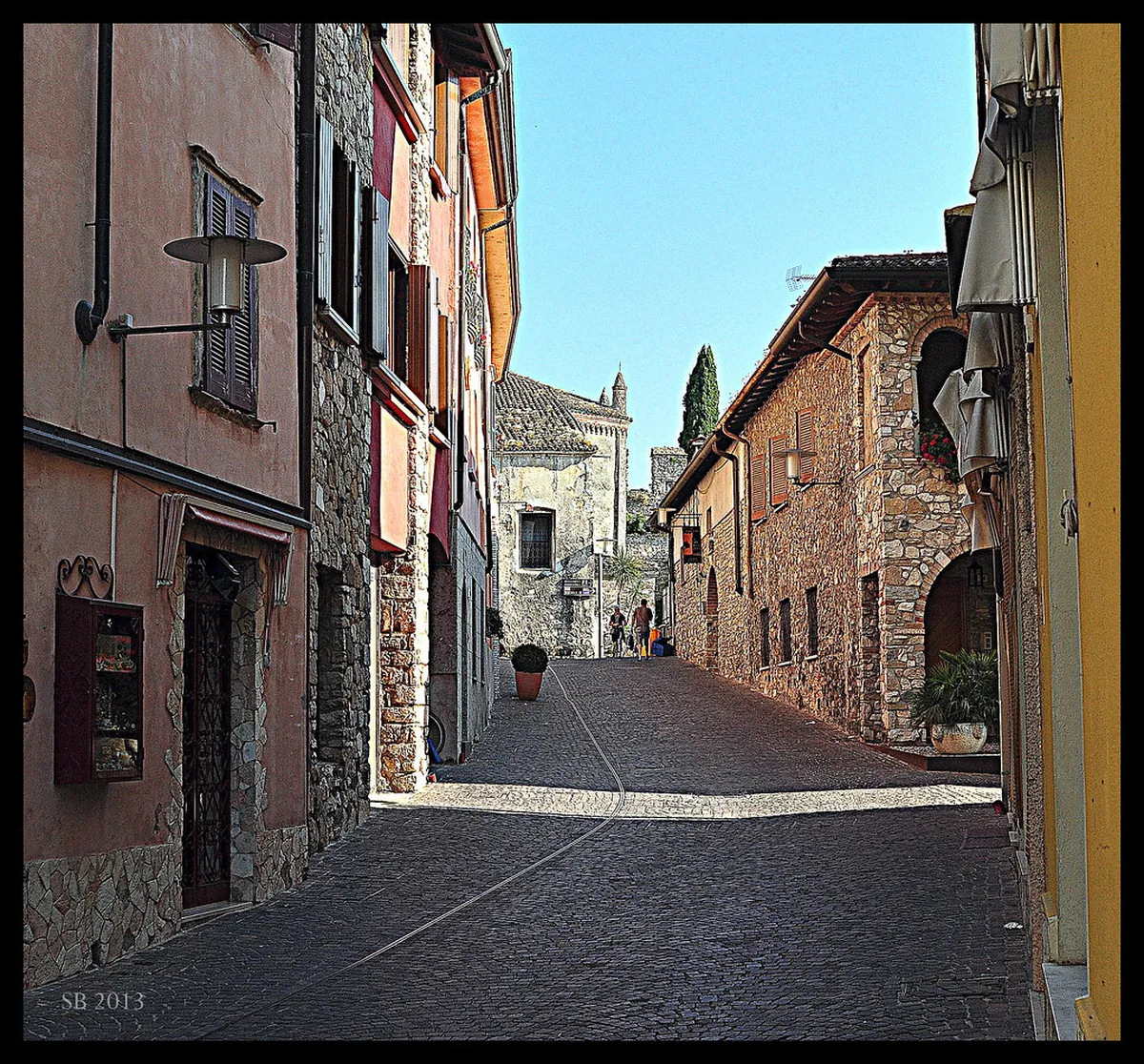
Sirmione rewards slow exploration. Its medieval streets, thermal pools, and Lake Garda shoreline make for a full day — and a gelato cone is the natural companion to all of it. This guide covers the specific shops worth your euros in 2026, the flavours that are unique to this peninsula, what a small cup actually costs, and when to visit before the shutters go down for winter. Plan your full visit alongside our Sirmione itinerary for context on where these shops sit in the town.
Why Lemon Gelato Hits Differently in Sirmione
Turn this guide into a personal route with our free Sirmione itinerary planner.
Most gelato guides treat lemon as a default sorbetto flavour. In Sirmione it deserves a separate conversation. The southern tip of Lake Garda sits in one of the northernmost lemon-growing microclimates in Europe. The combination of alpine air funnelling down the lake and the thermal mass of the water keeps winters mild enough for citrus trees to thrive. The local lemons — sometimes labelled limone di Sirmione or limone di Garda — are thin-skinned, intensely aromatic, and lower in acidity than most commercial varieties.
Gelaterias that source these lemons produce a sorbetto that is floral and sharp at the same time. The colour is pale, almost ivory — nothing like the lurid yellow of an industrially flavoured sorbetto. When you are choosing between shops, asking whether they use local Garda lemons is a reliable quality filter. The ones that do will usually say so on the sign or the chalkboard. If a scoop of limone costs the same €3–4 as everything else on the menu, the shop is not cutting corners on the fruit.
First-timers visiting Sirmione sometimes skip the lemon in favour of chocolate or stracciatella out of habit. Try it here even if you normally would not. It is the flavour most specific to this place.
The Named Gelaterie Worth Seeking Out
Gelateria Italia is the reference point for old-town Sirmione gelato. It sits on Via Vittorio Emanuele, the main pedestrian street that runs from the castle gate toward the thermal baths. The shop has been trading under different ownership arrangements for decades and the current iteration keeps the quality consistent. Order the limone or the stracciatella — both are benchmarks. The pistachio is made with Bronte pistachios from Sicily and carries that slightly savoury, roasted quality that distinguishes real pistachio gelato from green-coloured filler. Expect to pay €3.50 for a small cup in 2026.
Gelateria Cinque Stelle (Five Stars) is the other name that comes up repeatedly among visitors who have done more than one trip to Sirmione. The flavour range is wider than at Italia, and the shop tends to rotate seasonal options more aggressively. In summer 2026 look for peach with Lake Garda almond and a lavarello-inspired flavour — lavarello is a freshwater whitefish native to Lake Garda, and a handful of local producers have started playing with its delicate, slightly buttery character in savoury-sweet food experiments. The gelato version pairs the fish's subtle umami with lemon zest and white chocolate. It sounds strange. It works. Even if you do not order it, the fact that the shop offers it tells you something about how seriously they approach local ingredients.
Gelateria Artigianale Mancini is positioned near the Scaliger Castle entrance and suits the timing of a post-castle stop. Their fruit sorbettos are made daily and change with the market supply. The strawberry in May and June is particularly good. A stop here pairs naturally with a visit to Sirmione castle — both are on the same stretch of the waterfront approach.
Gelateria Cino operates on one of the narrower side streets in the historic centre. It draws a loyal local following partly because it avoids the more theatrical presentation of the tourist-facing shops. The nocciola (hazelnut) is rich and dense. The dark chocolate has a slight bitterness that keeps it from being cloying. Neither is flashy. Both are very good.
Opening Months and Seasonal Hours
This matters more in Sirmione than in most Italian towns. The peninsula is heavily seasonal. The majority of the gelaterias listed above are open from roughly late March or early April through the end of October. Most close entirely from November through February. A handful stay open through November if the weather stays mild and day-trippers from Brescia and Verona keep coming on weekends, but by December the town is quiet and the shutters are down.
In peak season (June through August) shops typically open by 10:00 and run until 22:00 or 23:00. In the shoulder months of April, May, September, and October expect later openings (11:00–12:00) and earlier closes (20:00–21:00). None of the artisan shops in the old town keep fixed hours in writing — they adjust to the day's foot traffic. If you are visiting in October, do not plan your gelato around a specific closing time. Go earlier in the afternoon rather than after dinner.
The area around the Sirmione walking tour route passes several of these shops, which makes it easy to combine sightseeing with tasting without backtracking.
What Gelato Costs in Sirmione in 2026
A piccolo (small cup or cone, one scoop) runs €2.50–€3.00 at most shops. A medio with two scoops is €3.50–€4.50. A grande or a waffle cone with three scoops sits at €5.00–€5.50. Prices at the shops directly on the lakefront promenade skew slightly higher — budget an extra €0.50 for the view tax. Shops one street back from the main drag tend to be priced the same as inland Italian towns.
Cones and cups cost the same at every shop we checked. The waffle cone upgrade is worth it if the cone itself is freshly baked on premises — you can usually smell it from the street. Avoid shops where the cones are wrapped individually in plastic; that is a reliable indicator of industrial supply chains and often correlates with the gelato quality as well.
Cash is still preferred at many artisan gelaterias in Sirmione, though card payments are more commonly accepted in 2026 than they were three years ago. Carry a few euros. More practical planning details are in our Sirmione practical travel tips.
How to Read Quality at a Glance
The colour test is the fastest check. Natural pistachio gelato is dull olive-grey-green. Bright green means artificial colouring. Natural nocciola is a pale warm brown. Strawberry sorbetto made from real fruit is a muted rose, not fluorescent pink. If the colours in the display case look like they belong on a carnival ride, keep walking — authentic artisanal gelato follows strict Italian standards.
The pile height tells you about air content. Authentic gelato is stored flat in metal pans, level with the rim or just below it. Gelato that is mounded high above the counter has had air whipped into it — it looks generous but you are getting less actual flavour per gram. The shops in Sirmione worth visiting all keep their gelato in covered pans or flat in the counter. You usually see the staff scoop from below rather than pile it up.
A final check: ask for a piccolo assaggio (small taste) before committing to a flavour. Every reputable gelateria in Italy will give you one. If a shop declines, that is itself information. Budget travellers can use this tactic to work through three or four flavours before paying for anything, which is entirely normal and not rude.
Flavours Worth Ordering by Name
Limone di Garda is the non-negotiable. Order it at whichever shop you end up in. If it tastes flat or too sweet, the shop is not using local fruit and you now have grounds for comparison on your next visit.
Stracciatella is the milk-and-dark-chocolate-chip classic that Sirmione's shops do well across the board. It is the safe second scoop to pair with something more unusual. Pistachio (pistacchio) is the other benchmark — look for the dull green colour as a quality marker and expect a slightly savoury finish if it is made from Bronte nuts.
Fior di latte is plain sweet cream gelato made from high-quality milk. It sounds boring and is usually not. At shops like Gelateria Italia it doubles as a palate reset between stronger flavours. If a shop's fior di latte is excellent, everything else on the menu is probably excellent too.
The lavarello flavour at Cinque Stelle is a curiosity and a conversation starter. It is not for everyone. But ordering it and then explaining it to whoever you are with is a genuinely interesting five minutes, which counts for something in a town you are visiting once. Discover other reasons Sirmione surprises visitors in our guide for first-timers.
Frequently Asked Questions
What are typical Sirmione gelato prices?
Gelato prices in Sirmione in 2026 run €2.50–€3.00 for a small one-scoop cup, €3.50–€4.50 for a medium two-scoop portion, and €5.00–€5.50 for a large or waffle cone with three scoops. Lakefront shops charge roughly €0.50 more than those a street back. Cash is preferred at most artisan gelaterias, though cards are increasingly accepted. More budgeting detail is in our Sirmione budget travel guide.
Are there vegan or dairy-free gelato options in Sirmione?
Yes, many Sirmione gelato spots offer vegan options. Fruit sorbettos — especially the limone di Garda — are naturally dairy-free and are among the best things to order here regardless of diet. Some gelaterias also stock plant-based creamy flavours using almond or oat milk. Always ask staff about allergen information before ordering. You will find dairy-free options at all of the named shops in this guide.
What is the best time of day to enjoy gelato in Sirmione?
Late afternoon (around 16:00–18:00) is the sweet spot. The day-trippers who arrived in the morning have thinned out, queues at the popular shops are shorter, and the light on Lake Garda at that hour is worth lingering over. Evening after dinner is the busiest period — Gelateria Italia and Cinque Stelle in particular see long queues after 20:00 in peak summer. If you want to avoid waiting, go mid-afternoon. You can plan the timing around your sightseeing with a Sirmione day trip itinerary.
Sirmione's gelato scene is small enough to cover thoroughly in a single afternoon. Start at Gelateria Italia or Cinque Stelle on Via Vittorio Emanuele, use limone di Garda and pistachio as your quality benchmarks, and pay attention to colour and pile height as you walk past other shops. Most of what makes the gelato here special is the local lemon, and most of what makes the experience worthwhile is eating it while looking at the lake. Both are easy to arrange. Plan your full Sirmione visit around them.
Key Takeaways
- Gelateria Italia and Gelateria Cinque Stelle on Via Vittorio Emanuele are the two named shops with the strongest reputations in 2026.
- Limone di Garda is the signature flavour — the local microclimate produces lemons that make the sorbetto here noticeably different from anywhere else.
- Most artisan gelaterias in Sirmione close from November through February; shoulder-season hours are shorter than summer hours.
- A small cup costs €2.50–€3.50; pale natural colours and flat-pan storage are the two fastest quality indicators.