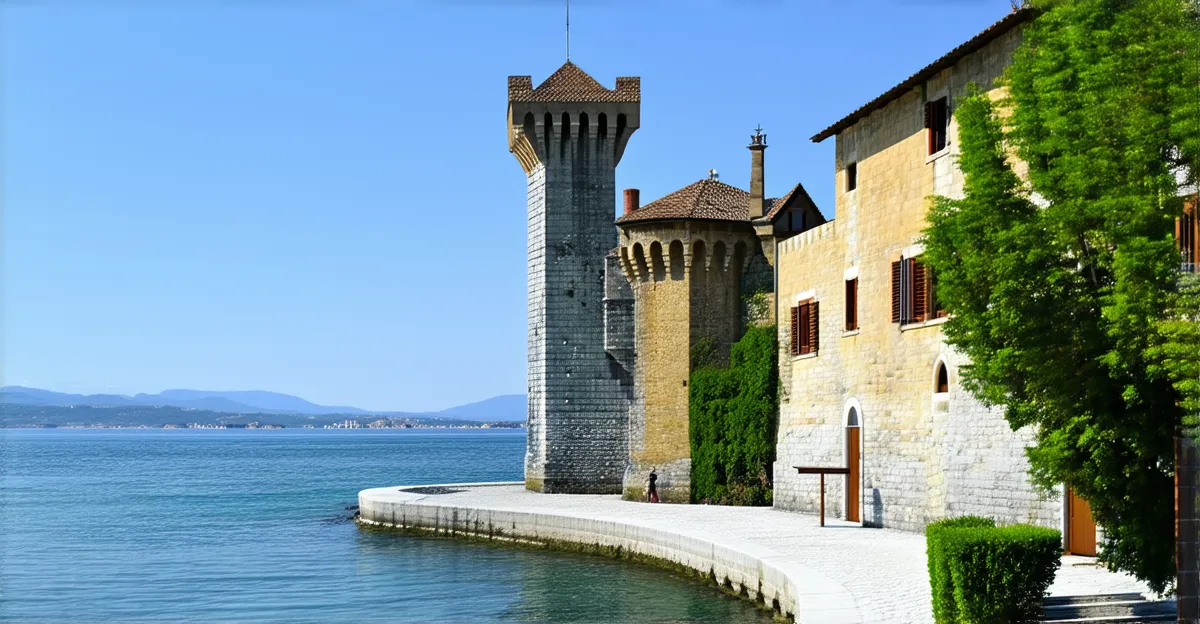
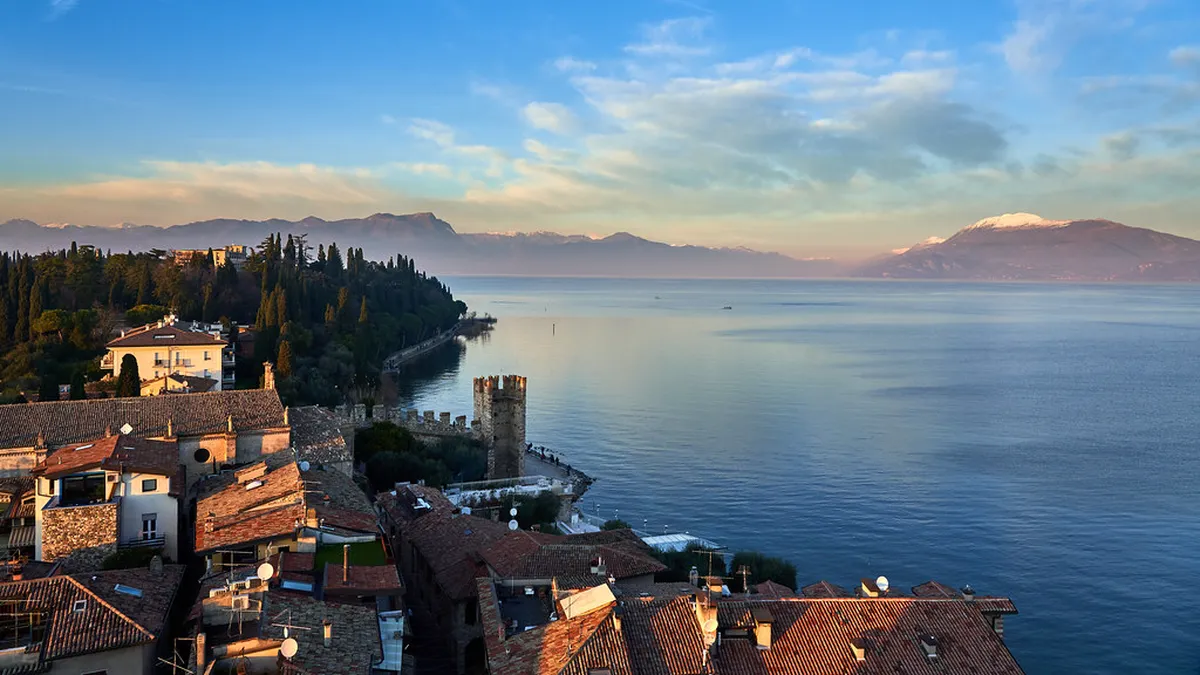
Sirmione, a charming town on the southern shore of Lake Garda, Italy, is known for its stunning landscapes, historical significance, and relaxing atmosphere. This Sirmione itinerary will help you explore its must-visit attractions, including the ancient Roman ruins, medieval castle, thermal spa, and captivating lakeside views. For official tourism resources, consult the official Sirmione tourism board. As a destination that combines culture, history, and natural beauty, a well-planned itinerary ensures you capture the essence of Sirmione's charm. Most visitors come for a day trip or two-night stay — this guide covers both options. Design your dream vacation using our Taormina itinerary.
Key Takeaways
Turn this guide into a personal route with our free sirmione itinerary itinerary planner.
- Sirmione sits on a narrow peninsula in Lake Garda — nearly the entire old town is pedestrian-only, and most major sights are within 20 minutes on foot.
- Scaliger Castle (Castello Scaligero) is the gateway to the old town. Tickets cost €6 adults (2026 rate) and the tower view is worth every cent.
- The Grotte di Catullo Roman ruins at the northern tip of the peninsula are the most dramatic ancient site on Lake Garda. Plan 1.5–2 hours.
- Aquaria Thermal SPA is a unique draw — natural thermal waters at 37°C, bookable in 2-hour slots. Reserve at least a week ahead in summer.
- The ZTL traffic restriction at the town entrance catches many first-timers with large fines. Park outside and walk or take the shuttle — details in the travel tips section below.
- Spring (April–June) and early autumn (September–October) offer the best balance of weather and manageable crowds.
Sirmione made easy: guides & tips
- How Many Days Do You Need to See Rome? - Master your travel plans
- Verona Itinerary: Unforgettable Adventures in 2026 - See it all with our guide
- Brescia Itinerary: Discover Italy's Hidden Gem in 2026 - Explore with confidence
How to Get to Sirmione
Sirmione sits on a narrow peninsula jutting into the southern end of Lake Garda, about 30 km east of Brescia and 35 km west of Verona. Getting there is straightforward from Milan, Venice, or any major northern Italian city, but the last few kilometres require a bit of planning.
By train, the closest mainline stations are Desenzano del Garda–Sirmione (8 km away) and Peschiera del Garda (10 km away), both served by fast Trenitalia trains from Milan Centrale (40–50 minutes, from €9) and from Verona (15–20 minutes, from €4.50). From Desenzano station, SIA bus line 62 runs roughly every 30–40 minutes directly to Sirmione and takes about 20 minutes (€2.50). Taxis from Desenzano cost around €20–25.
By car, the A4 autostrada (Milan–Venice) has a Sirmione exit. However, do not drive into the old town. The entire historic centre is a Zona a Traffico Limitato (ZTL) — see the travel tips section below before you drive through that gate. Ferries connect Sirmione to Desenzano del Garda, Bardolino, and Garda year-round. The 25-minute crossing from Desenzano costs around €7 and is one of the most pleasant ways to arrive.
Practical note: If you are combining Sirmione with Verona (a very common pairing), the most efficient route is Verona → Sirmione by bus (Flixbus or APAM, 45 minutes, from €4), then onward to Milan or back to Verona by train from Desenzano.
Day 1 Morning: Scaliger Castle and the Old Town
Begin your Sirmione itinerary at the iconic Scaliger Castle (Castello Scaligero), the medieval fortress that guards the entrance to the old town. Built by the della Scala family in the 13th century, it is one of the best-preserved lakeside fortifications in northern Italy. Walk across the drawbridge, explore the interior courtyard, and climb the tower — the panoramic view of the lake and the terracotta rooftops below is the defining image of Sirmione. Arrive before 10:00 to beat the tour groups. Tickets are €6 for adults, reduced rates for EU citizens under 25. The castle opens Tuesday–Sunday 08:30–19:30 (shorter hours in winter).
From the castle gate, the old town unfolds along a single main street, Via Vittorio Emanuele. The street is lined with gelato shops, boutiques selling lemon goods, and small trattorias. Resist the temptation to stop immediately — save dining for after the ruins. Make a left at Piazza Carducci, the small main square, where locals gather for morning coffee. From the square, the peninsula narrows toward the ruins.
While walking north, look for the Church of Santa Maria Maggiore on your right — a 15th-century church with frescoed interior and a carved wooden ceiling. Entry is free. It takes only 15 minutes to see but it is one of the few genuinely uncrowded spots in summer.
Pro Tip: Try the local gelato as you stroll through Sirmione — the lemon flavour uses Lake Garda lemons and is noticeably different from standard Italian gelato. Design your dream vacation using our Naples itinerary.
| Time | Activity | Notes |
|---|---|---|
| 08:30 – 10:00 | Scaliger Castle | First entry, fewest crowds; €6 adult ticket |
| 10:00 – 10:30 | Walk Via Vittorio Emanuele + Piazza Carducci | Window shop, morning coffee |
| 10:30 – 10:45 | Church of Santa Maria Maggiore | Free entry; frescoes worth a pause |
| 10:45 – 12:30 | Grotte di Catullo | Allow 1.5–2 hours; bring water |
| 12:30 – 14:00 | Lunch at a lakeside trattoria | Try risotto alla pescatora or grilled trout |
Discover Historical Gems: Grotte di Catullo
No Sirmione itinerary is complete without time at the Grotte di Catullo, the largest Roman villa remains in northern Italy. The site occupies the entire northern tip of the peninsula — a dramatic headland where the ruins seem to grow out of the olive-covered hillside. Despite the name ("Grotto of Catullus"), these are surface ruins, not caves; see the Wikipedia article on Grottoes of Catullus for deeper historical context. The nickname comes from the Roman poet Catullus, who is believed to have owned a villa here in the 1st century BC, though historians debate whether this specific ruin was his.
The site covers roughly 2 hectares and includes massive vaulted corridors, mosaic floor fragments, bath complexes, and terraced gardens. The on-site museum (Museo Grotte di Catullo) displays recovered mosaics, pottery shards, and household objects from the excavation — well worth the extra 20 minutes. Opening hours are 08:30–19:30 Tuesday–Sunday in summer (reduced in winter; closed Monday). Tickets are €8 for adults, with reduced pricing for EU citizens 18–25 and free entry for EU citizens under 18. Guided tours can be booked at the entrance for an additional €5 and are available in English, Italian, and German.
Pro Tip: Walk all the way to the far northern edge of the ruins for the best unobstructed lake view — most visitors turn back before reaching it. You can see both sides of the peninsula from that point.
Accessibility at the Grotte di Catullo is limited. The terrain is uneven and many sections require climbing on rough stone surfaces. Visitors with mobility challenges can access the museum and lower gardens, but the upper ruins are not wheelchair-friendly. Wear flat, closed-toe shoes regardless of season — the paths are rocky year-round.
To enrich your knowledge about the site, consider booking a guided tour. Knowledgeable guides can share the stories behind each structure that you would easily miss exploring solo. If time allows, the late-afternoon golden light transforms the ruins into something spectacular for photography — plan a second visit or linger after the crowds thin around 17:00.
Must-read guides for your Sirmione journey
- How Many Days Do I Need to Visit Rome? - Explore with confidence
- Como Itinerary: Explore the Best of Como in 2026 - Structure your adventure
- Rome Itinerary 5 Days: Your Ultimate Guide - Design your dream vacation
Aquaria Thermal SPA: Sirmione's Unique Attraction
One thing that sets Sirmione apart from every other Lake Garda town is its natural thermal springs. The Boiola spring produces sulphurous water at 69°C, one of the hottest and highest-flow thermal springs in Europe. The Aquaria Thermal SPA (Terme di Sirmione) channels this water into outdoor and indoor thermal pools maintained at a body-temperature 37°C — visit the official Terme di Sirmione site to book in advance. Floating in warm sulphurous water while looking out across Lake Garda is an experience unavailable anywhere else on the lake. This is the single activity that most visitors wish they had booked in advance and did not.
The complex includes multiple outdoor pools, steam rooms, a waterfall shower, and a relaxation garden with direct lake views. The outdoor pool area sits at the edge of the lake, so you can see the water glittering beyond the pool rim as you float. Day entry in 2026 costs €32–42 depending on the time slot (2-hour entry is the standard option; full-day passes run higher). The spa is open daily 09:00–22:00 in peak season, with shorter hours from November through March. Advance booking is essential — summer weekends frequently sell out more than a week ahead. Book directly through the official Terme di Sirmione website. Swimwear, a swimming cap, and flip-flops are required; all are available to rent at the entrance (€5–8 per item).
For those seeking medical thermal treatments rather than leisure bathing, the adjacent Aquaria Medical wing offers inhalation therapy, mud packs, and physiotherapy — these require a doctor's prescription and are typically used by guests staying multiple nights. If you are on a day trip, the leisure pools are entirely sufficient and do not require any medical referral. Children are welcome in the leisure pools but must be accompanied by an adult at all times; the minimum age for entry to steam rooms and whirlpool areas is 14.
One practical note: the sulphurous water has a faint mineral smell that is noticeable but not unpleasant. It dissipates after showering. Leave jewellery and silver accessories at your hotel — sulphur can tarnish silver quickly.
Pro Tip: Book the late-afternoon or early-evening slot (after 17:00). Crowds drop significantly after 16:00, the lake light turns golden, and you avoid the peak midday heat in summer. The lit pool at dusk is atmospheric.
Relax by the Shores: Beaches and Parks
After the ruins and the thermal spa, the beaches provide an entirely different rhythm. Jamaica Beach (Spiaggia Jamaica) is the most iconic swimming spot in Sirmione. It is not a sand beach — the shoreline here is flat limestone rock with natural pools carved by the water. The clarity is exceptional. You can walk along the rocky shelf for 200 metres, finding your own patch of flat stone. Bring water shoes, sunscreen, and something to lie on. There are no beach bars at Jamaica Beach itself, so bring refreshments.
Spiaggia Brema, on the western side of the peninsula, has a small sand and gravel beach with shallow water, making it suitable for children. A beach bar operates here from May through September, renting sun loungers and parasols (around €15 for two loungers and one parasol). This beach is reached via a footpath that branches off from the main promenade — allow 10 minutes on foot from the old town gate.
Pro Tip: Arrive at Jamaica Beach before 10:00 or after 16:00 in July and August. Midday, the flat rocks fill quickly with day-trippers.
For a quieter park experience, the Lungolago promenade on the eastern side of the peninsula runs south from the old town toward the new town area. The walkway passes olive groves, small public gardens, and private jetties. Evening walks here — with the lake turning orange in the sunset and the Dolomite foothills visible on the far shore — are genuinely special. Combine your beach visit with a leisurely park stroll for a full afternoon away from the main tourist drag.
Planning your Sirmione itinerary?
- Rome in 5 Days: Your Ultimate Itinerary - Structure your adventure
- Udine Itinerary: 3 Days of Enchantment - Build your perfect itinerary
- Sorrento Itinerary: 3 Days of Italian Bliss - Design your dream vacation
Culinary Delights: Local Cuisine and Wine Tasting
The food scene in Sirmione skews toward seafood from the lake — luccio (pike), persico (perch), and trota (trout) appear on virtually every menu. Pike is often served in a slow-cooked tomato sauce as luccio in salsa, a dish that dates back centuries to when the lake was the primary protein source for the region. Perch fillets, lightly breaded and fried, appear as a bar snack and a main course. Try them at a trattoria a block or two off Via Vittorio Emanuele, where prices drop noticeably from the tourist-facing lakefront restaurants.
For a proper lunch, order risotto alla pescatora — a creamy rice dish packed with lake fish and a little white wine. Pair it with a glass of Chiaretto, the pale rosé produced from the eastern shores of Lake Garda using Bardolino grapes. Chiaretto di Bardolino DOC is one of Italy's finest rosés and it is rarely found outside this region. Alternatively, try a crisp Lugana DOC white, produced just south of the lake from Trebbiano di Lugana grapes — it has a minerality that pairs well with the delicate flavour of the lake fish.
Pro Tip: Pair your meals with a glass of Garda wine, specifically a Chiaretto rosé or a crisp Lugana Bianco, to enhance your gastronomical experience.
For dinner, look for restaurants serving casonsei — a stuffed pasta typical of the Brescia and Bergamo area, filled with sausage, breadcrumbs, and cheese, typically dressed with sage-brown butter and bacon. It is a heavier dish than the lake fish dishes and best saved for evenings when the cool lake air arrives. Many wineries in the surrounding countryside offer tours and tastings; the Lugana and Bardolino wine routes are within 20 minutes by car and make excellent half-day excursions if your itinerary extends beyond one day.
Must-read guides for your Sirmione journey
- Spoleto Itinerary: 3 Days of Italian Charm - Arrange your visit
- Ravello Itinerary: 3 Days of Coastal Magic - Make the most of your time
- Bolzano (Bozen) Itinerary: 3 Days of Discovery - Arrange your visit
Day Trips from Sirmione
Sirmione's location at the southern end of Lake Garda puts it within easy reach of several excellent day-trip destinations. Verona is the most popular — 35 km east by car or 20 minutes by train from Desenzano, the city centres on the Roman Arena di Verona, the medieval Castelvecchio, and Juliet's House (Casa di Giulietta). An early start from Sirmione allows a full morning and afternoon in Verona before returning for dinner on the lake. Our Verona itinerary covers the city in detail.
Desenzano del Garda (8 km south) is the largest town on the southern lake shore and worth a quick visit for its Roman mosaic museum, lively Saturday market, and the most active nightlife scene on Lake Garda — useful if Sirmione's restaurants feel too expensive. Bardolino, on the eastern shore, is 25 km by ferry and the heart of the Bardolino and Chiaretto wine zone — a full afternoon of winery visits is easy to organise. Gardaland theme park sits 15 km east near Peschiera del Garda and is a practical option if travelling with younger children.
Brescia is worth a half-day if culture is the priority. The city has a UNESCO-listed Roman forum complex, an outstanding National Museum, and a Pinacoteca (art gallery) with Raphael and Titian works. The bus from Sirmione takes about 50 minutes; Brescia's main sights are all within walking distance of the bus station. Our Brescia itinerary has a focused one-day route.
Pro Tip: Lake Garda ferries run from Sirmione to Garda, Bardolino, and Lazise on the eastern shore from April through October. The crossing takes 50–75 minutes, offers spectacular views of the lake's northern mountains, and costs around €12–15 one-way. Buy tickets at the Sirmione ferry dock.
Resources to make your Sirmione trip complete
- Cortina d'Ampezzo Itinerary: Explore 5 Days of Adventure - Schedule your trip
- Assisi Itinerary: Explore in 3 Days - Coordinate your travel plans
- Rome, Florence & Amalfi Coast: 10-Day Itinerary - Explore with confidence
Best Time to Visit: Seasonal Highlights
Spring (April to June) is the best overall time for a Sirmione itinerary. Temperatures climb from 17°C in April to 26°C in June. The lake is calm, boat services are fully operational, and the beaches are uncrowded enough to be genuinely relaxing. May and early June bring the clearest days of the year — the Dolomite foothills to the north are still snow-capped and visible from the Grotte di Catullo headland on clear mornings.
Summer (July and August) is the peak. Temperatures reach 30–33°C, the ferry services run at full frequency, and Lake Garda hosts outdoor music festivals, lakeside cinema events, and a full calendar of village sagre (food festivals). The tradeoff is crowds. The main street through the old town becomes heavily congested after 10:00, and parking outside the ZTL zone fills by 09:30 on weekends. The thermal spa books out weeks in advance. If you must visit in summer, arrive on a Tuesday or Wednesday and get to the castle by 08:30.
Pro Tip: Summer evenings are ideal for enjoying lakefront strolls — the cooler temperatures provide relief from the daytime heat, and the restaurants fill with local Italian families after 20:00.
Autumn (September and October) rivals spring for pleasantness. September averages 24°C, the grape harvest season is underway in the Lugana and Bardolino wine zones, and most tourist infrastructure is still operating. October drops to 18°C — a little cool for the thermal pools but perfect for hiking the hills above the lake. Winter (November to March) is quiet, with some hotels and restaurants closed from January through February. The Christmas market in Sirmione runs through December and the town looks atmospheric in winter light — but check openings in advance as hours vary significantly.
Travel Tips: Getting Around, ZTL Rules, and Costs
Sirmione's old town is almost entirely pedestrian-only. The key practical issue for drivers is the ZTL (Zona a Traffico Limitato) checkpoint at the bridge entrance. Cameras record every vehicle entering. If you drive through without a permit (issued only to residents and registered hotel guests), you will receive a fine of €75–165 delivered to your home address weeks later. This is one of the most common complaints from first-time visitors in 2026. The solution is simple: park at Parcheggio Lugana (free) or Parcheggio Colombare (free), both 1–1.5 km south of the gate, and walk or take the free shuttle bus that runs in summer. Hotel guests staying inside the ZTL receive a temporary permit code — confirm this with your hotel before driving to the gate.
Walking is the primary mode of transport once inside the town. The entire peninsula is 4.5 km long and 600 m at its widest point — all major attractions are within a 25-minute walk of the castle gate. Bicycle rental is available near the bus stop (around €12–15 per day) and is the most efficient way to explore the quieter southern stretches of the peninsula. The main cycle path also extends north along the lake toward Desenzano.
Pro Tip: Use a bicycle rental service to explore the surrounding areas of Lake Garda. There are several bike paths that offer stunning lakeside views and lead to neighboring villages.
Costs in Sirmione
When creating your Sirmione itinerary, budgeting is vital. The overall cost can vary depending on your preferences.
| Expense Type | Estimated Cost (EUR) |
|---|---|
| Scaliger Castle entry | €6 adult / €2 reduced |
| Grotte di Catullo entry | €8 adult / €2 reduced |
| Aquaria Thermal SPA (2-hour slot) | €32–42 |
| Accommodation (per night) | €70–250 |
| Lunch at a trattoria (pasta + drink) | €15–25 per person |
| Dinner at a lakeside restaurant | €35–60 per person |
| Bus from Desenzano station | €2.50 |
| Ferry to Bardolino (one-way) | €12–15 |
Safety Tips for Travelers
Sirmione is a safe, low-crime destination. Standard precautions apply — keep bags zipped in the crowded old town, store valuables in hotel safes. Drinking plenty of water in summer is essential; temperatures on the limestone rocks at Jamaica Beach can exceed 40°C by midday. The sun reflects off the lake surface, so apply SPF 50 even on overcast days. If you are visiting the Grotte di Catullo in peak summer, wear sun-protective clothing — there is almost no shade on the upper ruins.
If you're keen to delve deeper into all that Sirmione has to offer, our 3-Day Sirmione Itinerary provides more insights. Moreover, for those planning an extended visit, our 5-Day Sirmione Itinerary will ensure you don't miss the highlights.
Where to Stay in Sirmione
Accommodation in Sirmione divides into two clear categories: inside the ZTL (old town) and outside (the newer Colombare and Lugana districts to the south). Staying inside the old town puts you within walking distance of the castle, the ruins, and the restaurants, and your hotel arranges a vehicle access permit so you can drive to check in. The tradeoff is price — hotels inside the old town command a significant premium, especially in July and August. Expect to pay €150–300 per night for a mid-range room in peak season.
Staying in Colombare or Lugana, 1–2 km south of the gate, is considerably more affordable (€70–140 per night for similar quality) and the walk into the old town takes 15–20 minutes along a pleasant lakeside path. This area has its own restaurants, a supermarket, and is much quieter at night — the old town restaurants clear out by 22:00 but the Colombare and Lugana strip has a more local character after dinner. For those who want the most scenic and historic option, the thermal spa hotels — Villa Cortine Palace and Grand Hotel Terme — sit within the old town perimeter on their own lakefront gardens and include priority Aquaria access in room rates. These are genuinely exceptional properties but start from €300–500 per night in season; book four to six weeks ahead for summer.
Budget travellers are better served by Desenzano del Garda (8 km south, €60–100 per night for good B&Bs), which has a much wider selection of hostels and guesthouses and fast bus connections to Sirmione every 30–40 minutes. Camping options cluster around the Lugana district, with several campgrounds offering both tent pitches and wooden bungalows with lake views. A tent pitch in Lugana runs €20–35 per night including two people, making it the most affordable way to sleep within reach of Sirmione in summer.
Sirmione essentials: don't miss these!
- Palermo Itinerary: Explore 5 Amazing Days in 2026 - Structure your adventure
- Cremona Itinerary: 5 Days of Culture and History - Master your travel plans
- Rome Itinerary: 3 Days with Kids - Map out your exploration
Explore More Sirmione Guides
Deep-dive guides for every part of a Sirmione trip — from where to stay and what to eat, to thermal baths, boat tours, and the ZTL parking rules that trip up first-timers.
Plan Your Itinerary
- Sirmione Itinerary: 3 Days of Enchantment
- Sirmione Itinerary: 5 Days of Italian Bliss
- Sirmione Itinerary for First-Timers: Your Ultimate 2026 Guide
Top Attractions
- Sirmione Castle Opening Hours 2026: Plan Your Visit
- Grotte Catullo Sirmione Tickets: Your 2026 Buying Guide
- Sirmione Thermal Baths Guide 2026: Relax & Rejuvenate
Activities & Tours
- Sirmione Boat Tours: Top Options for Lake Garda Exploration
- Sirmione Walking Tour Route: Your Ultimate 2026 Guide
- Sirmione Day Trip Ideas 2026: Your Ultimate Guide
Food & Drink
Transport & Practical
- How to Reach Sirmione: Your 2026 Transport Guide
- Sirmione Practical Travel Tips 2026: Your Ultimate Guide
- Sirmione Budget Travel Guide 2026: Save Money in Italy
Where to Stay
Frequently Asked Questions
What is the best time to visit Sirmione?
How many days are enough for Sirmione?
What are must-visit attractions in Sirmione?
How to get around in Sirmione?
Are there day trips worth adding to the itinerary?
Where can I find authentic local experiences in Sirmione?
This Sirmione itinerary is designed to guide you through the town's iconic attractions, historical landmarks, and natural beauty. With the thermal spa, delightful culinary experiences, and plenty of opportunities to relax by the lake, Sirmione promises unforgettable memories. Start planning your Sirmione itinerary today, and immerse yourself in the enchanting charm of this Italian gem!
Tips to enhance your Sirmione experience