Sirmione sits on a narrow peninsula jutting into Lake Garda, and its thermal springs are the main reason millions of visitors make the detour each year. The water rises from the Boiola source at the bottom of the lake at a constant 69°C (156°F) — one of the hottest natural springs in Europe — and carries sulfur, bromine, and iodine that give it genuine therapeutic properties. This guide covers everything you need to plan a 2026 visit: exact prices, opening hours, what to pack, how to get there without a fine, and which facility suits your goal. Pair it with your Sirmione itinerary and read our Sirmione travel tips for the full picture.
The Boiola Spring: Where the Water Comes From
Turn this guide into a personal route with our free Sirmione itinerary planner.
The Boiola spring discharges roughly 6,500 litres of thermal water per minute from the bed of Lake Garda, making Terme di Sirmione one of the largest thermal complexes in northern Italy. The water is naturally hyperthermal, bromine-iodic, and sulfurous — a combination that is rare even by Italian spa standards. It emerges at 69°C, is cooled to bathing temperature, and feeds both the leisure pools at Aquaria and the clinical inhalation cabinets at the medical centres.
The therapeutic benefits are well-documented. Sulfurous water relieves rhinitis, sinusitis, and bronchial irritation. The bromine-iodine content calms the nervous system and supports circulation. Regular immersion in 36–38°C thermal water eases rheumatic and joint pain by reducing inflammation and improving tissue perfusion. Many Italian visitors come specifically on medical referrals, which makes Sirmione unusual compared with purely cosmetic European spa towns. Explore the historical context of the peninsula at the Grotte di Catullo, where Romans first valued this site thousands of years ago.
Aquaria Thermal SPA: Facilities, Pools, and What to Expect
Aquaria Thermal SPA is the leisure and wellness arm of Terme di Sirmione, designed for day visitors who want relaxation rather than medical treatment. It opened in 2003 and has been expanded twice since, now covering roughly 7,000 square metres of water surface. The address is Piazza Don Antonio Piotti 1, directly inside the resort at the end of the Sirmione peninsula, next to the Galeazzi and Continental hotels.
Inside you'll find six thermal pools in total — four outdoor and two indoor — ranging from a 36°C inhalation pool to a cooler 30°C outdoor lake-facing pool with underwater jets. The outdoor infinity-edge pool overlooking Lake Garda is the signature attraction: on clear days you can see the Dolomites on the horizon. There is also a dedicated children's pool (permitted age: 14 and over for the main complex), a VIP thermal suite with private pool and lounge access (book separately, roughly €120–140 per couple), and a rooftop solarium with sun loungers.
Beyond the pools, Aquaria offers a Finnish sauna, bio-sauna, Turkish hammam, and a sensory shower circuit. The Centrotherme beauty area on the lower floor handles massages, wraps, and facials using thermal mud products; treatments start around €60 for a 50-minute session and must be booked in advance. A poolside bistro serves light lunches, salads, and drinks — prices are reasonable given the setting, roughly €12–16 for a main. Locker rooms are large, clean, and well-staffed. The complex also has a Sirmione hotel connection: guests at Terme di Sirmione hotels receive discounted or inclusive Aquaria access, which can represent good value.
Aquaria Prices and Tickets in 2026
Terme di Sirmione publishes tiered pricing based on time of day and day of week. For 2026 the standard day pass (09:00–21:00) costs around €55 on weekdays and €62 on weekends and public holidays. An afternoon pass (from 14:00) runs approximately €45 on weekdays, €52 on weekends. Evening access (from 19:00 until 21:00 or 22:00 depending on season) is around €30–35. Children aged 14–17 receive a €5–8 discount on standard adult fares.
Prices increase by around 10–15% in July and August (high season) and drop slightly in November–February (low season). The official website at termedisirmione.com is always the definitive source — prices have crept up roughly €5 per tier each year since 2022, so budget a small buffer above the figures above. Seasonal multi-entry passes exist for local residents but are rarely useful for tourists.
Booking online is strongly advised. Aquaria limits daily entry to maintain the quality of experience, and weekends from late May through September sell out days in advance. Online booking opens 30 days ahead. You choose a specific entry time slot; late-arriving guests more than 30 minutes past their slot may be turned away if the complex is full. Bring your confirmation QR code — staff scan it at the turnstile. Walk-in tickets are occasionally available mid-week in low season.
Opening Hours: When to Go and When to Avoid
Aquaria is generally open daily from 09:00 to 21:00, with extended hours to 22:00 on Friday and Saturday evenings in summer (June–August). The complex typically closes one day per year for maintenance in January — check the official calendar before booking a January trip. Hours on major Italian public holidays (1 January, 15 August, 25–26 December) are reduced, usually 10:00–19:00.
The best time of day for a relaxed visit is early morning (opening until 11:00) or the final two hours before closing, when the complex thins out. Peak crowds arrive between 12:00 and 16:00, particularly in summer. Midweek visits in May, June, and September offer the best combination of good weather, manageable crowds, and standard (non-peak) pricing. Avoid Italian public holidays entirely if possible — the car parks are full by 09:30 and the pools are at maximum capacity by midday.
Medical Facilities: Catullo Terme and Virgilio
Terme di Sirmione operates two medically-oriented centres alongside Aquaria. These are distinct from the leisure spa and cater to patients seeking accredited thermal therapy, often under Italy's national health service (SSN) or with private insurance.
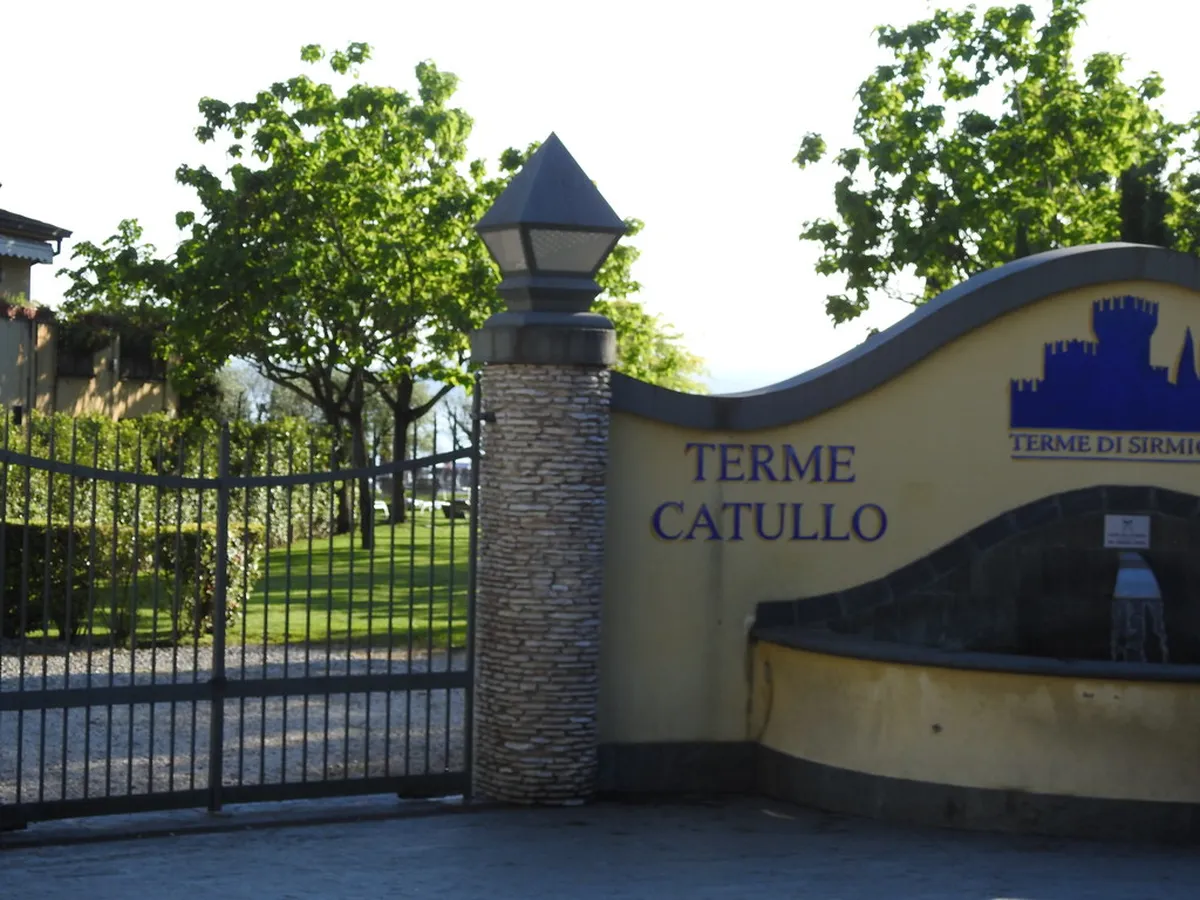
Catullo Terme (Via Catullo 1) focuses on ENT (ear, nose, and throat) conditions. Treatments include aerosol inhalations, nasal irrigation, and laryngeal applications using the Boiola thermal water, all supervised by specialist physicians. A typical inhalation cycle runs 12 consecutive days of 20-minute sessions. Italian citizens with an SSN referral pay a nominal co-payment; international visitors pay full private rates, which vary by treatment type but typically run €15–25 per session.
Virgilio (Via Prati 1) handles a broader range of indications: respiratory rehabilitation, rheumatology, vascular therapy, and dermatology. It has its own hydrokinesitherapy pool for physiotherapy in thermal water and an on-site radiology unit. Both centres require an appointment and, for medical treatments, a physician's prescription. Walk-ins are accepted only for cosmetic procedures. If your interest is medical, contact Terme di Sirmione's booking office directly rather than through third-party platforms. Visit how to reach Sirmione for transport details once you've arranged an appointment.
Getting There Without a ZTL Fine
This is the practical detail that most guides skip, and it costs first-time visitors real money. Sirmione's historic centre — including the peninsula where Aquaria sits — is a ZTL (Zona a Traffico Limitato). Cameras monitor all entry points 24 hours a day, and the fine for unauthorized entry is €80–170. Aquaria guests are not automatically exempt: the exemption applies only to hotel guests who have pre-registered their plate with the hotel.
The correct approach is to park outside the ZTL gate. The main public car park (Parcheggio Colombare, Via Colombare) is well-signposted from the A4 motorway exit at Sirmione/Colombare. It costs €2–3 per hour or around €12–15 for a full day. From there it's a flat 10–12 minute walk through the old town gate to Aquaria's entrance. Alternatively, a small electric shuttle (€1.50 per person) runs from the car park to the gate area in summer. If you're arriving by ferry from Desenzano del Garda or Peschiera del Garda, the ferry dock is a 15-minute walk from Aquaria — this is often the easiest option and avoids parking entirely. Check the first-timers Sirmione itinerary for ferry timing and lake navigation.
What to Bring and Dress Code
A swimming cap is mandatory in all pools at Aquaria — staff are strict about this rule, and the caps sold at the entrance cost €3–4. Bring your own to save money and to ensure a comfortable fit. A second swimsuit is useful if you plan to spend a full day, since pool chemicals and heat degrade fabric faster than normal swimming. Flip-flops or sandals are required in the changing rooms and on the pool deck.
Aquaria provides towels for hire (€5) and robes (€8) at the front desk, or you can bring your own. Essential pack list: swimwear, swim cap, flip-flops, sunscreen (reef-safe formulas are appreciated given the lake environment), water bottle (tap water fountains are available inside), and your booking confirmation. Lockers are coin-operated (€1 coin, returned on exit) and large enough for a daypack. Valuables can be left with reception in an envelope if your locker feels too small. The bistro is card-only as of 2025, so you don't need cash inside.
Planning Your Visit: Timing and Practical Tips
Spring (April–early June) and autumn (September–October) are the optimal seasons. Visit Sirmione for seasonal event calendars and local activity recommendations. Water temperature in the outdoor pools is constant year-round since it comes from a heated spring, so the season affects only the ambient air temperature and crowd levels. October is particularly pleasant: the lake is still warm enough to enjoy, the summer crowds have gone, and afternoon light on the Dolomites makes the outdoor pool views exceptional.
Budget at least four hours, ideally a full day, to make the entrance fee worthwhile. Most visitors cycle through the sauna circuit, outdoor pools, and a meal at the bistro over five to six hours. If you've booked a massage or treatment, factor in an extra hour before your appointment to warm up in the pools — the thermal water primes your muscles for bodywork. Stay hydrated throughout: the pools are warm and the air is humid, and dehydration sets in faster than most guests expect. Drink water every 30–40 minutes and take breaks in the shade. After your spa day, find the best Sirmione restaurants for a lakeside dinner, or walk off the relaxation with a Sirmione walking tour through the old town.
Frequently Asked Questions
How much does it cost to enter Sirmione thermal baths?
In 2026 a standard weekday day pass to Aquaria Thermal SPA costs around €55; weekend day passes are approximately €62. Afternoon passes (from 14:00) run €45–52 depending on the day, and evening passes (from 19:00) cost around €30–35. High-season surcharges apply in July and August. Medical treatments at Catullo Terme or Virgilio are priced separately. Check termedisirmione.com for current rates before booking.
What are the benefits of Sirmione's thermal water?
The Boiola spring produces bromine-iodic, hyperthermal, sulfurous water at 69°C. Immersion helps with respiratory conditions such as sinusitis and bronchitis, relieves rheumatic and joint pain, improves circulation, and benefits certain skin conditions including eczema and psoriasis. The bromine content also has a mild calming effect on the nervous system.
Is booking required for Aquaria Thermal SPA?
Booking is strongly recommended and often essential on weekends from May through September, when the daily capacity limit sells out days in advance. Book through termedisirmione.com up to 30 days before your visit. You receive a QR code for the turnstile. Walk-in entry is sometimes possible midweek in low season. Planning your Sirmione itinerary in advance makes it easier to secure a slot.
Can children enter the Sirmione thermal baths?
Aquaria Thermal SPA admits guests aged 14 and over only. Children aged 14–17 receive a small discount on adult entry fares. The medical facilities (Catullo Terme and Virgilio) are for adults and referred patients; they are not open to leisure visitors. Always confirm age and admission policies directly with Terme di Sirmione before your visit.
Can I drive to Aquaria Thermal SPA?
You cannot drive into the Sirmione ZTL (restricted traffic zone) without prior hotel registration — cameras monitor all entry points 24 hours a day and fines start at €80. Park at Parcheggio Colombare on Via Colombare (€2–3 per hour, €12–15 per day), a 10–12 minute walk from Aquaria's entrance. Arriving by ferry from Desenzano or Peschiera del Garda avoids parking altogether and is often the most convenient option.
What else can I do near the Sirmione thermal baths?
The Scaliger Castle and Grotte di Catullo Roman ruins are both a short walk from Aquaria. Book Grotte di Catullo tickets online and check Sirmione Castle opening hours before you go. A Sirmione boat tour around the peninsula offers the best views of the spa complex from the water.
A visit to Aquaria Thermal SPA rewards planning. Book your time slot early, park outside the ZTL gate, pack a swim cap, and arrive with enough time to cycle through the full sauna and pool circuit. The Boiola spring has been attracting visitors to this peninsula for two millennia — in 2026 it remains one of the most complete thermal spa experiences in Italy. Start planning your Sirmione adventure today.
Key Takeaways
- Aquaria day passes cost approximately €55 (weekday) to €62 (weekend) in 2026; book online at termedisirmione.com.
- Aquaria opens daily 09:00–21:00, with extended hours to 22:00 on summer Friday/Saturday evenings.
- Do not drive into the ZTL: park at Parcheggio Colombare and walk 10–12 minutes, or arrive by ferry.
- Swimming caps are mandatory and sold at the entrance for €3–4; bring your own to save money.
- Catullo Terme (ENT) and Virgilio (rheumatology, respiratory) are the medical facilities; they require a physician's referral and advance appointment.
- Spring and autumn weekday mornings offer the best combination of light crowds, good weather, and standard pricing.