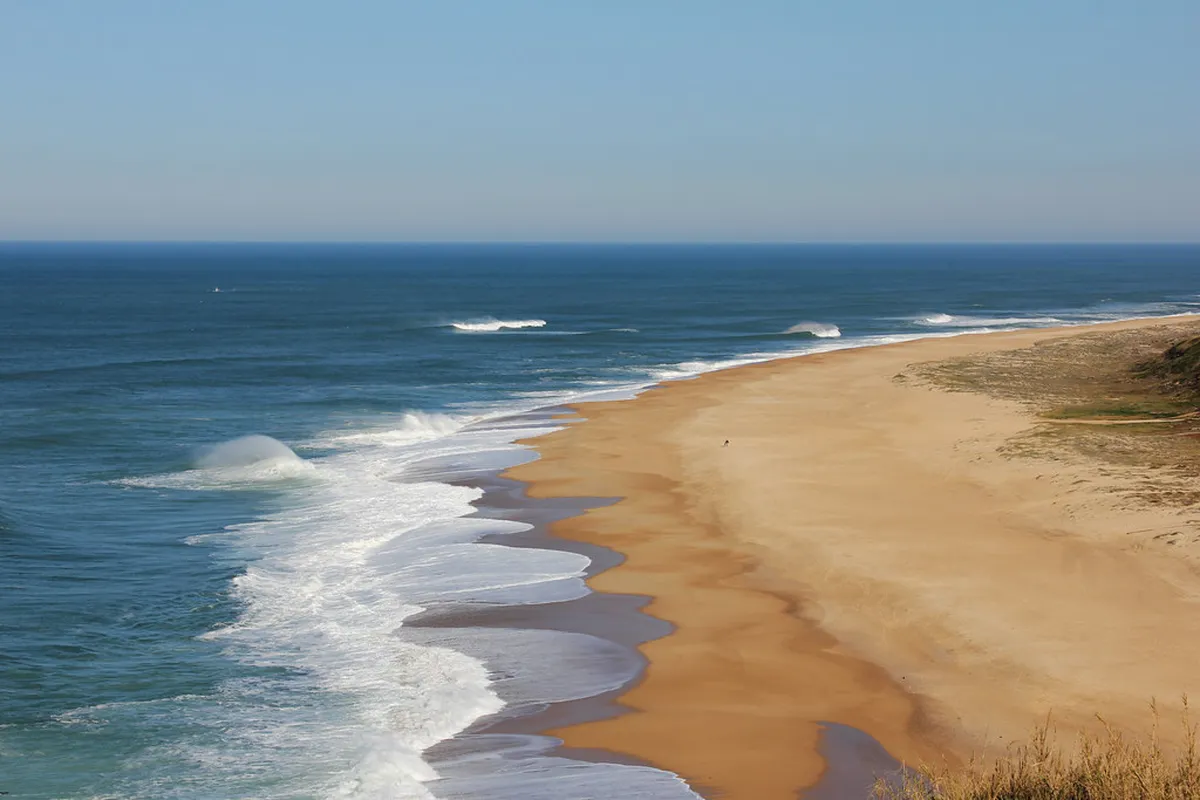
Nazaré has transformed from a quiet fishing village into a global epicenter for extreme sports. Most visitors arrive with one goal: to see the legendary waves at Praia do Norte. This wild stretch of coastline offers a raw look at the power of the Atlantic Ocean.
The town is split into the lower beach area and the high cliffs of the Sítio district. While the main beach is perfect for families, Praia do Norte belongs to the giants. Understanding the geography and timing of this area is essential for a successful trip.
This guide covers everything you need to know about visiting the world's most famous surf spot. From the deep underwater canyon to the historic lighthouse, we explore every corner of the northern sands. Prepare for an unforgettable experience on the rugged Silver Coast of Portugal.
The Big Wave Phenomenon: Why Praia do Norte is World-Famous
Turn this guide into a personal route with our free nazaré itinerary planner.
The massive waves at Praia do Norte are not a random occurrence of nature. An underwater geological feature called the Nazaré Canyon creates these towering walls of water. This deep chasm stretches roughly 170 kilometers and reaches depths of five kilometers before ending abruptly close to the shoreline.
The canyon's orientation is the key detail that most guides overlook. It runs almost perfectly perpendicular to the dominant Atlantic swell direction. When a North Atlantic storm generates a swell, the waves travel along the canyon floor without losing energy. They then collide with a shallow coastal shelf that forces the water violently upward — stacking the wave height to levels impossible on a flat seabed. This refraction and amplification process is why Nazaré produces waves that dwarf any other accessible surf break in the world.
Professional surfer Garrett McNamara first brought international attention to this spot in 2011, surfing a wave then estimated at around 78 feet. Rodrigo Koxa pushed the record further in 2017, riding a verified 24.38-metre wave. Since then, athletes from around the world gather here each winter to compete in WSL Big Wave events. You can learn more about the mechanics of Nazaré big wave surfing to appreciate the scale of this feat.
The energy at the cliffside during a big swell is truly electric and humbling. Spectators line the rocks to watch surfers being towed into liquid mountains by jet skis. It is a spectacle that combines extreme bravery with unique maritime science, and there is nothing comparable anywhere else in Europe.
Big Wave Spotting: Checking Forecasts and Knowing When to Go
This is the practical detail that most beach guides leave out: the giant waves at Praia do Norte do not run on a fixed schedule. Even during the core winter season (October through March), massive surf only appears on specific swell windows — typically when a North Atlantic storm generates sustained winds over a large fetch for several days. Most winter days will show waves of five to ten metres, impressive but not record-level. The 20-plus-metre monsters appear only a handful of times per season.
To check whether conditions will be extraordinary, use Surfline or Windguru in the week before your visit. Search for the Nazaré forecast and look for swell heights above six metres with long periods of 15 to 18 seconds — those are the conditions that produce the headline-grabbing walls of water. The São Miguel Arcanjo Fort also runs a live webcam that you can find through the official Nazaré tourism site, useful for day-of confirmation.
The best viewing position is the rooftop terrace of the fort itself, directly above the impact zone. A secondary option is the dirt path running north from the fort toward the lighthouse tip — this gives a side-on angle that captures the wave's full height. Arrive at least 30 minutes before the swell peak to secure a position on the fort's terrace; on major event days, maritime police restrict access and capacity fills quickly. Binoculars are worth carrying: at standard swell heights, the surfers look tiny against the waves even from the cliff edge.
How to Get to Praia do Norte: Walking, Driving, and Funicular
Getting to the northern beach requires moving from the main town center up to the Sítio district. Most travelers prefer to use the local funicular for a scenic and easy ascent. Operating since 1889, the cable car runs frequently from early morning until late evening, and the ride offers sweeping views of the coastline and the red-tiled roofs of the lower village. Tickets cost around €1.50 each way and are purchased at the lower station.
Once you arrive at the upper station, the walk to the lighthouse takes about fifteen minutes. Exit the funicular and head past the Sanctuary of Our Lady of Nazaré, turning onto the street behind it (Rua do Horizonte leads in the right direction). Signs for the 'Farol' will guide you directly to the cliff edge and the fort. The path passes small vendors selling roasted chestnuts and local crafts — a useful landmark that confirms you are heading the right way.
Driving is an option, but parking can be extremely difficult during the winter surf season. A large unpaved lot sits immediately before the beach near the fort, but it fills rapidly when surf competitions are announced and can hold only a modest number of vehicles. Walking from the Sítio square remains the most reliable way to reach the best viewing spots on busy days.
If you are staying in the lower town, allow at least 30 minutes for the entire journey. The funicular runs frequently throughout the day, but queues grow long on sunny weekends and on days when big swells are forecast. Planning your arrival for early morning — by 08:00 on major event days — helps you beat the crowds and find a prime spot on the fort's terrace.
Best Time to Visit: Big Wave Season vs. Summer Beach Days
Choosing when to visit depends entirely on whether you want to see giant waves or enjoy the sun. The big wave season typically runs from October through March each year. This window provides the best chance of seeing the North Atlantic's full power in action, though peak-level swells remain unpredictable even within this period. The official Portugal tourism site provides updates on seasonal conditions and visitor planning.
Summer months from June to September offer a completely different atmosphere in Nazaré. The waters are much calmer, though Praia do Norte remains too rough for casual swimming even in July. The main town beach, Praia da Nazaré, is perfectly safe for swimming during summer and attracts a lively crowd of Portuguese families and international tourists. You can check a detailed best time to visit Nazaré guide to plan your seasonal activities.
Accommodation rates reflect the split clearly. Mid-range hotels in the lower town average €90–€140 per night in July and August, dropping to €50–€75 in December and January. Shoulder seasons (May–June and September–October) sit around €65–€90 and combine comfortable temperatures with the start of the Atlantic swell season in autumn.
Spring and autumn serve as excellent shoulder seasons for those who prefer milder weather. You might catch a medium-sized swell in October or November while enjoying comfortable temperatures for walking the Sítio streets. These months also see far fewer tourists, making the funicular queues and the fort's terrace much more manageable.
Praia do Norte vs. Praia da Nazaré: Which Beach Is Right for You?
Nazaré has two completely different beach experiences separated by the Sítio headland, and confusing them is one of the most common first-timer mistakes. Praia do Norte sits north of the fort and is strictly a spectator and surf beach. Swimming is never permitted here, regardless of the season or conditions. The shorebreak is violent, the currents are unpredictable, and the beach is unmonitored. Even on calm summer days, the undertow beneath the surface is dangerous for anyone in the water.
Praia da Nazaré, the wide golden beach running south through the lower town, is the opposite. It is sheltered from the worst Atlantic exposure by the Sítio headland, patrolled by lifeguards from June through September, and calm enough for children to wade in summer. The beachfront promenade along Praia da Nazaré is the social heart of the town — lined with restaurants, cafés, and the wooden racks where locals still dry fish in the sun. The beach holds Blue Flag certification, recognizing its water quality and safety standards.
- Praia do Norte: wild, no swimming ever, best October–March for surf spectating, limited shade or facilities, free access
- Praia da Nazaré: family-friendly, lifeguarded in summer, swimming safe June–September, full range of cafés and facilities, central location
If your group includes children or non-swimmers, spend your mornings at Praia da Nazaré and make the trip to Praia do Norte as an afternoon excursion to the fort and viewpoint. If you are visiting in winter specifically for the waves, base yourself in Sítio so the north beach is a ten-minute walk away when a swell is announced.
Exploring the São Miguel Arcanjo Fort and Surfing Museum
The 16th-century São Miguel Arcanjo Fort stands as a silent guardian over the dangerous northern waters. Originally built to protect the coast from pirates, it now serves a much more modern purpose. The structure houses the Surfer Wall, a museum dedicated to big wave legends and the science of the Nazaré Canyon.
Inside the fort, you can view an impressive collection of surfboards donated by world-record holders. Each board tells a story of a specific ride on the massive waves just outside the walls. The museum also features educational displays about the underwater canyon and local maritime history — making it genuinely worth an hour of your time even if surf culture is not your primary interest.
The roof of the fort provides the most iconic viewpoint in all of Nazaré. From here, you are looking directly down onto the impact zone where the waves break. The fort typically charges a small entry fee of around €2–€3 for the museum and terrace access; opening hours are roughly 09:30–17:30 but vary by season, so check locally before making a special trip.
Visiting the lighthouse at the end of the promontory is a highlight for many travelers. The red tower against the blue Atlantic creates a stunning contrast for photography. Be prepared for strong winds and salt spray when standing on the outer terraces, even on days that feel calm in the town center.
Nazaré's Fishing Heritage: The Soul Behind the Surf Town
Long before Garrett McNamara made the cover of international surf magazines, Nazaré was one of Portugal's most important Atlantic fishing communities. The town's identity is still shaped by that heritage in ways that are easy to miss if you spend all your time at the fort. Look for the wooden racks along the beachfront promenade where silver strips of salted fish dry in the sea breeze — this is a tradition that predates the republic and continues into 2026 alongside the cafés and souvenir stalls.
The women of Sítio are well-known for the traditional seven-skirt costume (saia de sete saias), originally practical working dress designed to provide warmth and padding while hauling nets. The layered wool skirts and embroidered aprons were adapted for the harsh Atlantic climate. Today you will see women in full traditional dress at the market near the Sanctuary, selling dried fish, local sweets, and handmade lace. The costume is cultural dress, not tourist performance — it has been worn continuously by Nazaré women for generations.
The Dr. Joaquim Manso Museum in Sítio tells the full story of these fishing roots. Inside, traditional wooden boats painted in bold colors, worn fishing gear, and archival photographs show the beach as it looked before the surfing era — lined with hauled-up vessels and drying nets stretching almost to the water. The museum is small and rarely crowded, making it a calm counterpoint to the exposed cliffs and busy fort. Entry is inexpensive and it pairs well with a visit to the Sanctuary next door.
Respecting this heritage is part of local etiquette at Praia do Norte. The beach retains a working-coast character: do not walk across active fishing areas near the access road, and treat the fort and its surroundings as a cultural site rather than a purely recreational one. The locals who live year-round in Sítio carry a deep connection to the sea that goes far beyond surf tourism.
Safety First: Understanding the Waves and Currents
Safety is the most important consideration when visiting the beaches of Nazaré. Praia do Norte is a wild, unmonitored beach with incredibly strong currents and shifting sands. It is never safe for swimming, even on days when the water appears relatively calm.
The shoreline drops off steeply, creating a heavy shorebreak that can easily knock an adult off their feet. Families with children should always stick to the main town beach on the southern side. That area is protected by the cliffs and offers much safer conditions for wading.
Always pay attention to the warning flags and signs posted around the cliff edges. The sand near the cliffs at Praia do Norte can be unstable and prone to erosion. Stay on the designated paths to avoid any dangerous falls or rockslides during your visit.
Maritime police often patrol the area during high-surf events to keep spectators at a safe distance. Follow their instructions immediately to ensure your safety and the safety of the rescue teams. Respecting the ocean's power is a fundamental part of the local culture here.
Where to Stay: Top Hotels and Guesthouses Near Praia do Norte
Deciding where to stay can change your entire experience of the town. Accommodations in the Sítio district put you just steps away from the big wave viewpoints. This area is quieter at night and offers a more local feel than the tourist-heavy lower town — ideal if you are visiting in winter specifically for the waves and want to walk to the fort within minutes of a swell alert.
Boutique guesthouses in Sítio often feature terraces with views of the wild northern coastline. You can find several modern apartments and surf-focused properties that cater specifically to wave enthusiasts and photographers. Rates here average €70–€110 per night in winter and rise in summer as the area fills with general tourists. Look for early where to stay in Nazaré deals for your 2026 winter trip.
The lower town offers larger hotels and traditional pensions near the beach promenade. This area is more convenient if you want easy access to the central market, bus station, and the widest range of restaurants. You will find more price competition and a broader variety of amenities here, though the walk or funicular ride to Praia do Norte adds fifteen to twenty minutes to every excursion.
Booking in advance is crucial if you plan to visit during a major WSL Big Wave event, which the town hosts in autumn (typically October or November). These events draw thousands of spectators, causing local accommodation to sell out weeks in advance. Many visitors in that scenario choose to stay in nearby towns such as São Martinho do Porto or Alcobaça and drive in on competition day.
Where to Eat: Best Seafood and Surf Spots in Sítio
The Sítio district is home to some of the most authentic dining experiences in the region. Many restaurants here specialize in arroz de marisco, a rich seafood rice cooked in tomato broth with clams, prawns, and mussels. You can enjoy your meal while looking out over the Atlantic from high above the main beach.
Small taverns tucked away in the side streets offer grilled sardines and fresh octopus, often prepared with the same polvo à lagareiro technique used across coastal Portugal — baked with olive oil, garlic, and potatoes until tender. These spots are popular with locals and provide a more intimate atmosphere than the beachfront cafés. Explore the best seafood Nazaré restaurants to find hidden culinary gems.
For specific tables, Taberna d'Adélia and Maria do Mar near the lower promenade are well-regarded for generous portions and genuinely fresh fish. Pangeia in Sítio serves Atlantic catches with panoramic cliff views and tends to suit a slightly slower, evening pace. Quick snack bars near the funicular station are perfect for a fast lunch between wave sessions — grab a bifana sandwich and a coffee to fuel your walk to the lighthouse.
Sunset is the most popular time to grab a table at a cliffside restaurant in Sítio. Watching the sky turn orange over the wide sweep of Praia da Nazaré is a genuine highlight of any Silver Coast itinerary. Make a reservation during the summer months to secure a window seat, and check the caldeirada (layered fish stew) if it is on the daily menu — it reflects exactly what the boats brought in that morning.
Essential Logistics: Getting Around Nazaré
Navigating Nazaré is straightforward if you understand the layout of the two main districts. The funicular is the primary link between the beach and the Sítio cliffs. It operates from early morning until late at night, making it easy to move around at any time of day.
You should check the Nazaré funicular operating hours before planning your evening dinner in Sítio. While walking uphill is possible, the climb is very steep and can be tiring in summer heat. Most visitors find the small ticket price well worth the convenience and the panoramic views the ride provides.
Local taxis and ride-sharing services are available for trips to the outskirts of town. These are useful if you are staying in a villa outside the center or visiting the Pederneira district, a quieter residential hillside with sweeping views and cobbled lanes. Most drivers speak some English and are happy to provide local tips for your stay.
Walking remains the best way to explore the narrow streets of the historical center. The town is very pedestrian-friendly, with many areas restricted to foot traffic only. Wear comfortable shoes, as many of the older streets are paved with traditional Portuguese cobblestones that become slippery after rain.
Beyond the Beach: Top Day Trips and Tours from Nazaré
Nazaré serves as an excellent base for exploring the wider Silver Coast region. The medieval walled village of Óbidos is located just thirty minutes to the south. You can easily book an Óbidos to Nazaré day trip to see its historic castle and sample the local ginjinha cherry liqueur served in chocolate cups.
The magnificent Monastery of Alcobaça is another must-see attraction located just fifteen minutes inland. This UNESCO World Heritage site features stunning Gothic architecture and the intricately carved tombs of King Pedro I and Inês de Castro, whose tragic love story remains central to Portuguese cultural identity. It is a short bus ride or drive from the center of Nazaré and pairs easily with a half-day in town.
Nature lovers might enjoy a visit to the Serras de Aire e Candeeiros Natural Park. This area offers hiking trails through limestone landscapes and impressive underground cave systems. It provides a peaceful contrast to the high-energy atmosphere of the surfing beaches.
Boat tours departing from the harbor offer a different perspective of the massive cliffs. These trips allow you to see the lighthouse and the fort from the water level, and some ventures glide directly over the entrance to the Nazaré Canyon itself. Some tours focus on dolphin watching in the deeper Atlantic waters, particularly in summer when calmer seas make for easier sightings.
Planning the rest of your Nazaré trip? See our why Nazaré's waves get so big and Nazaré weather month by month.
Frequently Asked Questions
When is the big wave season in Nazaré?
The big wave season typically occurs between October and March each year. Massive swells are most common during the winter months when Atlantic storms are most active. You can find the latest updates on Nazaré big wave surfing events online.
Can you swim at Praia do Norte?
Swimming is strictly forbidden at Praia do Norte due to extremely dangerous currents and waves. The beach is unmonitored and the shoreline drops off very quickly into deep water. Families should always use the main town beach for swimming and wading.
How do I get from Lisbon to Praia do Norte?
The easiest way is to take a Rede Expressos bus from Lisbon Sete Rios station to Nazaré. Once in town, take the funicular up to Sítio and walk fifteen minutes to the beach. Driving takes about 90 minutes via the A8 motorway.
Is the Nazaré surf museum worth visiting?
Yes, the museum inside the São Miguel Arcanjo Fort is highly recommended for all visitors. It offers a fascinating look at the history of the waves and the boards used by famous surfers. The entry fee is very affordable and includes access to the lighthouse views.
Where is the best place to watch the big waves in Nazaré?
The roof of the São Miguel Arcanjo Fort provides the most iconic and safe viewing platform. Many people also line the cliffs along the dirt path leading to the lighthouse. Arrive early on big swell days to secure a spot with an unobstructed view.
Praia do Norte is more than just a beach; it is a testament to the raw power of nature. Whether you visit during the giant winter swells or the calm summer months, the scenery is breathtaking. The combination of history, culture, and extreme sport makes this a unique destination.
Remember to prioritize safety by staying on the paths and avoiding the water at the north beach. Take the time to explore both the Sítio district and the lower town to get a full experience. Each area offers its own charm and culinary delights for every traveler.
Nazaré continues to captivate the world with its record-breaking waves and traditional fishing heritage. Plan your trip carefully to align with the surf forecast or the summer sun. We hope this guide helps you navigate the incredible sights of Praia do Norte.