Planning your full visit? Compare trip lengths and route choices in the Óbidos itinerary planner.
Kayaking on the Óbidos Lagoon is one of the most practical ways to see the Silver Coast beyond the medieval walls. This obidos lagoon kayaking guide focuses on the choices that matter before you book: where tours launch, which channels suit beginners, what is included, and how tides affect the route. The water is generally calm, shallow, and family-friendly, but the lagoon is still connected to the Atlantic and deserves proper planning.
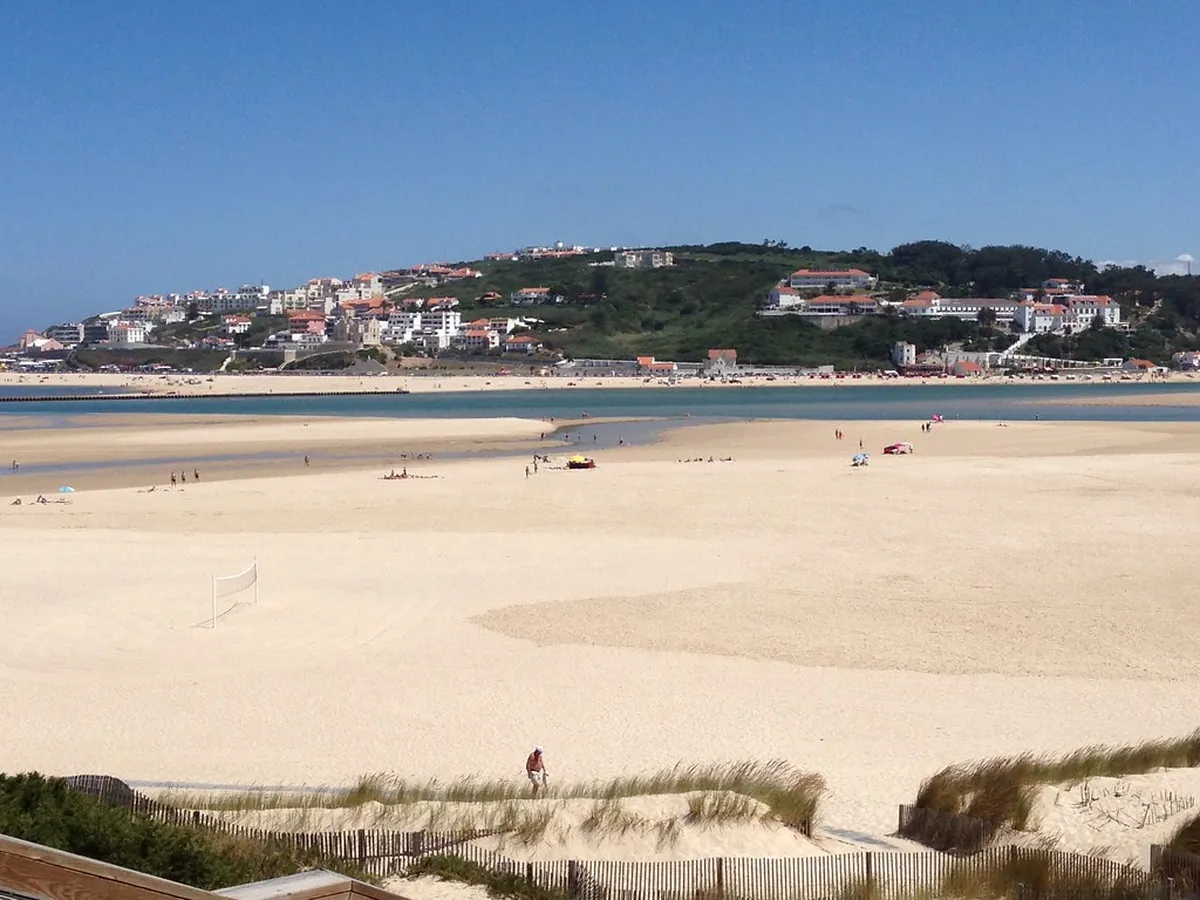
The Lagoa de Óbidos is Portugal's largest saltwater lagoon, with sandbanks, reed beds, shellfish grounds, and broad views toward Foz do Arelho. When planning your things to do in Óbidos Portugal, it works best as a half-day nature trip rather than a quick beach stop. A guided paddle adds local context, especially if you want to understand the lagoon's ecology instead of simply renting a kayak and circling the shore.
Overview of Kayaking in the Óbidos Lagoon
Turn this guide into a personal route with our free Óbidos itinerary planner.
The lagoon is an estuary-like system where freshwater runoff mixes with Atlantic saltwater through a shifting coastal inlet. That mix creates shallow islands, sand banks, eelgrass areas, and muddy margins that are difficult to appreciate from the road. From a kayak, you can move quietly through the nooks of the lagoon without disturbing the birds and shellfish beds that make the area special.
The main appeal is not white-water adventure. It is slow, nature-focused paddling with local history, birdwatching, marine life identification, and views back toward the dunes of Foz do Arelho. The lagoon also pairs well with a wider Óbidos itinerary because it gives you a coastal counterpoint to the castle, bookshops, and narrow village streets.
For 2026, the best operators are still positioning these trips as small-group nature tours rather than simple equipment rentals. Look for guides who can explain local shellfish traditions, tide behavior, and protected-area rules.
Top Kayak Routes: Braço da Barrosa and Bom Sucesso
The two names to understand before arriving are Braço da Barrosa and Braço do Bom Sucesso. A braço is an arm or branch of the lagoon, so these are not separate lakes but different channels within the same water system. Knowing the names helps you understand what guides mean when they describe a sheltered birdwatching route versus a broader expedition across the lagoon.
Braço da Barrosa is the gentler choice for most first-timers. It runs close to the Várzea da Rainha cycle path and has shallow margins where birds feed, shellfish beds appear at low water, and photographers can work without constant swell. If your priority is calm water, easy navigation, and ecology, ask whether the tour includes this side.
Braço do Bom Sucesso feels wider and more exposed, with views toward the southern shore and the dunes near the ocean connection. It can be beautiful on a still morning, but wind and tide matter more here than in the inner branches. Independent paddlers should avoid treating the central lagoon as a straight crossing unless they have checked conditions and still have energy for the return.
Guided Kayak Tours vs. Independent Rentals
A guided tour is the better choice if this is your first time on the lagoon, if you are visiting with children, or if you want the nature interpretation that makes the trip memorable. Certified local guides from Intertidal.pt describe their outings as expeditions, often combining kayaking with local history, birdwatching, edible seaweed identification, and traditional shellfish techniques when tides allow.
Independent rentals suit confident paddlers who want a flexible hour or two near Foz do Arelho. The tradeoff is that you must judge wind, tide, distance, and turnaround time yourself. Before renting without a guide, check the Óbidos weather by month and ask the rental desk which areas are suitable that day.
Guided tours also remove small logistical problems. The instructor chooses the launch point, checks the group has fitted buoyancy aids, explains basic paddle strokes, and adjusts the route if the wind rises.
What’s Included: Gear, Insurance, and Instructors
Professional kayak tours on the Óbidos Lagoon usually include the kayak, paddle, seat or backrest, buoyancy aid, guide, and insurance. Sit-on-top kayaks are common because they are stable, easy to re-enter in shallow water, and comfortable for beginners. Depending on availability, operators may offer single, double, and triple kayaks.
Ask specifically about the instructor's certification and the size of the group. SERP-listed operators mention FPC Level 1 kayak or SUP instruction, local guide support, and small groups rather than anonymous mass rentals. On busy summer days, that can make the difference between a calm lesson and a rushed launch.
- Expect a kayak, paddle, seat or backrest, and properly fitted buoyancy aid for each paddler.
- Most guided packages include personal accident insurance and a safety briefing before launch.
- Some full-day itineraries add simple refreshments such as coffee, tea, or biscuits, but meals and restaurant stops are normally extra.
- Transportation from Óbidos or Lisbon is usually not included unless you book it as an add-on.
Half-Day vs. Full-Day Kayak Expeditions
The most useful booking choice is usually duration. Local operator pages list half-day lagoon trips at around 3 to 4 hours and full-day trips at around 6 to 7 hours, with adult prices often starting near EUR35 for a half day and EUR45 for a full day before VAT. Children are usually cheaper, and exact 2026 pricing should be confirmed before you book.
A half-day tour is enough for most visitors who want a relaxed paddle, a nature explanation, and time afterward for Foz do Arelho beach. It normally stays closer to the launch area and adapts easily to beginners. A full-day expedition gives the guide more room to include a longer channel, a short walk, shellfish interpretation, or a quieter shore stop if tides and weather cooperate.
Choose the full day only if everyone in your group is comfortable being outdoors for several hours. The lagoon is calm, but sun reflection, wind, and repeated paddling can tire beginners faster than expected. Families with young children usually do better with the shorter option or a private arrangement using a triple kayak.
Essential Preparation: What to Bring and Wear
Wear quick-drying clothes, not cotton, and assume your lower half will get splashed. Swimwear with a light rash guard works well in summer, while spring and autumn paddles may require a thin wind layer. Sun protection is essential because the lagoon reflects light even when the sky looks hazy.
Water shoes are more useful here than flip-flops. Some launch areas and shallow margins have shells, slippery stones, or muddy patches, especially near shellfish beds. Bring a small dry bag for your phone, car key, and camera, plus enough water for the full duration of the tour.
- Pack reef-safe sunscreen, a brimmed hat, sunglasses with a strap, and a reusable water bottle.
- Bring a warm layer if your tour starts early or runs outside peak summer.
- Leave a towel and change of clothes in the car, especially when kayaking with children.
- For a family day, combine the paddle with low-pressure plans from the Óbidos with kids guide instead of overloading the schedule.
Safety and Accessibility: Para-Canoeing and Local Regulations
The lagoon is beginner-friendly, but safety still depends on using the right equipment and staying within the conditions of the day. Every paddler should wear a buoyancy aid from launch to landing, even in shallow water. Children and nervous beginners should be placed with stronger paddlers or with the guide's direct supervision.
Accessibility is a real strength of the local operator offering. SERP sources mention Para-Canoeing by previous arrangement and triple kayaks for families with toddlers or small children. If anyone in your group has reduced mobility, limited stamina, or a sensory concern, contact the provider before booking rather than assuming a standard public session will fit.
Certification by protected natural areas authorities (ICNF) matters because it signals that a nature tourism operator is authorized to work responsibly in protected zones in Portugal. It does not make the lagoon risk-free, but it shows that the guide should understand wildlife disturbance, route limits, and low-impact behavior. Clean & Safe participation from Turismo de Portugal is also useful, though it is about hygiene and tourism procedures rather than paddling skill.
Reading Tides, Wind, and Shellfish Beds Before You Launch
The detail many first-timers miss is that the safest route is not always the shortest line on the map. The Atlantic inlet changes water levels inside the lagoon, and an easy outward paddle can become a slower return if you ignore tide direction and afternoon wind. Ask your guide whether the route is planned around rising water, falling water, or a sheltered branch. Check sea conditions with Portugal's national weather authority before departing.
At low water, sandbanks and shellfish areas become more visible. Treat them as working ecological spaces, not stepping stones. If a guide demonstrates catch-and-release shellfish techniques, the point is cultural interpretation: identify oysters, clams, cockles, or mussels, handle them briefly, then return them without harvesting or trampling the bed.
This is also where local knowledge beats a generic rental. A guide can explain which edible seaweeds are safe to identify, which areas are better left undisturbed, and why birdwatching may require a wider berth than visitors expect. Those small decisions protect the lagoon and make the trip feel grounded in place.
Best Time to Visit: Tides, Weather, and Seasons
Late spring, summer mornings, and early autumn are the easiest kayaking windows for most travelers. July and August bring warmer water and more services near Foz do Arelho, but they also bring busier parking and stronger midday sun. For a broader trip plan, compare seasonal tradeoffs in the guide to the best time to visit Óbidos.
Morning departures are usually better than afternoon sessions because wind often builds across the Silver Coast later in the day. A rising tide can help some inner routes feel smoother, while falling water may expose sandbanks and slow the return through shallow sections. You do not need to become a tide-table expert, but you should ask the operator how tides will shape that day's route.
Winter kayaking can be rewarding for birdwatchers, especially during migration periods when the lagoon is quieter. It also requires warmer layers, flexible expectations, and a willingness to reschedule if wind or rain makes the route unpleasant. In any season, unsafe weather should mean a new date or a refund, not pressure to launch.
How to Reach the Lagoon: Directions to Foz do Arelho
Many listed kayak tours use Foz do Arelho as the practical access point. One competitor page gives a very specific instruction: go to the Old Cement Pier, face the lagoon, then walk about 250 m left along the beach until you find the operator. Confirm the exact meeting point in your booking message because beach landmarks are easier to use than street addresses near the water.
Driving from Óbidos village to Foz do Arelho usually takes about 15 to 20 minutes. If you are coming from Lisbon, use the broader transport notes in the guide on how to get to Óbidos from Lisbon, then plan a car, taxi, or transfer for the final lagoon leg. Public transport is limited enough that relying on buses can make morning tours stressful.
Parking is usually manageable outside peak beach hours, but summer weekends can fill spaces near the waterfront quickly. Arrive early, use the toilet before meeting the guide, and keep your phone available in case the operator sends a last-minute launch adjustment. Wind direction and tide level can move a meeting point slightly even when the general area stays the same.
Booking Information and Cancellation Policies
Book ahead for July, August, weekends, and school holiday periods. Local operators may cap groups at around 10 people, with occasional exceptions, and some require a minimum number of adults on weekends or national holidays. Advance booking also gives you time to request a triple kayak, Para-Canoeing support, or a private family pace.
The standard booking-platform cancellation rule is a full refund when you cancel at least 24 hours before the scheduled start time. Weather cancellations should be treated separately: if wind, lightning, or rough conditions make paddling unsafe, a responsible operator will normally offer a new time or refund. Read the provider's exact terms before paying because platform rules and direct bookings can differ.
When comparing listings, check what is excluded as carefully as what is included. Round-trip transportation, meals, drinks, and purchases at beach cafes are usually extra. If a tour looks cheaper than the others, confirm that it still includes insurance, fitted buoyancy aids, and a certified guide rather than only kayak rental.
Frequently Asked Questions
Is kayaking in Obidos Lagoon suitable for beginners?
Yes, the lagoon is perfect for beginners because the water is very shallow and calm in most areas. The sit-on-top kayaks provided by local operators are extremely stable. You can learn more about safe outdoor activities in our things to do in Óbidos guide.
What is the best time of day to kayak in the lagoon?
The best time is usually early morning when the winds are calm and the water is like a mirror. Afternoon winds can make paddling back to the shore more difficult for some people. Checking the local tide table is also helpful for planning your route.
Can you rent kayaks without a guide at Obidos Lagoon?
Yes, several rental shops near Foz do Arelho offer independent rentals for hourly or daily rates. This is a great option for experienced paddlers who want to explore the Braço da Barrosa at their own pace. Always stay within sight of the shore for safety.
What should I wear for kayaking in Portugal?
Wear comfortable swimwear or athletic clothing that can get wet without becoming heavy. Water shoes are important for walking on the lagoon floor, which can be rocky or covered in shells. Don't forget a hat and sunblock to protect yourself from the strong coastal sun.
Are there age restrictions for children kayaking in the lagoon?
Most operators allow children as young as three or four years old to join in triple kayaks with their parents. Older children can often paddle their own single kayak if they feel confident. Buoyancy aids are mandatory for all children regardless of their swimming ability.
For related Óbidos guides, see our 12 Essential Stops for Your Óbidos Book Town Guide and Obidos Aqueduct History & Visiting Guide.
Kayaking in the Óbidos Lagoon is a highlight for any traveler visiting the Silver Coast of Portugal. It combines physical activity with a deep appreciation for the local environment and traditional coastal way of life. Plan your visit today to experience one of the most beautiful and peaceful natural sites in the country.
Remember to check the tides and book your tour in advance to ensure a smooth and enjoyable adventure. This experience will surely be a memorable part of your wider Óbidos itinerary and travel stories. The lagoon awaits with its calm waters and diverse wildlife for your next great Portuguese discovery.
Official Sources to Check Before You Go
- Official Óbidos Lagoon information
- Portugal bathing-water alerts
- VisitPortugal registered activity providers
Transport, admission, event, weather and access details can change after publication. Recheck the source that affects your date instead of treating a copied schedule or price as permanent.