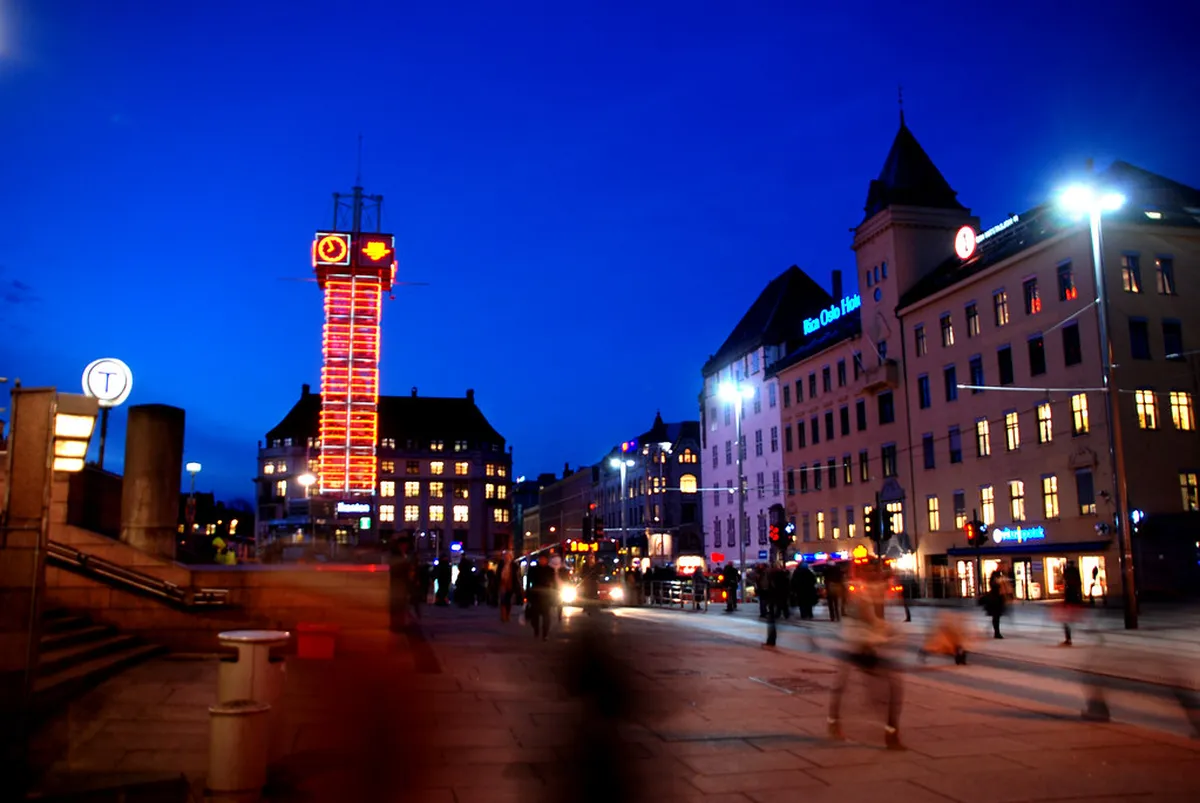
The Jernbanetorget building in Oslo stands as a captivating architectural marvel. It serves as a prominent gateway to the bustling city center. This iconic structure uniquely blends historical elegance with modern urban life. Visitors often overlook its intricate details.
Understanding its architectural significance enhances any Oslo trip. The building forms a vital part of the Oslo Central Station architecture. It offers insights into the city's past and present. Prepare to discover its fascinating story.
You can easily explore this landmark in 2026. It acts as a perfect starting point for Oslo architectural itineraries. Its presence enriches the entire Jernbanetorget square area. This guide will reveal its hidden charms.
The Jernbanetorget Building: A Storied Past
Turn this guide into a personal route with our free Oslo itinerary planner.
The history of the Jernbanetorget building in Oslo is quite rich. It dates back to the early 20th century. This area was crucial for Oslo's growing railway network. The building emerged during a period of urban expansion.
Original construction finished around 1919. It initially housed railway administration offices. The design reflected the architectural trends of its time. It showcased a blend of styles.
Early influences included Neo-Baroque and Art Nouveau elements. These styles were popular in European cities then. The building’s robust construction ensured its longevity. It remains a testament to earlier craftsmanship.
Over decades, the building adapted to new needs. It witnessed significant changes around Jernbanetorget square. This evolution highlights Oslo's dynamic urban development. Learn more about Oslo's station history for context.
Today, it stands proudly as a historical landmark. It contrasts with newer, modern structures. Its heritage is a valued part of the city's identity. Explore other historical Oslo buildings during your visit.
Architectural Design and Unique Features
The Jernbanetorget building boasts several distinctive architectural features. Its facade is primarily constructed from red brick. This gives it a warm, inviting appearance. The detailed brickwork showcases impressive craftsmanship.
Look closely at the decorative elements. You will find subtle Art Nouveau touches. These include intricate carvings and window frames. Such details reflect a transitional design period.
The building features a prominent corner tower. This tower commands attention on the square. It acts as a visual anchor for the entire area. Its design contributes to the building’s grandeur.
Large archways define the ground floor. They once provided grand entrances for visitors. These arches now integrate shops and cafes. They make the building accessible and vibrant.
The roofline presents a compelling profile against the sky. It features dormer windows and decorative gables. This adds to its picturesque quality. It stands as truly unique Oslo architecture. You can appreciate the Art Nouveau Oslo buildings around the city.
Jernbanetorget's Modern Urban Impact
The Jernbanetorget building remains central to Oslo's urban fabric. It sits directly opposite Oslo Central Station. This prime location makes it a major transportation hub. Thousands of people pass by daily.
The building’s presence defines the Jernbanetorget square. This square is a lively public space. It hosts tram, bus, and metro connections. This area is a key point for Oslo's public transportation architecture.
Its classic design provides a striking contrast. It stands against the modern Bjørvika district nearby. Structures like the Barcode Project Oslo are just steps away. This juxtaposition highlights Oslo's architectural diversity.
The building has adapted to contemporary uses. Its lower floors now house various commercial establishments. These include restaurants and retail stores. It adds to the square's bustling atmosphere.
It embodies Oslo's commitment to urban planning. Old and new elements coexist harmoniously. The building contributes significantly to the city's character. It influences the broader Fjord City urban planning vision.
Visiting and Exploring Jernbanetorget
Visiting the Jernbanetorget building in Oslo is easy. It is situated at Jernbanetorget 1, 0154 Oslo. Access is convenient via public transport. The building is directly connected to the Central Station.
You can admire its exterior architecture free of charge. Take time to observe the facade details. Walk around the entire square for different perspectives. This area is perfect for architectural photography.
Consider joining an Oslo architectural walking tour. Many tours start from or include this area. They offer deeper insights into its history. Expert guides provide valuable context.
While inside, enjoy a coffee at one of its cafes. Or perhaps grab a bite to eat. Many establishments are open daily. Check specific business hours for 2026 planning.
The Jernbanetorget building is more than just a structure. It is a living part of Oslo's narrative. It connects past eras with the present. It’s an essential stop for any architecture enthusiast. Explore other Oslo architectural landmarks nearby.
Frequently Asked Questions
What is the primary function of the Jernbanetorget building today?
Today, the Jernbanetorget building serves multiple functions. Its upper floors are primarily office spaces. The ground floor houses various commercial businesses. These include shops, restaurants, and cafes. It remains a vibrant commercial hub.
When was the Jernbanetorget building in Oslo originally constructed?
The Jernbanetorget building was largely completed in 1919. This marked its opening for railway administration. Its construction reflects early 20th-century design. This period was significant for Oslo's growth. Discover more about Oslo's architectural development.
Are there any recommended architectural viewpoints near Jernbanetorget?
Absolutely, many viewpoints offer great perspectives. The square itself provides excellent close-ups. For broader views, cross the street towards the Opera House. You can also view it from the pedestrian bridge leading to Bjørvika. Explore other architectural viewpoints in Oslo for stunning photos.
The Jernbanetorget building in Oslo is a truly captivating landmark. Its rich history and distinctive architecture offer deep insights. It beautifully bridges Oslo's past with its dynamic present. This iconic structure anchors a vital urban square.
Its blend of historical charm and modern utility makes it a must-see. Make sure to include it in your 2026 travel plans. Take time to appreciate its intricate details. The Jernbanetorget building tells a unique story.
Plan your visit to fully experience this architectural gem. It stands as a testament to Oslo's enduring design legacy. Begin your architectural journey right here. Discover more about Oslo's architectural landmarks.
Key Takeaways
- Jernbanetorget building is a historical landmark near Oslo Central Station.
- It features unique brickwork and subtle Art Nouveau architectural elements.
- The building serves as a crucial hub for public transportation and commercial activity.
- Easily accessible, it's a great starting point for architectural tours in 2026.
- Its design contrasts with the modern Bjørvika district, showcasing Oslo's diverse architecture.