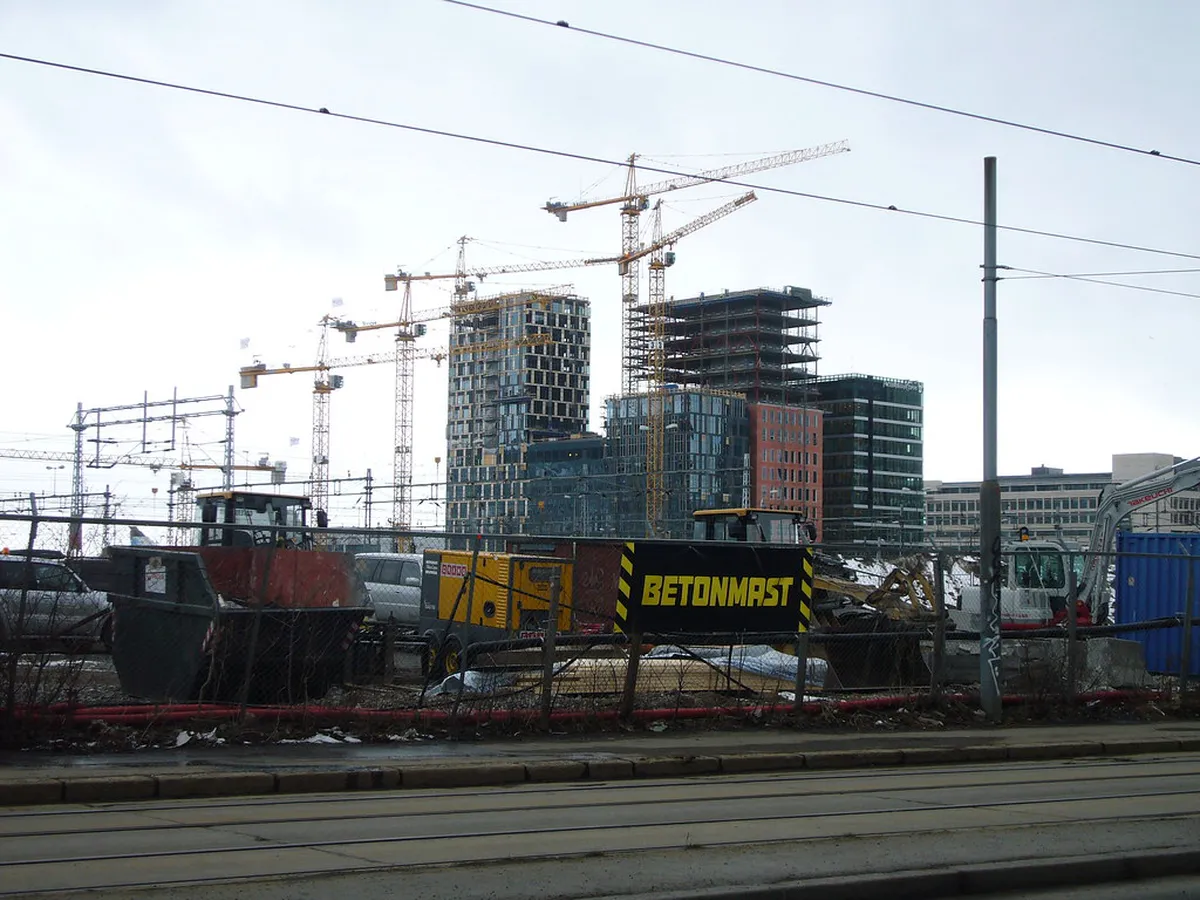
Oslo's urban landscape transformed dramatically with the Barcode Project. This striking architectural marvel defines the city's modern skyline. It offers a unique glimpse into contemporary Norwegian design. Travelers in 2026 should add this to their Oslo architecture itinerary.
The Barcode Project Oslo reshaped the Bjørvika waterfront district. It stands as a testament to innovative urban planning. This guide explores its history, key buildings, and how to experience it. Discover more about Oslo's fjord city urban planning initiatives.
The Vision Behind Barcode Project Oslo
Turn this guide into a personal route with our free Oslo itinerary planner.
The Barcode Project emerged from the Fjord City redevelopment plan. It aimed to reconnect Oslo with its waterfront. Planners envisioned a vibrant, mixed-use urban area. Construction began in the early 2000s, transforming former container ports.
This ambitious project created 12 narrow high-rise buildings. They stand side-by-side, much like a barcode. Each building boasts unique architecture and design. The varied structures prevent a monotonous facade. This innovative approach reflects Norway's commitment to Oslo waterfront development.
Architectural firms from Norway and Denmark collaborated on the project. They designed each 'stripe' to have distinct characteristics. The space between buildings allows for light and views. It creates an open, accessible public realm. This contrasts with some Oslo modernist buildings, offering a fresh perspective.
The Barcode houses offices, apartments, and cultural spaces. It is a bustling hub during weekdays. Evenings bring a calmer atmosphere, perfect for strolls. Its design became a symbol of modern Oslo.
Iconic Buildings of the Barcode Project
Each building within the Barcode Project Oslo holds its own charm. The Deloitte building, known as B1, features a striking glass facade. Its sharp angles make it a photographic favorite. The building houses various offices and provides a dynamic visual.
KLP's headquarters, known as B2, stands out with its intricate patterns. It boasts a distinctive, textured exterior. This design detail adds depth to the overall street view. It showcases some of the best Barcode Project buildings.
The MAD building (B10) offers a more playful design. It incorporates varying window sizes and irregular shapes. This contributes to the barcode's diverse visual rhythm. Exploring these structures reveals fascinating Oslo Barcode architecture facts.
Perhaps the most famous is the PwC building (B3). Its cantilevered section appears to defy gravity. This dramatic feature makes it instantly recognizable. These buildings together form a showcase of contemporary Oslo architecture. Visitors appreciate the innovative details.
Experiencing the Barcode: Visitor Tips for 2026
Visiting the Barcode Project is a must for architecture enthusiasts in 2026. It is best explored on foot. Allow at least an hour to wander through the area. You can admire each building's unique details. It is free to walk around and take photos.
Consider joining an Oslo Barcode Project walking tour. These guided tours offer deeper insights into the design. They share stories behind the various architectural choices. Many Oslo architectural walking tours include this district. Prices vary depending on the tour provider.
The area is easily accessible by public transport. The Oslo Central Station (Oslo S) is just a short walk away. You can find detailed directions using an Oslo architecture map. Many cafes and restaurants are nearby for a break.
Visit during daylight hours for the best views. The light plays beautifully on the glass facades. Evenings offer a different ambiance with illuminated buildings. Weekends are generally quieter, with fewer office workers. This makes for a more relaxed exploration.
Beyond the Barcode: Nearby Architectural Gems
The Barcode Project sits within the vibrant Bjørvika district. This area boasts several other architectural highlights. Just steps away is the iconic Oslo Opera House. Its sloping roof allows visitors to walk directly onto the water. This offers panoramic views of the fjord and city.
Another modern masterpiece is the Deichman Bjørvika library. It's a striking building with a bright, open interior. The library offers more than just books; it's a cultural hub. Explore its impressive design and various reading spaces. You can learn more about the Deichman Library Bjørvika here.
The Munch Museum, with its distinctive leaning tower, is also nearby. It houses a vast collection of Edvard Munch's works. The building itself is an architectural statement. These landmarks create a rich architectural experience. The area truly represents Oslo's Oslo design district guide.
Walking from the Barcode to these sites is very pleasant. The waterfront promenades connect everything seamlessly. Plan your visit to include all these modern wonders. Bjørvika has become a must-see destination for travelers.
Frequently Asked Questions
What is the Barcode Project in Oslo?
The Barcode Project is a series of 12 high-rise buildings in Oslo. They are located in the Bjørvika district near the city center. Each building has a unique design and varying heights. It symbolizes Oslo's modern urban development.
How can I get to the Barcode Project?
The Barcode Project is easily accessible from Oslo Central Station. It is just a 5-10 minute walk eastward. You can also use various public transport options. Check our guide on Oslo public transportation for architecture tours. Trams and buses stop conveniently close by.
Are there hotels near the Barcode Project Oslo?
Yes, several modern hotels are located within or near the Barcode Project. These offer excellent views of the city or fjord. Many are also close to the Opera House and other attractions. Find options on our Oslo architecture hotels list. Booking in advance for 2026 is recommended.
The Barcode Project Oslo showcases Norway's forward-thinking design. It represents a bold step in urban renewal. This district offers a compelling experience for all visitors. Its distinctive architecture is truly unforgettable. Plan your trip to witness this unique Oslo architecture for yourself.
Explore its innovative buildings and vibrant surroundings. The Barcode stands as a proud emblem of modern Oslo. Don't miss this incredible architectural landmark. Make sure to include it in your 2026 travel plans.
Key Takeaways
- The Barcode Project is a striking example of modern urban planning in Oslo.
- Each of the 12 high-rise buildings features unique and innovative architecture.
- The district is easily accessible and best explored on a walking tour.
- Combine your visit with nearby architectural gems like the Opera House and Deichman Library.
- The Barcode offers a free, visually rich experience for all visitors in 2026.