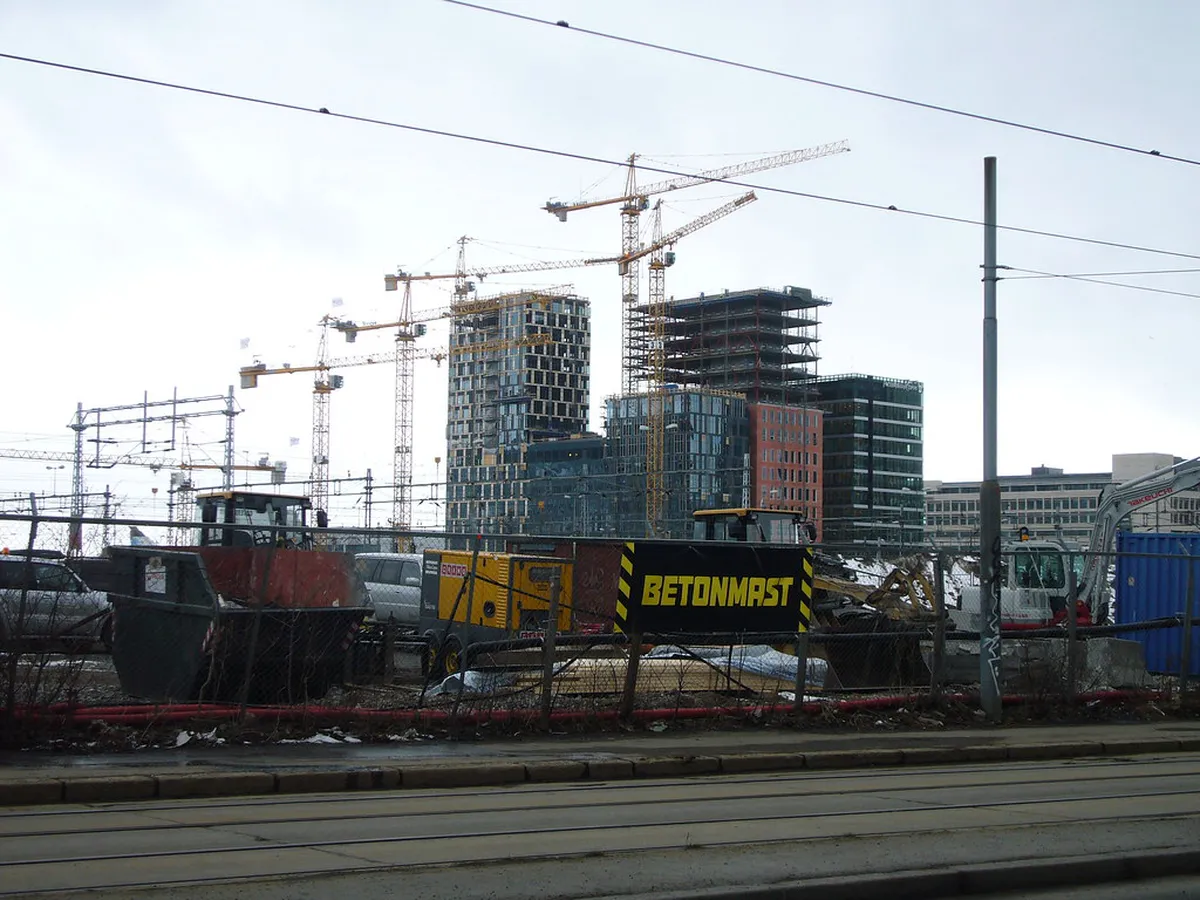
Welcome to Oslo's captivating modern marvel. The Barcode Project has transformed the city's skyline. This area showcases stunning, innovative architecture. A Barcode Project Oslo walking tour is a must for design lovers. Discover unique buildings and impressive urban planning. This guide helps you explore Bjørvika in 2026. It details the best way to see these modern wonders. Explore more Oslo architecture itineraries for your upcoming trip.
Planning Your Barcode Project Walking Tour
Turn this guide into a personal route with our free Oslo itinerary planner.
Start your Barcode Project Oslo walking tour at Jernbanetorget. This central square is right outside Oslo Central Station. The area is easily accessible by public transport. Look for the distinct, towering structures to the east. This walk is mostly flat and easy.
The ideal time for your tour is a weekday morning. You will experience fewer crowds. Aim for spring or early autumn in 2026. The weather is usually pleasant then. The tour typically takes 1.5 to 2 hours. This allows for leisurely exploration and photos.
Wear comfortable shoes for walking. Bring a camera to capture the unique designs. There are no fees to walk through the Barcode Project. However, some adjacent museums may have entry costs. Consider a comprehensive Oslo architectural walking tour for more context.
Architectural Highlights of the Barcode
The Barcode Project features twelve distinct high-rise buildings. They create a 'barcode' effect when viewed from afar. Each building has unique architectural elements. Renowned firms contributed to this ambitious design. You will see a variety of facades and materials.
Look closely at the PwC building, known as B2. It features a striking, irregular glass facade. The Deloitte building (B5) has a dynamic, shifting profile. KLP House (B4) showcases innovative wood and glass usage. These structures redefine Oslo's urban landscape. Discover the best Barcode Project buildings on your visit.
Explore the pathways between the buildings. You'll find inviting public spaces and interesting art installations. These areas offer quiet spots for reflection. They also provide excellent photo opportunities. Understand Oslo Barcode architecture facts as you walk. The project integrates seamlessly with its surroundings.
Beyond the Barcode: Bjørvika's Modern Icons
Your Barcode Project Oslo walking tour extends into the broader Bjørvika district. Immediately adjacent is the stunning Oslo Opera House. Its sloping roof allows visitors to walk directly on top. Enjoy panoramic views of the fjord and city. This iconic building sets a high standard for modern design.
Continue your exploration to the Deichman Bjørvika main library. This striking building opened in 2020. Its open, airy design invites visitors inside. Spend some time enjoying the impressive interiors. The library also offers fantastic city views. Learn more about Deichman Library Bjørvika.
Nearby stands the new Munch Museum. Its distinctive leaning tower houses Edvard Munch's masterpieces. The museum's unique form adds to Bjørvika's modern appeal. It offers another architectural marvel to admire. Consider visiting its exhibitions for a cultural break. The entire area is part of Oslo's Fjord City urban development.
Practical Tips for Your Architectural Journey
Bjørvika offers several excellent spots for a break. You will find cafes and restaurants among the Barcode buildings. Many provide outdoor seating with great views. Consider stopping at food spots near the architecture. Enjoy a coffee or light lunch after your walk.
For the best photographs, visit during the 'golden hours'. These are early morning or late afternoon. The changing light highlights the buildings' textures. Experiment with different angles and reflections. The waterfront offers unique perspectives of the Barcode. Discover other architectural viewpoints in Oslo.
The Barcode Project is mostly accessible for strollers and wheelchairs. Paths are wide and generally flat. Public restrooms are available in the Opera House and Deichman Library. This ensures a comfortable experience for everyone. Plan your 2026 visit for an unforgettable architectural adventure.
Frequently Asked Questions
How long does the Barcode Project Oslo walking tour typically take?
A self-guided Barcode Project Oslo walking tour usually takes between 1.5 to 2 hours. This duration allows for a leisurely pace. You will have time to appreciate the architecture. It also includes opportunities for photographs. This estimate does not include time spent inside buildings like the Opera House or museums.
Is the Barcode Project walking tour suitable for families with children?
Yes, the Barcode Project walking tour is family-friendly. The paths are flat and wide. It is suitable for strollers and young children. Kids might enjoy the open spaces near the Oslo Opera House. They can also explore the modern features of Deichman Bjørvika. It is a safe and engaging area to explore.
Are there any guided Barcode Project tours available?
Yes, several companies offer guided tours of the Barcode Project and Bjørvika. These tours provide in-depth insights into the architecture. Guides share historical and cultural context. Check local tourism websites for booking options. Many Oslo architectural walking tours include the Barcode area. Guided tours offer a structured learning experience.
The Barcode Project Oslo walking tour offers a unique urban experience. It showcases Norway's bold vision for modern design. You will be amazed by the innovative architecture. Plan your 2026 visit to Bjørvika's waterfront. Immerse yourself in this vibrant district. This tour provides an unforgettable journey. Discover more about Oslo's architectural landmarks to enhance your trip.
Key Takeaways
- Dedicate 1.5-2 hours for a self-guided Barcode tour.
- Start at Oslo Central Station for easy access.
- Combine your visit with the Opera House and Deichman Library.
- Best time to visit is spring or early autumn for pleasant weather.
- Wear comfortable shoes and bring a camera for stunning photos.