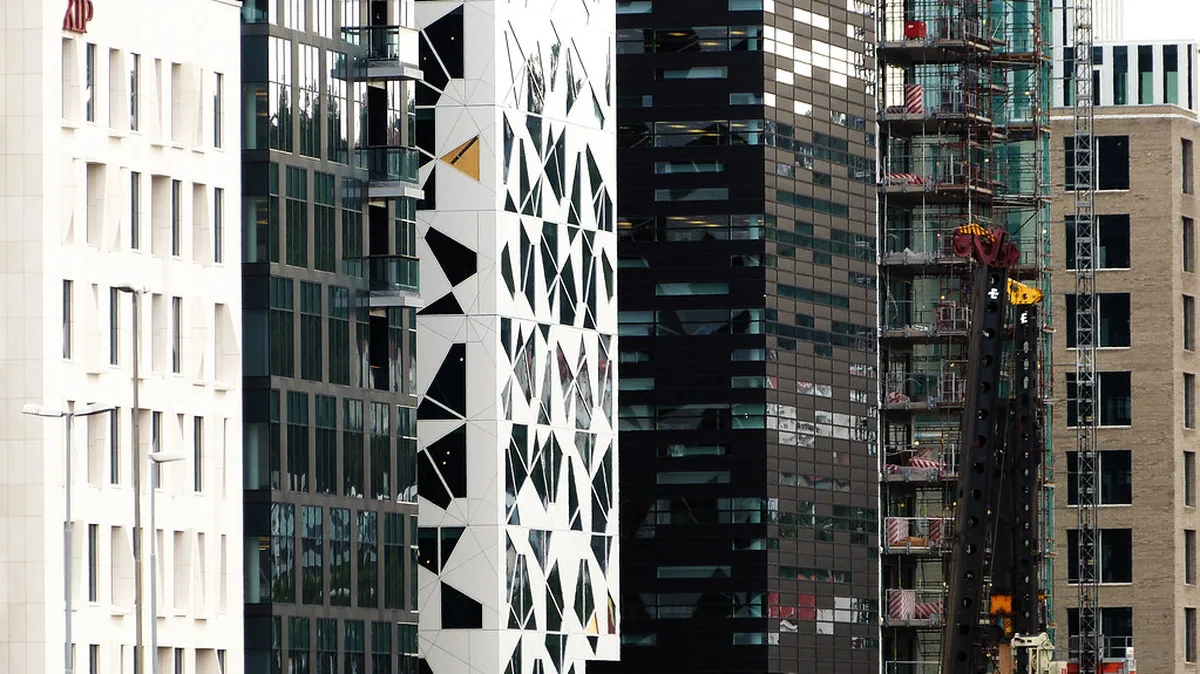
Oslo's Barcode Project stands as a modern marvel. This architectural district transformed the city's waterfront. It offers unique Oslo Barcode architecture facts to discover. You will find eleven slender high-rise buildings here.
Each building boasts its own distinct design. Explore the innovative Fjord City urban planning behind this area. The Barcode is a must-see for architecture enthusiasts. It represents a bold step in contemporary Oslo architecture.
The Barcode's Vision and Unique Design
Turn this guide into a personal route with our free Oslo itinerary planner.
The Barcode Project dramatically reshaped Oslo's skyline. It emerged from the Fjord City redevelopment plan. A-lab, Dark Arkitekter, and MVRDV developed the master plan. Their vision aimed to connect the city with its fjord.
The name "Barcode" comes from its distinctive appearance. Eleven buildings stand side-by-side like a giant barcode. Varied heights and slender forms create gaps between them. These gaps ensure views of the fjord and sunlight reach the city behind. This thoughtful design focuses on urban liveability.
Each building reflects a specific architectural approach. They use diverse materials and expressions. This creates a fascinating visual rhythm. The project combines modern offices with residential spaces. It forms a dynamic new urban environment for 2026.
Sustainability was a core principle for the development. Many buildings incorporate green solutions. They aim for energy efficiency and reduced environmental impact. Discover more about Oslo's sustainable architecture initiatives. The Barcode showcases future-forward urban design.
Exploring Iconic Barcode Buildings
The Barcode features several impressive structures. These buildings house major companies and residences. Each offers unique insights into modern architectural trends. Their individual designs contribute to the whole.
The Deloitte Building, known as B1, is a prominent example. It features a striking black façade. Large, slanted glass panels create dynamic reflections. This building stands out with its sharp, angular lines.
The PWC Building, or KLP House, incorporates public art. Its facade uses a checkerboard pattern of glass and stone. A vibrant, colorful artwork by Camille Norment adorns the exterior. It adds an artistic touch to the corporate landscape.
M7 by Snøhetta is another architectural highlight. It features a characteristic zig-zag roofline. This design creates terraced office spaces. It offers fantastic views over the fjord and the city. These specific Oslo Barcode architecture facts highlight innovative design.
Consider a visit to the nearby Oslo Opera House. It stands as another iconic example. The Barcode's varied use of building materials is truly inspiring. You will notice glass, steel, and concrete harmoniously combined.
Practical Tips for Visiting the Barcode
Visiting the Barcode area is straightforward and free. It is located directly behind Oslo Central Station. You can easily reach it by foot. Allow at least an hour to walk through and admire the buildings.
Consider taking a dedicated Barcode Project Oslo walking tour. Many tour operators offer guided experiences. These tours provide deeper insights into the architecture. They often share historical and urban development contexts.
The area is generally accessible 24/7. However, specific building interiors have office hours. For the best photography, visit during daylight hours. Early morning or late afternoon light enhances the facades. This creates stunning visual effects.
Public transportation connections are excellent. The area is a hub for buses, trams, and trains. Read our guide on transport for architecture tours in Oslo. This makes combining your visit with other attractions easy.
Frequently Asked Questions
What is the Oslo Barcode Project?
The Oslo Barcode Project is a cluster of eleven high-rise buildings. It is located in the Bjørvika area of Oslo. The project aims to regenerate the city's eastern waterfront. Its design resembles a barcode pattern.
These buildings are primarily commercial offices. They also include some residential units. The project began in 2003 and finished in the mid-2010s. It forms a critical part of Oslo's modern identity.
How long does it take to explore the Barcode buildings?
You can easily walk through the Barcode district in 30-60 minutes. This allows time to appreciate the external architecture. If you plan to take photos, allow more time. Exploring nearby areas like the Opera House extends the visit.
Are there any guided tours for the Barcode architecture?
Yes, several companies offer guided architectural walking tours. These tours provide expert commentary. They cover the Barcode's history, design, and impact. Check local tourist information centers for schedules and booking details.
The Oslo Barcode Project is a testament to modern urban design. Its unique architecture revitalized the Bjørvika area. These structures offer compelling Oslo Barcode architecture facts for every visitor. Plan your 2026 visit to this remarkable district.
Immerse yourself in its striking visual rhythm. Discover the interplay of form and function. Download our Oslo architecture map to navigate the area easily. The Barcode truly is an unforgettable architectural experience.
Key Takeaways
- The Barcode Project consists of eleven unique high-rise buildings.
- It features diverse architecture and sustainable design principles.
- Easily accessible from Oslo Central Station, perfect for a self-guided walk.