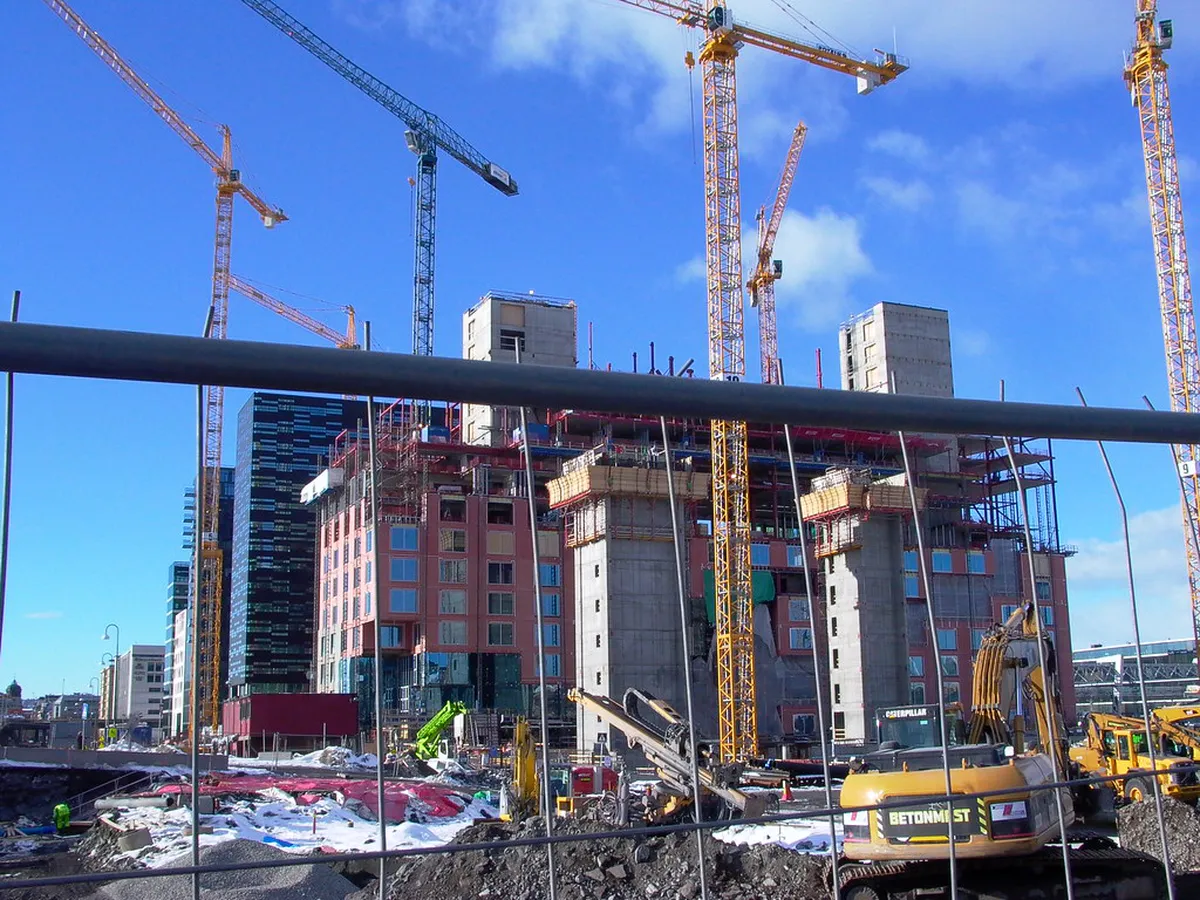
Oslo’s waterfront has undergone an incredible transformation. The Fjord City urban planning project reshaped the city center. It connects Oslo residents to their stunning fjord once more. This ambitious plan creates new public spaces and cultural landmarks.
The Fjord City vision reimagines urban life by the water. It embraces modern architecture and sustainable principles. This guide will help you explore its key features in 2026. Learn more about Oslo's Fjord City development and its architectural marvels.
Understanding Oslo's Fjord City Vision
Turn this guide into a personal route with our free Oslo itinerary planner.
The Fjord City urban planning initiative started decades ago. Its main goal was to reconnect Oslo with its fjord. Industrial areas and traffic infrastructure blocked waterfront access. The project aimed to remove these barriers.
The vision focused on creating a vibrant, livable city district. It prioritized public access to the water. Green spaces and cultural institutions became central to the plan. This holistic approach ensures long-term sustainability and enjoyment. Discover more about Oslo's sustainable architecture within Fjord City.
Key areas like Bjørvika and Aker Brygge saw massive redevelopment. Old container ports transformed into modern neighborhoods. This transformation created housing, offices, and cultural venues. The project emphasizes democratic access for all citizens.
Planners aimed to reduce private car use within the new areas. Excellent public transport connections are a cornerstone. Walking and cycling paths crisscross the entire Fjord City. This commitment improves air quality and promotes healthy living.
Iconic Architectural Projects in Fjord City
Fjord City hosts several world-renowned architectural masterpieces. These buildings define Oslo’s new skyline. They attract visitors from all corners of the globe. Each structure showcases innovative design and purpose.
The Oslo Opera House is a shining example. Its distinctive sloped roof allows visitors to walk on it. This design symbolizes public access to culture and the fjord. It opened in 2008 and quickly became an icon. Plan your visit with our Oslo Opera House guide.
The Barcode Project features a row of high-rise buildings. Their varied designs create a unique visual rhythm. This area combines offices, residences, and retail spaces. It provides a striking contrast to older Oslo architecture. Explore the Barcode Project in Oslo for its modern appeal.
Deichman Bjørvika is Oslo's main public library. This impressive building offers stunning architecture and fjord views. It serves as a popular meeting point and cultural hub. The library encourages community engagement and learning. Read more about Deichman Library in Bjørvika.
Tjuvholmen, another Fjord City gem, hosts the Astrup Fearnley Museum. Renzo Piano designed this striking building. It showcases contemporary art in a beautiful waterfront setting. The museum sits on three separate pavilions. Discover more about the Astrup Fearnley Museum.
Public Access and Green Spaces
A core principle of Fjord City urban planning is public access. The entire waterfront features continuous promenades. These paths invite residents and tourists alike. They offer unparalleled views of the fjord and islands.
The Sørenga sea bath is a popular spot during summer. It provides safe swimming and sunbathing facilities. This area perfectly blends urban living with recreational opportunities. Many people enjoy jumping into the fresh fjord water. These public spaces are free to access.
Numerous small parks and plazas dot the Fjord City landscape. They provide green oases within the urban environment. These spaces are ideal for relaxation or social gatherings. The planning ensures that nature remains integrated. Learn about public art in Oslo's architecture scattered throughout.
The integration of the fjord itself is key. Planners ensured environmental protection throughout development. Clean water and marine life remain a high priority. Visitors can even kayak or paddleboard directly from the city center. Experience the beauty of Oslo's fjord architecture firsthand.
Sustainability and Future Development of Fjord City
Sustainability is at the heart of Oslo's Fjord City urban planning. Developers used eco-friendly building materials wherever possible. Energy-efficient designs are standard in new constructions. This commitment reduces the environmental footprint significantly.
The focus on public transportation and active travel also aids sustainability. Reduced car usage means less pollution and congestion. Oslo aims to be a carbon-neutral city by 2030. Fjord City plays a vital role in achieving this ambitious goal.
Ongoing developments continue to expand the Fjord City concept. New residential areas and workplaces are constantly emerging. The planning continues to prioritize livability and green solutions. Future projects will build upon past successes.
Oslo's planners embrace climate adaptation strategies. They consider rising sea levels and extreme weather events. Green roofs and permeable surfaces manage stormwater effectively. This forward-thinking approach ensures long-term resilience. Explore more about Oslo's sustainable architecture initiatives.
Experiencing Fjord City Urban Design as a Visitor
Visiting Fjord City offers a unique urban exploration. Start your journey at Bjørvika near the Central Station. Walk along the waterfront promenade towards the Opera House. Continue to the Barcode Project for its striking modern lines.
Consider an Oslo architectural walking tour. Many guided options focus specifically on Fjord City. These tours offer expert insights into the planning and design. They help you appreciate the complex vision.
For the best photo opportunities, climb the Opera House roof. You get panoramic views of the fjord and city. Another excellent viewpoint is from the Akershus Fortress. This historic site offers a contrasting perspective. Find more great architectural viewpoints in Oslo.
Public transport is incredibly efficient here. Trams and buses connect all major Fjord City areas. You can easily spend a full day exploring these vibrant districts. Remember to wear comfortable shoes for walking.
Frequently Asked Questions
What is the Fjord City project in Oslo?
The Fjord City project is a large-scale urban development in Oslo, Norway. It involves reclaiming industrial waterfront areas for public use. The goal is to connect the city center with the Oslo Fjord. It creates new housing, cultural institutions, and green spaces. This ongoing initiative began in the early 2000s.
How does Fjord City urban planning promote sustainability?
Fjord City prioritizes sustainability through various strategies. It encourages public transport, walking, and cycling. New buildings use eco-friendly materials and energy-efficient designs. Extensive green spaces and climate adaptation measures are also included. Learn more about Oslo's sustainable architectural practices.
Can visitors easily explore Oslo's Fjord City?
Yes, Fjord City is very accessible for visitors in 2026. Continuous promenades connect key areas like Bjørvika and Aker Brygge. Public transportation is excellent and efficient. You can easily walk, bike, or use trams to explore. Consider a guided tour for deeper insights into the Bjørvika urban design.
Oslo's Fjord City urban planning stands as a global example. It showcases how a city can revitalize its waterfront. This project blends stunning architecture with public enjoyment. It successfully reconnected Oslo to its beautiful fjord environment.
The Fjord City continues to evolve, reflecting Oslo's progressive spirit. It offers an engaging experience for any visitor in 2026. Explore its unique blend of design, culture, and nature. Plan your Oslo architecture itinerary to include this incredible area today!
Key Takeaways
- Oslo's Fjord City revitalized the waterfront, reconnecting the city to its fjord.
- The project emphasizes public access, sustainability, and innovative architecture like the Opera House and Barcode.
- Visitors can easily explore Fjord City's cultural sites, green spaces, and promenades by foot or public transport.