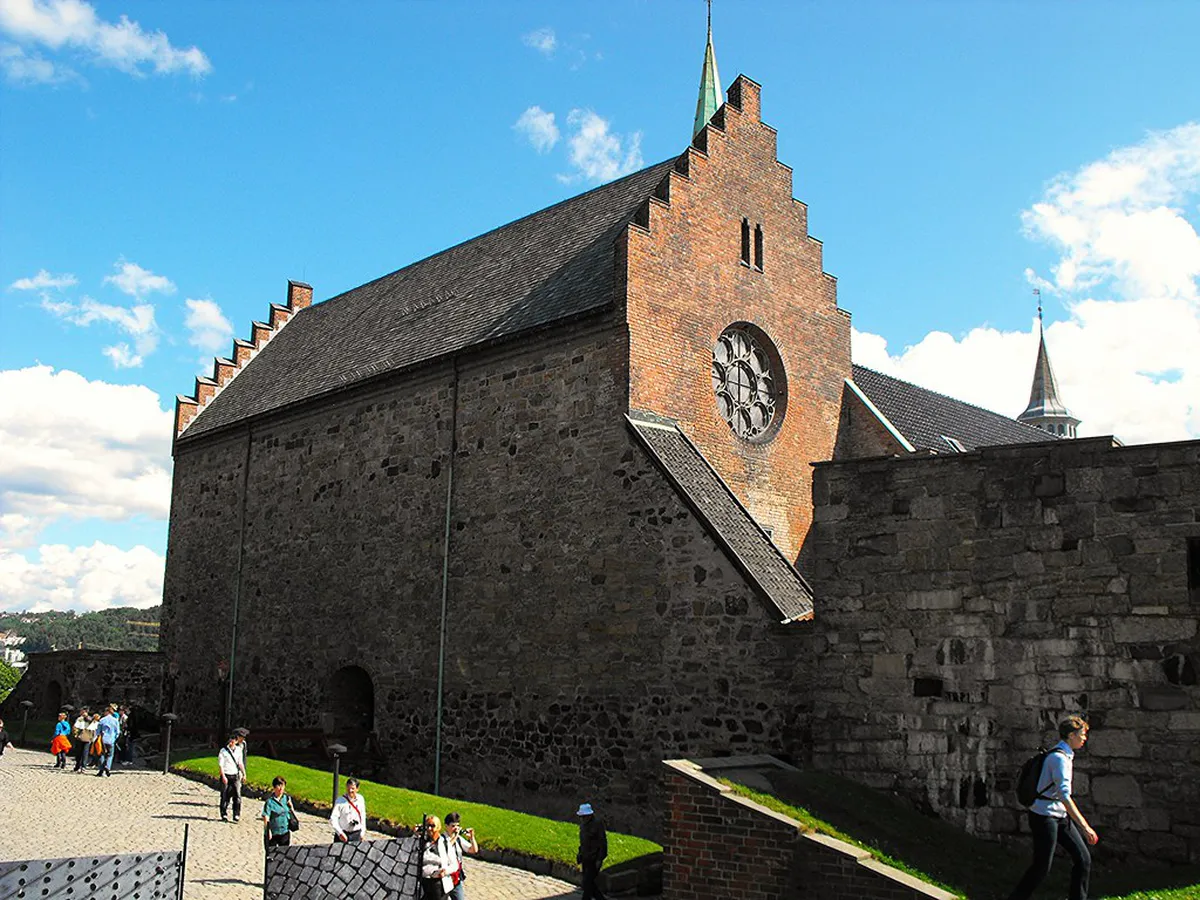
Akershus Fortress stands proudly in Oslo, Norway. It guards the city and its fjord. This historic site offers a deep look into Norwegian history. Understanding Akershus Fortress history reveals much about Oslo. It has served many purposes over centuries. From a medieval castle to a royal residence, its story is rich. Plan your visit to this significant historical Oslo building.
This comprehensive guide explores its long, fascinating past. From medieval beginnings to modern times, Akershus has witnessed it all. Prepare to step back in time. Learn about Norway's enduring spirit. Discover the secrets held within its ancient walls.
The Medieval Origins of Akershus Fortress
Turn this guide into a personal route with our free Oslo itinerary planner.
King Håkon V Magnusson founded Akershus Fortress. He started its construction around 1290. The fortress was strategically built on a headland. This location overlooked the Oslo Fjord. It protected Oslo, then a growing city, from attacks. Its medieval architecture was formidable.
Early construction focused on strong defense. Thick stone walls and sturdy towers provided protection. The fortress was designed to repel invaders. It faced numerous sieges during the Middle Ages. Its robust design often ensured the city's safety. This made it a vital stronghold. Consider exploring more Akershus Fortress medieval architecture details.
Life within the castle walls was challenging. Soldiers lived and trained there. The castle also housed royal officials. It served as a vital administrative center. It stood as a symbol of royal power. The original layout reflects medieval military needs. Discovering this history is truly captivating.
The fortress was a key player in Norway's defense. It guarded against Danish and Swedish incursions. Its location made it difficult to conquer. It remained largely impregnable for centuries. This legacy cemented its importance. It is a testament to medieval engineering. You can still see many original sections today.
Royal Residence and Renaissance Transformation
Akershus evolved beyond a pure fortress. It became a royal residence in the 16th and 17th centuries. Kings modernized the medieval castle. They sought more comfortable living quarters. This marked a significant change for Akershus. It began transforming into a Renaissance palace.
King Christian IV of Denmark and Norway oversaw major renovations. He initiated extensive building projects around 1600. The fortress gained elegant halls and chambers. New facades reflected Renaissance styles. This era saw its conversion into a prominent royal court. These additions softened its military appearance. It became a symbol of royal prestige. Explore other unique Oslo architecture from this era.
The transformation included new fortifications. These were adapted for cannons and gunpowder warfare. Bastions and ramparts were added. This ensured continued defensive strength. Yet, the palace sections offered royal comfort. The combination made Akershus unique. It blended power with elegance.
Many royal events took place here. Coronations and significant meetings were common. The castle church also held important ceremonies. The royal family often resided within its walls. Akershus truly became a center of Norwegian power. This period defined its dual identity. It was both a fortress and a palace. The transformation is still evident today.
Akershus Fortress Through Wars and Sieges
Akershus Fortress proved its defensive might often. It faced many attacks throughout its history. Swedish forces repeatedly attempted to capture it. These sieges tested its resilience. The fortress consistently held firm. It protected Oslo from falling to invaders. This secured Norway's sovereignty.
One notable siege occurred in 1716. Swedish King Charles XII led the assault. His troops tried to breach its formidable walls. However, the Norwegian defenders held strong. The siege ultimately failed. This victory boosted Norwegian morale greatly. It highlighted Akershus's strategic value. Its role in the Great Northern War was crucial.
Over time, parts of Akershus became a prison. This function expanded during the 18th and 19th centuries. Criminals and political prisoners were held here. The conditions were often harsh. This darker period is also part of its legacy. Explore this chapter in Oslo's architectural itinerary. The fortress adapted to new roles over time.
Military technology advanced over centuries. Akershus also adapted its defenses. Its design incorporates various defensive innovations. These changes reflect evolving warfare. The fortress stands as a living document of military history. Its strategic importance never truly faded. It symbolizes Norway's enduring defense.
World War II and Modern Significance
Akershus Fortress played a somber role during World War II. German forces occupied Norway in 1940. They used Akershus as their main headquarters. The Nazi regime also used it for executions. Many Norwegian resistance fighters were killed there. It became a grim symbol of occupation.
The fortress witnessed tragic events. Members of the Norwegian resistance faced firing squads. Their sacrifices are remembered today. Memorials stand on the grounds. These honor those who lost their lives. The war left a lasting impact on Akershus. It transformed its meaning for Norwegians. This period is a vital part of Akershus Fortress history.
Norway was liberated in May 1945. The fortress was then officially handed over. It symbolized the end of the occupation. Major figures from the wartime regime were executed here. This marked a grim justice. The fortress reopened to the public. It became a national memorial site. You can learn more about Oslo's architectural landmarks with wartime significance.
Today, Akershus remains an active military area. However, it is mostly open to visitors. It hosts museums and government functions. It serves as a cultural landmark. The fortress is a place of reflection. It commemorates Norway's past struggles. It celebrates its present peace. Its history truly resonates with all who visit.
Visiting Akershus Fortress Today in 2026
Akershus Fortress welcomes visitors year-round in 2026. It offers a unique glimpse into Norway's past. You can explore the castle, church, and grounds. Guided tours provide deeper insights. These tours uncover hidden stories. Plan your visit to this magnificent site carefully. It is a must-see for history lovers.
The fortress grounds are generally free to enter. However, visiting Akershus Castle itself has a fee. Ticket prices are typically around 100 NOK for adults. Concessions are available for students and seniors. Check the official website for current pricing. Hours vary seasonally. The address is Festningsplassen 1, 0015 Oslo.
Inside the castle, you will find several attractions. These include the Akershus Castle Church. It serves as a royal mausoleum. The Norwegian Resistance Museum is also on site. It details Norway's World War II experience. This museum provides powerful exhibits. Remember to allocate several hours for your visit.
Consider taking a guided tour for the best experience. These tours often start near the main entrance. They offer fascinating details about the fortress. Knowledgeable guides share engaging stories. You can book tours online or at the visitor center. This ensures you make the most of your trip. Don't forget to explore the beautiful grounds. They offer stunning architectural viewpoints in Oslo. The views of the fjord are spectacular.
Wear comfortable shoes for walking. The fortress features uneven terrain. Public transportation stops nearby. Trams and buses are readily available. Enjoy a meal at one of the cafes. They offer refreshments with great views. This makes for a perfect historical excursion. Immerse yourself in this rich historical site. You can also get more practical tips for visiting Akershus Fortress Oslo.
Frequently Asked Questions
When was Akershus Fortress originally built?
King Håkon V Magnusson initiated construction around 1290. The medieval fortress was built to protect Oslo. It guarded the city from naval attacks. This made it strategically vital for centuries. It has stood for over 700 years.
What role did Akershus Fortress play in World War II?
During WWII, German occupation forces used Akershus Fortress. It served as their headquarters in Norway. The Nazis also carried out executions there. Many Norwegian resistance fighters died within its walls. It became a powerful symbol. The fortress witnessed both occupation and liberation. You can explore this in its museums. Learn more about Oslo's historical landmarks.
Is there an entrance fee to visit Akershus Fortress in 2026?
The outdoor grounds of Akershus Fortress are free to enter. You can walk around freely. However, there is a fee to enter Akershus Castle. This includes access to its interior and museums. Check the official website for 2026 prices. Children and seniors often receive discounts. Guided tours may have additional costs. Plan your budget accordingly for your visit.
Akershus Fortress stands as a testament to Norway's resilience. Its long and varied history is truly compelling. From medieval stronghold to royal palace, it has seen it all. Its role in World War II remains significant. A visit offers deep insights into Norwegian heritage. It is a vital part of Oslo's historical buildings.
Do not miss exploring this incredible landmark. Walk its ancient walls in 2026. Discover the stories held within. Plan your trip to Akershus Fortress today. Immerse yourself in centuries of history. Experience a truly unique piece of Norway. Your journey into the past awaits. Begin your Oslo architectural walking tour here.
Key Takeaways
- Akershus Fortress showcases over 700 years of Norwegian history.
- Explore medieval defenses, Renaissance palace elements, and WWII sites.
- The grounds are free to enter; castle entry has a fee in 2026.