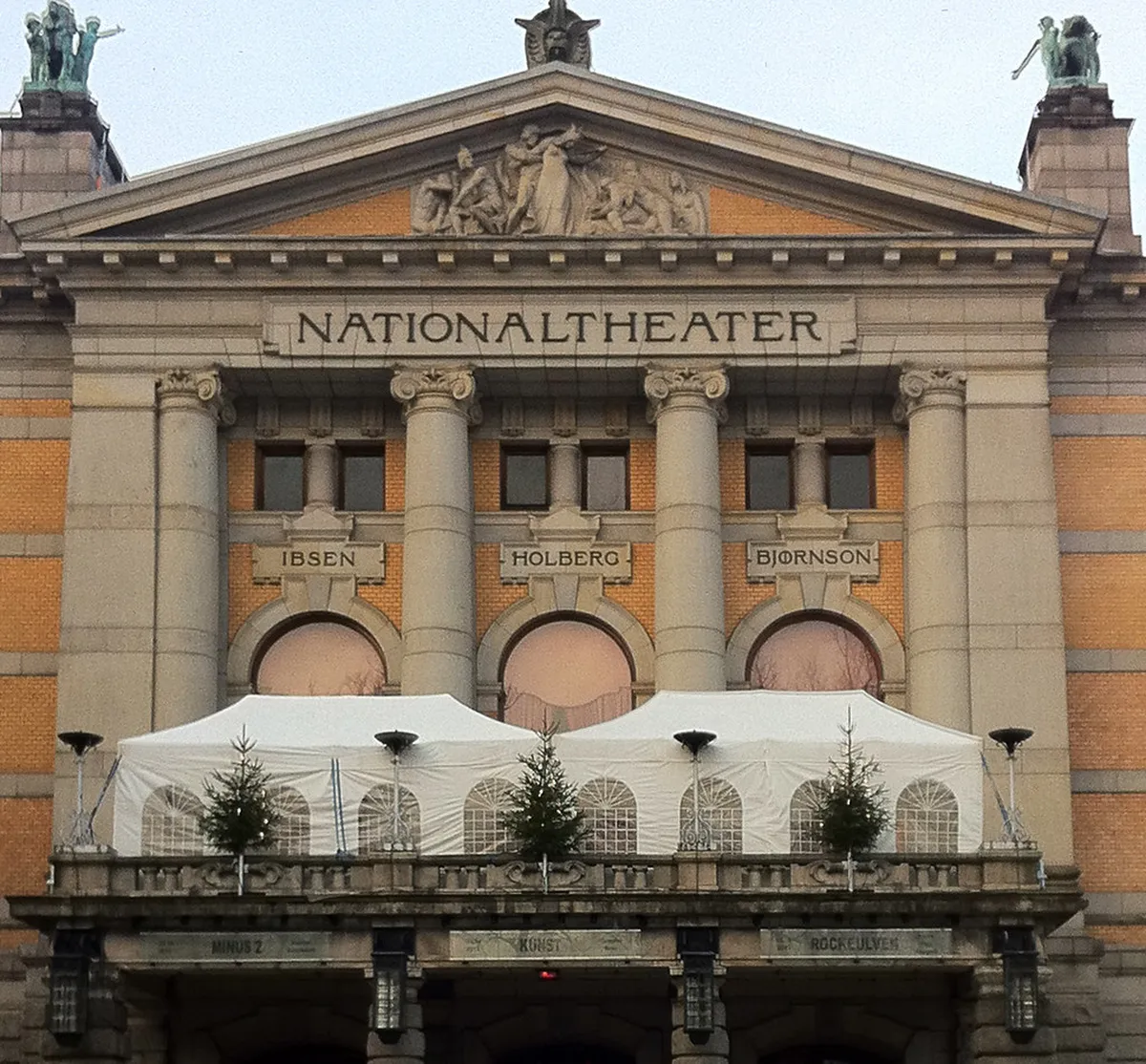
Oslo offers a delightful journey through time. Its streets showcase a rich architectural heritage. Among these, the Art Nouveau Oslo buildings stand out. This unique style, known as Jugendstil, emerged around 1900.
These structures often feature intricate details and organic forms. They provide a beautiful contrast to Oslo's modern skyline. Prepare to explore these captivating historical Oslo buildings. This guide will help you discover their beauty in 2026. Find an Oslo architecture itinerary perfect for your trip.
The Unique Flair of Oslo's Art Nouveau Style
Turn this guide into a personal route with our free Oslo itinerary planner.
Art Nouveau in Oslo, or Jugendstil, bloomed after a devastating city fire. The great fire of 1899 reshaped the city center. Many new buildings adopted this popular European style. This period of rapid rebuilding spurred its widespread use.
Norwegian Art Nouveau often shows restraint compared to other countries. You will notice elegant, flowing lines and natural motifs. Floral patterns and mythological creatures are common. These elements adorn facades and interior spaces.
The style was heavily influenced by German and Belgian trends. Local architects adapted it to fit Oslo's character. They blended international design with Norwegian sensibilities. This created a distinct local expression of the movement.
Many buildings feature decorated bay windows and wrought ironwork. Stone carvings add texture and depth to the streetscape. Exploring these details reveals hidden artistry. Consider a walking tour of Oslo's architecture to see them all.
This distinct period offers a fascinating glimpse into Oslo's past. For more insights into architectural evolution, visit our architecture blog. You will learn about other significant eras in the city's development. Discover the diverse layers of Oslo's building history.
Iconic Art Nouveau Buildings in Oslo City Centre
The city center holds some of the finest Art Nouveau Oslo buildings. Many are located near Karl Johans Gate. Start your exploration around Stortorvet Square. This area served as a focal point for rebuilding after the fire.
Stortorvet 7 is a prime example of Jugendstil. This former Svanen Apotek building boasts exquisite details. Look for the swan motif and vibrant tile work. It reflects the pharmaceutical theme beautifully.
Another notable structure is Grensen 10. Its facade features intricate stucco decorations. The organic shapes are characteristic of the style. This building stands as a testament to early 20th-century design. Observe the subtle curves and decorative windows carefully.
Continue your walk to Kirkegata 20. This building exhibits strong Art Nouveau elements. Its ornate entrance and bay windows are particularly striking. The craftsmanship shows in every detail. These buildings offer fantastic photo opportunities.
Near these sites, you can also explore other architectural marvels. The Oslo Central Station features its own unique historical design. The nearby Parliament House architecture is also worth seeing. These landmarks highlight Oslo's varied architectural landscape.
Discovering Jugendstil Treasures in Frogner
Beyond the city center, the Frogner district is a treasure trove. This affluent residential area houses many beautiful Art Nouveau buildings. They often take the form of grand apartment complexes. These demonstrate the style's domestic application.
Stroll along Bygdøy Allé for some of the best examples. Many buildings here feature decorative balconies and elaborate entrances. Look for detailed plasterwork and vibrant color schemes. Each building tells its own architectural story.
Frognerveien also offers numerous Jugendstil gems. Pay attention to the doorways and window frames. You will often find unexpected design flourishes. These smaller details make the exploration rewarding.
Many Frogner buildings include internal courtyards. These often have their own Art Nouveau elements. While not always publicly accessible, their exteriors are impressive. Imagine living in such architecturally rich surroundings.
Combine your architectural walk with a visit to a nearby park. Vigeland Park is a short distance away. You can also glimpse the Royal Palace's design from this area. For stunning panoramic views, seek out Oslo's best architectural viewpoints.
Planning Your Art Nouveau Architecture Tour in 2026
To fully appreciate Oslo's Art Nouveau buildings, careful planning helps. A self-guided walking tour is an excellent option. Wear comfortable shoes and bring a good map. Many key sites are within easy walking distance.
The best time to visit Oslo for architecture is spring or fall. From April to June or September to October, the weather is mild. Fewer tourists mean a more relaxed viewing experience. Check our guide on the best time for Oslo architecture tours. Avoid peak summer crowds if possible.
Consider joining a guided tour for deeper insights. Local guides can highlight hidden details. They often share fascinating historical anecdotes. These tours enhance your understanding of Jugendstil architecture.
Use Oslo's efficient public transport system to cover more ground. Trams and buses can quickly take you between districts. This allows you to maximize your exploration time. Learn about transport for your architecture tour. It is easy to navigate the city's network.
Remember to look up, down, and all around. Art Nouveau details are not just at eye level. Intricate rooftop ornaments and basement window details exist. Take your time to absorb every decorative element. You'll discover something new each time you look.
Frequently Asked Questions
What is Jugendstil in Oslo?
Jugendstil is the German name for Art Nouveau. It is an architectural style popular around 1900. In Oslo, it features organic lines, floral motifs, and decorative facades. It emerged largely during the city's rebuilding phase.
Are there guided Art Nouveau tours in Oslo?
Yes, several companies offer guided architectural tours. Some specifically focus on Jugendstil buildings. These tours provide expert commentary and historical context. They can help you find where to see Art Nouveau in Oslo.
Where can I find an Art Nouveau map of Oslo?
Specialized architectural maps might be available at tourist offices. Online resources also offer self-guided routes. You can usually find a good Oslo architecture map online. These maps often highlight key Jugendstil locations.
Oslo's Art Nouveau buildings are a true visual delight. They offer a unique blend of elegance and historical charm. Take the time to explore their intricate details in 2026. Each building tells a story of a bygone era.
From the city center to Frogner, beauty awaits around every corner. Embrace the decorative splendor of Jugendstil architecture. Discover the unique architecture of Oslo. Your architectural adventure starts now.
Key Takeaways
- Oslo's Art Nouveau (Jugendstil) is a restrained, elegant style.
- The city center and Frogner district hold many prime examples.
- Look for intricate facades, floral motifs, and decorative ironwork.
- Plan a self-guided or guided walking tour for the best experience.
- Spring and fall offer the most pleasant weather for exploration.