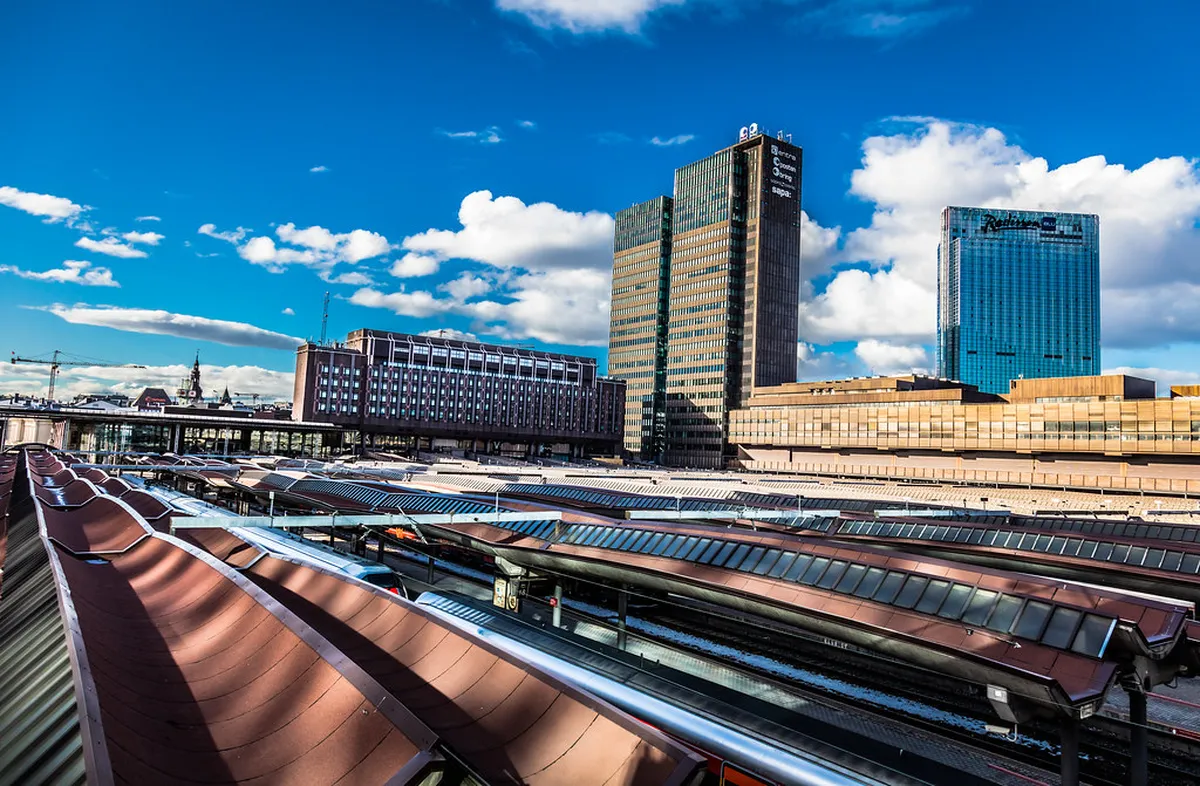
Oslo Central Station, known locally as Oslo S, stands as a vital transport hub. It also serves as a remarkable architectural landmark in Norway. This guide explores the fascinating Oslo Central Station architecture in 2026. You will discover its rich history and modern design elements. Prepare to marvel at this impressive urban gateway and learn about its design evolution.
This station perfectly blends historical grandeur with contemporary functionality. Its design tells a story of Oslo's growth and transformation. Plan your visit to experience this architectural gem. You can also explore Oslo's broader architectural itinerary easily from here.
A Journey Through Time: Oslo S History
Turn this guide into a personal route with our free Oslo itinerary planner.
Oslo Central Station holds a deep history. It emerged from the merger of two older stations. The first station, built in 1854, was Oslo East Station. It marked the beginning of Norway's railway network.
Over the years, the station underwent several transformations. Major renovations occurred to accommodate growing passenger numbers. The current main building dates back to 1987. This project combined the two historical stations effectively.
Architect John Engh designed the modern station. His vision created a unified, efficient transport center. This transformation connected past railway heritage with future needs. Learn more about Oslo S station history and its significant milestones.
The integration was a massive urban planning effort. It redefined railway travel in Norway. Today, Oslo S serves millions of travelers annually. It remains a testament to careful architectural foresight.
Architectural Blend: Old Meets New at Oslo S
The unique Oslo Central Station architecture showcases a fascinating blend. You will see both classical and modern design elements. The original stone facade of Oslo East Station still stands proudly.
This historical facade contrasts beautifully with newer additions. A large, curving glass roof now covers the train platforms. This modern canopy allows natural light to flood the concourse. It creates an airy and welcoming atmosphere for travelers.
Inside, the station features grand, open spaces. High ceilings and robust materials dominate the design. Concrete, steel, and glass are used extensively. These elements define contemporary Norwegian design principles. Discover more contemporary Oslo architecture throughout the city.
The blend reflects Oslo's urban development philosophy. It respects the past while embracing innovation. This careful balance makes Oslo S a significant architectural landmark. It's truly a must-see for design enthusiasts.
Beyond Function: Art and Public Spaces
Oslo Central Station is more than just a transportation hub. It also functions as a vibrant public space. Numerous art installations enhance the station's environment. These works add cultural depth to the bustling terminal.
Look for various sculptures and murals throughout the complex. They offer visual interest to commuters and tourists alike. These artistic additions contribute to the station's character. They make waiting for a train a more pleasant experience. Explore other public art installations around Oslo.
The concourse area features shops, cafes, and restaurants. These amenities cater to diverse traveler needs. It's a place where people meet, dine, and relax. The station truly acts as a city within a city. You can find excellent food spots near the architecture here.
The surrounding Jernbanetorget square is another vital area. It serves as a large public plaza. This square connects the station to the rest of the city. It’s a popular spot for events and gatherings in 2026.
Oslo S in the Fjord City Vision
Oslo Central Station plays a crucial role in Oslo's Fjord City project. This ambitious urban renewal program reshaped the waterfront. The station acts as a gateway to these new developments. It connects the city center to the revitalized harbor areas.
The Fjord City project emphasizes modern, sustainable architecture. The station's own design aligns with these goals. Its efficiency and public integration reflect the city's future vision. Learn about Fjord City urban planning and its impact. This transformation continues to evolve in 2026.
Nearby, you'll find impressive modern buildings like the Barcode Project. The Barcode Project in Oslo is a striking example. These structures complement the station's contemporary elements. Together, they create a cohesive urban landscape.
The station also serves as a major intermodal transport point. It links trains, trams, and buses seamlessly. This integration is key to Oslo's sustainable urban strategy. It encourages public transport use for all travelers.
Visiting Oslo Central Station: Tips for Travelers
Exploring Oslo Central Station architecture is easy. The station is located at Jernbanetorget 1, 0154 Oslo. It is open 24 hours a day, though shops have varying hours. Entry is free to explore its public areas.
For the best views, observe the glass roof from below. Also, take time to appreciate the old stone facade. Consider a specific Oslo architectural walking tour starting from here. These tours often highlight key design features effectively.
Accessing the station is simple via public transport. The Jernbanetorget metro station is directly underneath. Trams and buses stop right outside the main entrance. This makes it a perfect starting point for any Oslo adventure.
Allow at least 30-60 minutes to fully appreciate its design. Visit during off-peak hours for fewer crowds. Early mornings or late evenings provide a quieter experience. It offers a chance to truly admire the station's grandeur.
Frequently Asked Questions
What is the history behind Oslo Central Station architecture?
Oslo Central Station, or Oslo S, began as Oslo East Station in 1854. It merged with Oslo West Station in the 1980s. The current main building opened in 1987. Architect John Engh designed its modern appearance. This consolidation created Norway's largest transport hub. You can read more about Oslo S history for deeper insights.
What architectural styles can be seen at Oslo S?
Oslo S features a compelling mix of styles. The original 19th-century facade represents historical architecture. This contrasts sharply with the modern glass and steel additions. These new elements showcase contemporary Norwegian design. It is a fantastic example of blending old and new harmoniously. Explore other historical Oslo buildings for context.
Are there any public art installations at Oslo Central Station?
Yes, Oslo Central Station features several public art pieces. These installations enhance the station's cultural appeal. Look for various sculptures and murals throughout the concourse. They add visual interest to the bustling environment. This makes the station a destination in itself. Discover more public art in Oslo.
How does Oslo Central Station connect to Oslo's Fjord City project?
Oslo Central Station is integral to the Fjord City project. It serves as a gateway to the revitalized waterfront areas. Its design and function align with the project's urban goals. The station connects old Oslo with new developments seamlessly. This highlights Oslo's progressive urban planning. Learn more about Oslo's Fjord City urban planning initiatives.
Oslo Central Station architecture offers a compelling narrative. It showcases Norway's architectural evolution and urban development. From its historical roots to its modern glass roof, Oslo S is truly remarkable. It stands as a gateway blending past and present seamlessly. Plan your visit to this magnificent transportation hub.
Experience firsthand this vital piece of Oslo's architectural landmarks. It serves as a perfect starting point for exploring the city. Discover its design, art, and vibrant public spaces. Don't miss this iconic structure on your 2026 trip to Oslo.
Key Takeaways
- Oslo Central Station blends 19th-century history with modern Norwegian design.
- The station features a striking glass roof and numerous public art installations.
- It acts as a key gateway connecting Oslo's city center to the Fjord City waterfront.
- Allow at least 30 minutes to explore its unique architecture and vibrant public spaces.