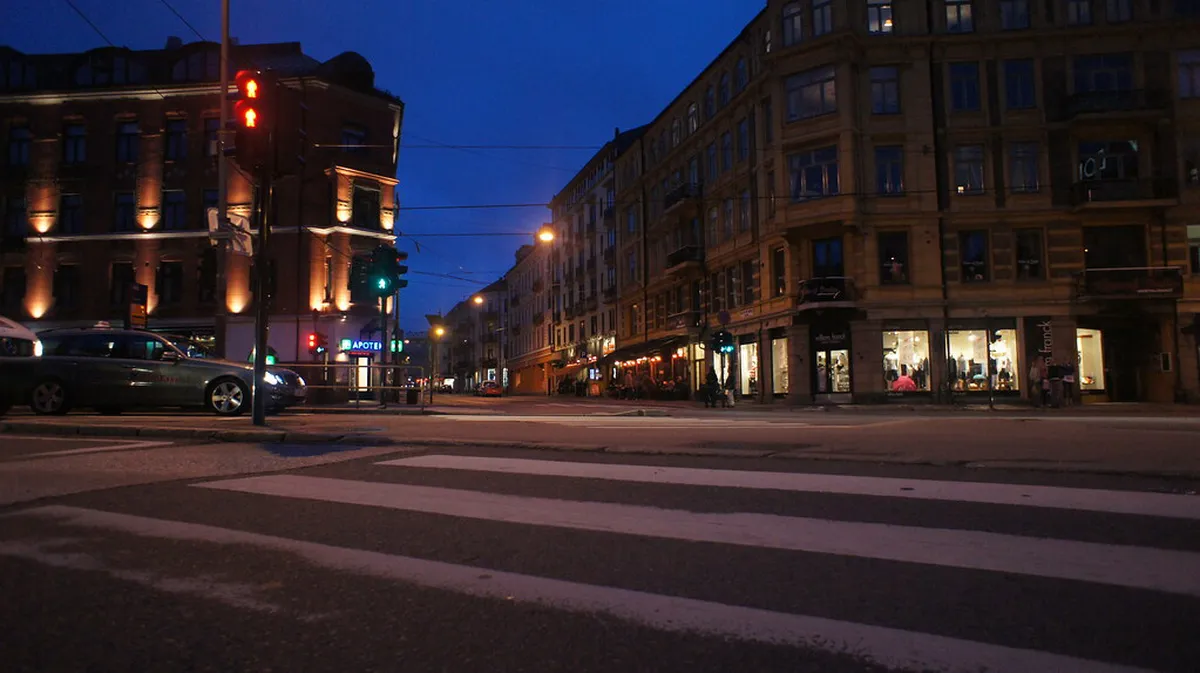
Oslo, Norway’s vibrant capital, boasts a truly unique architectural landscape. The city blends rich history with cutting-edge modern design. You will find stunning structures around every corner. This guide explores the most distinctive buildings. Prepare to be amazed by Oslo's innovative spirit and captivating Oslo architecture. We cover everything for your 2026 visit.
From ancient fortresses to futuristic waterfront developments, Oslo offers diverse styles. Its commitment to sustainability also shines through its buildings. Our expert tips will enhance your architectural journey. Discover hidden gems and famous landmarks alike.
Oslo's Modern Waterfront: Bjørvika's Bold Designs
Turn this guide into a personal route with our free Oslo itinerary planner.
The Bjørvika district is a hub of contemporary design. This area transformed Oslo’s former port into a vibrant urban space. It features many of the city's most striking new buildings. Experience the innovative vision of Fjord City urban planning here.
The Oslo Opera House stands as an iconic landmark. Its sloping roof allows visitors to walk on top. Snøhetta designed this magnificent structure. Entry to the public areas is free. Guided tours cost around 150 NOK, offering insights into its unique design. Discover more in our Oslo Opera House guide.
Nearby, the Barcode Project presents a striking skyline. This cluster of high-rise buildings mimics a barcode pattern. Each building has a distinct architectural style. The varied facades create a dynamic visual effect. Learn about this area in our Barcode Project Oslo article. Many offices and apartments are located within these towers.
Bjørvika also hosts the Deichman Library and Munch Museum. These cultural institutions showcase incredible modern aesthetics. Their designs enhance the public's experience. Explore this area for a true taste of modern Oslo.
Historical Grandeur: Enduring Oslo Buildings
Oslo's past is visible in its robust historical architecture. The Akershus Fortress offers a glimpse into Norway’s defense history. This medieval castle dates back to the 13th century. It offers stunning views over the Oslo Fjord. Entry to the grounds is free. Museum visits cost about 100 NOK. Explore its history in our Akershus Fortress history piece.
The Oslo City Hall is another magnificent structure. It hosts the Nobel Peace Prize ceremony each year. This building combines functionalism with Norwegian art. Tours are available, often free, showcasing its grand halls. Its twin towers dominate the waterfront skyline. Read about its unique design in our Oslo City Hall architecture overview.
The Royal Palace serves as the official residence of the King. This neoclassical building was completed in 1849. Its elegant design stands proudly in the city center. The palace park is open to the public year-round. Guided tours inside are available during summer months. Understand its design principles in our Royal Palace Oslo design article.
These historical landmarks provide a beautiful contrast. They stand strong against the city's modern developments. Their stories are etched into their stone facades. Take time to appreciate their enduring beauty.
Innovative Cultural Hubs and Museum Designs
Oslo’s cultural institutions are architectural masterpieces. The new Munch Museum features a distinctive leaning tower. It houses a vast collection of Edvard Munch's art. The museum opened in 2021. Its design challenges traditional museum structures. Tickets cost approximately 160-200 NOK. Plan your visit to this unique building detailed in our Munch Museum design guide.
Deichman Bjørvika is Oslo's main public library. It received an award for World's Best Public Library. Its open, accessible design welcomes everyone. Large atriums and various reading spaces define it. Entry is free to explore this modern marvel. This library is a true community hub. Find out more about Deichman Library Bjørvika.
The Astrup Fearnley Museum sits on Tjuvholmen peninsula. Renzo Piano designed this striking building. It features a sail-like glass roof. The museum specializes in contemporary art. Its location by the water adds to its appeal. Entrance fees are usually around 150 NOK. Learn about this fantastic space in our Astrup Fearnley Museum piece.
These buildings are not just art repositories. They are themselves works of art. Each one provides a unique experience. They invite visitors to engage with both art and architecture.
Sustainable Visions and Green Integration
Oslo is a leader in sustainable urban development. Many new buildings reflect this commitment. Architects integrate green solutions into their designs. This focus creates a healthier city environment. Explore more about Oslo sustainable architecture.
Ekebergparken combines nature, art, and architecture. This sculpture and heritage park offers stunning city views. It features contemporary art installations. The park also showcases historical buildings. Its thoughtful design blends seamlessly with the landscape. Enjoy free access to its vast outdoor spaces. Discover its blend of art and nature in our Ekebergparken art architecture article.
New residential and commercial projects prioritize energy efficiency. They often use local materials. Green roofs and passive house standards are common. This approach shapes Oslo's future urban fabric. It makes the city a model for others. The city aims for carbon neutrality by 2030. This goal influences all new construction.
Oslo's dedication to sustainability is truly inspiring. It demonstrates how modern cities can thrive. They can grow while protecting the environment. Look for these green features on your visit. They are becoming integral to the city's unique charm.
Quirky Spots and Industrial Transformations
Beyond the famous landmarks, Oslo holds intriguing architectural surprises. The Thief Hotel on Tjuvholmen is an art-focused boutique hotel. Its angular, dark facade stands out. It merges art, design, and luxury seamlessly. Even if not staying, admire its distinctive exterior. It perfectly represents the area’s modern vibe. Read more about The Thief Hotel architecture.
Grünerløkka district offers a different architectural flavor. It features transformed industrial buildings. Former factories now house trendy shops, cafes, and apartments. This area reflects Oslo's urban renewal efforts. The blend of old and new creates a unique atmosphere. Wander through its streets for unexpected finds. Explore its charm, including the Grünerløkka industrial architecture.
Public art is also integrated into Oslo’s unique architecture. Sculptures and installations adorn many buildings. They interact with the urban environment. This adds another layer to the city's visual appeal. Look closely for these artistic details. They often tell local stories. Learn more about public art in Oslo architecture.
These lesser-known spots reveal Oslo's character. They show how the city evolves while preserving its identity. Exploring them provides a deeper understanding. You'll find unique stories in every neighborhood.
Frequently Asked Questions
What are the most famous unique Oslo architecture sites?
The Oslo Opera House is perhaps the most famous. Its walkable roof is truly unique. The Barcode Project offers a modern, striking skyline. The Munch Museum also stands out with its leaning design. These sites are essential for any architectural tour. Consider adding them to your Oslo architectural landmarks list.
Can I explore Oslo's architecture on a budget in 2026?
Absolutely, many sites are free to enjoy. Walking around Bjørvika is free. You can walk on the Opera House roof. Akershus Fortress grounds are also free. The Deichman Library provides free access. Check our guide on free Oslo architecture spots. Public parks with art, like Ekebergparken, are also free.
Where can I find a map of Oslo's architectural landmarks?
Online resources and city tourism offices offer maps. Many architectural walking tours provide maps. You can also create your own route. Our website features an interactive Oslo architecture map. This can help you plan your journey efficiently. Many mobile apps also offer architectural guides.
Oslo offers a compelling architectural journey for every visitor. Its unique blend of historical and modern structures is truly impressive. From the striking Opera House to ancient fortresses, there is much to see. The city's dedication to sustainable design shines through. Plan your visit to experience this amazing urban landscape.
Ready to explore these architectural wonders yourself? Consider booking one of the many Oslo architectural walking tours. They offer deeper insights into the city's design. Immerse yourself in the captivating beauty of Oslo's buildings. You will create lasting memories of your trip.
Key Takeaways
- Oslo combines historic sites with futuristic waterfront architecture.
- Many architectural marvels, like the Opera House, offer free public access.
- The city's commitment to sustainability is evident in its modern designs.