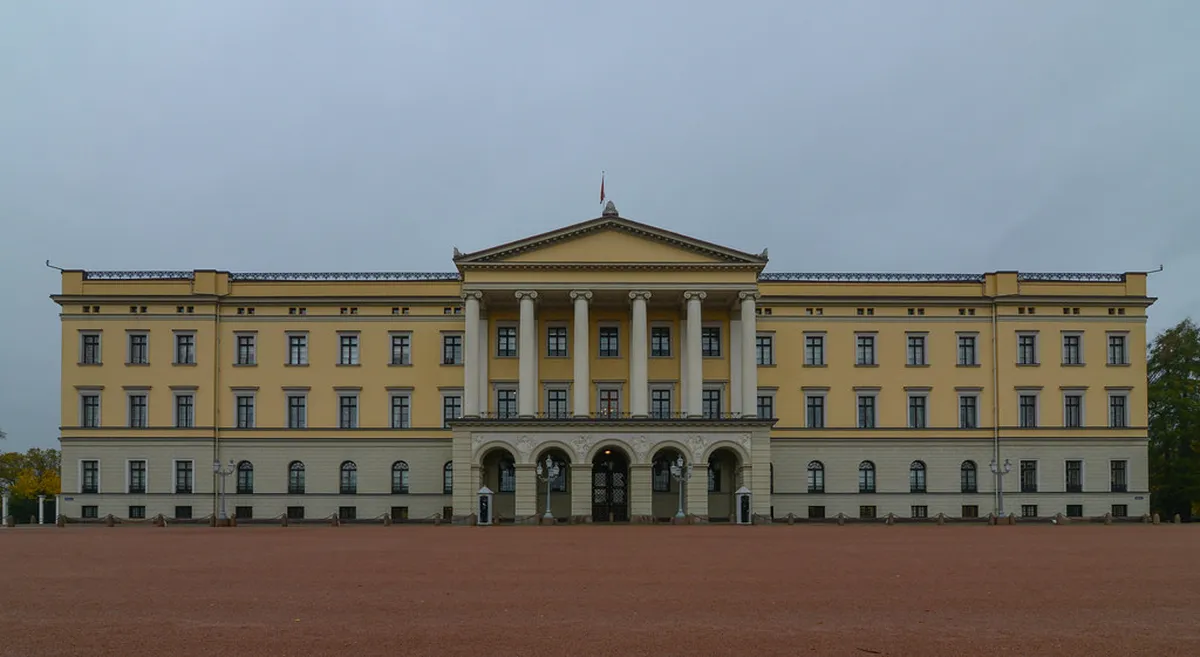
The Royal Palace Oslo stands majestically over Karl Johan's Gate. This iconic landmark showcases remarkable architectural design. It serves as the official residence of Norway's monarch. Exploring its history and Royal Palace Oslo architecture reveals fascinating details. Plan your visit to this beautiful site in 2026.
Its elegant Neoclassical style defines the cityscape. The palace represents Norway's rich heritage and culture. You can learn more about historical Oslo buildings during your trip. Prepare to be captivated by its grandeur.
The Royal Palace Oslo Design: A Historical View
Turn this guide into a personal route with our free Oslo itinerary planner.
The Royal Palace began construction in 1825. King Charles XIV John commissioned the project. Architect Linstow led its groundbreaking design. This vision aimed to create a fitting royal residence.
Hans Ditlev Franciscus Linstow (1787-1851) was a key figure. He designed the palace in a distinct Neoclassical style. This style reflects classical Roman and Greek influences. It features symmetry, grand scale, and formal elements.
Construction faced financial challenges and delays. Initial plans were more ambitious. The palace was finally finished by 1849. Its completed design still impresses visitors. Explore more Oslo architecture itinerary highlights.
The palace's strategic location was also carefully chosen. It sits at the top of Karl Johan's Gate. This position provides a commanding view of the city. It truly dominates the urban landscape.
Linstow ensured a cohesive design for the surrounding area. He also planned the Palace Park carefully. This integration connects the palace with the city. It establishes the palace as a central landmark. Discover more about historical Oslo buildings and their contexts.
Neoclassical Grandeur of the Palace Exterior
The Royal Palace Oslo design is unmistakably Neoclassical. Its imposing facade creates a sense of regal authority. Symmetrical lines and classical elements define its appearance. This architectural style embodies strength and dignity.
The building features a prominent central portico. Four majestic columns support a grand balcony. These elements reflect ancient Greek and Roman temple designs. The palace stands as a symbol of classical elegance.
The exterior uses light-colored brick and plaster. This gives the palace a bright, welcoming presence. It contrasts beautifully with the lush green park. The modest yet stately design feels distinctly Norwegian.
The main entrance features large wooden doors. These are often open during public access times. Royal flags fly proudly from the rooftop. The palace provides excellent photo opportunities, especially at sunset. Consider an Oslo architectural walking tour to appreciate such details.
The palace's strategic placement on a hill enhances its visibility. It forms the endpoint of Oslo's main street. This design creates a powerful visual axis. It underscores the palace's importance in the city. Explore other Oslo architectural landmarks for similar urban planning impact.
Interior Design and Royal Life at the Palace
The interior of the Royal Palace showcases opulence and function. Each room serves a specific royal purpose. Public areas feature grand decorations and artwork. These spaces reflect Norway's rich cultural history.
Highlights include the Great Hall and the Dining Room. The Great Hall hosts official receptions and banquets. Detailed frescoes and ornate stucco adorn its ceilings. These features create a truly magnificent atmosphere.
The Bird Room is a famous interior space. This salon hosts audiences and meetings. Its walls feature vibrant bird motifs. This distinctive design adds unique charm.
Another notable feature is the King's Guard Room. This space is located near the entrance. It serves practical security functions. The room shows aspects of daily palace operations.
Private royal apartments remain closed to the public. Guided tours offer glimpses into key state rooms. You can admire historical furniture and art. Learn more about visiting the Oslo Royal Palace for full details. Many Oslo design elements are found throughout the palace.
The Palace Park: Public Space and Royal Tradition
The Royal Palace Oslo design extends beyond the building. Its expansive park creates a tranquil green oasis. This park is open to the public year-round. It offers a beautiful retreat in the city center.
Linstow designed the park alongside the palace. It features winding paths and mature trees. Several statues and monuments dot the landscape. The park perfectly complements the palace's grandeur.
Discover other examples of public art in Oslo. This can include pieces found in Ekebergparken. The park creates a harmonious setting. It truly enhances the Royal Palace Oslo design.
A major highlight is the Changing of the Guard. This ceremony occurs daily at 1:30 PM. The King's Guard marches from Akershus Fortress. They parade through the park to the palace. It is a popular and free attraction for visitors.
The park is ideal for leisurely strolls or picnics. You can enjoy relaxing and beautiful palace views. The best time to visit is during spring and summer. These months offer perfect conditions to explore free Oslo architecture.
Plan Your Royal Palace Visit in 2026
The Royal Palace is a working residence. Public access to its interior is limited. Guided tours run exclusively during summer months, usually late June to mid-August. Check the official website for 2026 dates.
Tickets sell out quickly, especially for English tours. Booking online in advance is highly recommended. Adult tickets usually cost around 175 NOK (about $16 USD). Children and seniors often receive discounts.
Even without a tour, the grounds offer much. The Palace Park is open daily, year-round. Don't miss the Changing of the Guard at 1:30 PM. This ceremony is a fantastic free Oslo experience.
Consider combining your visit with nearby attractions. The National Gallery is a short walk away. The Parliament House offers another impressive architectural view. These add depth to your royal experience and can be found on an Oslo architecture map.
The palace is centrally located in Oslo. It is easily accessible by public transport. Take tram lines to Nationaltheatret station. Plan your route using Oslo public transport options for an easy walk.
Cultural and National Significance of the Palace
The Royal Palace Oslo design holds deep national significance. It is more than just a building. It represents Norway's independent identity. The palace symbolizes the monarchy's enduring presence.
Originally built for King Charles III John, it embodies national pride. The palace's construction marked a new era for Norway. It affirmed its status as a sovereign nation. This architectural marvel stands proud and tall.
It acts as the primary residence and workplace for the King. Important state functions and ceremonies occur here. The palace hosts foreign dignitaries regularly. Explore Oslo's Government Quarter for more insights.
The public park surrounding the palace emphasizes accessibility. This openness reflects Norwegian values. It shows a close connection between royalty and citizens, a feature common in unique Oslo architecture. This unique aspect enhances the overall royal experience.
The Royal Palace contributes significantly to Oslo's identity. Its Neoclassical elegance defines a part of the city. It attracts millions of visitors annually. The palace remains a proud symbol of Norway and an important part of Oslo's architectural landmarks.
Frequently Asked Questions
What is the main architectural style of the Royal Palace Oslo?
The Royal Palace Oslo design is primarily Neoclassical. This style draws inspiration from classical Greek and Roman architecture. It features symmetry, grand scale, and formal elements. Architect Hans Linstow implemented this vision. Learn more about historical Oslo buildings and their styles.
Can the public visit the Royal Palace interior in Oslo?
Yes, interior access is limited. Guided tours run during summer months, typically late June to mid-August. Book tickets online in advance for a smooth visit. Discover more about visiting the Oslo Royal Palace.
What can visitors do at the Royal Palace Oslo for free?
Visitors can enjoy the expansive Palace Park for free. It is open to the public year-round. Don't miss the daily Changing of the Guard ceremony at 1:30 PM. This is a fantastic free Oslo experience.
Who designed the Royal Palace in Oslo?
Architect Hans Ditlev Franciscus Linstow designed the Royal Palace. He was a prominent figure in Norwegian architecture. His design utilized the Neoclassical style. This style remains evident throughout the palace and among other Oslo architects' works.
The Royal Palace Oslo design embodies national pride and architectural elegance. Its Neoclassical style and grand presence are undeniable. From intricate interiors to its expansive park, it offers a unique experience. It truly reflects Norway's rich history and culture.
Discover the beauty of Oslo's royal history firsthand. Explore the palace grounds and witness its traditions. This visit offers a memorable glimpse into Norwegian heritage. Don't miss this iconic Oslo architectural landmark. Learn more about visiting the Royal Palace.
Key Takeaways
- Book summer tours early for interior access to the Royal Palace.
- Enjoy the Palace Park and the Changing of the Guard ceremony for free.
- Appreciate the Neoclassical design as a powerful symbol of Norway's heritage.