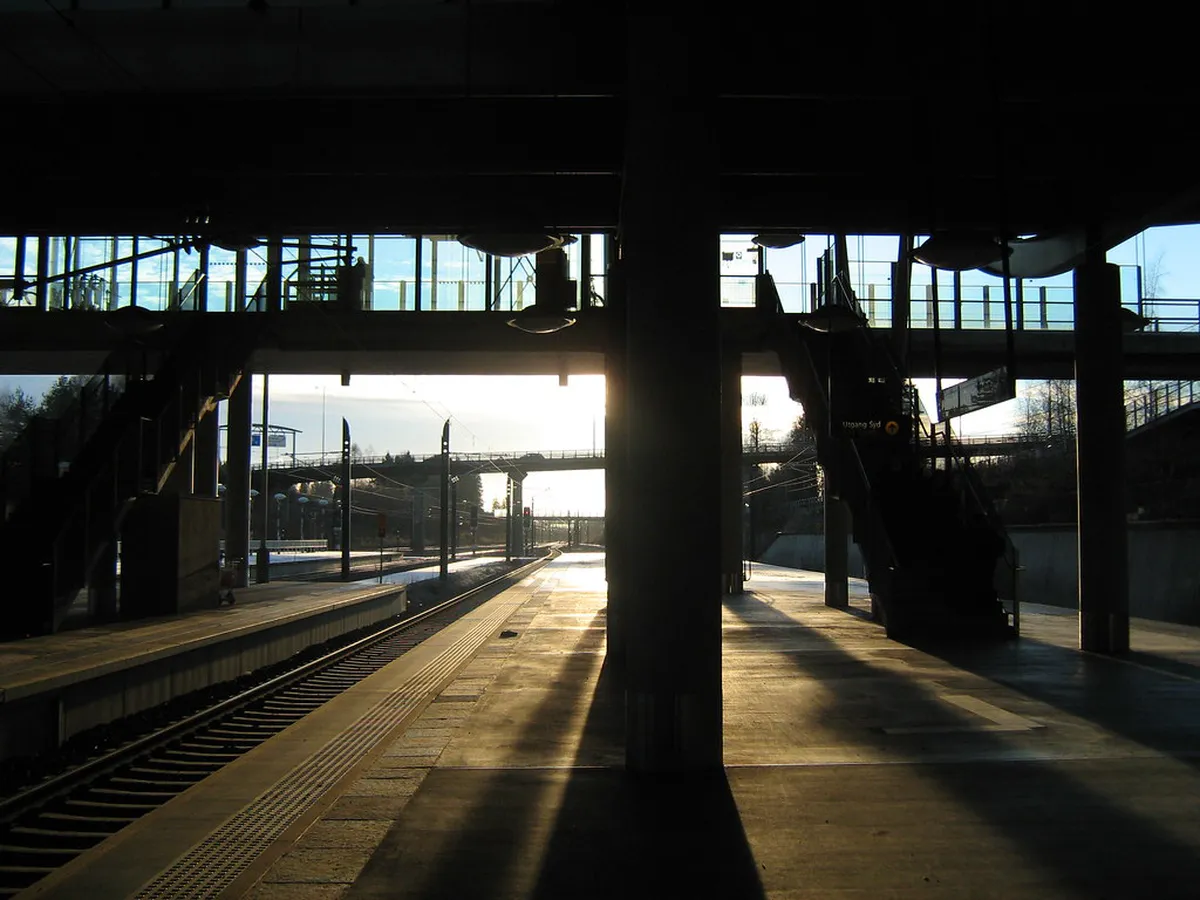
Oslo stands as a global leader in sustainable urban development. Its commitment to green design is truly inspiring. The city integrates ecological principles into every new project. This guide explores Oslo sustainable architecture in 2026. Discover how design protects Norway's stunning natural environment. Plan your architecture itinerary for a truly unique experience. You will find innovation everywhere you look.
Norway's capital prioritizes energy efficiency and local materials. Buildings often feature green roofs and solar panels. Public spaces encourage walking and cycling. Oslo shows the world a greener future. Learn more about Oslo's urban planning initiatives. Prepare to be amazed by its forward-thinking approach.
Oslo's Green Vision: Pioneering Sustainable Design
Turn this guide into a personal route with our free Oslo itinerary planner.
Oslo embraces sustainability as a core value. The city's architectural vision reflects this commitment. New buildings focus on reducing environmental impact. They aim for energy efficiency and resource conservation. This holistic approach makes Oslo a true pioneer.
Many projects use locally sourced timber and recycled materials. Architects consider a building's entire lifecycle. This includes construction, operation, and eventual deconstruction. The goal is to minimize waste and emissions. This thoughtful planning sets Oslo apart globally.
Public transport is also a key part of the green vision. Oslo promotes walking and cycling infrastructure. This reduces reliance on private cars. Efficient public transit links major architectural sites. Explore Oslo's architectural transportation options. It helps create a healthier urban environment.
Oslo aims to be carbon neutral by 2030. This ambitious target drives innovation. Buildings often meet strict environmental standards. They integrate nature and urban living seamlessly. Discover more about green buildings in Oslo. This dedication ensures a sustainable future for all.
Iconic Examples of Oslo Sustainable Architecture
Oslo boasts many remarkable green buildings. The Deichman Bjørvika Library is a prime example. It uses passive house technology and renewable energy. This stunning building promotes reading and environmental awareness. It officially opened in 2020 near the Opera House.
Another highlight is the Oslo Opera House. While older, its white marble design reflects natural light. Its accessible roof acts as a public plaza. This blends architecture with its natural surroundings. The building connects people with the fjord. It truly exemplifies smart urban integration.
The Barcode Project redefines the city skyline. These slender high-rises incorporate green solutions. They feature energy-efficient facades and smart building systems. The varied designs offer unique architectural experiences. This district shows modern sustainable urban planning. It's a must-see for visitors in 2026.
The new Munch Museum also demonstrates modern sustainable design. Its perforated aluminum facade changes with light. It uses geothermal heating and cooling systems. The building minimizes its energy consumption. It stands as a beacon of cultural sustainability. Visit these sites to witness innovation firsthand.
Bjørvika and Fjord City: Urban Regeneration
The Bjørvika district is a testament to urban renewal. This former industrial area is now a vibrant cultural hub. Its transformation focuses heavily on sustainability. It features pedestrian-friendly streets and waterfront access. This area beautifully integrates nature and urban life.
The Fjord City project guides this extensive regeneration. It aims to reconnect Oslo with its waterfront. New buildings feature energy-efficient designs. They often incorporate public green spaces. This creates a balanced environment for residents and visitors. Learn about Oslo's waterfront development goals.
Deichman Bjørvika Library and the Munch Museum are key elements. These structures use advanced sustainable technologies. They are designed to minimize their carbon footprint. The entire area promotes a car-free lifestyle. This reduces pollution and noise significantly.
Walking tours highlight the sustainable elements of Bjørvika. You can explore the various architectural styles. Observe the integration of public art and green spaces. Consider an Oslo architectural walking tour. It offers deep insights into these innovative projects. These developments set a high bar for future cities.
Planning Your Sustainable Architecture Tour in 2026
Visiting Oslo's green buildings is easy and rewarding. Many key sites are located in central areas. You can reach them easily by walking or public transport. Trams and buses are frequent and efficient. Consider purchasing an Oslo Pass for convenience.
Start your tour at Bjørvika for maximum impact. The Opera House, Deichman Library, and Munch Museum are here. Allow ample time to explore each building. Many offer guided tours explaining their sustainable features. Check official websites for opening hours in 2026.
Don't miss the Barcode district nearby. Its unique buildings offer diverse architectural styles. Enjoy a coffee at a sustainable cafe in the area. Many establishments prioritize local and organic produce. This enhances your eco-friendly travel experience.
For a deeper dive, consider a specialized tour. Local guides provide expert insights. They can highlight hidden sustainable gems. Remember to wear comfortable shoes for walking. This allows for extensive exploration. Discover more contemporary Oslo architecture beyond the usual. Most tours start around NOK 300-500 per person.
Frequently Asked Questions
What defines sustainable architecture in Oslo?
Oslo's sustainable architecture focuses on minimizing environmental impact. It emphasizes energy efficiency and local materials. Buildings often incorporate green roofs and smart waste systems. They aim to reduce carbon emissions significantly. Discover more eco-friendly design projects shaping the city's future.
Which areas in Oslo showcase green buildings prominently?
The Bjørvika district is a prime location. It features the Deichman Library and Munch Museum. The Barcode Project also showcases sustainable high-rises. Other examples are spread throughout the city. The Fjord City development is a major initiative. Learn about Deichman Library's design and features.
Can visitors easily access Oslo's sustainable architectural sites?
Yes, most sites are very accessible. They are concentrated in central Oslo. Public transportation is excellent and eco-friendly. Many locations are within walking distance of each other. Consider an Oslo architecture map for easy navigation.
Oslo's commitment to sustainable architecture is truly commendable. The city provides a living laboratory for green design. Its innovative projects blend beauty with environmental responsibility. Exploring these sites offers unique insights. You will see how urban development can coexist with nature.
Plan your visit to Oslo in 2026 to witness this progress. Experience a city building a greener future. It offers inspiration for cities worldwide. Don't miss the opportunity to explore its amazing green buildings. Start your Oslo architecture tours today. Discover the cutting-edge of sustainable design.
Key Takeaways
- Oslo is a leader in sustainable architecture and urban planning.
- Key sites like Bjørvika and Barcode showcase eco-friendly design.
- Public transport and walking make touring green buildings easy.
- Oslo aims for carbon neutrality by 2030, driving innovation.
- Many buildings use local materials and energy-efficient systems.