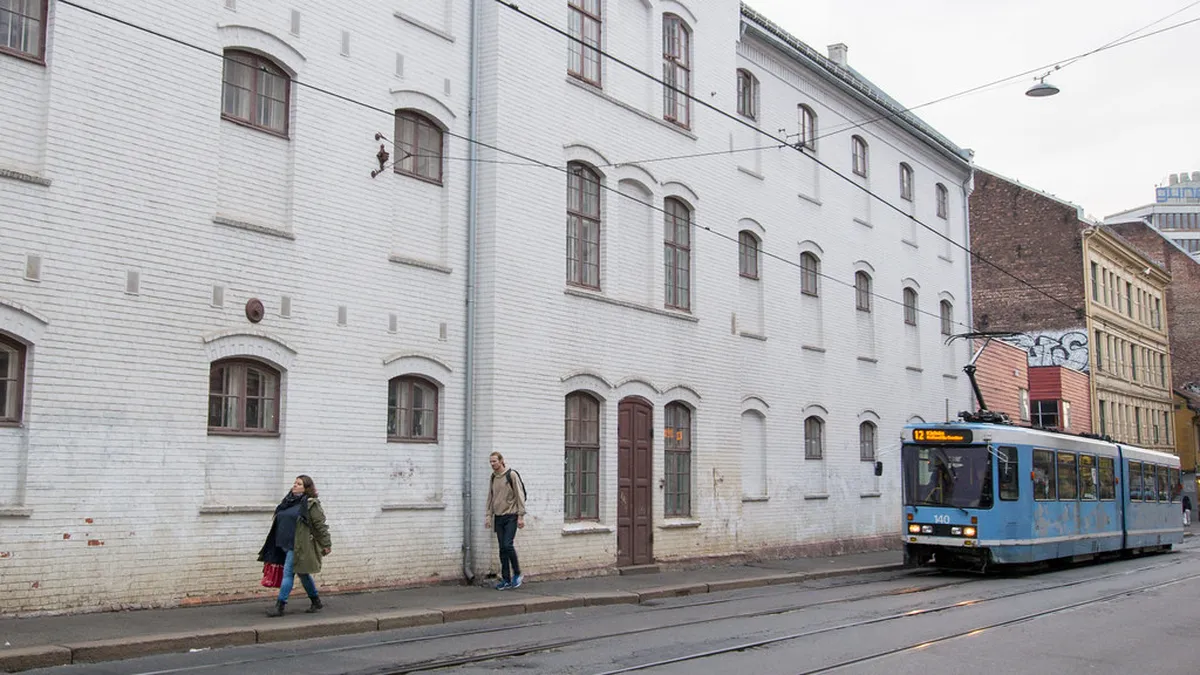
Oslo, Norway, boasts stunning architecture everywhere. This includes its efficient public transportation system. The city's transport hubs are not just functional spaces. They are also design masterpieces for 2026. Exploring Oslo public transportation architecture reveals hidden gems and modern marvels.
This guide highlights the unique designs of Oslo’s stations. You will discover how transport enhances the urban landscape. Plan your journey through Oslo's architectural itinerary easily. Learn how excellent urban planning shapes the entire Fjord City.
Oslo Central Station: A Hub of Modern Design
Turn this guide into a personal route with our free Oslo itinerary planner.
Oslo Central Station, or Oslo S, is a vital transport link. It blends historical structures with sleek modern additions. The original station building dates back to 1854. Extensive renovations have created a dynamic space.
Today, it serves as a major gateway to Oslo. Its design incorporates steel, glass, and natural light. Travelers experience both efficiency and aesthetic appeal. The station connects trains, buses, and trams seamlessly.
Visitors can appreciate the blend of old and new elements. Consider exploring the impressive Oslo Central Station architecture up close. Nearby, the Barcode Project adds to the modern urban fabric. These contemporary structures redefine Oslo's skyline dramatically.
The station also features various retail and dining options. It provides a comfortable waiting area for commuters. Its design reflects Oslo's commitment to modern, functional spaces. This makes it a great starting point for any architectural tour.
Metro Stations: Underground Art and Function
Oslo's metro system, known as T-bane, offers much more than transport. Many stations showcase remarkable design. They often feature public art installations too. These spaces transform daily commutes into cultural experiences.
Jernbanetorget station provides a colorful example. Its vibrant murals guide passengers through the concourse. Nationaltheatret station presents a more minimalist approach. It emphasizes clean lines and functional beauty. Each station offers a distinct visual identity.
Explore the unique Oslo metro station design for yourself. Discover how public art integrates with the architecture. It's a fantastic way to see different parts of the city. Use an Oslo architecture map to navigate easily.
The use of robust materials ensures durability. Thoughtful lighting creates welcoming environments underground. These design choices reflect Norway's focus on quality. They also highlight a commitment to public spaces.
Tram & Bus Stops: Integrating into Cityscapes
Even smaller public transportation elements contribute significantly. Oslo's tram and bus stops are often elegantly designed. They blend seamlessly into the urban environment. Many feature modern materials like glass and steel.
These structures prioritize both aesthetics and user comfort. Shelters provide protection from Norway's weather. Digital displays offer real-time information for travelers. Their simple forms complement the surrounding buildings.
Learn more about Oslo tram stop architecture on your visit. Many designs incorporate sustainable features. This aligns with Oslo’s green city initiatives. These smaller designs reflect Oslo's sustainable architecture goals.
The thoughtful placement of these stops minimizes visual clutter. They enhance the overall streetscape. This attention to detail defines much of Oslo's contemporary architecture. Keep an eye out for these subtle design touches during your travels.
Planning Your Architectural Public Transport Tour
Touring Oslo's public transportation architecture is simple. Purchase a Ruter travel card for easy access. This card works on all buses, trams, and metro lines. You can buy it at kiosks or through the Ruter app.
Start at Oslo Central Station to see its grand design. Then, take the T-bane to explore various metro stations. Jernbanetorget is a great first stop. Consider a guided transport for architecture tour. Such tours offer deeper insights.
Explore the city using its efficient network in 2026. Hop on a tram to see different neighborhoods. Look for distinctive tram and bus stop designs. Many architectural walking tours also use public transport. They cover key areas like Bjørvika and the waterfront.
Booking your tour in advance can save time. Many Oslo architecture tours include transportation. Remember to wear comfortable shoes. This allows for both riding and walking exploration.
Frequently Asked Questions
What makes Oslo's public transport architecture truly unique?
Oslo's public transport architecture stands out for its integration. It combines modern design with functionality. Many stations feature impressive public art. This creates a cohesive urban experience. The city prioritizes aesthetics and efficiency. This makes it a great destination for unique Oslo architecture.
How can I best explore Oslo's architectural transport hubs?
The best way is by using Oslo’s public transport itself. Purchase a Ruter ticket for unlimited travel. Ride the metro, tram, and bus lines. Focus on key stations like Oslo Central Station. Use an Oslo architecture map to guide your journey. This allows for immersive exploration.
Are there specific stations known for their design appeal?
Yes, several stations are renowned for their design. Oslo Central Station boasts impressive modern renovations. Jernbanetorget metro station features vibrant artistic elements. Nationaltheatret station offers a clean, minimalist aesthetic. These are considered Oslo's architectural landmarks within the transport system.
Oslo public transportation architecture offers a fascinating journey. It showcases Norway's dedication to design and efficiency. From grand central stations to elegant tram stops, beauty is everywhere. These structures are more than just transit points. They are integral parts of Oslo's modern identity.
Plan your architectural exploration in 2026. Discover the beauty of these urban spaces firsthand. Check out more Oslo architecture itineraries for ideas. Explore more travel insights on the itimaker blog today.
Key Takeaways
- Oslo's public transport is a showcase of modern Norwegian design.
- Metro stations feature stunning art and functional aesthetics.
- Tram and bus stops blend seamlessly, often with sustainable elements.
- A Ruter travel card is essential for an architectural transport tour.
- Explore Oslo Central Station as a prime example of integrated design.