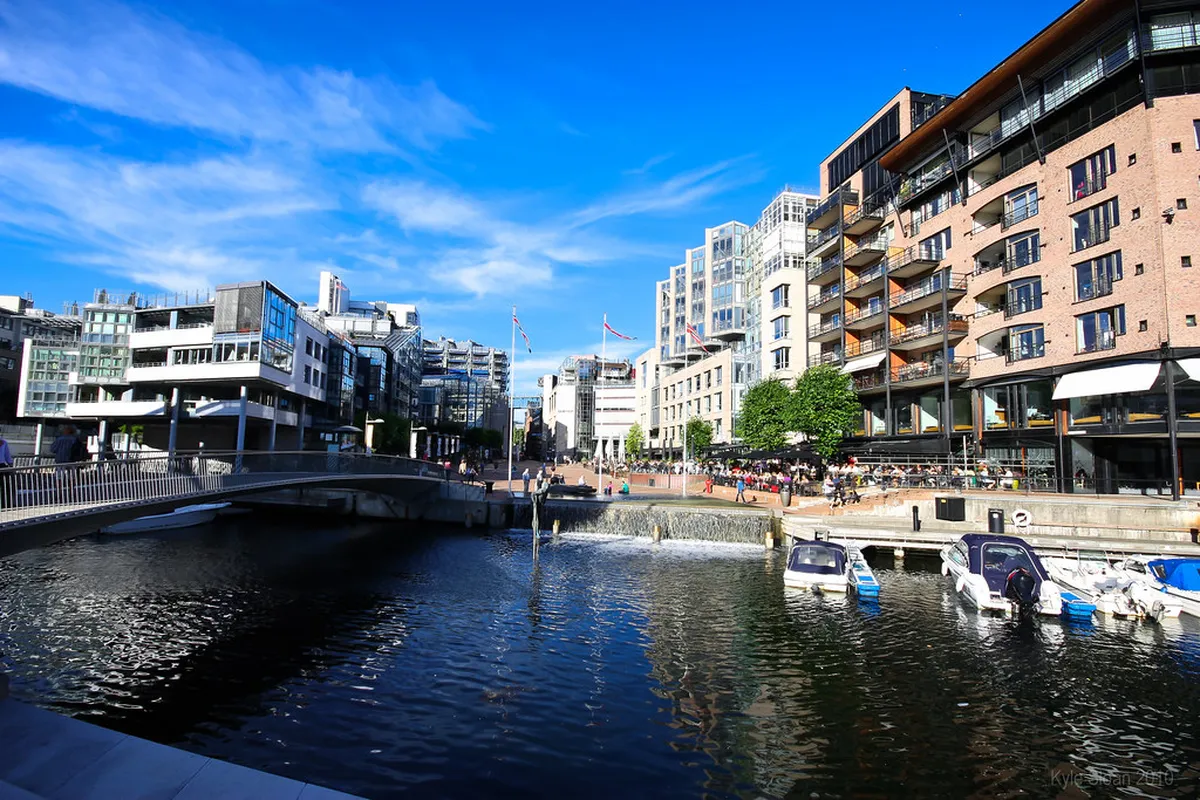
Oslo's waterfront has undergone an amazing transformation. This ambitious Oslo waterfront development revitalizes the city's relationship with its fjord. It offers stunning architecture and vibrant public spaces for everyone. Discover why Oslo is a leading city for urban regeneration projects in 2026.
The project, known as the Fjord City, connects the city center to the sea. It reclaims former industrial areas for cultural and residential use. This guide explores the key areas and highlights of this remarkable urban planning success. Consider an Oslo architecture itinerary to see it all.
Bjørvika: The Heart of Oslo's Fjord City
Turn this guide into a personal route with our free Oslo itinerary planner.
Bjørvika stands as a crown jewel in the Oslo waterfront development. This area was once a busy container port. Now it boasts some of Norway's most iconic buildings. The transformation is truly breathtaking.
The magnificent Oslo Opera House dominates the waterfront. Its design allows visitors to walk on its roof. You can enjoy panoramic views of the fjord and city. The Opera House is a cultural and architectural marvel.
Adjacent to the Opera House is the new Deichman Library Bjørvika. This public library offers a striking modern design. It provides a welcoming space for learning and relaxation. Nearby, the Munch Museum's unique design adds to the area's cultural richness. These buildings showcase modern Norwegian architecture.
Bjørvika also features residential buildings and green spaces. It embodies the vision of connecting people with the fjord. This area perfectly represents advanced Fjord City urban planning. Visitors can stroll along the promenades, relax by the water, and enjoy world-class culture.
Aker Brygge & Tjuvholmen: Culture and Leisure Hubs
Aker Brygge was one of the first areas to undergo major waterfront development. This former shipyard transformed into a lively district. It is now full of restaurants, shops, and apartments. This area offers a relaxed, yet sophisticated, atmosphere.
Further west, Tjuvholmen extends like a peninsula into the fjord. It is known for its contemporary architecture and art. The Astrup Fearnley Museum is a highlight here. Its unique design by Renzo Piano is unmissable. It houses a fantastic collection of modern art.
Tjuvholmen also features luxury apartments and a sculpture park. The The Thief Hotel's architecture stands out in this area. It seamlessly integrates art into its design. This district truly embodies modern urban living.
Both Aker Brygge and Tjuvholmen offer excellent walking paths. You can enjoy beautiful views of the Oslofjord. They are perfect places to experience Oslo's vibrant contemporary Oslo architecture. Many outdoor cafes invite visitors to linger by the water.
The Barcode Project: A Modern Architectural Landmark
The Barcode Project is a distinctive part of the Oslo waterfront development. It is located east of the Central Station. This series of narrow high-rise buildings resembles a barcode. Each building has a unique design and purpose.
These buildings house offices, residences, and cultural institutions. They create a striking modern skyline. The Barcode is a bold statement in urban design. It showcases Norway's commitment to innovative architecture.
Walking through the Barcode offers a unique urban experience. You can admire the varied facades and public art installations. The individual designs contribute to a cohesive visual identity. Learn more about the Barcode project in Oslo.
The Barcode connects the city center with the Bjørvika area. It highlights Oslo's forward-thinking approach to development. These structures are among Oslo's modern buildings. They stand as significant Oslo architectural landmarks. The project demonstrates ambitious urban planning.
Sustainable Urban Planning: Oslo's Green Vision
Sustainability is central to Oslo's waterfront development. The Fjord City project aims for environmental responsibility. Planners prioritized green solutions and public access. This commitment makes Oslo a leader in urban sustainability.
Many new buildings incorporate eco-friendly features. They use sustainable materials and energy-efficient designs. Oslo strives to reduce its carbon footprint. This focus aligns with Norway's broader environmental goals.
Public transport links are a key part of the plan. The city encourages walking and cycling. Green spaces and parks are integrated throughout the new areas. This ensures a high quality of life for residents and visitors.
Oslo's sustainable architecture is evident everywhere. The waterfront regeneration enhances biodiversity. It also provides accessible recreation areas along the fjord. This thoughtful planning makes the Fjord City urban planning truly exemplary. Discover more about Oslo fjord architecture.
Exploring Oslo's Waterfront: Practical Tips for 2026
Visiting Oslo's waterfront is an enriching experience. The area is easily accessible by public transport. Trams, buses, and ferries connect all key districts. Consider purchasing an Oslo Pass for unlimited travel.
Walking is the best way to explore the various zones. Plan a route that includes Bjørvika, Aker Brygge, and Tjuvholmen. Allow at least half a day to fully appreciate the views and architecture. Many guided Oslo architectural walking tours are available.
Don't miss the chance to dine at one of the waterfront restaurants. Options range from casual cafes to fine dining. Seafood is a local specialty here. Enjoy a meal with stunning fjord views, especially during summer evenings.
Many attractions are free to explore, like walking on the Opera House roof. Entry to museums like Astrup Fearnley has a cost. Check opening hours for 2026 before your visit. Public spaces and parks are always open for your enjoyment.
Consider a fjord cruise for a different perspective. These tours offer excellent views of the entire Oslo waterfront development. They highlight the city's unique relationship with its natural surroundings. Book in advance for peak season visits.
Frequently Asked Questions
What is the Fjord City concept in Oslo?
The Fjord City is Oslo's large-scale urban development plan. It transforms former industrial waterfront areas into public spaces. This project reconnects the city to the Oslofjord. It focuses on cultural, residential, and recreational zones. It is a major component of the Oslo waterfront development.
Which major landmarks are part of the Oslo waterfront development?
Key landmarks include the Oslo Opera House and the Deichman Library. The Munch Museum and the Astrup Fearnley Museum are also significant. The iconic Barcode Project buildings are part of this transformation. These modern structures define the new skyline. Many new buildings along the Oslofjord contribute to this vision.
Is the Oslo waterfront development accessible for visitors?
Yes, the Oslo waterfront is highly accessible. Extensive pedestrian and cycling paths connect all areas. Public transport options include trams, buses, and ferries. Most public buildings and spaces are wheelchair-friendly. Visitors can easily navigate and enjoy the entire area. Consider joining Oslo architectural walking tours.
Oslo's waterfront development represents a triumph of urban planning. It transformed industrial land into vibrant public spaces. The Fjord City project blends modern architecture with sustainability. Visitors in 2026 will discover an engaging and beautiful city. Experience this unique blend of culture, design, and nature. Start planning your Oslo adventure today.
The city's commitment to its fjord is truly inspiring. Explore these revitalized districts for yourself. You'll find a dynamic and welcoming environment. Discover more fascinating Oslo architectural facts. Don't miss this incredible urban transformation.
Key Takeaways
- Oslo's waterfront has transformed into a vibrant 'Fjord City' with modern architecture.
- Visit Bjørvika, Aker Brygge, and Tjuvholmen for cultural sites and stunning views.
- The development emphasizes sustainability and public access, making it highly walkable.