Oslo boasts a captivating blend of old and new architecture. Modernist buildings define its contemporary urban landscape. This unique style emerged significantly in the 20th century. It showcases functional design and clean lines. Explore these impressive Oslo modernist buildings during your 2026 visit. Discover why Oslo is a hub for architectural innovation.
The city's embrace of modernism reflects its forward-thinking spirit. From government complexes to cultural institutions, this style is prominent. It emphasizes practicality and aesthetic simplicity. Join us on an architectural tour of Norway's capital. Find your next favorite design marvel here.
The Oslo Opera House: A Modern Icon
Turn this guide into a personal route with our free Oslo itinerary planner.
The Oslo Opera House stands majestically on the waterfront. Snøhetta designed this architectural masterpiece. It appears to rise from the Oslofjord. Visitors can walk on its sloped roof. This offers incredible panoramic city views.
Its white marble and glass reflect the surrounding waters. The building opened in 2008. It quickly became a symbol of modern Oslo. The interior features warm oak and intricate details. It hosts world-class opera and ballet performances. Consider a guided Oslo Opera House tour to learn more.
Admission to the building itself is free. Performances typically range from 200 NOK to 1000+ NOK. Check their official website for current schedules and booking. This landmark represents the best of contemporary Oslo architecture. It draws millions of visitors annually.
The Barcode Project: Urban Modernism
The Barcode Project transformed Oslo's Bjørvika district. It consists of twelve high-rise buildings. Their varied heights and widths resemble a barcode. This development began in the mid-2000s. It features offices, residences, and cultural spaces.
Leading Scandinavian architectural firms designed these structures. They include Dark Arkitekter and MVRDV. The project aims for a dynamic urban environment. It connects the city center with the fjord. This area is a prime example of Fjord City urban planning.
Many buildings include public art installations. The ground floors house cafes and shops. Explore the Barcode Project in Oslo on a walking tour. It offers stunning photographic opportunities. Experience Oslo's vibrant new waterfront. The area continues to evolve rapidly.
Astrup Fearnley Museum: Art and Design
The Astrup Fearnley Museum sits on Tjuvholmen peninsula. Renzo Piano designed this striking building. Its distinctive roof resembles a sail. It houses a private collection of contemporary art. The museum opened in 2012.
The structure integrates seamlessly with its waterfront location. It uses timber and glass extensively. Natural light fills the exhibition spaces. Outside, a sculpture park complements the architecture. The museum is easily accessible via public transport or a short walk.
Entry fees are around 150 NOK for adults. Concessions are available. Check their website for exact opening hours and special exhibitions. This museum is a highlight for both art and architecture lovers. It exemplifies modern design principles. Learn more about the Astrup Fearnley Museum here.
Munch Museum and Deichman Bjørvika
The new Munch Museum stands tall in Bjørvika. Estudio Herreros designed this impressive structure. Its distinctive 'lean' makes it instantly recognizable. It opened in 2021, showcasing Edvard Munch's vast works. The building offers stunning views from its upper floors.
Just a short walk away is Deichman Bjørvika. This is Oslo's main public library. Lund Hagem Architects and Atelier Oslo designed it. Its open, airy interior invites exploration. The library provides diverse cultural activities for all ages.
Both buildings are integral to Oslo's modern waterfront. They offer free access to their public areas. Explore their unique architectural features. They represent significant achievements in unique Oslo architecture. The library is perfect for a quiet break.
Early Modernist Buildings: Oslo City Hall
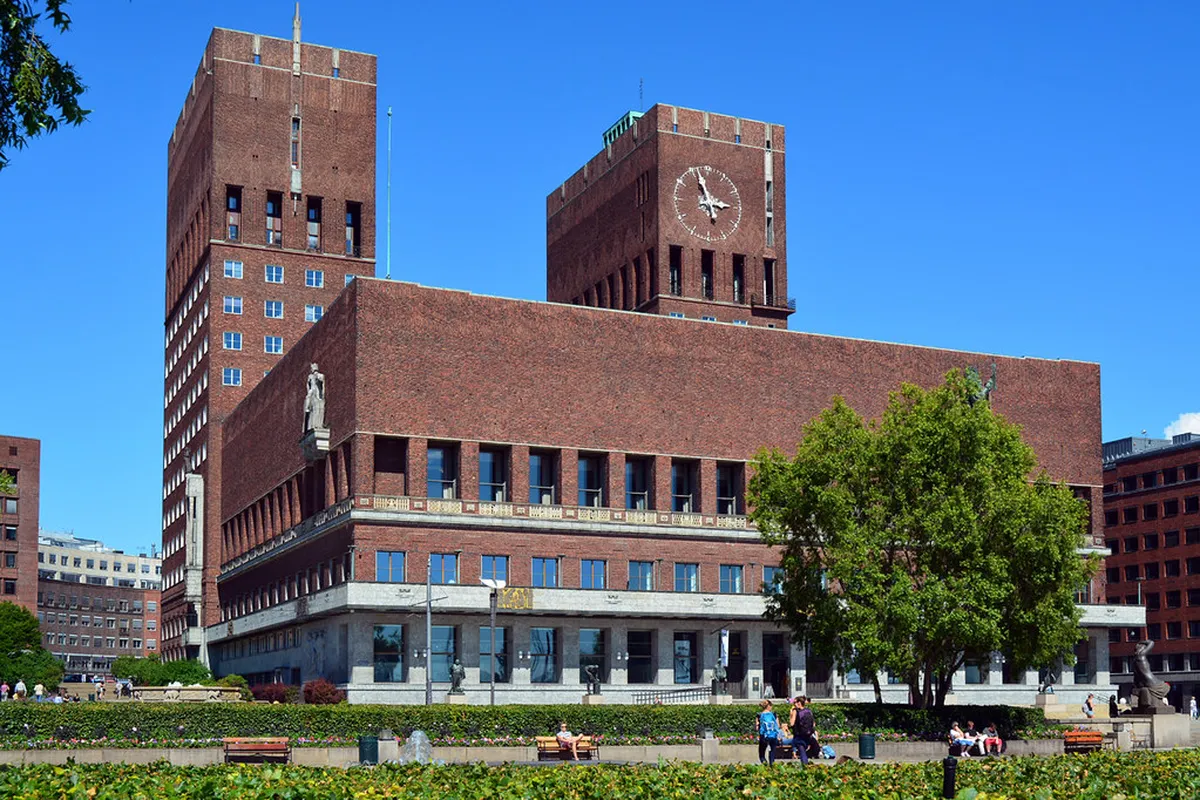
Oslo City Hall is a prime example of early Oslo modernist buildings. It blends functionality with monumental art. Arnstein Arneberg and Magnus Poulsson designed it. The construction began in the 1930s. It was completed in 1950.
Its imposing brick facade defines the city's skyline. Inside, murals depict Norwegian history and culture. Many iconic events take place here. This includes the Nobel Peace Prize ceremony. You can learn more about Oslo City Hall architecture.
Entry to the City Hall is usually free. Check for guided tours to fully appreciate its interior. It stands as a testament to Norwegian craftsmanship. This building bridged classicism and modernism. It is a must-see on any architectural tour. Explore more about Oslo's 1930s architecture.
Frequently Asked Questions
What defines modernist architecture in Oslo?
Oslo's modernist architecture is characterized by several key elements. It features clean lines and minimal ornamentation. Functionality and innovative materials are paramount. Large windows often maximize natural light. Buildings frequently interact with their urban or natural surroundings. This creates a cohesive and striking visual appeal.
Are there guided tours for Oslo modernist buildings?
Yes, several organizations offer guided architectural tours. These tours often focus on specific districts like Bjørvika. They highlight key modernist and contemporary structures. You can find options for Oslo architectural walking tours online. Booking in advance is recommended for 2026. This ensures your spot on popular tours.
Which areas have the highest concentration of modern architecture in Oslo?
The Bjørvika waterfront district is a prime location. It houses the Opera House, Barcode Project, and Deichman Library. Tjuvholmen, with the Astrup Fearnley Museum, is another. These areas showcase significant Oslo waterfront development. They are easily walkable and well-connected. A good Oslo architecture map can guide your exploration.
How can I best experience Oslo's modern architecture?
Start by identifying your must-see buildings. Use public transport to navigate between areas. Consider a walking tour for in-depth insights. Many modern buildings have cafes or public spaces. These allow for relaxed viewing. Plan your Oslo architecture itinerary in advance for a smooth trip. Enjoy the innovative designs.
Oslo stands as a testament to modernist architectural prowess. From iconic cultural hubs to innovative urban districts, its buildings inspire. Plan your visit in 2026 to witness these marvels firsthand. Immerse yourself in Norway's design excellence. For more insights, explore our Oslo architectural landmarks guide. Start planning your unforgettable journey today.
Key Takeaways
- Oslo features diverse modernist buildings, from early 20th century to present day.
- Key sites like the Opera House and Barcode Project redefine Oslo's waterfront.
- Many modern buildings offer free access to public spaces, like libraries and museum exteriors.
- Plan a walking tour or use public transport to efficiently explore architectural highlights.
- The city's modern architecture blends functionality with stunning aesthetic appeal.