Oslo offers a compelling journey through architectural history. The city beautifully showcases its rich modernist heritage. You will find impressive structures from various periods. These buildings reflect innovation and Nordic design principles. Prepare to explore some truly unique Oslo modernist buildings in 2026.
This guide highlights the best modernist architecture Oslo has to offer. We will cover functionalist masterpieces and contemporary interpretations. Get ready to dive into the clean lines and clever designs. Discover why Oslo is a must-visit for design enthusiasts. Plan your Oslo architecture itinerary with our expert tips.
Oslo's Early Functionalism: A 1930s Legacy
Turn this guide into a personal route with our free Oslo itinerary planner.
Oslo embraced functionalism with enthusiasm in the 1930s. This style emphasized practicality and clean aesthetics. Buildings often featured flat roofs and open floor plans. Large windows brought in abundant natural light. The era profoundly shaped much of central Oslo.
One prime example is the former Central Post Office. It stands proudly near the central station. Its sleek lines and concrete structure are iconic. This building perfectly illustrates the functionalist ideal. It represents a significant period in Oslo's 1930s architecture.
Another notable site is Ekeberg Restaurant. This elegant building overlooks the city and fjord. It was designed by Lars Backer and completed in 1929. The restaurant combines modernist form with stunning views. It remains a popular spot for dining and relaxation.
Many residential areas also adopted functionalist designs. Walk through parts of Majorstuen or St. Hanshaugen. You will see numerous apartment blocks from this period. They embody the focus on light, air, and healthy living. These structures are integral to Oslo's modernist landscape. Consider an Oslo architectural walking tour to discover these hidden gems.
Post-War Modernism and Iconic Public Spaces
The period after World War II saw continued modernist development. Architects focused on rebuilding and creating new public spaces. This era produced several of Oslo's most recognized landmarks. These buildings continue to serve the city's needs today.
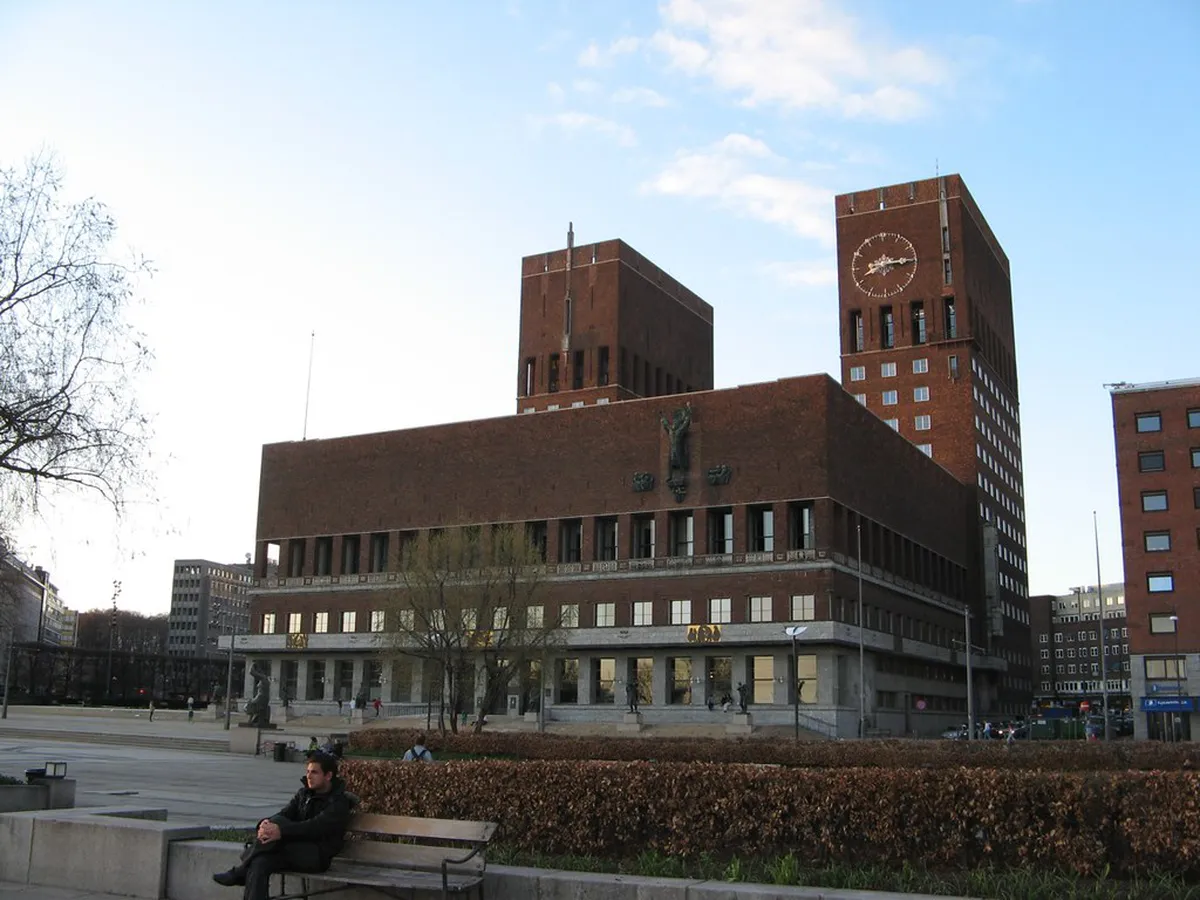
Oslo City Hall is a powerful example of functionalist-inspired design. It was inaugurated in 1950 after many years of construction. The two massive towers and red brick facade are distinctive. Inside, vast murals depict Norwegian history and culture. Explore its unique blend of art and architecture by visiting the Oslo City Hall.
The Government Quarter also features significant modernist structures. Buildings like Høyblokka (the High-rise Block) were pivotal. These designs aimed for efficiency and democratic transparency. They represent a distinct phase in Norwegian state architecture. Take a moment to appreciate the robust designs.
Visiting these sites offers a glimpse into Oslo's post-war vision. Many government buildings showcase minimalist design. They often feature large open spaces and public access. This openness was a hallmark of modern planning. Understanding this context enriches your visit to Oslo's Government Quarter. It highlights why these are considered some of the best modernist architecture Oslo offers.
Contemporary Modernist Expressions in Oslo
Oslo's architectural evolution did not stop in the mid-20th century. Modernist principles inspire contemporary designs across the city. Many new buildings blend innovation with established styles. They push boundaries while respecting tradition. This creates a vibrant urban fabric for 2026 visitors.
The Astrup Fearnley Museum of Modern Art exemplifies this trend. Renzo Piano designed this striking building on Tjuvholmen. Its distinctive glass roof and wooden cladding connect to the fjord. The museum hosts impressive art exhibitions. It is a true testament to contemporary Oslo architecture.
Another grand project is the Barcode Project in Bjørvika. This series of high-rise buildings creates a unique skyline. Each building has a distinct design, yet they form a cohesive whole. They embody modern urban planning and design. Discover more about the Barcode Project and its impact.
These modern structures often incorporate sustainable elements. They reflect Norway's commitment to environmental responsibility. Exploring these buildings reveals Oslo's forward-thinking approach. They are among the most exciting examples of current design. These additions certainly contribute to the best modernist architecture Oslo proudly displays.
Planning Your Modernist Architecture Tour in Oslo
To fully experience Oslo's modernist architecture, planning is key. The city is walkable, but public transport helps. Purchase an RuterGo app ticket for easy travel. Most sites are accessible year-round, making 2026 a great time to visit.
Consider focusing on specific districts each day. Bjørvika offers cutting-edge architecture like the Deichman Library. Frogner and Majorstuen hold numerous 1930s functionalist gems. A comprehensive Oslo architecture map can guide your exploration efficiently.
The best time to visit is often spring or early autumn. The weather is mild and comfortable for walking. Less crowded conditions allow for better photo opportunities. However, winter visits offer unique snowy backdrops. Learn more about the best time to explore Oslo's architecture.
Don't forget to look for details. Notice the building materials, the fenestration, and urban integration. Many buildings offer public access during business hours. Some require tickets, so check ahead of time. This will enhance your appreciation of the best modernist architecture Oslo provides.
Frequently Asked Questions
What defines modernist architecture in Oslo?
Modernist architecture in Oslo emphasizes functionality and simplicity. It features clean lines, open spaces, and minimal ornamentation. Often, reinforced concrete, steel, and glass are used. This style emerged in the early 20th century. It prioritizes practical utility and efficiency.
Where can I find early 20th-century modernist buildings?
You can find early modernist buildings, especially functionalist ones, in central Oslo. Areas like Majorstuen and Frogner are rich with examples. The former Central Post Office is a prime site. Consult an Oslo architecture map for precise locations. Many date back to the 1930s, showcasing Norwegian functionalism.
Are there guided tours for Oslo modernist buildings?
Yes, several companies offer guided architectural tours in Oslo. These tours often focus on specific periods or styles. Some highlight the Oslo modernist buildings. They provide valuable insights from expert guides. Check online for available tours and booking information. You can find options for architectural walking tours easily.
What are some must-see contemporary modernist structures?
The Astrup Fearnley Museum is a top recommendation. The Barcode Project offers a collection of modern high-rises. Also, visit the Munch Museum for its striking design. These buildings showcase Oslo's ongoing architectural innovation. They are great examples of current trends.
Oslo's modernist architecture presents a captivating narrative. From the functionalist designs of the 1930s to sleek contemporary structures, it's all here. Each building tells a story of innovation and design. Immerse yourself in the city's unique aesthetic. Discover why it boasts some of the best modernist architecture Oslo has to offer.
Plan your visit to these architectural wonders in 2026. Explore the specific details and practical insights. This guide aims to enrich your architectural journey. Start exploring Oslo's incredible buildings today. Find more inspiration for your next trip on our travel blog.
Key Takeaways
- Oslo features diverse modernist architecture from 1930s functionalism to contemporary designs.
- Key sites include Oslo City Hall, Ekeberg Restaurant, Astrup Fearnley Museum, and the Barcode Project.
- Planning your visit by district and utilizing public transport enhances the experience.
- Look for clean lines, practical designs, and innovative use of materials.
- Consider a guided tour to gain deeper insights into Oslo's architectural heritage.