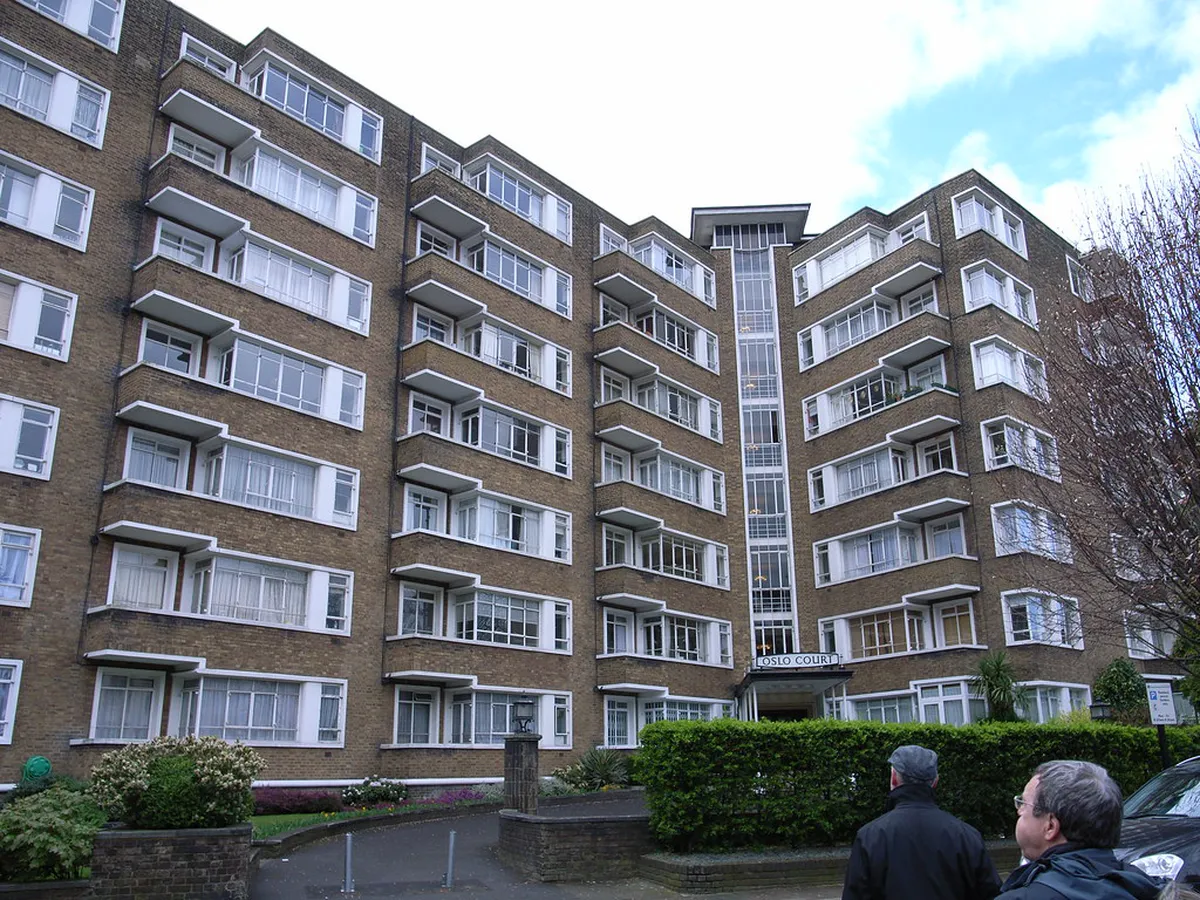
Oslo boasts a remarkable collection of 1930s architecture. This period brought the rise of functionalism, also known as "funkis" in Norway. These innovative designs transformed the city's urban landscape. They reflected a new era of optimism and social progress. Dive into this unique architectural style. Plan your Oslo architecture itinerary for 2026.
This guide will help you discover the most significant "funkis" buildings. You will learn about their history and distinctive features. Prepare to explore a fascinating chapter of Oslo's design story. The city's modernist buildings offer a unique visual experience.
The Rise of Functionalism in Oslo's 1930s
Turn this guide into a personal route with our free Oslo itinerary planner.
Functionalism profoundly influenced Oslo's urban development. The 1930s saw a rapid adoption of this new style. Architects focused on practicality and simplicity. They rejected ornate historical styles common before.
Known as "funkis," this movement emphasized form following function. Buildings featured clean lines and flat roofs. Large windows brought in ample natural light. Concrete, steel, and glass became preferred materials. This approach mirrored social democratic ideals of the time. It aimed to create efficient and accessible spaces for everyone.
Oslo embraced functionalism for various building types. You can find "funkis" in residential blocks and public institutions. It also shaped commercial buildings across the city. Many structures from this era remain well-preserved. They offer a direct link to Norway's architectural past. Discover more about best modernist architecture in Oslo.
The style also influenced interior design elements. Furniture and fixtures often shared the same minimalist aesthetic. This holistic approach created cohesive environments. Exploring these buildings provides insight into a distinct design philosophy. It's a truly immersive historical experience.
Iconic 1930s Buildings and Their Legacy
Several buildings stand out as prime examples of Oslo's 1930s architecture. The Kunstnernes Hus (Artists' House) is a fantastic starting point. Completed in 1930, it showcases early functionalist principles. Its clean facade and spacious interiors are noteworthy. You can find it at Wergelandsveien 17. The building still serves as an important art institution today.
The famous Oslo City Hall, though completed in 1950, began its design in the 1930s. Its monumental scale and stark functionalist features are striking. Architects Arnstein Arneberg and Magnus Poulsson envisioned a grand, yet practical, civic center. Its red brick exterior dominates the waterfront. It remains a key landmark for visitors. Learn more about Oslo City Hall architecture.
Another significant structure is the Saga Cinema on Stortingsgata 28. Opened in 1934, its facade exemplifies the functionalist era. The interior also features original design elements. It represents the modernization of entertainment venues. Many other residential and commercial buildings from this period exist. You can often spot them by their distinct characteristics. Take an Oslo architectural walking tour to see them.
Many buildings from this era provided innovative solutions. They addressed growing urban populations. They also introduced new construction methods. These structures shaped Oslo's identity profoundly. Their enduring presence is a testament to their robust design.
Planning Your Oslo 1930s Architecture Tour
Exploring Oslo's 1930s architecture is best done on foot. Many notable buildings are concentrated in central areas. A good starting point is the city center. From there, you can branch out to different districts. Allow ample time to appreciate the details of each structure.
Consider a self-guided tour with a detailed map. You can download an Oslo architecture map before your trip. Public transport is excellent for longer distances. Trams and buses connect all major architectural sites efficiently. Use an Ruter app for easy navigation and ticket purchases. You can also get tips on transport for an architecture tour.
The best time to visit Oslo for architecture is spring or early autumn. The weather is pleasant for walking. Fewer crowds make for a more relaxed experience. Check specific opening hours for public buildings. Most exteriors are always accessible for viewing. Some interiors might require pre-booking or specific tour times. Plan your trip for late spring 2026 to avoid winter's chill. Look into the best time for Oslo architecture.
Don't forget to look up and notice the smaller details. Many buildings feature unique stairwells or facade elements. These subtle touches define the "funkis" aesthetic. Bring a good camera to capture these architectural gems. You might even discover hidden courtyards or passages.
Frequently Asked Questions
What is 'funkis' architecture in Oslo?
'Funkis' is the Norwegian term for functionalism. It was a dominant architectural style in the 1930s. This style emphasized practicality and simplicity. Buildings feature clean lines and flat roofs. They also have large windows and minimal ornamentation. It aimed to create efficient, modern living spaces. Many examples are found in Oslo's central districts. Explore more Oslo modernist buildings.
Are there guided tours for Oslo's 1930s buildings?
Yes, several companies offer guided architectural tours in Oslo. Some tours specifically focus on modernist or functionalist periods. These tours provide expert insights and historical context. Check with local tourism offices or online tour operators. Booking in advance, especially for 2026, is often recommended. You can find options for Oslo architectural walking tours online. Some self-guided options are also available.
Where can I find an Oslo 1930s architecture map?
You can often find specialized maps at Oslo's visitor centers. Online resources also provide excellent architectural maps. Websites dedicated to Oslo's history or design often feature downloadable guides. These maps highlight key "funkis" buildings and their locations. This allows for easy self-guided exploration. Plan your route with an Oslo architecture map. Many are available for free.
Oslo's 1930s architecture offers a captivating journey through time. The distinctive "funkis" style shaped the city's identity. Its blend of function and form remains influential today. Discover these impressive architectural landmarks. They tell a story of innovation and progress. Your visit will be an enriching experience. Consider these Oslo architectural landmarks. Plan your trip to witness these historical gems in 2026.
We encourage you to explore Oslo's rich architectural tapestry. From grand civic buildings to subtle residential details, there is much to admire. Take your time to appreciate the thoughtful design. It makes Oslo a unique destination. Start planning your architectural adventure today.
Key Takeaways
- Oslo's 1930s architecture is dominated by the "funkis" (functionalism) style.
- Key buildings like Kunstnernes Hus and Oslo City Hall exemplify this era's design.
- Plan a walking tour using a dedicated architecture map for the best experience.
- Visit during spring or early autumn for ideal weather and fewer crowds in 2026.
- Look for clean lines, flat roofs, large windows, and practical design in "funkis" buildings.