Zemun is a historic neighborhood in Belgrade that feels like a charming small town entirely separate from the Serbian capital — because for most of its history, it was. This area was once a frontier outpost of the Austro-Hungarian Empire, which shaped its distinctive architecture, winding lanes, and unhurried pace of life that still lingers today.
Visitors can explore ancient towers, dine on fresh Danube fish, and stroll along a scenic riverside promenade that stretches for nearly two kilometres. This zemun belgrade neighborhood guide covers everything you need for a memorable half-day or full-day visit in 2026, from the iconic Gardos Tower to the best fish restaurants on the quay.
Pair this guide with the full Belgrade itinerary for a seamless multi-day plan across the Serbian capital.
Zemun: A City Within a City
Turn this guide into a personal route with our free belgrade itinerary planner.
Zemun became part of Belgrade in 1934 — centuries after it developed its own distinct identity.
Austrian Habsburgs captured the area in 1717 following the Ottoman defeat at the Battle of Peterwardein. Under Habsburg rule Zemun grew into a thriving border-trade hub where merchants, craftsmen, and soldiers from across Central Europe mixed freely.
While Belgrade remained under Ottoman influence just across the Sava River, Zemun flourished under a completely different legal system, currency, and culture. This centuries-long separation is visible today in the neo-Baroque town halls, the Biedermeier-style merchant houses along Gospodska Street, and the 130-year-old grapevine at Gospodska 4 — a living relic of that era.
Following Austro-Hungarian defeat in World War I, Zemun reunited with Serbia in 1918. Full administrative merger with Belgrade came only in 1934. According to Wikipedia's Zemun entry, the area has been continuously inhabited since the Neolithic period, passing through Celtic, Roman, and Byzantine phases before Habsburg rule defined its modern character.
Must-See Zemun Attractions
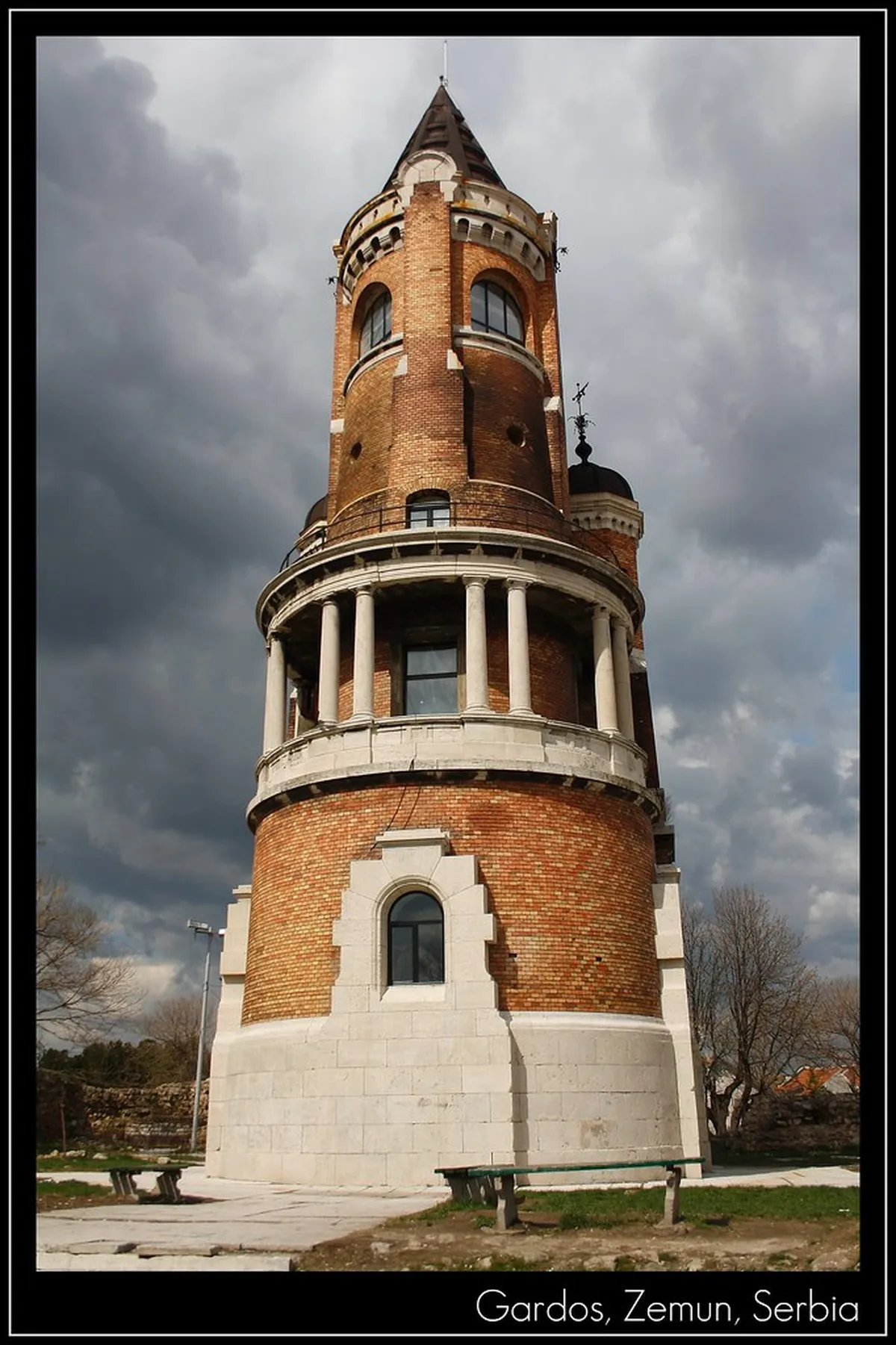
The Gardos Tower on Gardosh Hill is the undisputed centrepiece of Zemun — do not leave without climbing it.
Built in 1896 by Hungary to mark 1,000 years of Hungarian settlement in the Pannonian Plain, this 36-metre brick tower offers a full 360-degree panorama: red-tiled rooftops cascade down to the Danube below, while Belgrade's skyline rises across the river. Entry costs a small fee and the tower is open most days year-round. The Serbia.com guide to Gardos Tower covers opening hours and the tower's complete construction history.
See how Zemun fits into your wider plans with our roundup of top Belgrade attractions for first-timers.
- Gardos Tower (Millennium Tower)
- Type: Historic monument, 1896
- Best for: Panoramic views over the Danube
- Where: Gardosh Hill, Zemun
- Cost: Small entry fee
- Zemun Quay (Zemunski Kej)
- Type: Riverside promenade
- Best for: Walking, dining, riverside cafes
- Where: Along the Danube bank
- Cost: Free
- Nikolajevska Church
- Type: Orthodox church with Baroque art
- Best for: Architecture, quiet reflection
- Where: Njegoševa street
- Cost: Free
Zemun Quay and Danube Fish Restaurants
The Zemun Quay is a nearly two-kilometre promenade shaded by century-old plane trees — the finest riverside walk in the Belgrade area.
What sets Zemun Quay apart from other Belgrade riverfronts is the concentration of traditional fish restaurants that have operated here for generations. Freshwater species like carp, catfish (som), and perch (smuđ) arrive straight from the Danube and are served simply grilled or in a rich paprika-spiked fish stew called riblja čorba. Prices in 2026 are very reasonable — a generous plate of grilled fish with bread runs around 1,200–1,800 RSD (€10–15).
Notable spots along the quay include Klub Radecki, known for its river views and traditional preparation, and Sent Andrea, which blends local ingredients with Central European influences — a nod to the area's Habsburg past. The floating café-bars moored along the quay are open from late morning until midnight in summer, making the waterfront equally good for coffee in the morning or a local craft beer after dark.
The Tourist Organization of Belgrade's Zemun page lists the quay among the neighbourhood's top recommended stops alongside Gardos Tower and the old market.
Pair a quay lunch with a deeper dive into Serbian cuisine using the Belgrade local food guide.
Museums, Art, and Culture in Zemun
Cultural explorers should start their journey at the Zemun Homeland Museum for a deep dive into local history.
The museum is housed in the Spirta House, which features rare neo-Gothic interior designs.
Walking through these halls reveals how the local elite lived during the nineteenth century.
Art lovers will also enjoy the small galleries tucked away in the narrow side streets near the main square.
- Spirta House Museum
- Type: History museum
- Best for: Architecture and Habsburg-era exhibits
- Where: Glavna street
- Cost: Paid entry
- Stara Kapetanija
- Type: Art gallery
- Best for: Local contemporary exhibitions
- Where: Near the quay
- Cost: Usually free
Parks, Gardens, and Outdoor Spots in Zemun
Zemun City Park offers a peaceful retreat with its tall trees and historic monuments.
This green space once served as a quarantine site for travelers entering the Habsburg Empire.
Today, it hosts two beautiful churches that sit side by side in the center of the park.
Families often gather here on weekends to enjoy the fresh air and the local playground facilities.
- Zemunski Park
- Type: Public park
- Best for: Leisurely walks and history
- Where: Near the centre
- Cost: Free
- Great War Island (Veliko Ratno Ostrvo)
- Type: Nature reserve on the Danube
- Best for: Bird watching, picnics
- Where: Opposite the quay
- Cost: Free access
How to Get to Zemun from Belgrade City Centre
Zemun is 7 km from central Belgrade and reachable in under 30 minutes by bus.
The easiest option is to take buses 15, 17, 84, 701, or 704 from Zeleni Venac square in downtown Belgrade. All run frequently throughout the day and drop you directly in the heart of Zemun near the market square. A single GSP Belgrade bus ticket costs 100 RSD (under €1) when paid by contactless card at the door. Taxi and ride-share apps (Bolt, CarGo) charge roughly 800–1,200 RSD from the centre and take 15–20 minutes outside rush hour.
For a more scenic approach: take a seasonal boat service from Ada Ciganlija or Belgrade marina that runs in summer (June–September). It docks near the quay, letting you arrive on the water and walk straight up to Gardos Tower.
For a full breakdown of Belgrade's bus network and ticketing system, see the Belgrade public transport guide. You can also plan wider day excursions by consulting Belgrade day trips for first-timers — Zemun pairs well with a morning boat trip to Great War Island.
Family-Friendly and Budget-Friendly Options in Zemun
Most of Zemun's best sights are free or cost under €5 in 2026.
Traveling with children is easy here due to the wide pedestrian zones along the river. The Danube Quay provides plenty of space for kids to run while parents enjoy a coffee nearby. Many local restaurants offer affordable family meals featuring traditional Serbian grilled meats. Budget travelers can find great value at the local bakeries for a quick and tasty lunch for under €3.
How to Plan a Smooth Zemun Visit
Plan your visit for a weekday morning to avoid the heavy crowds that arrive on Saturday afternoons.
A comfortable half-day covers Gardos Tower, a walk down through the old town to the quay, lunch at a fish restaurant, and a stroll along the riverfront. A full day allows you to add the Homeland Museum, Zemunski Park, and a coffee stop at one of the quay's floating bars.
Check the Belgrade walking tour ideas for a self-guided route that connects Zemun's highlights without backtracking. For broader city planning, the Skadarlija bohemian quarter guide makes an ideal afternoon counterpart to a Zemun morning — two very different neighbourhood personalities in one day.
Zemun: A Distinct Habsburg Legacy
Zemun was a separate city for most of its history and only joined Belgrade after the Second World War.
While Belgrade remained under Ottoman influence, Zemun flourished as a Habsburg border town.
This history created a multinational centre where merchants from many cultures lived together.
Look for the 130-year-old grape vine at Gospodska street 4 to see a living piece of local history.
Local Cuisine at Zemun Central Market
The central market is the pride of the local community and is known for its fresh fish stalls.
Visit the Veliki Trg area to see the vibrant daily trade of local farmers selling seasonal vegetables, cheese, and homemade preserves.
The Koordinata restaurant offers a seasonal menu that follows high standards for quality and taste.
Pair your market visit with a wider exploration of Serbian specialities via the Belgrade local food guide for restaurant picks across the whole city.
Frequently Asked Questions
How do I get to Zemun from Belgrade city center?
Take buses 15, 17, or 84 from Zeleni Venac square in central Belgrade. The ride takes 15–25 minutes and costs around 100 RSD. Taxis and Bolt rides run 800–1,200 RSD and take 15–20 minutes outside rush hour. See the Belgrade transport guide for full ticketing details.
Is Zemun safe for tourists to visit alone?
Zemun is generally very safe for travelers during the day and evening. The main pedestrian areas and the quay are well-lit and busy with local families. Standard travel precautions apply when exploring less crowded side streets at night.
What is the best time to visit Zemun?
Late spring and early autumn offer the most pleasant weather for walking along the river in 2026. Summer is great for visiting Lido Beach and the quay floating bars, but it can be hot in July. Sunday mornings are ideal for seeing the local market at its busiest.
What are the best fish restaurants in Zemun?
Klub Radecki and Sent Andrea on the Zemun Quay are among the most recommended spots for traditional Danube fish dishes. Expect freshwater carp, catfish, and perch grilled or served in spiced riblja čorba (fish stew). A full meal costs roughly 1,200–1,800 RSD (€10–15) in 2026.
How long should I spend in Zemun?
A half-day (3–4 hours) is enough to see Gardos Tower, walk the quay, and have lunch. Budget a full day if you want to add the Homeland Museum, Zemunski Park, and the market. Zemun combines well with nearby Skadarlija for a full day across two Belgrade neighbourhoods.
Zemun offers a unique blend of history, culture, and scenic beauty that every traveler should experience. From the heights of Gardos Tower — built to mark a thousand years of Hungarian history — to the fresh fish restaurants lining the Danube Quay, the neighbourhood rewards slow exploration.
Use this guide alongside the Belgrade itinerary to weave Zemun into a complete Serbian capital adventure. Whether you spend half a morning or a full leisurely day, Zemun consistently ranks among visitors' favourite memories of Belgrade in 2026.