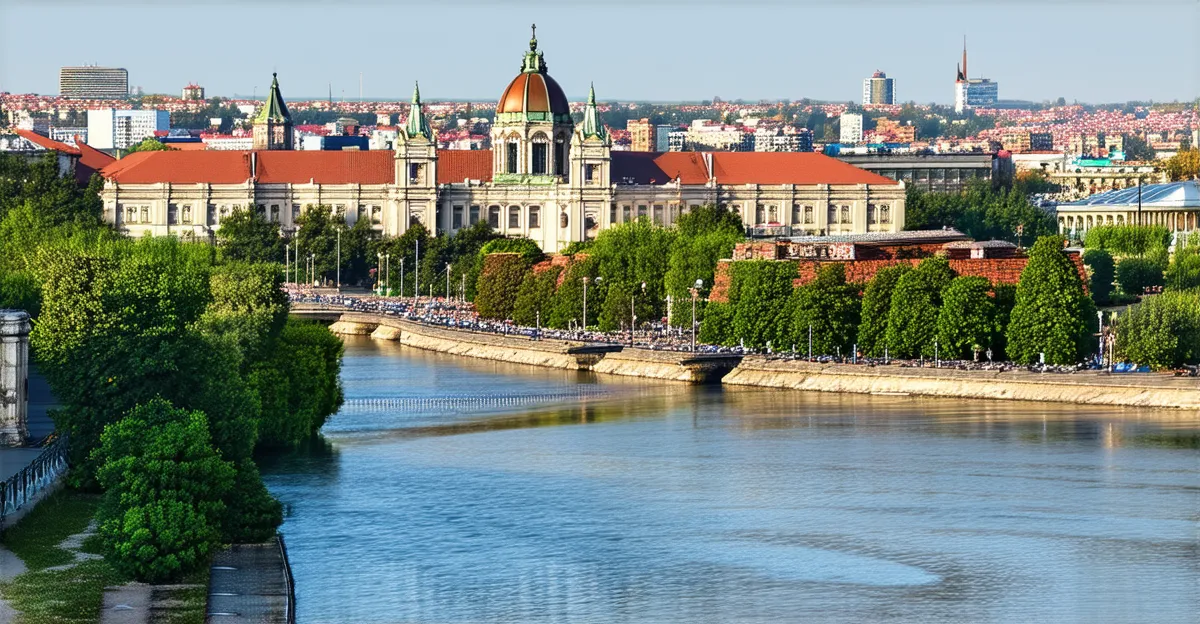
Belgrade, the vibrant capital of Serbia, is a dynamic city where historical heritage meets modern culture. From its stunning architecture and bustling nightlife to rich history and delicious cuisine, this Belgrade itinerary will guide you through the must-visit attractions, unique experiences, and practical tips for planning an unforgettable trip in 2026. Whether you're a history enthusiast, a foodie, or simply in search of adventure, Belgrade promises to leave you with lasting memories.
Quick answers before you plan:
- How long? 3–5 days covers the essentials; see our 3-day itinerary and 5-day itinerary for structured day-by-day plans, or our first-timer's itinerary if this is your debut visit.
- Best time? Spring (Apr–Jun) and autumn (Sep–Oct) — mild weather, fewer crowds, peak festival season. Full breakdown: best time to visit Belgrade.
- Daily budget? Budget travellers: ~€40–50/day; mid-range: ~€80–110/day (public transport is free in 2026).
- Getting around? City buses, trams and trolleybuses are free since January 2025 (only the A1 airport minibus and E-line minibuses charge). Uber and Bolt do not operate in Serbia; use the CarGo or Yandex Go apps for taxis. Full guide: how to get around Belgrade.
- Safety? Belgrade is generally safe for tourists — see our Belgrade safety tips.
Key Takeaways
Turn this guide into a personal route with our free Belgrade itinerary planner.
- Day 1: Visit Kalemegdan Fortress, stroll down Knez Mihailova, and explore St. Sava Temple.
- Day 2: Discover the Museum of Contemporary Art, visit the city's creative district - Savamala, and see the Nikola Tesla Museum.
- Day 3: Experience Belgrade's culinary delights at Skadarlija, and dance the night away in the clubs along the Sava River.
- Day 4: Relax in Ada Ciganlija’s lakeside parks, wander through Tasmajdan Park, and enjoy a peaceful walk in Topcider Park.
- Day 5: Take a day trip to Novi Sad and Sremski Karlovci, or visit the royal mausoleum and vineyards of Oplenac.
Belgrade cluster — deep-dive guides
- Top Belgrade Attractions for First-Timers — ranked by impact vs. time investment
- Belgrade Shopping Guide — Bajloni Market, Knez Mihailova, boutique finds in Dorćol
- Belgrade Walking Tour Ideas — self-guided routes through Stari Grad and Savamala
Day 1: Discover Belgrade’s Historical Landmarks
Welcome to your first day in Belgrade, where a rich tapestry of history and culture awaits you. This Belgrade itinerary begins at some of the city’s most significant historical landmarks, showcasing the resilience of its people and the beauty of its architecture. As you embark on this journey, immerse yourself in the stories that each monument tells, revealing the depths of Belgrade’s intriguing past.
Start your day at the iconic Belgrade Fortress. Standing proudly at the confluence of the River Sava and River Danube, this fortress has witnessed the rise and fall of empires. Walking through the ancient walls, you’ll be greeted with breathtaking views of the riverside and the city below. Kalemegdan Park surrounding the fortress is free and open all day, and it is one of the largest green spaces in the city. The paid sights inside (Nebojša Tower, Roman Well, Military Bunker, Clock Tower) are open 10:00–17:00 from mid-October to mid-April and 11:00–19:00 from mid-April to mid-October; the combined ticket is RSD 450. For a complete visitor guide with opening hours, viewpoints, and the Military Museum, see our Kalemegdan Fortress guide.
After exploring the fort, make your way to the Church of Saint Sava, one of the largest Orthodox churches in the world. Entry is free, and the gilded mosaics inside and the crypt below the main nave are the highlights. Learn more at the official Temple of Saint Sava website. Its impressive dome and beautiful mosaics capture the essence of Serbian architecture. The interior is equally captivating, and the peaceful atmosphere encourages reflection on the significant role this church plays in Serbian culture.
Pro Tip: Wear comfortable shoes! Exploring historical landmarks often involves walking on uneven surfaces and climbing stairs.
Next, head to the National Museum of Serbia, located in the bustling Republic Square (closed Mondays; the permanent collection costs RSD 300). The museum houses an outstanding collection of art and artifacts dating back to prehistoric times. You’ll encounter impressive works by renowned artists such as Paja Jovanović and Uroš Predić. Furthermore, the museum's architecture itself is a stunning example of neoclassical style, making it a feast for the eyes.
For lunch, consider trying a local eatery nearby—sampling traditional Serbian dishes such as ćevapi or sarma will surely satisfy your hunger. The city’s culinary scene reflects its cultural mix and historical influences, giving you a deeper connection to Belgrade. You can find excellent options around Skadarlija, the bohemian quarter famous for its artistic history. For the full Belgrade food scene — must-try dishes, market spots, and vegetarian options — see our Belgrade local food guide.
After a delightful meal, finish the day at the Nikola Tesla Museum at Krunska 51, dedicated to the life and inventions of Nikola Tesla. It is open Monday 10:00–18:00 and Tuesday–Sunday 10:00–20:00, and entry is by hourly guided tour of about 45 minutes: RSD 800 in English (RSD 400 in Serbian), cash only. Individual visitors cannot book ahead, so arrive 15 minutes early; in summer, come soon after opening. The museum is expected to move to the former Milan Vapa factory at Belgrade Waterfront in 2027, but the villa stays open in 2026.
If you are in town on a Saturday between April and November, the Royal Compound in Dedinje (Royal Palace and White Palace) can be visited on tours booked through the Tourist Organisation of Belgrade at Knez Mihailova 56 or tob.rs, with a tour bus from Terazije.
To recap your action-packed day, here’s a quick reference table:
| Time | Activity | Notes |
|---|---|---|
| 9:00 AM – 11:00 AM | Belgrade Fortress | Ramparts and park are free; paid sights open from 10:00 or 11:00 depending on season |
| 11:30 AM – 1:00 PM | Church of Saint Sava | Free entry; admire the mosaics and crypt |
| 1:30 PM – 3:00 PM | Lunch in Skadarlija | Try traditional Serbian cuisine |
| 3:30 PM – 5:00 PM | National Museum of Serbia | Closed Mondays; permanent collection RSD 300 |
| 5:30 PM – 6:30 PM | Nikola Tesla Museum | Hourly tour, RSD 800 in English, cash only |
In conclusion, your first day following this Belgrade itinerary is a wonderful introduction to the historical heart of Serbia’s capital. The landmarks you visit not only highlight the city’s rich heritage but also reveal the warmth of its people. To further extend your adventure, check out our 3-Day Belgrade Itinerary or discover more in our 5-Day Belgrade Itinerary for a more comprehensive experience.
Day 2: Immerse Yourself in Local Culture and Art
Welcome to Day 2 of your Belgrade itinerary, where you’ll dive deep into the vibrant culture and artistic brilliance of this capital city. Belgrade is not just an urban hub; it’s a dynamic mix of history, creativity, and life that captivates both locals and travelers alike. From art galleries to cultural institutions, today will be an exploration of what makes Belgrade an artistic crucible.
Spend the late morning at the Museum of Contemporary Art on Ušće in New Belgrade, close to the confluence of the Sava and Danube rivers. This museum is a pivotal center for modern art in Serbia, showcasing both international and local artists. It is open 11:00–19:00 and closed on Tuesdays, and a full ticket costs RSD 600 (about €5). See current exhibitions on the Museum of Contemporary Art Belgrade official site. As you wander through the stunning exhibitions, you’ll discover contemporary works that reflect the region's identity and challenges. It’s important to devote sufficient time here, as the museum’s thought-provoking pieces will ignite your imagination.
Begin the day on Knez Mihailova Street, a bustling pedestrian thoroughfare that connects Kalemegdan Fortress to the Republic Square. This lively street is lined with shops, cafés, and street performers that imbue the area with a vivacious spirit. Notably, you’ll find numerous art installations and sculptures along the way, further enhancing your artistic journey. Stop by one of the outdoor cafés for a cup of Serbian coffee; it's a wonderful opportunity to people-watch and soak in the local atmosphere.
Pro Tip: Look for local art fairs or craft markets along Knez Mihailova; they often showcase stunning handmade art and offer a chance to meet local artisans.
Afterward, make your way to the National Museum of Serbia, located in Republic Square (closed Mondays; permanent collection RSD 300, temporary exhibitions extra). This iconic museum holds a vast collection of art from prehistoric times to the contemporary period, representing both Serbian and European art history. Spend a few hours here exploring the galleries and learning about the diverse influences that shaped art in this region. Not only will you gain insight into Serbian culture, but you’ll also enjoy the museum's beautiful architecture.
In the afternoon, venture to the Sava Center, a multi-functional cultural venue that hosts exhibitions, concerts, and theater performances. Depending on the day of your visit, you might catch an engaging cultural event that showcases local talent. Be sure to check their schedule in advance to tailor your day perfectly.
As evening approaches, conclude your cultural exploration by visiting the Skadarlija Street, famously known as the bohemian quarter of Belgrade. Here, traditional restaurants line the cobblestone streets, offering authentic Serbian cuisine along with live music from local bands. The vibrant atmosphere and artistic legacy of Skadarlija make it an ideal setting to unwind after a day filled with art and culture.
If you’re planning to extend your trip, don't forget to consult our Detailed Belgrade Itinerary for additional insights. For those looking for a more comprehensive exploration of this beautiful city, our Belgrade Itinerary for 5 Days might provide further inspiration.
Here’s a quick table to help you plan your Day 2 itinerary:
| Time | Activity | Notes |
|---|---|---|
| 9:30 AM – 11:00 AM | Knez Mihailova Street | Enjoy street art and cafés |
| 11:30 AM – 1:30 PM | Museum of Contemporary Art | Opens 11:00, closed Tuesdays; RSD 600 |
| 2:00 PM – 3:00 PM | Lunch at a Café | Try Serbian coffee |
| 3:30 PM – 5:30 PM | National Museum of Serbia | Closed Mondays; RSD 300 |
| 6:30 PM – 8:00 PM | Sava Center | Attend a cultural event |
| 8:30 PM onwards | Dinner at Skadarlija | Experience local cuisine and music |
Today’s journey through Belgrade’s cultural tapestry will enhance your understanding of its rich history and vibrant arts scene. This Belgrade itinerary ensures that every day reveals a new facet of this fascinating city, encouraging you to explore further while enjoying the warmth of local hospitality.
Day 3: Experience Belgrade’s Nightlife and Cuisine
Welcome to Day 3 of your Belgrade itinerary! This day promises an exhilarating blend of vibrant nightlife and rich culinary experiences. As the sun sets, Belgrade transforms into a lively hub, displaying its energetic atmosphere and renowned food scene. Whether you’re a night owl or a culinary enthusiast, this day will leave you with unforgettable memories.
Begin your evening by sampling traditional Serbian dishes which showcase the country’s diverse culinary heritage. A visit to Skadarlija, Belgrade’s famed bohemian street, is a must. As you stroll through this picturesque area, you will be captivated by its cobblestone streets lined with charming cafes and restaurants. A particularly popular choice is Tri Šešira, where you can devour delicious specialties such as ćevapi (grilled minced meat) and sarma (cabbage rolls), all while being entertained by live music.
Pro Tip: Don’t forget to taste rakija, a traditional Serbian brandy, as it’s a staple in local dining. It’s often served as a welcoming gesture!
After enjoying a delicious dinner, it’s time to immerse yourself in Belgrade’s nightlife. The city is renowned for its buzzing clubs and lively bars, which cater to various tastes and preferences. Start your night at one of the city’s iconic floating river clubs known as splavs. These unique venues are moored on the banks of the Sava and Danube rivers, and the busiest season runs from spring to early autumn, so in late October and winter expect fewer open. Freestyler, for instance, is famous for its upbeat music and vibrant dance floors, making it a popular spot among locals and travelers alike.
If you prefer a more laid-back evening after dinner, try a wine or cocktail bar in Savamala or Dorćol, where Serbian wines are easy to find by the glass and the atmosphere allows for conversation.
The nightlife doesn’t end there! As you venture deeper into Belgrade, you'll discover many themed bars and clubs each with its unique flair. Club 20/44 offers a unique vibe with its eclectic music and artistic decor, attracting a diverse crowd and ensuring a memorable experience. Alternatively, if you prefer live performances, check out Dom Omladine, which hosts a range of music genres from jazz to electronic, providing an authentic taste of the city’s cultural pulse.
Below is a quick reference table to help you optimize your Day 3 itinerary:
| Time | Activity | Notes |
|---|---|---|
| 6:00 PM – 8:00 PM | Dinner in Skadarlija | Try local specialties like ćevapi and sarma |
| 8:00 PM – 10:00 PM | Enjoy rakija at a local bar | Experience Serbian hospitality |
| 10:00 PM – Late | Night out at splavs | Dancing and enjoyment by the riverside |
Ultimately, Day 3 of your Belgrade itinerary offers an exhilarating taste of the city’s famed nightlife and delectable cuisine. Make sure to embrace each moment, as Belgrade’s spirit truly comes alive after dark. For additional insights into extending your stay, consider exploring our Belgrade Itinerary for 3 Days or our 5 Days Itinerary for more adventurous ideas.
Day 4: Explore the Scenic Areas and Parks
On Day 4 of your Belgrade itinerary, it's time to unwind and immerse yourself in the city's stunning natural landscapes. This day is dedicated to exploring scenic areas and lush parks that present an enticing contrast to the vibrant urban environment of Belgrade. Parks in Belgrade are not just patches of greenery; they are historical sites, cultural hubs, and places of leisure that showcase the city's charm.
Start your day at Kalemegdan Park, an iconic green space located within the fortress of Kalemegdan. This historical park not only offers breathtaking views of the confluence of the River Sava and the River Danube but also has numerous paths, playgrounds, and exhibitions. Make sure to wander around the ancient walls and enjoy the panoramic vistas that can serve as incredible backdrops for your photographs.
As you walk through Kalemegdan, you may encounter various sculptures and fountains scattered throughout the park. One noteworthy spot is the Victor Monument, which symbolizes Serbian victory and resilience throughout history. Additionally, Kalemegdan is an ideal location to relax and enjoy a leisurely picnic before moving on to your next destination.
Pro Tip: Arrive early in the morning to avoid crowds and fully appreciate the tranquility before the day becomes busier.
After Kalemegdan, head to Tasmajdan Park, which is not far away and offers beautifully landscaped gardens, walking paths, and even outdoor gyms. Tasmajdan is famous for its lovely greenery and the charming St. Mark's Church located within its premises. Here, you can grab a coffee at one of the nearby cafés and take a moment to indulge in people-watching while enjoying the serene atmosphere.
| Park | Key Features | Location |
|---|---|---|
| Kalemegdan Park | Fortress views, historical monuments, playgrounds | Near the confluence of Sava and Danube Rivers |
| Tasmajdan Park | St. Mark's Church, outdoor gyms, cafés | Central Belgrade |
| Botanical Garden Jevremovac | Botanical diversity, tranquil environment | Central Belgrade, near Bulevar kralja Aleksandra |
Next, if you’re in the mood for a more tranquil escape, consider visiting the Botanical Garden Jevremovac. This hidden gem is home to thousands of plant species, making it perfect for nature lovers. A stroll through the garden will provide relaxing views of exotic plants, trees, and blooming flowers, making it an excellent spot for introspection or simply enjoying nature's beauty. It is open 9:00–19:00 from 1 May to 1 November and 10:00–17:00 from 1 November to 1 May; bring cash for the entrance.
Concluding your day, take a walk along the riverside promenades, particularly at Ušće Park, where you can soak in beautiful sunset views over the rivers. The area is also a hub for various outdoor activities, including cycling and jogging, ensuring you get a taste of local life. Along the river, there are several bars and restaurants where you can enjoy a refreshing drink or a bite to eat while watching the watercraft glide by.
Before wrapping up your day, consider reading more about additional adventures awaiting you in Belgrade with our 3-Day Belgrade Itinerary. If you’re thinking about extending your visit, don’t miss our 5-Day Belgrade Itinerary, which provides a plethora of options for discovering Belgrade’s rich history and vibrant culture.
Ultimately, Day 4 of your Belgrade itinerary provides a perfect mix of relaxation and rejuvenation amidst nature, setting the stage for the energetic activities you’ll experience on the following days.
Your trip to Belgrade starts here
- Belgrade Safety Tips for Tourists — what to watch for, safe neighbourhoods, and emergency contacts
- Best Time to Visit Belgrade — month-by-month weather, festivals, and crowds guide
Day 5: Day Trip Adventures from Belgrade
Welcome to Day 5 of your Belgrade itinerary, where you can escape the bustling city and embark on some unforgettable day trips. Belgrade, a city brimming with history and culture, also serves as the perfect launching point for exploring the beautiful surroundings. Whether you’re in search of stunning nature, rich history, or charming villages, there are numerous options for day trips that will cater to every type of traveler.
Your adventure begins at Oplenac, located approximately 80 kilometers from Belgrade (about 1 hour 15 minutes by car) in the region of Topola. This stunning area is home to the Church of St. George, a magnificent mausoleum that houses the remains of the Serbian royal family. The intricate mosaics inside the church are a feast for the eyes, and the nearby vineyards are perfect for a leisurely stroll. Additionally, you can indulge in some local wine tasting, as this region is famous for its high-quality wines. Visiting Oplenac offers both historical insights and gastronomical delight.
If you have a car or book a tour, the Iron Gates National Park is another splendid option, but treat it as a full day of its own rather than a stop on the same day as Oplenac. Situated about 160 kilometers from the city, this national park features stunning landscapes along the Danube River. A scenic cruise on the Danube not only provides a unique perspective on the dramatic gorges but also allows you to witness the ancient ruins of Roman fortresses scattered along the banks. Be sure to pack a camera—this is one of the most picturesque areas in Serbia!
Pro Tip: Guided tours that combine Oplenac with nearby Topola sights run about €40–70 per person; Iron Gates tours are sold separately as full-day trips.
If you’re interested in history, the town of Novi Sad is an excellent excursion. The Soko express train from Beograd Centar (Prokop) station takes about 35–40 minutes and costs roughly RSD 700–800 one way; buses from the intercity station in New Belgrade take about 1 hour 20 minutes from around RSD 640. Do not go to Beograd Glavna, which has been closed to trains since 1 July 2018. The town is known for the Petrovaradin Fortress, which overlooks the Danube River; the EXIT festival was held there until 2025 but has since moved abroad. Exploring the fortress and its underground tunnels provides an interesting look into Serbia's military past. Follow this with a leisurely walk through the charming streets of Novi Sad, where you can enjoy local Serbian cuisine at one of the cafés lining the central square.
Additionally, for a completely different experience, you could visit Subotica, renowned for its stunning Art Nouveau architecture. Reached in roughly 1 hour 20 minutes to 1 hour 40 minutes on the Soko train from Beograd Centar, you’ll find vibrant buildings, tranquil parks, and the intriguing City Hall with its unique design. Subotica is also the gateway to the serene Ludaško Lake, a great spot for birdwatching and enjoying nature.
To help you plan your day effectively, here’s a quick reference schedule:
| Time | Activity | Location |
|---|---|---|
| 8:00 AM | Depart Belgrade by car or tour (Oplenac option) | About 1 hour 15 minutes each way |
| 9:30 AM – 11:00 AM | Explore Oplenac Church | Oplenac |
| 11:30 AM – 1:00 PM | Wine tasting in local vineyards | Oplenac |
| 2:00 PM | Return to Belgrade | Oplenac |
| Alternative day | Novi Sad old town, Petrovaradin Fortress, then Sremski Karlovci | Soko train from Beograd Centar |
As Day 5 concludes, you will have discovered the beauty and diversity that surrounds Belgrade, making your Belgrade itinerary all the more enriching. Each destination offers its unique charm, and your memories of the serene landscapes and historic locales will remain etched in your heart long after your journey comes to an end. For a full rundown of excursion options with 2026 transport fares and practical tips, see our Belgrade day trips guide for first-timers. If you wish to extend your exploration, be sure to check out our Belgrade Itinerary for 3 Days or Belgrade Itinerary for 5 Days for more ideas.
Best Time to Visit: Seasonal Highlights for Your Belgrade Itinerary
When planning your Belgrade itinerary, selecting the best time to visit can significantly enhance your experience. Belgrade, the captivating capital of Serbia, boasts a rich blend of history, culture, and vibrant nightlife. Each season brings its own unique charm, making it essential to understand what each has to offer for the best journey.
Spring (March to May) is arguably one of the most delightful times to visit. As the cold winter fades, Belgrade comes alive with blooming flowers and mild temperatures, perfect for outdoor exploration. Consequently, visitors can enjoy pleasant strolls along the banks of the Sava River or in the historic Kalemegdan Fortress, where history and nature blend beautifully.
Summer (June to August), on the other hand, is vibrant and spirited. Open-air concerts, riverside terraces and the splav season are at their peak. However, it’s essential to prepare for the heat, as temperatures can soar. The evenings are perfect for leisurely walks through the Knez Mihailova Street, where the city’s nightlife flourishes, filled with open-air cafés and a myriad of bars.
As autumn approaches (September to November), Belgrade transforms into a canvas of warm colors. The moderation of temperature makes this an ideal time for sightseeing and participating in outdoor events. Kalemegdan and Ada Ciganlija are at their best in the soft light, and crowds thin out after mid-September. The city's ambiance becomes incredibly picturesque during this time, capturing the essence of its rich tradition.
Winter (December to February) in Belgrade brings cold temperatures but also a magical atmosphere. The city is adorned with festive decorations during December, enhancing its charm. While the chill may compel you to explore indoor attractions such as the Nikola Tesla Museum or enjoy a warm meal in local eateries, the ambiance of the city is undeniably cozy.
Pro Tip: Plan your visit according to seasonal events that interest you. Whether it’s music, food, or cultural festivals, each season offers special experiences tailored for every traveler’s taste.
To further assist you in optimizing your trip, refer to our 3-Day Belgrade Itinerary for more detailed guidance on what to explore throughout different times of the year. Moreover, for those considering an extended experience, our 5-Day Belgrade Itinerary provides insights into deeper explorations of this enchanting city.
Ultimately, the best time for your Belgrade itinerary largely depends on your preferences for weather, events, and activities. By aligning your visit with seasonal highlights, you can maximize your adventures and immerse yourself in the cultural essence of Belgrade.
Travel Tips for Your Belgrade Itinerary: Transport, Budget, and Safety
When planning your Belgrade itinerary, understanding the local transport options, budgeting effectively, and ensuring your safety is crucial for a successful trip. Belgrade, the vibrant capital of Serbia, attracts travelers with its rich history, lively culture, and friendly locals. Hence, being prepared can enhance your experience significantly.
Transport Options (2026 Update: Public Transport is Free)
Since January 1, 2025, all regular city public transport in Belgrade — buses, trams, trolleybuses, and the BG Train suburban rail — is completely free of charge. This makes Belgrade one of the most transit-friendly capitals in Europe for budget travellers. Simply board any bus or tram; no ticket or card needed. The only paid exceptions are the A1 airport minibus (400 RSD, cash) and the E2, E6 and E9 express minibuses (200 RSD). Night lines run free from about midnight to 4 AM. For full route maps, night lines, and app recommendations, see our Belgrade public transport guide.
| Transport Mode | Cost (2026) | Notes |
|---|---|---|
| Bus / Tram / Trolleybus | Free | Since Jan 2025 — extensive coverage; night lines run about 00:00–04:00 |
| BG Train (suburban) | Free | Connects Zemun, Novi Beograd, and outer districts |
| Taxi (CarGo / Yandex Go app) | RSD 320 start (~€3), then RSD 105/km by day, 135 at night | Uber and Bolt do not operate here; the airport taxi voucher to the centre is about RSD 2,500–3,500 (€21–30) |
| Bicycle / E-scooter | ~€1–2/hour | Ideal for riverside promenades and flat central areas |
The city centre is highly walkable — Kalemegdan, Knez Mihailova, Republic Square, and Skadarlija are all within 15 minutes on foot of each other. For airport connections, see our dedicated Belgrade airport transfer guide.
Budgeting Your Trip (2026 Figures)
Belgrade remains one of the most affordable capitals in Europe. With public transport now free, your daily spend goes further than in most comparable cities. Here’s a realistic 2026 breakdown per person per day:
| Category | Budget (~€40–50/day) | Mid-Range (~€80–110/day) | Comfort (~€150+/day) |
|---|---|---|---|
| Accommodation | €15–20 (hostel dorm) plus RSD 240/night tourist tax | €50–70 (3-star hotel) | €100–130 (boutique/4-star) |
| Food & Drink | €10–15 (kafanas & street food; burek €1.5–2.5) | €25–35 (mid-range restaurants) | €50–70 (fine dining) |
| Attractions | €5–8 (museums about RSD 300–800 each) | €15–20 | €30–40 (tours + premium) |
| Transportation | €0 (free public transit) | €0–5 (occasional taxi) | €10–15 (car hire or taxis) |
Ćevapi cost roughly RSD 600–900 (€5–8) a portion at a local grill, and a main dish in a casual restaurant runs €8–15. The tourist tax is RSD 240 per person per night from 15 October 2026, collected by your accommodation. For accommodation picks across all budgets, see our guide to the best Belgrade hotels for first-timers.
Tax-Free Shopping
Non-EU visitors can claim a VAT refund on purchases above RSD 6,000 (including VAT) from a single seller; the goods must leave Serbia within three calendar months after the month of purchase.
Staying Safe in Belgrade
Belgrade is generally a safe city for tourists, but it's wise to practice common-sense precautions. While pickpocketing is uncommon, vigilance in crowded areas is advisable. Always keep your valuables secured and avoid displaying large amounts of cash. Moreover, emergency services can be reached by dialing 112, a vital number to remember during your stay.
Pro Tip: Avoid wandering alone late at night in less populated areas and opt for well-lit streets or choose reliable local taxi services instead.
By preparing ahead and embracing local practices, your Belgrade trip will flow smoothly. For further insights into your travel plans, you might find our Three-Day Belgrade Itinerary and Five-Day Belgrade Itinerary incredibly helpful. With these tips, you are now ready to dive deep into all that this captivating city has to offer.
Local Experiences & Hidden Gems in Belgrade
Belgrade, the vibrant capital of Serbia, is renowned for its rich history, bustling streets, and lively atmosphere. However, beyond its famous landmarks lies a treasure trove of local experiences and hidden gems that can make your Belgrade itinerary truly memorable. Exploring these lesser-known attractions not only helps you avoid the tourist crowds but also gives you a more authentic feel of this captivating city.
Start your adventure at Skadarlija, Belgrade's bohemian quarter that reflects the city's artistic spirit. This cobblestone street is lined with quaint cafes, art galleries, and traditional restaurants serving local delicacies. As you wander through this charming area, don't miss the chance to listen to live folk music, creating an enchanting atmosphere reminiscent of old Belgrade.
Next, head over to the House of Flowers, which serves as the mausoleum of Josip Broz Tito, Yugoslavia's iconic leader. It is part of the Museum of Yugoslavia complex, open 10:00–18:00 and closed Mondays, with a regular ticket of RSD 800. Although many tourists overlook this site, its gardens and informative exhibits provide deep insights into Yugoslav history. As you stroll through the lush greenery, take a moment to reflect on the riveting stories of the country’s past, enhanced by interactive displays that engage visitors.
Pro Tip: Visit the House of Flowers in the morning to enjoy a tranquil environment before larger groups arrive.
Afterward, make your way to the Museum of Yugoslavia, which is located nearby. Unlike other museums, this one is dedicated not only to displaying artifacts but also to evoking nostalgic feelings about the former Yugoslavia. Here, you’ll find an array of exhibits showcasing art, everyday life, and key moments from the country's history. This captivating institution offers profound insights while being less frequented, ensuring a peaceful visit.
As you continue your exploration, don’t forget to visit the Belgrade Waterfront. While this area is undergoing significant development, you can find delightful spots to relax by the Sava River. Here, you can grab a refreshing drink at one of the many riverside cafes while taking in the stunning views of the city skyline. It’s the perfect spot for people-watching and absorbing the lively spirit of Belgrade.
If you're eager to discover off-the-beaten-path neighborhoods, venture into Banjica or Cukarica. Both areas are teeming with local eateries and quaint shops, offering an authentic Serbian experience. Try some local dishes like ćevapi (grilled minced meat) or sarma (cabbage rolls) in a family-run restaurant for a true taste of Serbian hospitality.
For those who love nature, consider visiting the Avala Mountain, just a short drive from the city. This serene getaway offers hiking trails, picnic areas, and the Avala Tower, where you can enjoy breathtaking panoramic views of Belgrade and the surrounding landscape. It’s an idyllic escape, perfect for those needing a break from the urban hustle.
Finally, if you wish to expand your Belgrade itinerary, be sure to check out our resource on Belgrade Itinerary for 3 Days or explore our suggestions in the Belgrade Itinerary for 5 Days for more hidden gems to add to your journey.
In conclusion, discovering the local experiences and hidden gems of Belgrade invites you to explore a side of the city that many visitors miss. By doing so, you will not only enrich your travel experience but also gain a deeper appreciation for the culture and spirit of this magnificent city.
Belgrade Neighborhood Orientation: Where to Focus Your Time
Belgrade's distinct neighborhoods each offer a completely different atmosphere. Knowing where to go — and why — is the key pillar-level insight that turns a scattered sightseeing trip into a coherent Belgrade itinerary. Here is how the main districts stack up for first-time visitors in 2026.
| Neighborhood | Vibe | Best For |
|---|---|---|
| Stari Grad (Old Town) | Historic, pedestrian-friendly | Kalemegdan Fortress, Knez Mihailova, Republic Square |
| Skadarlija | Bohemian, cobblestone charm | Kafanas, live folk music, traditional Serbian food |
| Savamala | Creative, industrial-chic | Street art, galleries, craft cocktail bars, nightlife |
| Zemun | Old-world Austro-Hungarian | Gardoš Tower, riverside fish restaurants, Danube views |
| Novi Beograd | Modern, international | Business hotels, Ada Ciganlija lake access, splavs |
Skadarlija is Belgrade's most visited historic quarter — a cobblestone street under 400 metres long, about a 10-minute walk north-east of Republic Square, that has changed little since the 19th century. The landmark kafana Tri Šešira (Skadarska 29) has operated here since 1864. For a deep-dive, read our Skadarlija Belgrade bohemian quarter guide.
Zemun, once a separate Austro-Hungarian town that merged with Belgrade in 1934, sits about 8 km northwest of the city centre and is reached by free bus 15 or 84 from Zeleni Venac. The Gardoš Tower (Millennium Tower, built 1896) offers panoramic views over the Danube; the quayside below, about 2.5 km long, is lined with fish restaurants. The Zemun Homeland Museum (Spirta House) is closed for renovation, but the Gardoš hilltop is a free viewpoint. Full neighbourhood guide: Zemun Belgrade neighborhood guide.
Kalemegdan Fortress is the anchor of any Belgrade itinerary — 2,300 years of fortification history at the confluence of the Sava and Danube rivers. Entry to the park is free; the Military Museum inside costs RSD 350 (open Tuesday–Sunday 10:00–17:00, closed 11 November). See our Kalemegdan Fortress Belgrade guide for opening hours, viewpoints, and what to skip.
Orientation tip: Spend your first morning in Stari Grad and Kalemegdan — you will naturally understand the city's geography and can orient every subsequent day from there.
Where to Stay, Eat, Shop & Go Out in Belgrade
A great Belgrade itinerary is built on four pillars beyond the sightseeing schedule: choosing the right area to stay, knowing what to eat, finding the best markets and boutiques, and understanding the nightlife geography. Here is the pillar-level synthesis — each section links to a dedicated spoke guide for full detail.
Accommodation: First-time visitors do best in Stari Grad or Savamala — both put you within walking distance of the main landmarks and the evening scene. Budget hostels run €15–20/night; well-reviewed 3-star hotels €50–70, plus the RSD 240 per person per night tourist tax. Boutique options in Skadarlija fill up fast in summer. Full breakdown by budget and location: best Belgrade hotels for first-timers.
Food: Serbian cuisine is meat-forward, generously portioned, and remarkably cheap. Must-try dishes are ćevapi (grilled minced-meat sausages, about RSD 600–900 a portion), pljeskavica (Serbian burger), and karađorđeva šnicla (stuffed veal schnitzel). Burek (filo pastry) from any neighbourhood bakery makes a cheap breakfast at €1.5–2.5. For a full food map including vegetarian options and market recommendations, see our Belgrade local food guide.
Shopping: Knez Mihailova is Belgrade's high-street equivalent, but the better finds are at the Bajloni Market (fresh produce, honey, local cheeses, open daily) and the Kalenić Green Market in Vračar (busiest on Saturdays). For boutique Serbian design, Dorćol's indie shops stock ceramics, textiles, and rakija gifts. Full shopping guide: Belgrade shopping guide.
Nightlife: Belgrade's nightlife ranks among Europe's best. The famous floating clubs (splavs) on the Sava and Danube rivers run late into the night in the spring-to-autumn season, with no cover charge at many venues. Savamala's bar district, including the KC Grad cultural centre, is the creative alternative. For a first-timer's guide to the splav scene, dress code reality, and safe late-night transport, see our Belgrade nightlife for beginners guide.
If this is your first visit to Serbia's capital, our Belgrade itinerary for first-timers organises all the above into a single prioritised day-by-day plan, and our top Belgrade attractions for first-timers ranks the must-see sites by impact vs. time investment.
Plan by Topic
Once the day-by-day outline is set, use these guides to settle the details of your trip.
- Belgrade public transport guide and airport transfer options
- Belgrade parking guide if you drive
- Belgrade essential travel tips for money, rules and etiquette
- Best Belgrade hotels for first-timers
- Kalemegdan Fortress, Nikola Tesla Museum, Skadarlija and Zemun deep-dives
- Local food guide and nightlife for beginners
Frequently Asked Questions
What is the best time to visit Belgrade?
How many days are ideal for visiting Belgrade?
What are the must-visit attractions in Belgrade?
How to get around in Belgrade?
Are there day trips recommended from Belgrade?
Where can I find local dining experiences in Belgrade?
What cultural experiences should I not miss in Belgrade?
How do I get from Belgrade airport to the city centre?
Is Belgrade good for first-time visitors to the Balkans?
What is the Nikola Tesla Museum and is it worth visiting?
This comprehensive Belgrade itinerary offers a blend of historical exploration, cultural immersion, and nightlife adventures. Tailor this guide to suit your interests and discover all the unique experiences Belgrade has to offer. Start planning your Belgrade itinerary today and prepare for an incredible journey filled with unforgettable moments!
Essential reading before your trip
- Belgrade Safety Tips for Tourists — pickpocketing, areas to avoid, emergency numbers
- Belgrade Airport Transfer Options — A1 bus, taxi apps, journey times and 2026 fares
- Belgrade Public Transport Guide — free transit routes, night lines, BG Train map
- Belgrade Itinerary for First-Timers — single prioritised plan if this is your first visit
- Belgrade Day Trips for First-Timers — Novi Sad, Oplenac, Sremski Karlovci with transport details