The nikola tesla museum belgrade stands as a tribute to one of history's greatest scientific minds. This institution preserves the complete earthly remains and the massive intellectual archive of the visionary inventor. Visitors from around the world gather here to witness the magic of electricity in its most raw form. You can see his personal items and watch live demonstrations of his most famous inventions. Planning a visit requires some timing to catch the guided tours and interactive experiments. This guide covers everything you need to know for a perfect experience in 2026.
Who Was Nikola Tesla?
Turn this guide into a personal route with our free belgrade itinerary planner.
Nikola Tesla was a brilliant inventor who fundamentally changed how we use electricity today. He pioneered alternating current systems that power modern cities across the entire globe. His visionary work also laid the foundation for wireless communication and remote control technology. Born in 1856, Tesla spent much of his career in the United States working on complex engineering feats. He famously clashed with Thomas Edison over the best way to distribute electrical power safely. This rivalry helped shape the modern energy landscape we rely on every single day.
Many people recognize his name from the famous electric car brand or scientific units of measurement. However, visiting this museum offers a deeper look into the man behind the legendary status. It showcases his personal struggles and the massive scale of his intellectual contributions. His inventions go far beyond simple power grids and light bulbs. Tesla envisioned a world of free energy and global connectivity long before the internet existed. Understanding his life helps you appreciate the modern comforts of the digital age.
History of the Museum and the Genčić Villa
The museum is currently housed in the stunning Genčić Villa, an architectural masterpiece in central Belgrade. This building was designed by the famous Serbian architect Dragiša Brašovan in the late 1920s. It originally served as the private residence of a prominent Serbian politician and businessman. The Yugoslav government founded the museum in 1952 to honor Tesla's life and work. This decision came after his nephew, Sava Kosanović, brought Tesla's belongings back to Belgrade. The villa provides an intimate and elegant setting for such a significant collection.
Walking through the rooms allows you to see the blend of residential luxury and scientific history. The high ceilings and ornate details reflect the prestige of the Genčić family. It serves as a perfect backdrop for the historical artifacts on display. While the villa is beautiful, its limited space has become a challenge for growing visitor numbers. Preservation efforts continue to keep the building in top condition for the public. It remains one of the most iconic structures in the Vračar district today.
What to See Inside: Exhibits and Personal Legacy
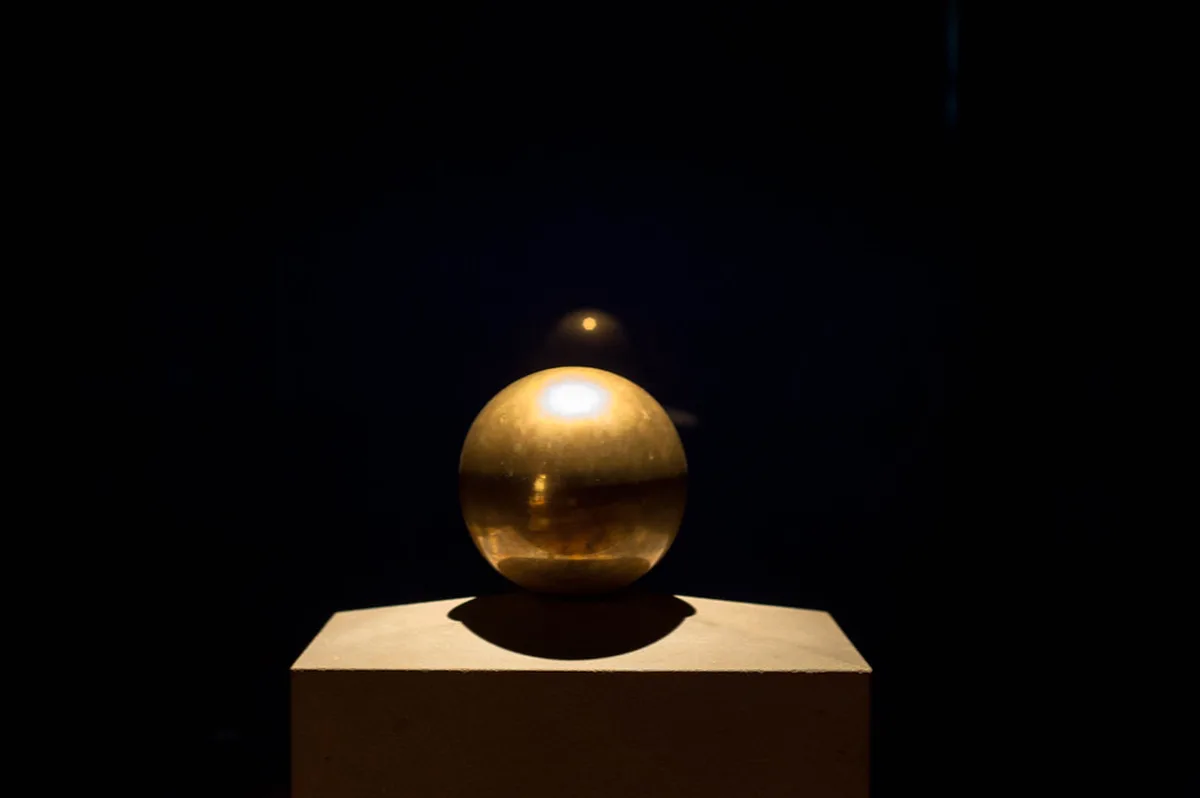
The museum collection is divided into several sections focusing on different aspects of Tesla's life. You will find a vast array of personal items, including his clothing and original furniture. These pieces offer a rare glimpse into his private habits and daily routines. One of the most moving parts of the museum is the room containing Tesla's ashes. They are kept in a glowing, spherical golden urn that sits on a marble pedestal. This quiet space allows visitors to pay their respects to the great inventor.
Beyond personal items, the museum displays many of his original working models and patents. You can see the early designs for motors, turbines, and high-frequency oscillators. These machines are among the top Belgrade attractions for first-timers looking for scientific inspiration. The exhibits are presented with clear explanations to help you understand complex physics. Seeing the physical hardware makes his abstract theories much easier to grasp. It is a fascinating journey through the mind of a true genius.
Interactive Experiments: The Tesla Coil Experience
The highlight for most visitors is the live demonstration of the massive Tesla coil. During the tour, a museum guide operates the device to create high-voltage sparks. This experiment showcases how electricity can travel through the air without any wires. Visitors are often invited to hold fluorescent light tubes that glow without being plugged in. This interactive moment perfectly illustrates Tesla's dreams of wireless energy transmission. It is a safe but thrilling way to experience scientific principles firsthand.
The loud crackle and bright flashes of the coil create an unforgettable atmosphere in the room. You should keep your camera ready to capture the impressive electrical arcs. These demonstrations are held regularly throughout the day for all tour groups. Understanding the safety rules is important before the demonstration begins. The guides provide clear instructions to ensure everyone enjoys the show without any risk. This part of the visit remains a favorite for children and adults alike.
The UNESCO Memory of the World Archive
The museum houses a massive archive containing over 160,000 original documents and photographs. This collection is so important that it is listed on the UNESCO Memory of the World Register - Tesla Archive for global protection. It serves as the primary source for researchers studying the history of science. These documents include personal letters, notebooks, and technical drawings from his various laboratories. They reveal the meticulous nature of his research and his creative thought process. Protecting these fragile papers is a top priority for the museum staff.
The archive provides evidence of his contributions to radio, robotics, and medical equipment. UNESCO recognized this collection because of its universal value to all of humanity. It is one of the few scientific archives to receive such a high level of international honor. While you cannot browse the full archive as a casual visitor, key documents are often on display. Digital screens in the museum allow you to flip through virtual pages of his notebooks. This technology helps bridge the gap between historical preservation and public education.
Visitor Information: Tickets, Hours, and Tours
Planning your logistics is key because the museum is quite popular and has limited capacity. Guided tours are the only way to see the interactive demonstrations and hear the full history. These tours are available in both Serbian and English at specific intervals throughout the day. According to the museum's official plan-your-visit page, tours depart every hour on the hour in both English and Serbian. The museum is open Tuesday through Sunday, 10:00–20:00; it closes on Mondays. Arriving early or booking in advance is highly recommended to secure your spot in an English-language tour.
The Belgrade Tourism Organisation also lists the museum as one of the city's unmissable cultural institutions — see the official Belgrade Tourism listing for the Nikola Tesla Museum for current seasonal updates. The museum is small, so it can feel crowded during peak tourist seasons. Most visitors spend about 45 to 60 minutes exploring the exhibits and watching the show. Be sure to bring cash — the museum does not accept credit cards.
- General Admission and Tour Details (2026)
- Adult admission: 800 RSD / Student: 500 RSD / Children under 7: Free
- Tours: every hour on the hour, English and Serbian
- Hours: Tuesday–Sunday 10:00–20:00 (closed Monday)
- Duration: 45–60 minutes per tour
- Address: Krunska 51, Vračar, Belgrade
- Payment: cash only (Serbian Dinars)
The Future Move: Milan Vapa Paper Factory Relocation
The museum is preparing for a major transition to a much larger facility in the near future. The government has designated the Milan Vapa Paper Factory as the new permanent home for the collection. This historic industrial building is located at Bulevar Vojvode Mišića 10 near the river. Moving to this site will provide much-needed space for the 160,000 documents and larger machinery. The Milan Vapa factory is an architectural gem that represents Belgrade's early industrial era. It will allow for a more modern and expansive museum experience for everyone.
Construction progress at the new site focuses on preserving the historic facade while modernizing the interior. This move will transform the museum into a major scientific and cultural hub. It will also make the exhibits more accessible to larger groups and school tours. While the current villa is charming, the new location will offer significantly better facilities. You can expect more interactive zones and a dedicated research center for scientists. This development marks an exciting new chapter for Tesla's legacy in Serbia.
Life in the Vračar Neighborhood
The museum is located in Vračar, which is one of the most beautiful and upscale districts in Belgrade. You can easily combine your visit with a walk to the nearby Temple of Saint Sava. This massive Orthodox church is just a ten-minute stroll away from the museum entrance. This neighborhood is also famous for its vibrant cafe culture and excellent local restaurants. Many travelers include this area in a Belgrade itinerary for 3 days to experience the local lifestyle. It is a great place to relax after learning about complex scientific theories.
The streets around the museum are lined with historic trees and elegant pre-war buildings. You will find many hidden gems, including small galleries and boutique shops. Exploring these side streets gives you a true sense of the city's residential charm. Try visiting a local 'poslastičarnica' for traditional Serbian sweets and coffee. The relaxed pace of Vračar offers a nice contrast to the busy city center. It is the perfect place to reflect on Tesla's life while enjoying a sunny afternoon.
Is the Nikola Tesla Museum Belgrade Worth It?
For many travelers, the nikola tesla museum belgrade is a mandatory stop on any Serbian trip. The combination of historical artifacts and live electrical shows provides unique value. It is one of the few places where you can see the actual remains of a world-changing genius. Science enthusiasts will find the technical details and original patents deeply rewarding. Even if you are not a physics expert, the interactive coil demonstration is worth the ticket price. The museum offers a high-quality experience in a relatively short amount of time.
Some visitors might find the current villa location a bit small during busy weekends. However, the intimate setting adds a personal touch that larger museums often lack. It remains a top-rated attraction because of its historical authenticity and educational power. If you appreciate history, science, or unique architecture, this museum will not disappoint. It provides a rare look at an inventor who truly lived ahead of his time. We highly recommend adding it to your list of things to do in Belgrade.
Frequently Asked Questions
Do you need to book the Nikola Tesla Museum in advance?
Yes, booking in advance is highly recommended due to limited tour capacities. You can check the official website for reservation details to ensure you get a spot in an English-speaking tour. For more travel tips, see our Belgrade public transport guide to arrive on time.
How long do you spend at the Tesla Museum Belgrade?
Most visitors spend approximately 45 to 60 minutes at the museum. This includes a 15-minute introductory film followed by a guided tour of the exhibits and live demonstrations. The small size of the villa makes it a quick but very dense educational experience.
Is the Nikola Tesla Museum moving to a new location?
Yes, the museum is scheduled to move to the Milan Vapa Paper Factory at Bulevar Vojvode Mišića 10. This new location will offer much more space for exhibits and archives. Check official updates for the exact relocation date before you plan your 2026 visit.
How to Reach the Nikola Tesla Museum
Address: Krunska 51, Vračar, Belgrade 11000, Serbia. The museum sits in the upscale Vračar district, roughly 2 km south of Belgrade's Republic Square.
By bus: Lines 31, 33, 36, 40, and 41 stop at Slavija Square, a five-minute walk from the museum entrance. No tram runs directly to Krunska street.
By taxi or ride-share: A ride from the Old Town takes 5–10 minutes and costs approximately 300–400 RSD in 2026. Car parking on Krunska street is metered, limited to 120 minutes.
If you plan to pair this stop with other landmarks, our full Belgrade itinerary maps a logical walking route that includes Kalemegdan Fortress, the bohemian quarter of Skadarlija, and the Vračar museum strip — all within a single day.
You can also explore Belgrade's streets on public transport using the tips in our Kalemegdan Fortress Belgrade guide, which covers transit starting points near the city's historic core.
Quick Answers Before You Go (2026)
What is the 2026 ticket price? Adult admission costs 800 RSD. Students pay 500 RSD. Children under 7 enter free.
When do guided tours start? Tours depart every hour on the hour, from 10:00 to 19:00, in both English and Serbian.
Is photography allowed? Photography is permitted in the exhibit rooms but flash is discouraged near fragile archival documents and original equipment.
Does the museum take cards? No — cash only. Bring Serbian Dinars; the nearest ATM is on Nemanjina street, two blocks away.
The Nikola Tesla Museum is a unique destination that blends science, history, and personal legacy. From the sparking Tesla coils to the quiet room housing his ashes, the experience is both educational and moving. Visiting this museum helps you understand the man who literally electrified the modern world. Make sure to explore the surrounding Vračar district to complete your perfect Belgrade afternoon. For a broader tour of the city's highlights, see our complete guide to Skadarlija, Belgrade's bohemian quarter, which pairs naturally with an afternoon in Vračar.