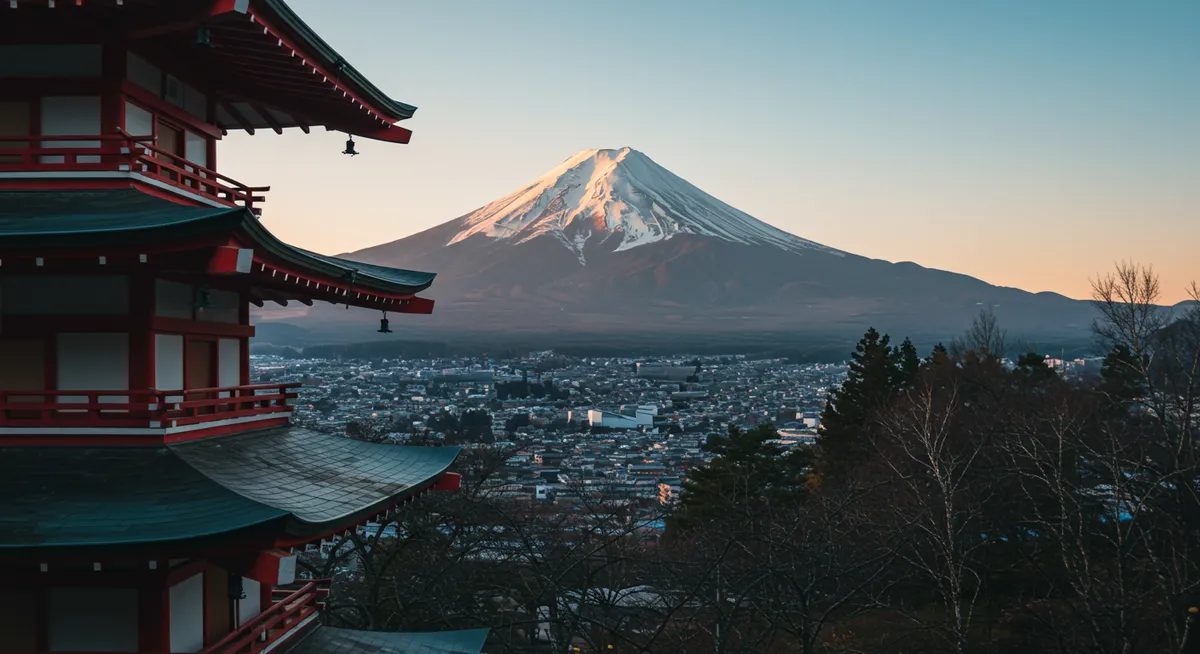
TL;DR: A Tokyo day trip to see Mt Fuji is one of the most rewarding excursions you can take in Japan. Lake Kawaguchiko delivers the classic postcard view and is reachable in under two hours by highway bus (around 3,500 yen round trip) or the Fuji Excursion limited express train (4,130 yen one way). Hakone pairs Fuji views with hot springs and Lake Ashi cruises. Visit between October and February for the clearest skies, depart by 7 AM, and check the Mt. Fuji live webcam before you go.
Mt. Fuji is visible from Tokyo only about 70 to 80 days per year, which is exactly why a dedicated day trip is worthwhile. Stepping out of the city and standing beside a glass-still lake with Japan's 3,776-metre icon filling the horizon is a moment that stays with you long after you fly home. This guide covers every detail you need to plan your Tokyo day trip to see Mt Fuji in 2026, from the best viewing spots and transport options to budgeting, what to pack, and a ready-made sample itinerary.
Best Viewing Spots for a Tokyo Day Trip to See Mt Fuji
Turn this guide into a personal route with our free Tokyo itinerary planner.
Choosing the right destination shapes your entire day. Each spot around Mt. Fuji offers a different perspective, atmosphere, and set of activities. Here are the top options for a 2026 day trip.
Lake Kawaguchiko (Fuji Five Lakes)
Kawaguchiko is the most popular and accessible of the Fuji Five Lakes. The northern shore delivers the iconic reflection shot, and facilities like the Kachi-Kachi Ropeway and retro bus loop make it easy to explore without a car. In spring, cherry blossoms frame the lake; in autumn, the Momiji Corridor blazes with red maples. The nearby Arakurayama Sengen Park is home to the Chureito Pagoda, arguably the single most photographed Fuji viewpoint in the world, where the five-storey pagoda and snowcapped peak line up in one frame. For a deeper look at all the Fuji Five Lakes options, see our best day trips from Tokyo to Mt Fuji.
Hakone
Hakone combines Mt. Fuji views with volcanic terrain, open-air museums, and onsen (hot spring) culture. Ride the Hakone Ropeway over the sulphurous Owakudani valley, cruise Lake Ashi past the famous torii gate, and soak in a hot spring, all within a single day. The Fuji view from Hakone is more distant than Kawaguchiko but equally dramatic when skies cooperate. Read our detailed Tokyo day tour: Mt Fuji, Lake Ashi and Owakudani guide for a full Hakone itinerary.
Gotemba and the 5th Station
If you want to get closer to the mountain itself, Gotemba is your gateway. The Mt. Fuji 5th Station sits at about 2,300 metres and offers panoramic views of the surrounding lowlands. Gotemba Premium Outlets, with over 280 stores, is a bonus if you want to squeeze in some shopping. This route works especially well if you arrive by bullet train from Tokyo.
Oshino Hakkai
This cluster of eight crystal-clear ponds fed by Mt. Fuji snowmelt is a quieter alternative. The traditional thatched-roof village atmosphere and pristine water, backed by the volcano, make it a favourite for photographers. Many guided tours include Oshino Hakkai alongside Kawaguchiko.
How to Get from Tokyo to Mt Fuji in 2026
Transport is the biggest planning decision for any Tokyo day trip to see Mt Fuji. Here is a breakdown of the main options with updated 2026 prices and journey times.
Highway Bus from Shinjuku
The most affordable option. Direct highway buses depart from the Shinjuku Expressway Bus Terminal (Busta Shinjuku) roughly every hour and reach Kawaguchiko Station in about two hours. A round-trip ticket costs approximately 3,500 to 4,500 yen. Weekend and holiday buses sell out fast, so book at least a few days ahead. For a full comparison of train-based routes, check our Tokyo to Mt Fuji day trip by train guide.
Fuji Excursion Limited Express Train
The Fuji Excursion runs directly from Shinjuku to Kawaguchiko in about 1 hour 53 minutes, making it the fastest public-transport option. One-way tickets cost 4,130 yen without a JR Pass. Only four round trips operate daily and seats sell out quickly in cherry blossom and autumn seasons, so reserve early. Learn more about Tokyo to Mt Fuji travel time for all transit modes.
JR Chuo Line plus Fujikyu Railway
Take the JR Chuo Line limited express from Shinjuku to Otsuki (about one hour), then transfer to the Fujikyu Railway for another 50 minutes to Kawaguchiko. This route is covered by the Japan Rail Pass for the JR segment, which can save money if you hold one for broader Japan travel.
Guided Bus Tours
If you prefer a hassle-free experience, guided tours depart from central Tokyo around 7 to 8 AM and typically cover Kawaguchiko, the 5th Station, and sometimes Gotemba Outlets or Oshino Hakkai. Prices range from 8,000 to 15,000 yen per person, including transport and a guide. This is ideal if you are short on time or uncomfortable navigating Japanese transit.
Car Rental
Rental cars start around 6,000 yen per day plus fuel and tolls (highway tolls can add 3,000 to 5,000 yen). A car gives you flexibility to hit multiple viewpoints at your own pace, but parking near Kawaguchiko fills up on weekends.
Sample One-Day Itinerary: Kawaguchiko Focus
This sample schedule maximises your time at the most popular Fuji viewing area. Adjust departure times based on your transport choice.
- 6:50 AM — Board the first Fuji Excursion train at Shinjuku Station (or 7:00 AM highway bus).
- 8:45 AM — Arrive at Kawaguchiko Station. Pick up a Retro Bus 2-day pass (1,500 yen) for unlimited lake-area rides.
- 9:00 AM — Head to the northern shore for morning light photos of Mt. Fuji reflected in the lake.
- 10:00 AM — Ride the Kachi-Kachi Ropeway to the Mt. Tenjo observation deck for sweeping lake-and-mountain panoramas.
- 11:30 AM — Visit Arakurayama Sengen Park and the Chureito Pagoda (allow 30 minutes for the 398-step climb).
- 12:30 PM — Lunch at a lakeside restaurant; try hoto noodles, a hearty regional speciality made with flat wheat noodles and vegetables in miso broth.
- 1:30 PM — Explore Oshino Hakkai village (20-minute bus ride from Kawaguchiko).
- 3:00 PM — Return to the lake for a sightseeing boat cruise or relax at a lakeside onsen.
- 4:30 PM — Browse souvenir shops near the station; pick up Fuji-shaped sweets and local lavender products.
- 5:15 PM — Catch the return train or bus to Shinjuku (arrive back by 7:15 PM).
For more day-trip ideas beyond Fuji, browse our full list of Tokyo day trips.
Budget Breakdown for a 2026 Mt Fuji Day Trip
Knowing what to expect cost-wise helps you plan without surprises. Here is a realistic per-person budget for a self-guided Kawaguchiko day trip in 2026.
- Transport (round trip bus): 3,500 to 4,500 yen
- Retro Bus pass: 1,500 yen
- Kachi-Kachi Ropeway: 900 yen (round trip)
- Lunch: 800 to 1,500 yen
- Boat cruise: 1,000 yen
- Snacks and souvenirs: 1,000 to 2,000 yen
- Total estimate: 8,700 to 11,400 yen (approximately 55 to 72 USD)
Opting for the Fuji Excursion train raises the transport portion to about 8,260 yen round trip. Guided tours cost more upfront but bundle everything together, saving time on logistics.
What to Pack and Wear
Weather around Mt. Fuji shifts quickly and temperatures can be several degrees cooler than central Tokyo, especially at higher elevations.
- Layers: A light down jacket or fleece, even in spring or autumn, is essential. Winter visitors should bring a heavier coat, gloves, and a hat.
- Comfortable shoes: You will walk on paved paths, gravel trails, and the 398 steps to Chureito Pagoda.
- Camera or smartphone with a charged battery: Cold drains batteries fast in winter.
- Sunscreen and sunglasses: UV intensity increases at elevation.
- Cash: Some smaller shops and buses around Kawaguchiko still prefer cash over cards.
- Reusable water bottle: Fill up at station water fountains to cut down on plastic.
When to Go: Best Seasons and Visibility Tips
Mt. Fuji famously hides behind clouds more often than not. Timing your Tokyo day trip to see Mt Fuji for maximum visibility takes a bit of strategy.
- October to February: Cold, dry air delivers the clearest skies. December and January are statistically the best months for unobstructed views.
- March to April: Cherry blossom season adds colour but also clouds. Mornings before 10 AM tend to be clearest.
- May to September: Humidity and haze reduce visibility significantly. July and August are climbing season on Fuji, but the summit is often shrouded in cloud.
Pro tip: Check the Mt. Fuji live webcam at Kawaguchiko on the morning of your trip. If the peak is hidden at sunrise, it is unlikely to clear later. Having a flexible backup plan, such as a nature-focused Tokyo day trip, saves you from a wasted day. Community advice from fellow travellers can also help; see what others recommend in our Mt Fuji day trip Reddit tips roundup.
Frequently Asked Questions
What is the best time of year for a Tokyo day trip to see Mt Fuji?
Can you see Mt Fuji from Tokyo without leaving the city?
How much does a Mt Fuji day trip from Tokyo cost in 2026?
Is a highway bus or train better for getting to Mt Fuji from Tokyo?
What should I do if Mt Fuji is hidden by clouds on my trip day?
Do I need to book transport in advance for a 2026 Mt Fuji day trip?
A Tokyo day trip to see Mt Fuji remains one of Japan's most unforgettable experiences in 2026. Whether you choose the mirror-still waters of Kawaguchiko, the volcanic drama of Hakone, or the high-altitude vistas from the 5th Station, careful planning around weather, transport, and timing will reward you with memories that last a lifetime. Start mapping out the rest of your Japan adventure with our Mt Fuji day tour overview or explore more trips to Mount Fuji from Tokyo.