Best Tokyo Day Trips for Nature Lovers in 2026: Mountains, Lakes & Forests
Escape Tokyo's urban buzz with these stunning nature day trips for 2026. From Mount Takao's forested trails to Hakone's volcanic lakes and Nikko's waterfalls, discover the best natural getaways within easy reach of the city.
ItiMaker Team9 min read
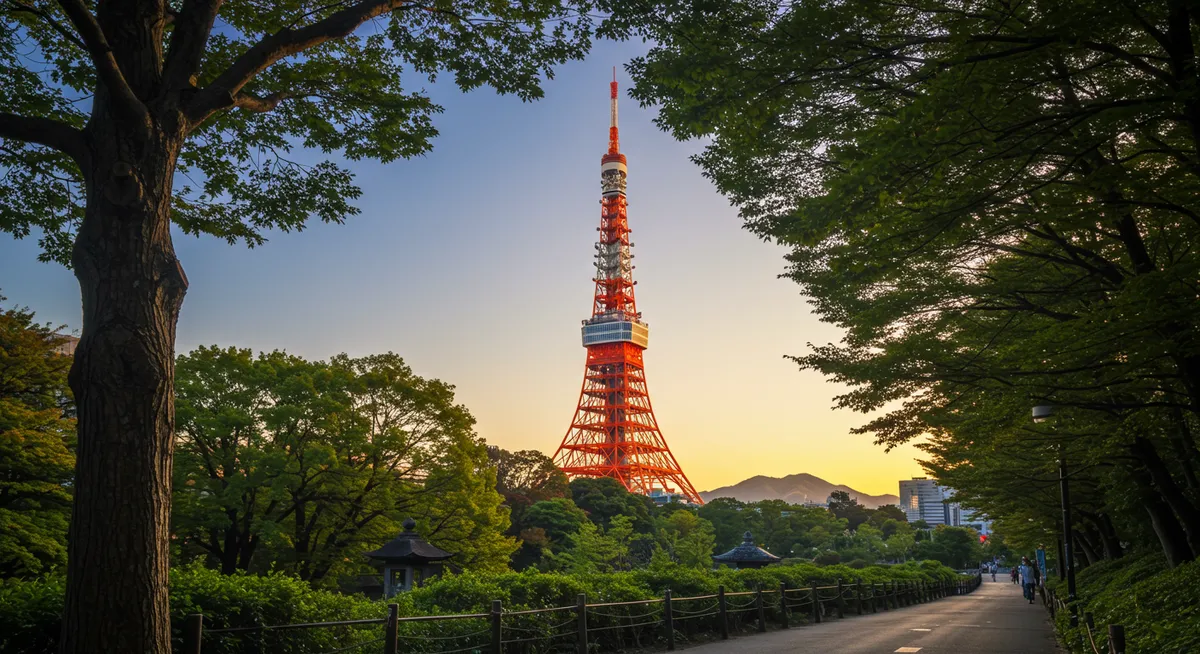
<p><strong>TL;DR:</strong> The top nature day trips from Tokyo in 2026 are Mount Takao (easiest, 1 hour from Shinjuku), Hakone (volcanic lakes and hot springs), Nikko (UNESCO waterfalls and shrines), Chichibu (dramatic gorges and river rafting), and Okutama (remote hiking and limestone caves). All are reachable by train in under two hours and offer a refreshing escape from city life any time of year.</p>
<h1>Best Tokyo Day Trips for Nature Lovers in 2026: Mountains, Lakes and Forests</h1>
<aside class="affiliate-slot" data-nosnippet
data-affiliate-unit="experience_finder"
data-affiliate-provider="getyourguide"
data-affiliate-widget="getyourguide_city"
data-affiliate-format="widget"
data-affiliate-placement="primary"
data-affiliate-campaign="itimaker-com-unit-gcity-tokyo-day-trips-nature"
data-affiliate-city="Tokyo"
data-affiliate-location-id="193"
style="min-height:400px">
<span class="affiliate-badge">Sponsored</span>
<div class="affiliate-skeleton" aria-hidden="true"></div>
<p class="affiliate-unit__loading" role="status">Loading live activities…</p>
<div class="affiliate-inner"><div
data-gyg-href="https://widget.getyourguide.com/default/city.frame"
data-gyg-location-id="193"
data-gyg-locale-code="en-US"
data-gyg-widget="city"
data-gyg-partner-id="26CH4CT"
data-gyg-campaign="itimaker-com-unit-gcity-tokyo-day-trips-nature"
data-gyg-cmp="itimaker-com-unit-gcity-tokyo-day-trips-nature"
loading="lazy"></div></div>
</aside>
<p>Tokyo delivers endless urban energy, but some of the most memorable moments of any Japan trip happen when you leave the city behind. Within one to two hours by train, the landscapes shift from neon-lit streets to misty mountain trails, volcanic lakeshores, and ancient cedar forests. Whether you are visiting Tokyo for three days or spending a full week, carving out a day for nature recharges you for the rest of the itinerary.</p>
<p>This 2026 guide covers five proven nature day trips from Tokyo. Each destination includes practical transport details, the best trails and viewpoints, seasonal highlights, and tips from repeated visits. If you are planning your broader schedule, our <a href="https://itimaker.com/blog/tokyo-day-trips">Tokyo day trips hub</a> covers all categories in one place.</p>
<h2>Mount Takao: The Easiest Nature Escape From Tokyo</h2>
<p>Mount Takao sits just 50 minutes from Shinjuku on the Keio Line, making it the most accessible nature day trip from Tokyo by a wide margin. At 599 meters, the mountain is modest in elevation but rich in biodiversity, home to over 1,600 plant species and ancient temple grounds that date back more than 1,200 years.</p>
<aside class="affiliate-slot" data-nosnippet
data-affiliate-unit="experience_finder"
data-affiliate-provider="viator"
data-affiliate-widget="viator_widget"
data-affiliate-format="widget"
data-affiliate-placement="secondary"
data-affiliate-campaign="itimaker-com-unit-vauto-tokyo-day-trips-nature"
data-affiliate-city="Tokyo"
data-affiliate-location-id=""
style="min-height:600px">
<span class="affiliate-badge">Sponsored</span>
<div class="affiliate-skeleton" aria-hidden="true"></div>
<p class="affiliate-unit__loading" role="status">Loading live activities…</p>
<div class="affiliate-inner"><div
data-vi-partner-id="P00271059"
data-vi-widget-ref="W-d5dc59c4-3a04-417e-8a46-7be440461eba"
data-vi-search-term="Tokyo"
data-vi-campaign="itimaker-com-unit-vauto-tokyo-day-trips-nature"
data-campaign="itimaker-com-unit-vauto-tokyo-day-trips-nature"></div></div>
</aside>
<p>The mountain offers six numbered trails plus the Inariyama ridge route. Trail 1, the most popular, is a paved path that passes through the atmospheric Yakuo-in temple complex before reaching the summit. For a quieter experience, Trail 6 follows a shaded stream valley through dense forest. In 2026, the newly extended boardwalk sections on Trail 4 make the loop between Trails 1 and 6 even more enjoyable.</p>
<p>A cable car and chairlift operate year-round from the base, cutting the hike time roughly in half. From the summit on clear days, the panoramic view stretches across the Kanto Plain all the way to Mount Fuji. Spring cherry blossoms (late March to mid-April) and autumn foliage (mid-November) are peak seasons, but Mount Takao rewards visits any month. Budget around four to five hours for a relaxed round trip including lunch at one of the summit soba noodles shops.</p>
<h2>Hakone: Volcanic Landscapes, Hot Springs, and Lake Ashi</h2>
<p>Hakone, located within the Fuji-Hakone-Izu National Park, combines volcanic scenery with onsen culture in a way no other Tokyo day trip can match. The Odakyu Romancecar reaches Hakone-Yumoto from Shinjuku in 85 minutes, and the Hakone Free Pass covers buses, ropeways, boats, and trains throughout the area for two days.</p>
<aside class="affiliate-slot" data-nosnippet
data-affiliate-unit="experience_finder"
data-affiliate-provider="getyourguide"
data-affiliate-widget="getyourguide_activities"
data-affiliate-format="widget"
data-affiliate-placement="tertiary"
data-affiliate-campaign="itimaker-com-unit-gact-tokyo-day-trips-nature"
data-affiliate-city="Tokyo"
data-affiliate-location-id="193"
style="min-height:420px">
<span class="affiliate-badge">Sponsored</span>
<div class="affiliate-skeleton" aria-hidden="true"></div>
<p class="affiliate-unit__loading" role="status">Loading live activities…</p>
<div class="affiliate-inner"><div
data-gyg-href="https://widget.getyourguide.com/default/activities.frame"
data-gyg-location-id="193"
data-gyg-locale-code="en-US"
data-gyg-widget="activities"
data-gyg-partner-id="26CH4CT"
data-gyg-campaign="itimaker-com-unit-gact-tokyo-day-trips-nature"
data-gyg-cmp="itimaker-com-unit-gact-tokyo-day-trips-nature" data-gyg-number-of-items="4"
loading="lazy"></div></div>
</aside>
<p>The classic loop route starts with the Hakone Tozan switchback railway up to Gora, continues by cable car and ropeway over the steaming Owakudani volcanic valley, and descends to Lake Ashi for a scenic pirate-ship cruise. On clear mornings, the view of Mount Fuji reflected in the lake is one of Japan's most iconic natural scenes. The Hakone Open-Air Museum blends large-scale sculptures with the surrounding mountain landscape, offering a unique fusion of art and nature.</p>
<p>For deeper nature immersion, hike the Old Tokaido Highway section between Moto-Hakone and Hatajuku, a stone-paved path through towering cedar trees that once connected Edo-period travelers to Kyoto. Spring and autumn deliver the most comfortable temperatures, though Hakone's hot spring baths make even rainy winter days worthwhile. If you are considering <a href="https://itimaker.com/blog/tokyo-day-trips-summer">summer day trips from Tokyo</a>, Hakone's higher elevation provides welcome relief from the humidity.</p>
<h2>Nikko: UNESCO World Heritage Meets Wild Waterfalls</h2>
<p>Nikko, roughly two hours north of Tokyo by Tobu Railway, is where ornate Edo-period shrine architecture meets raw natural power. The Toshogu Shrine complex, a UNESCO World Heritage Site famous for its carved monkeys and gold-leaf details, sits at the entrance to a national park filled with waterfalls, lakes, and highland marshes.</p>
<p>Beyond the shrines, the 97-meter Kegon Falls is the main natural attraction. An elevator descends to an observation platform at the base where the thundering water and mist create a dramatic scene, especially during spring snowmelt. Nearby Lake Chuzenji, formed by volcanic activity from Mount Nantai, offers boat cruises and shoreline walking paths. The Senjogahara Marshland trail, a flat two-hour boardwalk hike through wetlands and birch forests, is one of Japan's finest easy nature walks.</p>
<p>Autumn foliage in Nikko, typically peaking in late October, is considered among the most spectacular in eastern Japan. The Irohazaka switchback road connecting the lower and upper areas turns into a tunnel of red and gold maples. Even outside autumn, the combination of cultural significance and wilderness makes Nikko a compelling choice for nature-focused <a href="https://itimaker.com/blog/tokyo-day-trips-by-train">day trips from Tokyo by train</a>.</p>
<h2>Chichibu: River Gorges, Caves, and Seasonal Flower Fields</h2>
<p>Chichibu, in western Saitama Prefecture, flies under the tourist radar despite offering some of the most dramatic river scenery near Tokyo. The Seibu Railway reaches Seibu-Chichibu Station from Ikebukuro in about 80 minutes, and a local train extension continues to Nagatoro, the gateway to the area's natural highlights.</p>
<p>Nagatoro Gorge is the centerpiece. Traditional wooden riverboats navigate the rapids of the Arakawa River between towering rock walls sculpted over millions of years. For a more active experience, guided rafting trips run from April through November. The Iwadatami rock formations, natural geological terraces along the riverbank, are an easy walk from Nagatoro Station and offer dramatic photo opportunities.</p>
<p>Chichibu also delivers seasonal color like few places near Tokyo. The Hitsujiyama Park shibazakura (moss phlox) festival in April and May blankets hillsides in pink, white, and purple. In winter, the Ashigakubo ice pillars create a frozen landscape lit up at night. Underground, the Nippara Limestone Cave (accessible from the Okutama side) and Chichibu's own smaller caves add geological interest. For families, the area pairs well with ideas from our <a href="https://itimaker.com/blog/tokyo-day-trips-with-kids">Tokyo day trips with kids</a> guide, since the boat rides and flower fields are child-friendly.</p>
<h2>Okutama: Tokyo's Hidden Wilderness at the City's Western Edge</h2>
<p>Technically still within Tokyo's municipal borders, Okutama feels like a different world. The JR Ome Line reaches Okutama Station from Shinjuku in about 100 minutes, delivering you to the doorstep of the Chichibu-Tama-Kai National Park without needing to leave the city's train network.</p>
<p>Lake Okutama, a reservoir surrounded by forested mountains, serves as the area's scenic anchor. A paved walking path circles portions of the lake, and a dramatic floating bridge (Mugiyama Ukihashi) crosses one of its narrower sections. For serious hikers, Mount Mitake (929 meters) offers a cable car to the upper slopes followed by a trail network through mossy forests to the ancient Musashi-Mitake Shrine. The extended ridge hike from Mitake to Otake (1,266 meters) is a full-day challenge with rewarding panoramic views.</p>
<p>The Nippara Limestone Cave, the largest limestone cave in the Kanto region, features illuminated stalactite chambers and maintains a cool temperature year-round, making it a refreshing stop in summer. Okutama's rivers also support canyoning and fishing during warmer months. Because Okutama is less commercialized than Hakone or Nikko, it provides a quieter, more rugged nature experience for visitors willing to venture a bit further along the train line.</p>
<h2>How to Choose the Right Nature Day Trip From Tokyo</h2>
<p>Each destination suits different preferences and schedules. Mount Takao is the best pick when time is limited or you want an easy half-day outing. Hakone works well if you want to combine nature with hot springs and cultural attractions. Nikko delivers the strongest blend of world-class cultural sites and wilderness. Chichibu appeals to visitors seeking unique seasonal events and off-the-beaten-path scenery. Okutama is ideal for experienced hikers and anyone craving genuine solitude.</p>
<p>All five destinations are accessible by train with no car rental required, and all operate year-round, though each peaks in a different season. Combining two shorter trips (for example, Mount Takao one morning and Okutama the next day) is a great strategy for visitors spending a full week in the Tokyo area.</p>
<h2>Frequently Asked Questions</h2>
<div itemscope="" itemtype="https://schema.org/FAQPage">
<div class="faq-item" itemprop="mainEntity" itemscope="" itemtype="https://schema.org/Question">
<h3 itemprop="name">What is the easiest nature day trip from Tokyo in 2026?</h3>
<div itemprop="acceptedAnswer" itemscope="" itemtype="https://schema.org/Answer">
<div itemprop="text">Mount Takao is the easiest nature day trip from Tokyo. It is just 50 minutes from Shinjuku by Keio Line, offers a cable car to skip the lower slopes, and has paved trails suitable for all fitness levels. You can complete a satisfying visit in four to five hours including the train ride.</div>
</div>
</div>
<div class="faq-item" itemprop="mainEntity" itemscope="" itemtype="https://schema.org/Question">
<h3 itemprop="name">Can I see Mount Fuji on a nature day trip from Tokyo?</h3>
<div itemprop="acceptedAnswer" itemscope="" itemtype="https://schema.org/Answer">
<div itemprop="text">Yes. Hakone's Lake Ashi and the Owakudani ropeway offer some of the best Mount Fuji views near Tokyo, especially on clear mornings. The summit of Mount Takao also provides Fuji views on days with good visibility. Winter months typically offer the clearest sightlines.</div>
</div>
</div>
<div class="faq-item" itemprop="mainEntity" itemscope="" itemtype="https://schema.org/Question">
<h3 itemprop="name">Which Tokyo nature day trip is best for autumn foliage?</h3>
<div itemprop="acceptedAnswer" itemscope="" itemtype="https://schema.org/Answer">
<div itemprop="text">Nikko is widely considered the best autumn foliage destination near Tokyo. The Irohazaka switchback road and the shores of Lake Chuzenji turn brilliant red and gold from mid to late October. Mount Takao and Hakone also offer beautiful autumn colors, typically peaking in mid-November.</div>
</div>
</div>
<div class="faq-item" itemprop="mainEntity" itemscope="" itemtype="https://schema.org/Question">
<h3 itemprop="name">Are Tokyo nature day trips accessible by public transport?</h3>
<div itemprop="acceptedAnswer" itemscope="" itemtype="https://schema.org/Answer">
<div itemprop="text">All five destinations in this guide — Mount Takao, Hakone, Nikko, Chichibu, and Okutama — are fully accessible by train from central Tokyo. No rental car is needed. Travel times range from 50 minutes (Mount Takao) to about two hours (Nikko). Rail passes like the Hakone Free Pass or Nikko Pass can save money on combined transport.</div>
</div>
</div>
<div class="faq-item" itemprop="mainEntity" itemscope="" itemtype="https://schema.org/Question">
<h3 itemprop="name">What should I pack for a nature day trip from Tokyo?</h3>
<div itemprop="acceptedAnswer" itemscope="" itemtype="https://schema.org/Answer">
<div itemprop="text">Bring comfortable walking shoes with grip, a refillable water bottle, sunscreen, and a light rain layer since mountain weather can change quickly. In summer, insect repellent is recommended for forested trails. In winter, pack an extra warm layer since temperatures at higher elevations drop significantly compared to central Tokyo.</div>
</div>
</div>
<div class="faq-item" itemprop="mainEntity" itemscope="" itemtype="https://schema.org/Question">
<h3 itemprop="name">Can I combine two nature day trips in one day?</h3>
<div itemprop="acceptedAnswer" itemscope="" itemtype="https://schema.org/Answer">
<div itemprop="text">It is difficult to combine two full nature day trips in a single day due to travel times. However, a half-day at Mount Takao in the morning can be followed by an afternoon in the Okutama or Chichibu area if you start early. For most visitors, dedicating a full day to one destination provides the most rewarding experience.</div>
</div>
</div>
</div>
<p>Stepping out of Tokyo into nature is one of the most rewarding parts of any Japan trip in 2026. Whether you choose the accessible trails of Mount Takao, the volcanic drama of Hakone, or the wild gorges of Chichibu, these escapes are closer and easier to reach than most visitors expect. For more trip planning ideas, browse our <a href="https://itimaker.com/blog/tokyo-day-trips">Tokyo day trips</a> hub or check the full <a href="https://itimaker.com">ItiMaker travel guide</a> collection.</p>
Make this guide part of your trip.
Turn the ideas you like into a personal day-by-day route, then edit every detail.
Build my itinerary