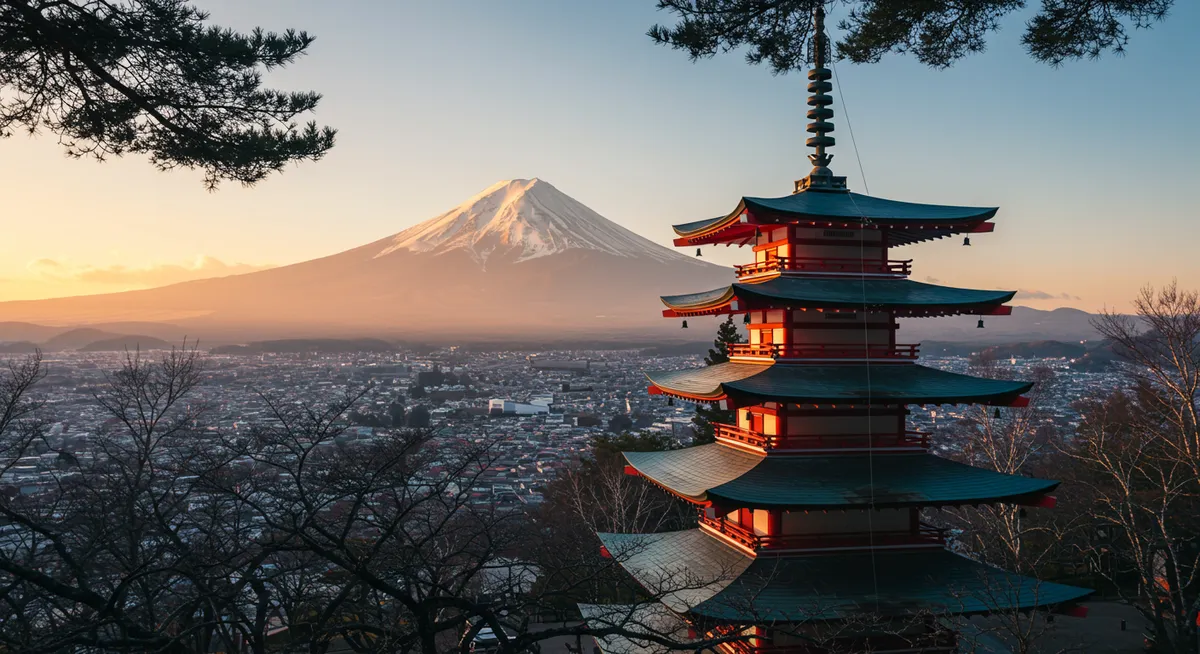
Mount Fuji sits roughly 100 km southwest of central Tokyo, yet the actual tokyo to mt fuji travel time varies dramatically depending on which transport you choose, where you depart from, and what time of day you leave. Whether you are planning a day trip to Mt Fuji from Tokyo or a multi-day exploration of the Fuji Five Lakes, getting the travel logistics right is the first step toward a stress-free experience.
This guide breaks down every major route — including the newer Fuji Excursion direct train — with updated 2026 prices, realistic travel times, and practical tips drawn from firsthand experience navigating these connections dozens of times.
Fuji Excursion Limited Express: The Best Direct Option
Turn this guide into a personal route with our free Tokyo itinerary planner.
Launched in 2019, the Fuji Excursion (Fuji Kaiyu) remains the most convenient way to travel from Tokyo to Mt Fuji in 2026. This limited express train runs directly from Shinjuku Station to Kawaguchiko Station with no transfers required, making it ideal for first-time visitors and families.
- Travel time: Approximately 1 hour 55 minutes
- Price: ¥4,130 one-way (reserved seat only)
- Departures: Four daily round trips — from Shinjuku at 7:30, 8:30, 9:30, and 11:30 (schedule valid from March 14, 2026)
- Return trains: Depart Kawaguchiko at 15:03, 16:25, 16:51, and 17:36
The Fuji Excursion couples with JR East's Kaiji/Azusa services between Shinjuku and Otsuki before continuing on the Fujikyu Railway. Since all seats are reserved, purchase tickets in advance through JR East's online reservation system or at station ticket machines. This train is covered by the Tokyo Wide Pass, which makes it excellent value if you plan other day trips from Tokyo by train.
Shinkansen + Bus: The Fastest Combination
For travelers who want to minimize their tokyo to mt fuji travel time, combining the Tokaido Shinkansen with a local bus delivers the quickest overall journey — especially if you are starting from Tokyo Station rather than Shinjuku.
Via Mishima Station
- Shinkansen leg: Tokyo Station → Mishima Station in 45–55 minutes (Kodama or Hikari)
- Bus leg: Mishima → Kawaguchiko in approximately 90 minutes (¥2,530)
- Total travel time: About 2.5 hours including transfer
Via Shin-Fuji Station
- Shinkansen leg: Tokyo Station → Shin-Fuji Station in about 1 hour 7 minutes (only Kodama trains stop here)
- Bus/taxi leg: Shin-Fuji → Kawaguchiko area takes 60–90 minutes by bus
- Total travel time: About 2–2.5 hours
The Shinkansen portion costs approximately ¥4,070–5,170 depending on seat class. If you hold a Japan Rail Pass, the Shinkansen leg is covered (Kodama and some Hikari services). Book early during peak seasons — Golden Week, Obon in August, and New Year — because seats fill up fast. For more on bullet train logistics, see our bullet train Japan travel times guide.
Limited Express + Fujikyu Railway: The Scenic Route
This classic route from Shinjuku offers beautiful mountain scenery and is especially popular with travelers who want to enjoy the journey as much as the destination.
- Shinjuku → Otsuki: 60–75 minutes via JR Chuo Line Limited Express (Kaiji or Azusa)
- Otsuki → Kawaguchiko: 50–60 minutes via Fujikyu Railway
- Total travel time: 2–2.5 hours including the transfer at Otsuki
- Cost: Approximately ¥3,500–4,500 depending on train type
The Fujikyu Railway segment winds through forested valleys with occasional glimpses of Mt Fuji on clear days — a fitting prelude to the main attraction. This route connects seamlessly if you are exploring other day trips from Tokyo by train in winter or building a wider 2-week Japan itinerary.
Highway Bus: The Budget-Friendly Choice
The highway bus is the cheapest way to manage your tokyo to mt fuji travel time and the only option that requires zero transfers from central Tokyo to Kawaguchiko.
- Travel time: 2–2.5 hours (can extend to 3+ hours during holiday traffic)
- Price: ¥2,000–3,000 one-way
- Departure points: Shinjuku Expressway Bus Terminal (Busta Shinjuku), Shibuya Mark City, Tokyo Station Yaesu South Exit, Ikebukuro, and even Narita Airport
- Destination: Direct to Kawaguchiko Station (some services also stop at Fuji-Q Highland and the Mt Fuji 5th Station during climbing season)
Buses are spacious, air-conditioned, and equipped with Wi-Fi on most services. The trade-off is vulnerability to traffic congestion — Friday evenings and weekend mornings heading to Fuji are particularly busy. Book through Willer Express, Fujikyu Bus, or Keio Bus websites. A practical tip: morning departures (before 8:00 AM) consistently avoid the worst traffic.
Driving to Mt Fuji: Maximum Flexibility
Renting a car gives you complete freedom to explore the wider Fuji Five Lakes region, Hakone, and surrounding areas at your own pace.
- Travel time: 1.5–3 hours from central Tokyo via the Chuo Expressway or Tomei Expressway
- Distance: Approximately 100–130 km depending on your route and final destination
- Tolls: Expect ¥2,500–4,000 in highway tolls each way
- Parking: Free to ¥1,000 at most lakeside areas; limited and costly near the 5th Station
Important for 2026: During the summer climbing season (mid-July to early September), the Fuji Subaru Line restricts private vehicles. You must park at a designated lot and transfer to a shuttle bus. An International Driving Permit and GPS navigation are essential. If you are combining Mt Fuji with Hakone, driving makes the most sense — check our trips to Mount Fuji from Tokyo guide for route suggestions.
Travel Time Comparison Table
| Method | Travel Time | Cost (One-Way) | Transfers | Best For |
|---|---|---|---|---|
| Fuji Excursion (Direct) | ~1 hr 55 min | ¥4,130 | None | Convenience, first-timers |
| Shinkansen + Bus | 1.5–2.5 hrs | ¥5,000–7,000 | 1 transfer | Speed from Tokyo Station |
| Limited Express + Fujikyu | 2–2.5 hrs | ¥3,500–4,500 | 1 transfer | Scenic journey, rail pass holders |
| Highway Bus | 2–2.5 hrs | ¥2,000–3,000 | None | Budget travelers |
| Car Rental | 1.5–3 hrs | ¥5,000+ (rental + tolls) | None | Flexibility, groups, multi-stop trips |
Best Time to Visit Mt Fuji from Tokyo
The tokyo to mt fuji travel time remains consistent year-round for trains, but road and bus travel times fluctuate significantly with the seasons:
- Spring (March–May): Cherry blossom season brings crowds but excellent visibility. Lake Kawaguchiko's cherry blossoms framing Mt Fuji are iconic. Road traffic is moderate.
- Summer (June–September): Official climbing season runs July 1 – September 10. Expect peak traffic, Subaru Line vehicle restrictions, and higher bus demand. Book all transport early.
- Autumn (October–November): Fall foliage around the Five Lakes is spectacular. Moderate crowds with comfortable temperatures — arguably the best season for sightseeing.
- Winter (December–February): The clearest views of a snow-capped Fuji. Fewer crowds, but some bus services reduce frequency. Trains run on normal schedules. Great for combining with our winter day trips around Tokyo.
Pro Tips for a Smooth Journey in 2026
- Use IC cards: Suica or Pasmo cards work on all trains and buses in the Fuji area, eliminating the need to buy individual tickets.
- Sit on the right side: When taking the Fuji Excursion or Chuo Line from Shinjuku, sit on the right side (going west) for the best views of Mt Fuji.
- Check the weather: Fuji is only visible on clear days. Use the Fuji Five Lakes webcam or tenki.jp before departing.
- Combine with nearby attractions: Oshino Hakkai, Chureito Pagoda, and the Fuji-Q Highland theme park are all accessible from Kawaguchiko without a car.
- Start early: Morning departures guarantee clearer Fuji views (clouds typically build by afternoon) and lighter traffic on buses.
- Consider the Tokyo Wide Pass: At ¥15,000 for three consecutive days, it covers the Fuji Excursion, all JR trains in the Greater Tokyo area, and even the Shinkansen to destinations like Karuizawa and GALA Yuzawa.
Frequently Asked Questions
How long does it take to get from Tokyo to Mt Fuji?
What is the cheapest way to get from Tokyo to Mt Fuji in 2026?
Can I do a day trip to Mt Fuji from Tokyo?
Which station should I go to for Mt Fuji?
Is the Japan Rail Pass worth it for getting to Mt Fuji?
What is the Fuji Subaru Line vehicle restriction in 2026?
Getting from Tokyo to Mount Fuji is straightforward once you know which transport method matches your priorities. The Fuji Excursion train offers the best blend of convenience and speed for most travelers in 2026, while budget-minded visitors will appreciate the direct highway bus, and the Shinkansen route suits those starting from Tokyo Station. Whichever option you choose, the journey itself is part of the Mt Fuji experience — especially on a clear day when the mountain first appears through your train window. For more trip planning, explore our 3-day Tokyo itinerary or browse all day trips from Tokyo.