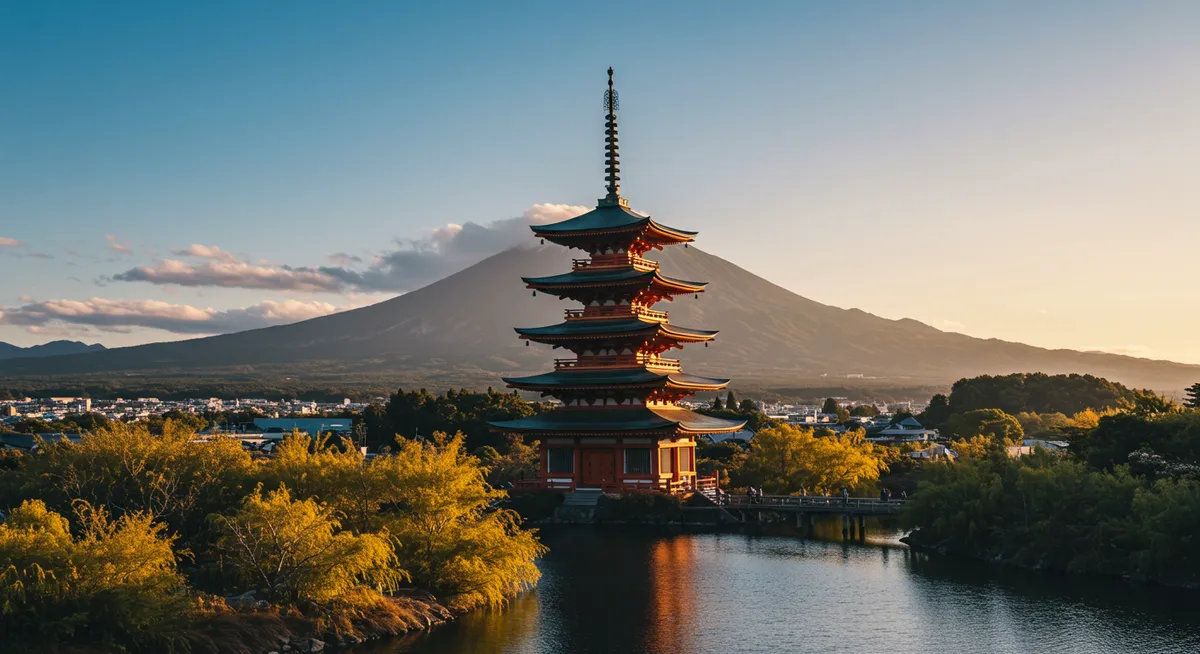
Fourteen days in Japan is the sweet spot. It gives you enough time to experience Tokyo's electric energy, lose yourself in Kyoto's bamboo groves, eat your way through Osaka's street-food alleys, and stand in reflection at Hiroshima's Peace Memorial — all without the burnout of rushing between cities.
This 2 weeks in Japan itinerary for 2026 is built from real travel experience across multiple seasons and dozens of trips on the Shinkansen network. Every recommendation below accounts for current pricing, updated JR Pass rules, and 2026-specific events like Silver Week in September. Whether you are a first-time visitor or returning for a deeper dive, this day-by-day breakdown will help you make the most of every hour.
Before You Go: Essential 2026 Planning Tips
Turn this guide into a personal route with our free Multi-City itinerary planner.
Getting a few logistics right before departure will save you hours of confusion on the ground.
JR Pass changes for 2026: The Japan Rail Pass was repriced in late 2023, and the 14-day Ordinary Pass now costs approximately ¥50,000 (about $330 USD). For a two-week itinerary covering Tokyo–Kyoto–Osaka–Hiroshima, the pass still pays for itself — a single Tokyo-to-Kyoto Shinkansen ticket alone costs around ¥14,000 one way. Purchase your pass online through the official JR Pass website and activate it at the airport on arrival day.
IC cards: Pick up a Suica or Pasmo card (now available digitally on iPhone and Apple Watch) at the airport for local trains, buses, and convenience store purchases. These contactless cards work nationwide.
Advance bookings: Popular 2026 attractions require early reservations. The Studio Ghibli Museum sells out months ahead, Shibuya Sky observation deck books up 4–8 weeks in advance, and teamLab venues frequently hit capacity. Book these before finalizing your day-by-day schedule.
2026 seasonal calendar: Cherry blossom season typically peaks late March to mid-April. Silver Week — a rare extended holiday when several national holidays align — falls in mid-September 2026, meaning domestic travel will be extremely crowded and accommodation prices spike. Plan around it or check our Kyoto timing guide for the best windows.
Budget snapshot: A mid-range two-week trip to Japan in 2026 costs roughly $2,500–$4,000 per person (excluding flights), covering accommodation, the JR Pass, food, activities, and local transport. Budget travelers staying in hostels and eating at convenience stores and ramen shops can manage on $1,500–$2,000.
Days 1–4: Tokyo — Neon, Temples, and Neighborhoods
Your 2 weeks in Japan itinerary begins in Tokyo, the world's largest metropolitan area and a city where centuries-old shrines sit beneath glass skyscrapers. Fly into Narita (NRT) or Haneda (HND) and take the Narita Express or monorail into the city. For a detailed neighborhood-by-neighborhood breakdown, see our comprehensive Tokyo itinerary guide.
Day 1: Arrival and Shinjuku
After clearing customs and activating your JR Pass, head to your hotel and spend the afternoon exploring Shinjuku. Walk through the government building's free observation deck for panoramic city views, then wander Omoide Yokocho (Memory Lane) for yakitori skewers as the neon signs flicker to life. If jet lag keeps you awake, Shinjuku's Kabukicho entertainment district stays open well past midnight. For evening options, check our Tokyo nightlife guide.
Day 2: Asakusa, Akihabara, and Traditional Tokyo
Start early at Senso-ji Temple in Asakusa — arriving before 8 AM means fewer crowds at Tokyo's oldest temple. Browse Nakamise-dori for traditional snacks and souvenirs, then cross the Sumida River for views of Tokyo Skytree. In the afternoon, head to Akihabara for anime culture and electronics, or visit the serene Meiji Shrine in Harajuku. For deeper cultural experiences, our Tokyo temples and shrines guide covers the must-visit sacred sites.
Day 3: Shibuya, Harajuku, and Modern Tokyo
Cross the iconic Shibuya Scramble Crossing (best viewed from the Shibuya Sky observation deck or the Starbucks above), then walk to Harajuku's Takeshita Street for Japanese street fashion and crepes. Spend the afternoon in Omotesando for upscale boutiques, or head to Shimokitazawa for vintage shops and indie cafes. Our Tokyo shopping guide has neighborhood-specific recommendations for every budget. End the day at a Tokyo street food spot or explore the full food scene.
Day 4: Day Trip — Kamakura or Nikko
Use your JR Pass for a rewarding day trip. Kamakura (about 1 hour south) offers the Great Buddha statue, Hase-dera Temple with ocean views, and the atmospheric Bamboo Temple (Hokoku-ji). Alternatively, Nikko (about 2 hours north) features the ornate Toshogu Shrine, a UNESCO World Heritage Site set among ancient cedar forests. Both make excellent half-day or full-day excursions. Browse more options in our Tokyo day trips roundup.
Day 5: Hakone — Hot Springs and Mt. Fuji Views
Take the Romancecar express from Shinjuku to Hakone (about 85 minutes). This mountain resort town is famous for open-air onsen (hot spring baths), the Hakone Ropeway with views of volcanic Owakudani Valley, and — on clear days — stunning vistas of Mt. Fuji across Lake Ashi. Ride the pirate ship cruise across the lake and visit the Hakone Open-Air Museum. Stay overnight at a ryokan (traditional Japanese inn) for the quintessential Japanese hospitality experience, or return to Tokyo in the evening and catch the Shinkansen to Kyoto the next morning. If you want a dedicated Mt. Fuji trip instead, our Mt. Fuji day trip guide covers multiple routes.
Days 6–9: Kyoto — Temples, Geisha, and Gardens
The Shinkansen from Tokyo to Kyoto takes about 2 hours 15 minutes. Kyoto served as Japan's imperial capital for over a thousand years, and its 2,000+ temples and shrines make it the cultural heart of any 2 weeks in Japan itinerary. For timing your visit and seasonal highlights, see our best time to visit Kyoto guide.
Day 6: Eastern Kyoto Highlights
Begin at Fushimi Inari Shrine — arrive by 7 AM to walk the thousands of vermillion torii gates with minimal crowds. The full hike to the summit takes about 2 hours. In the afternoon, visit Kiyomizu-dera Temple for sweeping views over the city, then walk downhill through the preserved Higashiyama district with its traditional wooden shopfronts. End in the Gion district at dusk for the best chance of spotting geiko (Kyoto's term for geisha) walking to evening engagements. Our Kyoto temples and shrines guide has opening hours and access tips.
Day 7: Arashiyama and Western Kyoto
Spend the morning in the Arashiyama Bamboo Grove — the earlier you arrive, the more atmospheric the experience. Visit the nearby Tenryu-ji Temple (a UNESCO World Heritage Site) and cross the Togetsukyo Bridge. In the afternoon, head to Kinkaku-ji (the Golden Pavilion) and Ryoan-ji with its famous Zen rock garden. For dinner, explore Nishiki Market or try a traditional kaiseki multi-course meal. Our Kyoto food guide covers the best dining from street food to fine dining.
Day 8: Day Trip to Nara
Nara is just 45 minutes from Kyoto by train and deserves a full day. The star attraction is Todai-ji Temple, housing a 15-meter bronze Buddha inside the world's largest wooden building. The friendly (and persistent) deer roaming Nara Park are a highlight — you can buy shika senbei (deer crackers) from vendors. Also visit Kasuga Taisha Shrine with its thousands of stone and bronze lanterns, and the tranquil Isuien Garden. Our Nara day trip from Kyoto guide has the full breakdown.
Day 9: Hidden Kyoto and Tea Culture
Use this day for the Kyoto experiences most tourists miss. Walk the Philosopher's Path between Ginkaku-ji (Silver Pavilion) and Nanzen-ji Temple, stopping at small neighborhood cafes along the way. Visit the Tofuku-ji Temple for its stunning garden (spectacular in autumn). In the afternoon, participate in a traditional tea ceremony in the Uji district, Japan's most famous tea-growing region and just 20 minutes from Kyoto by train. For evening activities, see our things to do in Kyoto at night guide. If you are traveling on a tighter budget, our Kyoto budget travel tips will help you save without missing the essentials.
Days 10–11: Osaka — Street Food Capital of Japan
Take the Shinkansen or a rapid train from Kyoto to Osaka (15–30 minutes). Osaka is louder, funnier, and more food-obsessed than any other Japanese city — locals say "kuidaore" (eat until you drop), and they mean it. For timing and seasonal events, check our best time to visit Osaka guide.
Day 10: Dotonbori, Osaka Castle, and Shinsekai
Start at Osaka Castle, a reconstructed 16th-century fortress surrounded by parkland and a moat. In the afternoon, walk through the Shinsekai district for its retro atmosphere and kushikatsu (deep-fried skewers). As evening falls, head to Dotonbori — Osaka's neon-drenched food street — for takoyaki (octopus balls), okonomiyaki (savory pancakes), and gyoza. The Glico Running Man sign is the quintessential photo spot. Our Osaka food guide maps out the best stalls and restaurants.
Day 11: Universal Studios or Local Exploration
If you enjoy theme parks, dedicate this day to Universal Studios Japan — the Nintendo World area is a must for gaming fans. Otherwise, explore Osaka's Umeda Sky Building for observation deck views, browse vintage finds in Amerikamura (American Village), or take a short train ride to Nara from Osaka if you skipped the day trip from Kyoto. For nightlife, the Namba and Shinsaibashi areas keep the energy going late. See our Osaka nightlife guide for recommendations.
Days 12–13: Hiroshima and Miyajima Island
The Shinkansen from Osaka to Hiroshima takes about 1.5 hours — fully covered by your JR Pass. Hiroshima's transformation from devastation to a vibrant, forward-looking city is profoundly moving and an essential part of any comprehensive Japan itinerary. For accommodation advice, see our where to stay in Hiroshima guide.
Day 12: Hiroshima Peace Memorial
Spend the morning at the Hiroshima Peace Memorial Park, visiting the museum (completely renovated and deeply impactful), the A-Bomb Dome, and the Children's Peace Monument. Allow at least 2–3 hours for the museum alone. In the afternoon, explore Shukkeien Garden, a beautifully landscaped 17th-century garden that was rebuilt after the bombing. Try Hiroshima-style okonomiyaki for dinner — the layered version with noodles is distinctly different from Osaka's mixed style. Our Hiroshima food guide has the top spots.
Day 13: Miyajima Island
Take the JR ferry (covered by JR Pass) from Hiroshima to Miyajima Island, one of Japan's most photographed sites. The "floating" torii gate of Itsukushima Shrine is stunning at high tide when it appears to hover above the water. Hike up Mt. Misen via the ropeway for panoramic views of the Seto Inland Sea, and watch for the island's free-roaming deer. The island's maple leaf-shaped momiji manju cakes are a beloved local snack. Return to Hiroshima in the evening, or head directly back toward Osaka or Tokyo depending on your departure city.
Day 14: Flex Day — Hidden Japan or Return to Tokyo
This final day is intentionally flexible. Depending on your interests, energy level, and departure airport, consider these options:
- Himeji Castle: Stop between Hiroshima and Osaka/Tokyo to visit Japan's most spectacular original castle — a UNESCO World Heritage Site that takes about 2 hours to explore.
- Kanazawa: If you crave one more city, Kanazawa (2.5 hours from Kyoto by train) offers Kenroku-en Garden (one of Japan's top three), the 21st Century Museum of Contemporary Art, and the beautifully preserved Higashi Chaya geisha district.
- Takayama and Shirakawa-go: For a glimpse of rural Japan, the mountain town of Takayama and the UNESCO-listed thatched-roof village of Shirakawa-go are unforgettable, though this works best as an overnight detour.
- Return to Tokyo: If flying from Narita or Haneda, head back to Tokyo early and use the remaining hours for last-minute shopping at Tokyo Station or pick up any experiences you missed on days 1–4.
Budget Breakdown: How Much Does 2 Weeks in Japan Cost in 2026?
Costs vary significantly based on travel style, but here is a realistic breakdown per person for a 14-day trip:
- JR Pass (14-day Ordinary): ~¥50,000 ($330)
- Accommodation (mid-range hotels/ryokan): ¥7,000–¥15,000/night ($50–$100) = $700–$1,400 total
- Food: ¥3,000–¥6,000/day ($20–$40) = $280–$560 total
- Local transport (IC card top-ups): ~$100 total
- Activities and attractions: $150–$300 total
- Estimated total (excluding flights): $1,560–$2,690
Luxury travelers booking 4-star hotels and private tours should budget $4,000–$6,000+. Budget travelers sharing dorm rooms and eating at convenience stores (Japanese konbini food is genuinely excellent) can keep costs under $1,200.
Practical Tips for Your Japan Trip in 2026
- Connectivity: Rent a pocket WiFi device or buy an eSIM before departure. Coverage is excellent nationwide, and you will need Google Maps for navigating train transfers.
- Cash still matters: While credit card acceptance has improved, many small restaurants, shrines, and vending machines still require cash. Withdraw yen from 7-Eleven ATMs (no foreign card fees) in reasonable amounts.
- Train etiquette: Keep phone calls and conversations quiet on trains. Eat on long-distance Shinkansen only — eating on local trains is frowned upon.
- Luggage forwarding: Use takkyubin (luggage delivery services like Yamato Transport) to send your suitcase between cities. It costs about ¥2,000–¥3,000 per bag and frees you from dragging luggage through crowded stations. Hotels and convenience stores handle the paperwork.
- Shoe protocol: You will remove your shoes dozens of times at temples, ryokans, and some restaurants. Wear easy-on, easy-off footwear.
- Visit Japan Web: Complete your customs and immigration declaration on the Visit Japan Web portal before your flight. This speeds up airport processing significantly.
Frequently Asked Questions
Is 2 weeks enough time to explore Japan properly?
How much does a 14-day JR Pass cost in 2026?
What is the best time of year to visit Japan for 2 weeks?
Should I book accommodation in advance for Japan in 2026?
Is Japan safe for solo travelers and families?
Can I modify this itinerary to spend more time in one city?
Do I need to speak Japanese to travel in Japan?
A 2 weeks in Japan itinerary in 2026 gives you the rare opportunity to experience one of the world's most fascinating countries at a pace that actually lets you absorb it. From the controlled chaos of Tokyo's Shibuya Crossing to the meditative silence of a Kyoto rock garden, from Osaka's sizzling takoyaki griddles to the solemn beauty of Hiroshima's Peace Memorial — these 14 days will reshape how you think about travel. Use this guide as your framework, adapt it to your interests, and leave room for the unplanned moments that make Japan unforgettable.
By ItiMaker Team — curated travel itineraries at ItiMaker.