Tokyo Osaka Itinerary 10 Days: The Complete 2026 Travel Guide
Tokyo Osaka itinerary 10 days: Your ultimate day-by-day guide to exploring Japan in 2026. Covers Tokyo, Hakone, Kyoto, Nara, and Osaka with budget tips, transport advice, and insider recommendations.
ItiMaker Team11 min read
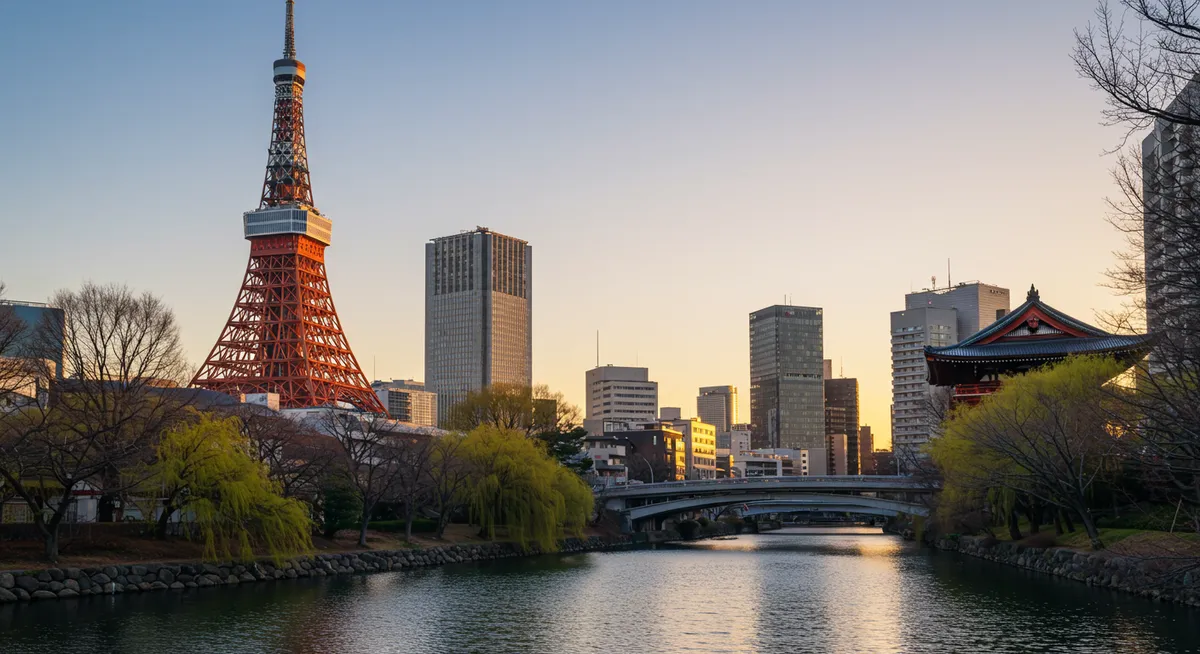
<p><strong>TL;DR:</strong> This 10-day Tokyo-to-Osaka itinerary for 2026 splits your trip into four days in Tokyo (including a Hakone day trip), three days in Kyoto, a day trip to Nara, and two days in Osaka. Budget roughly $150-250 per person per day for mid-range travel. Get a 7-day Japan Rail Pass to cover your Shinkansen rides and local JR trains. Read on for the full day-by-day breakdown, money-saving tips, and answers to the most common questions.</p>
<h1>Tokyo Osaka Itinerary 10 Days: Your Complete 2026 Japan Guide</h1>
<aside class="affiliate-slot" data-nosnippet
data-affiliate-unit="experience_finder"
data-affiliate-provider="getyourguide"
data-affiliate-widget="getyourguide_city"
data-affiliate-format="widget"
data-affiliate-placement="primary"
data-affiliate-campaign="itimaker-com-unit-gcity-tokyo-osaka-itinerary-10-days"
data-affiliate-city="Tokyo"
data-affiliate-location-id="193"
style="min-height:400px">
<span class="affiliate-badge">Sponsored</span>
<div class="affiliate-skeleton" aria-hidden="true"></div>
<p class="affiliate-unit__loading" role="status">Loading live activities…</p>
<div class="affiliate-inner"><div
data-gyg-href="https://widget.getyourguide.com/default/city.frame"
data-gyg-location-id="193"
data-gyg-locale-code="en-US"
data-gyg-widget="city"
data-gyg-partner-id="26CH4CT"
data-gyg-campaign="itimaker-com-unit-gcity-tokyo-osaka-itinerary-10-days"
data-gyg-cmp="itimaker-com-unit-gcity-tokyo-osaka-itinerary-10-days"
loading="lazy"></div></div>
</aside>
<p>Planning a <strong>Tokyo Osaka itinerary 10 days</strong> is one of the best ways to experience Japan's incredible range — from the neon-drenched streets of Shinjuku to the tranquil bamboo groves of Arashiyama, all connected by the world-famous Shinkansen bullet train. Having guided thousands of travelers through Japan trip planning, we have refined this day-by-day route to balance iconic landmarks, local food experiences, cultural immersion, and enough downtime that you never feel rushed. Whether you are visiting Japan for the first time in 2026 or returning for a deeper look, this guide covers everything you need.</p>
<h2>Why 10 Days Is the Sweet Spot for Tokyo and Osaka</h2>
<p>Ten days gives you enough time to explore Tokyo's sprawling districts, take a scenic day trip to Hakone or Mt. Fuji, immerse yourself in Kyoto's temple-studded landscape, pet the deer in Nara, and eat your way through Osaka's legendary street-food scene. Shorter trips force painful cuts; longer trips risk travel fatigue. With 10 days, you can move at a comfortable pace and still cover Japan's three most important cities plus two unforgettable day trips. If you are wondering whether this is enough, check our breakdown of <a href="https://www.itimaker.com/blog/what-to-see-in-japan-in-5-days">what to see in Japan in 5 days</a> for comparison — you will quickly see why doubling that time transforms the experience.</p>
<aside class="affiliate-slot" data-nosnippet
data-affiliate-unit="experience_finder"
data-affiliate-provider="viator"
data-affiliate-widget="viator_widget"
data-affiliate-format="widget"
data-affiliate-placement="secondary"
data-affiliate-campaign="itimaker-com-unit-vauto-tokyo-osaka-itinerary-10-days"
data-affiliate-city="Tokyo"
data-affiliate-location-id=""
style="min-height:600px">
<span class="affiliate-badge">Sponsored</span>
<div class="affiliate-skeleton" aria-hidden="true"></div>
<p class="affiliate-unit__loading" role="status">Loading live activities…</p>
<div class="affiliate-inner"><div
data-vi-partner-id="P00271059"
data-vi-widget-ref="W-d5dc59c4-3a04-417e-8a46-7be440461eba"
data-vi-search-term="Tokyo"
data-vi-campaign="itimaker-com-unit-vauto-tokyo-osaka-itinerary-10-days"
data-campaign="itimaker-com-unit-vauto-tokyo-osaka-itinerary-10-days"></div></div>
</aside>
<h2>Days 1-3: Tokyo — Neon Lights, Shrines, and Street Food</h2>
<p>Your <strong>Tokyo Osaka itinerary 10 days</strong> begins in Japan's capital. Arrive at Narita or Haneda airport and grab a Suica or Pasmo IC card at the station — these contactless transit cards work on virtually all trains, buses, and even vending machines across Japan in 2026. For a detailed arrival-to-departure plan, our <a href="https://www.itimaker.com/blog/best-tokyo-itinerary-3-days">best Tokyo 3-day itinerary</a> covers the essentials.</p>
<aside class="affiliate-slot" data-nosnippet
data-affiliate-unit="experience_finder"
data-affiliate-provider="getyourguide"
data-affiliate-widget="getyourguide_activities"
data-affiliate-format="widget"
data-affiliate-placement="tertiary"
data-affiliate-campaign="itimaker-com-unit-gact-tokyo-osaka-itinerary-10-days"
data-affiliate-city="Tokyo"
data-affiliate-location-id="193"
style="min-height:420px">
<span class="affiliate-badge">Sponsored</span>
<div class="affiliate-skeleton" aria-hidden="true"></div>
<p class="affiliate-unit__loading" role="status">Loading live activities…</p>
<div class="affiliate-inner"><div
data-gyg-href="https://widget.getyourguide.com/default/activities.frame"
data-gyg-location-id="193"
data-gyg-locale-code="en-US"
data-gyg-widget="activities"
data-gyg-partner-id="26CH4CT"
data-gyg-campaign="itimaker-com-unit-gact-tokyo-osaka-itinerary-10-days"
data-gyg-cmp="itimaker-com-unit-gact-tokyo-osaka-itinerary-10-days" data-gyg-number-of-items="4"
loading="lazy"></div></div>
</aside>
<p><strong>Day 1 — Shibuya, Harajuku, and Shinjuku:</strong> Start at Shibuya Crossing, the world's busiest pedestrian intersection, then walk north through Harajuku's Takeshita Street for quirky fashion and crepes. Visit Meiji Jingu Shrine, set in a peaceful forest just steps from the bustle. End the evening in Shinjuku's Kabukicho or Golden Gai for izakaya dining and atmospheric bar-hopping.</p>
<p><strong>Day 2 — Asakusa, Akihabara, and Ueno:</strong> Head to Senso-ji, Tokyo's oldest temple, and browse the Nakamise shopping street for traditional snacks and souvenirs. Spend the afternoon in Akihabara's electronics and anime district, then unwind in Ueno Park or explore the Tokyo National Museum. For a comprehensive transport breakdown, see our <a href="https://www.itimaker.com/blog/tokyo-transportation-guide">Tokyo transportation guide</a>.</p>
<p><strong>Day 3 — Tsukiji, Ginza, and Odaiba:</strong> Start early at Tsukiji Outer Market for the freshest sushi breakfast in the world. Walk through upscale Ginza for window shopping at flagship stores (our <a href="https://www.itimaker.com/blog/tokyo-shopping-guide">Tokyo shopping guide</a> has the full rundown). In the afternoon, cross to Odaiba for TeamLab exhibits and waterfront views of Rainbow Bridge.</p>
<h2>Day 4: Hakone Day Trip — Mt. Fuji Views and Hot Springs</h2>
<p>Day 4 is your chance to escape the city. The Hakone Free Pass (around ¥6,100 in 2026) covers round-trip transport from Shinjuku plus unlimited use of the Hakone Tozan Railway, cable car, ropeway, and pirate ship across Lake Ashi. On a clear day, you will get postcard-perfect views of Mt. Fuji reflected in the lake. End with a soak in a traditional onsen before returning to Tokyo. For alternatives like Nikko or Kamakura, browse our <a href="https://www.itimaker.com/blog/day-trips-from-tokyo-by-train">day trips from Tokyo by train</a> or our focused guide on <a href="https://www.itimaker.com/blog/best-day-trips-from-tokyo-to-mt-fuji">day trips from Tokyo to Mt. Fuji</a>.</p>
<h2>Day 5: Shinkansen to Kyoto — The Journey Is Part of the Adventure</h2>
<p>Board the Tokaido Shinkansen at Tokyo Station. The Nozomi reaches Kyoto in about 2 hours 15 minutes, while the Hikari (covered by the JR Pass) takes roughly 2 hours 40 minutes. Sit on the right side (seats E/D) for the best chance of spotting Mt. Fuji around Shin-Fuji Station. Learn more about travel times in our <a href="https://www.itimaker.com/blog/how-many-hours-from-tokyo-to-kyoto-by-bullet-train">Tokyo to Kyoto bullet train guide</a>. Arrive by midday and spend the afternoon exploring the Higashiyama district — Kiyomizu-dera Temple, Ninenzaka lanes, and Yasaka Shrine are all within walking distance of each other.</p>
<h2>Days 6-7: Kyoto — Temples, Tea Houses, and Bamboo</h2>
<p><strong>Day 6 — Fushimi Inari and Southern Kyoto:</strong> Arrive at Fushimi Inari Shrine by 7 AM to walk the thousands of vermilion torii gates before the crowds. The full hike to the summit takes about 2 hours. In the afternoon, visit Tofuku-ji Temple and the atmospheric Gion district, where you might spot a maiko (apprentice geisha) heading to an evening engagement. For planning tips, see <a href="https://www.itimaker.com/blog/kyoto-itinerary">how many days in Kyoto</a>.</p>
<p><strong>Day 7 — Arashiyama and Golden Pavilion:</strong> Take the JR Sagano Line to Arashiyama. Walk through the towering Bamboo Grove early in the morning, then visit the Iwatayama Monkey Park for panoramic city views and playful macaques. After lunch, head to Kinkaku-ji (the Golden Pavilion) and Ryoan-ji's Zen rock garden. Explore our <a href="https://www.itimaker.com/blog/best-day-trips-from-kyoto">best day trips from Kyoto</a> if you want to add Uji or Kurama to your agenda.</p>
<h2>Day 8: Nara Day Trip — Ancient Temples and Friendly Deer</h2>
<p>Nara is just 45 minutes from Kyoto by JR Nara Line. The star attraction is Nara Park, home to over 1,000 free-roaming sika deer that bow for shika senbei (deer crackers, ¥200 per bundle). Visit Todai-ji Temple to see the 15-meter-tall Great Buddha, then explore Kasuga-taisha Shrine with its hundreds of stone and bronze lanterns. For transport details check <a href="https://www.itimaker.com/blog/how-to-get-to-nara-from-osaka">how to get to Nara from Osaka</a> — the route works equally well from Kyoto. Return to Kyoto or move your luggage to Osaka in the evening — the Shinkansen between Kyoto and Osaka takes just 15 minutes.</p>
<h2>Days 9-10: Osaka — Japan's Kitchen and Your Grand Finale</h2>
<p><strong>Day 9 — Dotonbori, Shinsekai, and Street Food Marathon:</strong> Osaka is called "Japan's Kitchen" for good reason. Start at Dotonbori, the neon-lit canal street famous for its giant moving crab sign and endless food stalls. Must-try dishes: takoyaki (crispy octopus balls), okonomiyaki (savory pancakes), kushikatsu (deep-fried skewers), and gyoza. Walk south to Shinsekai for a retro-futuristic vibe and more kushikatsu. Check our <a href="https://www.itimaker.com/blog/best-time-to-visit-osaka">best time to visit Osaka</a> for seasonal food festivals. For family travelers, our <a href="https://www.itimaker.com/blog/family-friendly-osaka-activities">family-friendly Osaka activities</a> guide has kid-approved picks.</p>
<p><strong>Day 10 — Osaka Castle, Shopping, and Departure:</strong> Begin with Osaka Castle, surrounded by a beautiful moat and park. The castle museum inside covers Toyotomi Hideyoshi's legacy and offers panoramic views from the top floor. Spend your remaining hours shopping in Shinsaibashi or the Umeda Sky Building area. If you are flying out of Kansai International Airport (KIX), the Haruka Express takes 50 minutes from Tennoji. If departing from Tokyo, the Shinkansen back takes under 3 hours — plenty of time for a morning of sightseeing. See our <a href="https://www.itimaker.com/blog/where-to-stay-in-osaka">where to stay in Osaka</a> guide for hotel recommendations near major transit hubs.</p>
<h2>2026 Budget Breakdown for 10 Days in Japan</h2>
<p>Here is a realistic per-person budget for a mid-range 10-day trip in 2026:</p>
<ul>
<li><strong>Flights:</strong> $600-1,200 round-trip (varies by origin city and season)</li>
<li><strong>Accommodation:</strong> $80-150/night for business hotels or Airbnb ($800-1,500 total)</li>
<li><strong>7-Day Japan Rail Pass:</strong> ¥50,000 (~$330) for Ordinary class</li>
<li><strong>Food:</strong> $40-70/day ($400-700 total)</li>
<li><strong>Attractions and activities:</strong> $100-200 total</li>
<li><strong>Local transport (IC card top-ups):</strong> $50-80 total</li>
<li><strong>Estimated total (excluding flights):</strong> $1,680-2,810 per person</li>
</ul>
<p>Budget travelers can cut costs by staying in hostels ($30-50/night), eating at konbini (convenience stores like 7-Eleven and Lawson serve surprisingly good meals for $3-8), and using the Hakone Free Pass and other regional passes strategically.</p>
<h2>Essential Japan Travel Tips for 2026</h2>
<ul>
<li><strong>JR Pass activation:</strong> As of 2026, you can purchase the Japan Rail Pass online and pick it up at major JR stations. Activate it on Day 4 or 5 to cover the Shinkansen rides and Kyoto/Nara local JR lines within the 7-day window.</li>
<li><strong>Cash still matters:</strong> While IC cards and credit cards are increasingly accepted, smaller restaurants, temples, and rural areas may still be cash-only. Withdraw yen from 7-Eleven ATMs (no foreign-card fees at most).</li>
<li><strong>Pocket Wi-Fi or eSIM:</strong> Rent a pocket Wi-Fi at the airport or activate an eSIM before departure. Google Maps and Navitime are essential for navigating Japan's train system.</li>
<li><strong>Luggage forwarding (takkyubin):</strong> Use Yamato Transport or Sagawa Express to ship your suitcase between cities for about ¥2,000-3,000. This frees you from dragging bags through train stations.</li>
<li><strong>Best seasons to visit:</strong> Cherry blossom season (late March-mid April) and autumn foliage (mid November-early December) are peak but magical. Summer (July-August) is hot and humid; winter (December-February) is mild with fewer crowds.</li>
</ul>
<h2>Frequently Asked Questions</h2>
<div itemscope="" itemtype="https://schema.org/FAQPage">
<div class="faq-item" itemprop="mainEntity" itemscope="" itemtype="https://schema.org/Question">
<h3 itemprop="name">Is 10 days enough for Tokyo and Osaka?</h3>
<div itemprop="acceptedAnswer" itemscope="" itemtype="https://schema.org/Answer">
<div itemprop="text">Yes, 10 days is an ideal duration for first-time visitors to Japan in 2026. You get four full days in Tokyo, three in Kyoto, a day in Nara, and two in Osaka — enough to see the major highlights without rushing. If you want to add destinations like Hiroshima or Kanazawa, consider extending to 14 days.</div>
</div>
</div>
<div class="faq-item" itemprop="mainEntity" itemscope="" itemtype="https://schema.org/Question">
<h3 itemprop="name">What is the best way to travel between Tokyo and Osaka?</h3>
<div itemprop="acceptedAnswer" itemscope="" itemtype="https://schema.org/Answer">
<div itemprop="text">The Shinkansen bullet train is the best option. The Nozomi service takes about 2.5 hours and costs roughly ¥14,000 one-way. If you have a Japan Rail Pass, use the Hikari service (about 2 hours 40 minutes), which is fully covered. Budget airlines like Peach and Jetstar offer flights for as low as ¥5,000, but factoring in airport time, the Shinkansen is usually faster door-to-door.</div>
</div>
</div>
<div class="faq-item" itemprop="mainEntity" itemscope="" itemtype="https://schema.org/Question">
<h3 itemprop="name">Do I need a Japan Rail Pass for this 10-day itinerary?</h3>
<div itemprop="acceptedAnswer" itemscope="" itemtype="https://schema.org/Answer">
<div itemprop="text">A 7-day JR Pass (¥50,000 Ordinary class in 2026) is cost-effective for this itinerary because it covers the Tokyo-Kyoto Shinkansen (¥14,000), Kyoto-Osaka trains, and JR local lines in each city. Activate it on the day you leave Tokyo to maximize coverage through your Osaka departure. Without the pass, individual tickets would total around ¥35,000-45,000, so the savings are moderate but the convenience is significant.</div>
</div>
</div>
<div class="faq-item" itemprop="mainEntity" itemscope="" itemtype="https://schema.org/Question">
<h3 itemprop="name">How much does a 10-day trip to Japan cost in 2026?</h3>
<div itemprop="acceptedAnswer" itemscope="" itemtype="https://schema.org/Answer">
<div itemprop="text">Excluding international flights, budget approximately $1,700-2,800 per person for mid-range travel. This covers accommodation ($80-150/night), a JR Pass (~$330), food ($40-70/day), attractions ($100-200 total), and local transport ($50-80). Budget travelers who stay in hostels and eat at convenience stores can manage on $100-120 per day.</div>
</div>
</div>
<div class="faq-item" itemprop="mainEntity" itemscope="" itemtype="https://schema.org/Question">
<h3 itemprop="name">Should I start in Tokyo or Osaka?</h3>
<div itemprop="acceptedAnswer" itemscope="" itemtype="https://schema.org/Answer">
<div itemprop="text">Starting in Tokyo and ending in Osaka (or vice versa) is the most efficient approach because it avoids backtracking. If your international flights arrive and depart from different airports (e.g., arrive Narita, depart Kansai), you save time and money. If you must use the same airport, the Shinkansen return on Day 10 is quick and easy.</div>
</div>
</div>
<div class="faq-item" itemprop="mainEntity" itemscope="" itemtype="https://schema.org/Question">
<h3 itemprop="name">What is the best time of year to do this itinerary?</h3>
<div itemprop="acceptedAnswer" itemscope="" itemtype="https://schema.org/Answer">
<div itemprop="text">Spring (late March to mid-April) for cherry blossoms and autumn (mid-November to early December) for fall foliage are the most popular and scenic seasons. However, these are also peak tourist periods with higher prices. May, early June (before rainy season), and October offer pleasant weather with smaller crowds and better hotel rates.</div>
</div>
</div>
<div class="faq-item" itemprop="mainEntity" itemscope="" itemtype="https://schema.org/Question">
<h3 itemprop="name">Is Japan safe for solo travelers?</h3>
<div itemprop="acceptedAnswer" itemscope="" itemtype="https://schema.org/Answer">
<div itemprop="text">Japan is consistently ranked as one of the safest countries in the world for travelers, including solo visitors. Violent crime is extremely rare, public transportation runs on time, and locals are generally helpful even with language barriers. Exercise normal precautions, but you can walk city streets comfortably at any hour.</div>
</div>
</div>
</div>
<p>This <strong>Tokyo Osaka itinerary 10 days</strong> gives you the framework for an unforgettable 2026 Japan trip — from Tokyo's electric energy to Kyoto's thousand-year-old temples and Osaka's unrivaled food scene. Adjust the pace to your travel style, and do not be afraid to wander off-plan when something catches your eye. Japan rewards curiosity. For more detailed city guides and day-by-day planning tools, explore <a href="https://www.itimaker.com">ItiMaker.com</a> and start building your personalized itinerary today.</p>
Keep exploring
Make this guide part of your trip.
Turn the ideas you like into a personal day-by-day route, then edit every detail.
Build my itinerary