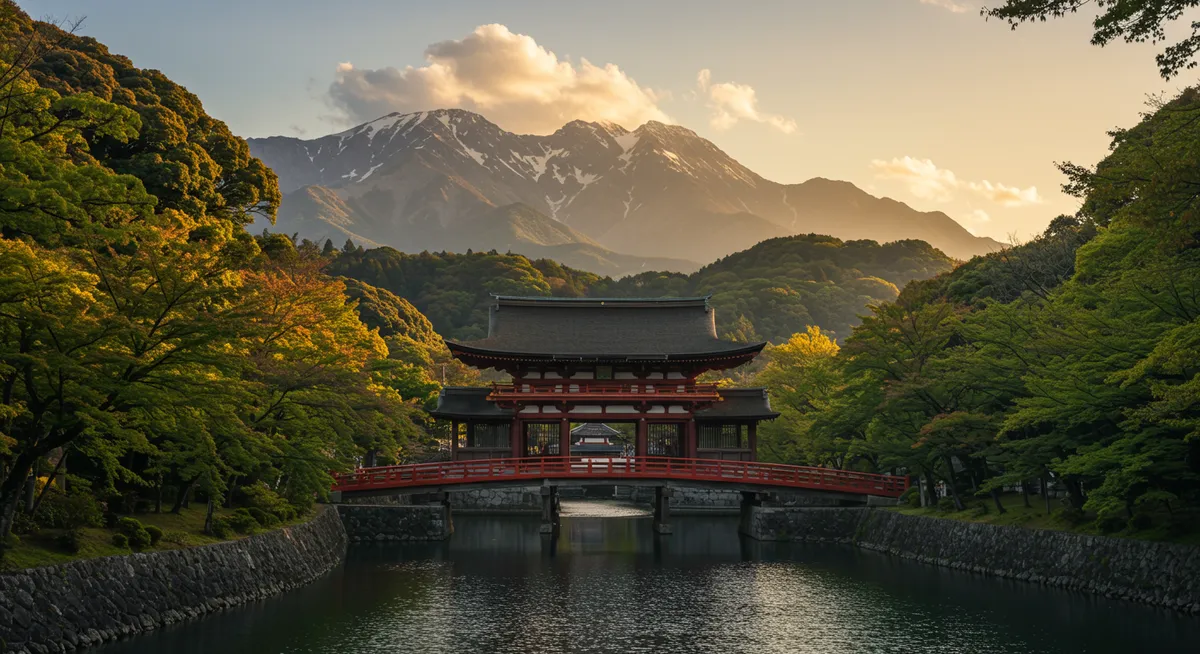
TL;DR: May is one of the best months to visit Japan. Tokyo and Kanto offer urban exploration with pleasant 19-24°C weather. Kyoto and Kansai deliver unmatched cultural immersion. Hokkaido provides late cherry blossoms and wide-open nature. The Japanese Alps open for spectacular hiking. Okinawa brings subtropical beaches before peak summer. And Kyushu dazzles with wisteria gardens and vibrant festivals. Read on for region-by-region details, festivals, packing tips, and sample itinerary ideas for 2026.
May sits in a sweet spot on the Japanese travel calendar. Cherry blossom crowds have thinned, Golden Week wraps up by May 6, and the rainy season has not yet arrived on most of Honshu. Temperatures hover between 15°C and 25°C across much of the country, humidity stays low, and long daylight hours make for productive sightseeing. If you are asking which part of japan to visit in may, the honest answer is that nearly every region shines — but each one shines differently. This guide breaks down the top regions so you can match your interests to the right destination.
Tokyo and the Kanto Region: Urban Energy Meets Spring Gardens
Turn this guide into a personal route with our free Multi-City itinerary planner.
Tokyo in May is a revelation. Average highs reach 23-24°C with comfortable humidity, making it ideal for walking-heavy itineraries. The post-Golden Week lull means shorter queues at popular spots like teamLab, Meiji Shrine, and Tsukiji Outer Market. Shinjuku Gyoen's rose garden peaks in mid-May, and Ueno Park trades cherry blossoms for lush green canopies perfect for picnics.
The city also hosts Sanja Matsuri during the third weekend of May at Asakusa's Senso-ji complex. This is one of Tokyo's three great festivals, drawing over two million spectators as dozens of portable shrines (mikoshi) parade through the streets. It is loud, electric, and unforgettable. For a deeper look at May-specific activities, see our guide to whether May is a good time to visit Tokyo or browse top places to visit in Tokyo in May.
Beyond central Tokyo, the wider Kanto region offers rewarding day trips from Tokyo in May. Kamakura's Great Buddha is framed by fresh greenery, and Ashikaga Flower Park in Tochigi Prefecture puts on a mesmerizing wisteria display through mid-May — 160-year-old trees dripping with purple, white, and pink blooms, dramatically illuminated at night. If you have more time, plan a 3-day Tokyo itinerary that balances urban sights with nearby excursions.
Kyoto and Kansai: Cultural Immersion Without the Crowds
Kyoto in May is arguably the best version of Kyoto. The frantic cherry blossom rush is over, but the city's gardens, temples, and bamboo groves are brilliantly green. Temperatures sit around 19-22°C, comfortable for long walks through Higashiyama, Arashiyama, and the Philosopher's Path. If you are deciding which part of japan to visit in may for cultural depth, Kansai is difficult to beat.
The Aoi Matsuri on May 15 is Kyoto's oldest annual festival, dating back over 1,400 years. A grand procession of 500 participants in Heian-period costumes winds from the Imperial Palace to Shimogamo and Kamigamo shrines. Unlike the packed cherry blossom weeks, you can actually find a good viewing spot without arriving hours early.
From Kyoto, the broader Kansai region unfolds naturally. Osaka is a 15-minute shinkansen ride away, offering street food culture in Dotonbori and family-friendly attractions like Universal Studios Japan. Nara's friendly deer roam freely among ancient temples — plan your visit with our Nara itinerary. For trip planning, explore our Kyoto itinerary, best day trips from Kyoto, and Osaka itinerary to build a well-rounded Kansai circuit.
Hokkaido: Late Blossoms and Wide-Open Landscapes
While the rest of Japan has moved past cherry blossom season, Hokkaido is just getting started. In early to mid-May, Sapporo's Maruyama Park and Hakodate's Goryokaku Park burst into full bloom, giving you a second chance at hanami without the mainland crowds. Temperatures range from 12-18°C — cool but refreshing, especially for hikers.
By late May, the landscape shifts to vivid greens. The Furano countryside begins showing early patches of lavender, and Biei's patchwork hills and the famous Shirogane Blue Pond are stunningly photogenic. Daisetsuzan National Park, Japan's largest, opens its trails for the season with snowcapped peaks providing a dramatic backdrop. For those who love nature over nightlife, Hokkaido in May is paradise.
Sapporo itself offers excellent food culture — from soup curry to fresh seafood at Nijo Market. Check out our Sapporo food guide, day trips from Sapporo, and hidden gems in Sapporo for planning inspiration.
The Japanese Alps and Central Honshu: Mountain Adventures Await
If your answer to which part of japan to visit in may involves mountains, the Japanese Alps deliver spectacularly. Kamikochi, often called Japan's Yosemite, reopens in late April and reaches peak beauty in May. Snow-capped Hotaka peaks tower above the crystal-clear Azusa River, and morning mist drifts through the valley — it is one of the most photogenic landscapes in all of Japan.
The Tateyama Kurobe Alpine Route features towering snow walls (up to 15 meters high in early May) that you can walk between — a surreal experience. Meanwhile, the historic town of Takayama offers Edo-period streetscapes, morning markets, and some of the best food in Takayama, including Hida beef. Nearby Shirakawa-go's thatched-roof farmhouses are surrounded by fresh spring greenery. Getting here is straightforward — see our guide on how to get to Takayama from Tokyo.
Matsumoto, home to one of Japan's original castles, makes an excellent base. Browse our best hotels in Matsumoto and things to do in Matsumoto for a complete picture.
Okinawa: Subtropical Beaches Before Peak Season
Okinawa in May offers a unique proposition: warm subtropical weather (25-28°C), uncrowded beaches, and lower hotel prices compared to July and August. The official beach season opens in late March, so by May the water temperature is comfortable for swimming and snorkeling. The rainy season (tsuyu) typically begins in the second week of May in Okinawa, but showers tend to be short and intermittent rather than all-day downpours.
The Kerama Islands — Zamami, Tokashiki, and Aka — offer some of Japan's clearest waters, with visibility often exceeding 30 meters. Back on the main island, Shuri Castle (partially rebuilt after the 2019 fire) provides cultural context, and Kokusai Street in Naha is lively for evening strolls and Okinawan cuisine. For accommodation options, check our best hotels in Naha and explore day trips from Naha.
Kyushu: Wisteria, Hot Springs, and Fukuoka Street Food
Kyushu is an underrated answer to which part of japan to visit in may. Fukuoka anchors the region with world-class yatai (street food stalls) along the Naka River, serving legendary tonkotsu ramen. The Hakata Dontaku Festival on May 3-4 is one of Japan's largest, with over two million attendees enjoying parades, traditional dance, and live performances.
The Kawachi Fujien Wisteria Garden near Kitakyushu peaks in early May, with a tunnel of cascading wisteria in every shade of purple, pink, and white. Beppu and Yufuin offer Japan's most concentrated hot spring experiences — ideal for winding down after active sightseeing. And Kumamoto, with its partially restored castle, serves as a gateway to the volcanic landscapes of Mount Aso. See our Kumamoto food guide and how to get to Kumamoto for trip planning.
Hiroshima and the Seto Inland Sea: History and Island Hopping
Hiroshima in May enjoys warm, sunny weather around 20-23°C — perfect for spending a reflective morning at the Peace Memorial Park and an afternoon exploring Miyajima Island's floating torii gate. The Shimanami Kaido, a 60-kilometer cycling route connecting Honshu to Shikoku across six islands, is at its best in May: mild temperatures, minimal rain, and spectacular coastal views.
Hiroshima also works well as a hub. Our 3-day Hiroshima itinerary pairs the city with day trips to Miyajima and the Rabbit Island of Okunoshima. For food lovers, do not miss okonomiyaki — check our Hiroshima food guide.
How to Choose the Right Region for You
Selecting which part of japan to visit in may comes down to what matters most to you:
- City buzz and nightlife: Tokyo or Osaka
- Temples, shrines, and traditional culture: Kyoto and Nara
- Mountains and hiking: Japanese Alps (Kamikochi, Takayama)
- Nature and late cherry blossoms: Hokkaido
- Beaches and snorkeling: Okinawa
- Hot springs and street food: Kyushu (Fukuoka, Beppu)
- History and cycling: Hiroshima and Seto Inland Sea
For a two-week trip, many travelers combine two or three regions using Japan's efficient shinkansen network. A classic route might pair Tokyo (3-4 days) with Kyoto/Osaka (3-4 days) and then branch out to either Hiroshima, Hokkaido, or the Alps. Our 2-week Japan itinerary offers a proven framework you can customize. For shorter trips, see what to see in Japan in 5 days or our 10-day Japan itinerary from Tokyo.
Frequently Asked Questions
Is May a good time to visit Japan?
What festivals happen in Japan in May?
What should I pack for Japan in May?
Is Golden Week a bad time to visit Japan?
Can I still see cherry blossoms in Japan in May?
Which part of Japan has the best weather in May?
How many days do I need in Japan in May?
Ultimately, which part of japan to visit in may depends on your travel style, but you genuinely cannot go wrong. May delivers the rare combination of excellent weather, manageable crowds, and experiences unique to late spring — from wisteria tunnels and alpine snow walls to subtropical beaches and centuries-old festivals. Start planning your 2026 trip with ItiMaker to build a customized itinerary that fits your schedule, budget, and bucket list.