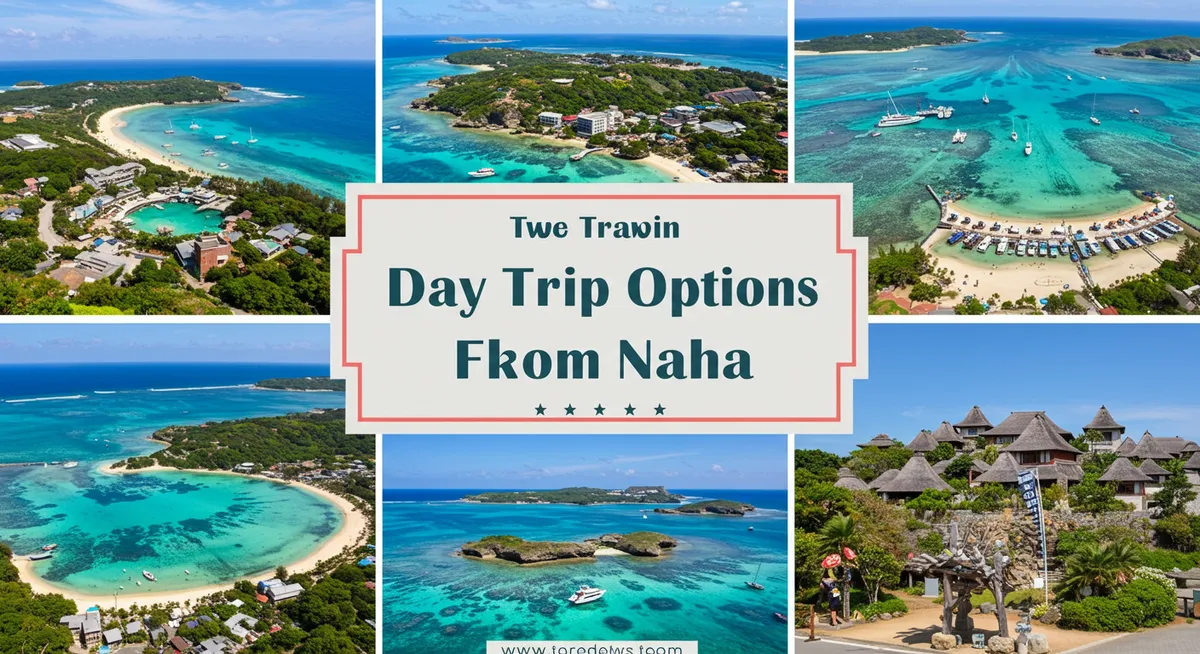
TL;DR: Naha is the perfect base for exploring Okinawa's highlights. Head north for the Churaumi Aquarium and Kouri Island, central for UNESCO castle ruins and Cape Manza, south for moving war memorials and limestone caves, or hop a ferry to the Kerama Islands for world-class snorkeling. Most trips take 30 minutes to 2 hours by car, and renting a vehicle gives you the best flexibility. This 2026 guide covers the top day trips, practical logistics, seasonal tips, and budget advice so you can plan with confidence.
Northern Okinawa: The Churaumi Aquarium and Beyond
Turn this guide into a personal route with our free Okinawa itinerary planner.
The drive north from Naha is one of the most scenic routes in Japan. Roughly 90 minutes along the coastal expressway, the Okinawa Churaumi Aquarium draws visitors from around the world to watch whale sharks glide through the enormous Kuroshio Sea tank. In 2026 the aquarium has expanded its coral reef restoration exhibit, making it even more worthwhile. Arrive early — the doors open at 8:30 a.m. and the first two hours are the least crowded.
After the aquarium, continue to Ocean Expo Park, which surrounds it. The Tropical Dream Center's orchid gardens and the reconstructed Ryukyuan village are free to enter and easy to miss if you rush. A further 15-minute drive brings you to Kouri Island, connected to the mainland by a dramatic 2-km bridge. The heart-shaped rock at Tinu Beach has become an Instagram staple, but the real draw is the quiet turquoise water perfect for wading. If you are still planning your arrival logistics, our Naha airport-to-city transfer guide covers every option from monorail to shared shuttles.
Central Okinawa: Castle Ruins and Coastal Drama
Central Okinawa packs centuries of Ryukyuan history into a compact area that works well as a half-day or full-day trip. Start at Zakimi Castle Ruins in Yomitan Village, a UNESCO World Heritage Site built in the early 15th century. The elevated coral-limestone walls frame panoramic views stretching to the East China Sea, and admission is free year-round. Nearby Murasaki Mura is a theme park re-creating a traditional Ryukyuan village where you can try pottery, glassblowing, or bingata dyeing — a great hands-on break for families.
From Yomitan, drive 20 minutes north to Cape Manza, famous for its elephant-trunk rock formation. The cliff-top walking path is best at sunset, but even midday the layered blues of the ocean are striking. On the way back toward Naha, stop at the American Village district in Chatan for shopping, street food, and a lively boardwalk overlooking Sunset Beach. For a detailed multi-day plan that weaves these stops together, see our 3-day Naha itinerary.
Southern Okinawa: War Memorials and Limestone Caves
The southern tip of the island is quieter and more reflective. The Okinawa Peace Memorial Park in Itoman anchors this region, honouring the roughly 200,000 lives lost during the Battle of Okinawa. The Cornerstone of Peace monument lists every known casualty regardless of nationality, and the adjacent museum uses personal testimonies to humanise the history. Himeyuri no Tou, a short drive away, commemorates the student nurses conscripted during the battle — the small museum here is one of the most emotionally powerful sites on the island.
Balance the solemnity with a visit to Okinawa World, home to the 300,000-year-old Gyokusendo Cave. The 800-metre lit walkway passes dramatic stalactites and underground pools. Above ground, the park includes a habu snake exhibit, an Awamori distillery tasting, and Eisa dance performances. Together, Peace Park and Okinawa World fill a full day and provide essential context for understanding Okinawa's identity. For broader activity ideas, check our guide to things to do in Naha.
Kerama Islands: Pristine Beaches and Sea Turtles
The Kerama Islands sit just 30 to 50 minutes by high-speed ferry from Naha's Tomari Port and are a designated national park. Tokashiki, the largest island, is known for Aharen Beach — a crescent of white sand backed by forested hills. Zamami Island is the go-to for sea turtle snorkeling, with green turtles reliably spotted at Furuzamami Beach from spring through autumn. In 2026, a new glass-bottom boat service on Zamami lets non-swimmers enjoy the coral without getting wet.
Ferries fill up fast in summer, so book at least a week ahead through the Zamami Village website. Morning departures leave around 9 a.m. and return boats run until late afternoon, giving you a solid six hours on the island. Pack reef-safe sunscreen, water shoes, and a snorkel set to save on rental fees. Timing your visit matters — consult our best time to visit Naha guide for water temperature and typhoon season details.
Hidden Gems: Off-the-Radar Excursions
Beyond the marquee stops, several lesser-known trips reward curious travellers. Sefa Utaki, a sacred grove on the southeastern coast, was the highest spiritual site of the Ryukyuan Kingdom. The rock formations create a natural triangular window framing Kudaka Island — a view that feels mystical even to casual visitors. Kudaka Island itself is reachable by a 15-minute ferry from Azama Port and remains largely untouched, with dirt paths, free-roaming cats, and zero traffic lights.
For craft lovers, the Tsuboya Pottery District in Naha's backstreets is a living workshop neighbourhood, but an even deeper dive awaits at the Yachimun no Sato pottery village in Yomitan, where a cluster of kilns fires traditional Okinawan ceramics. You can buy directly from the artisans and watch the wood-firing process. Travellers on a tight budget will appreciate our Naha budget travel guide, which lists free and low-cost experiences across the island.
Practical Tips for Day Trips from Naha in 2026
Getting around efficiently makes or breaks a day trip. Renting a car remains the most flexible option — compact cars start at about 4,000 yen per day from agencies near Naha's Omoromachi station, and the Okinawa Expressway cuts northern travel times significantly. If you prefer not to drive, organised bus tours cover the aquarium route and southern sites daily, departing from Kencho-mae or Naha Bus Terminal. For the Kerama Islands, only ferries work, and the Queen Zamami or Tokashiki Village ferry services are your main choices.
Pack light layers even in summer — air-conditioned buses and aquarium halls can be chilly, while outdoor sites get hot fast. Carry cash for smaller vendors and parking lots that do not accept cards. Most day-trip destinations have basic dining, but bringing onigiri or bento from a Naha konbini ensures you do not waste sightseeing time hunting for lunch. For full transport details, see our Naha transportation guide.
Frequently Asked Questions
How far are the main day trips from Naha?
Do I need a car for day trips from Naha Okinawa?
What is the best season for Okinawa day trips in 2026?
Are day trips from Naha good for families with young children?
How much should I budget for a day trip from Naha?
Can I combine multiple day trips into one outing?
Naha is far more than a gateway — it is the launchpad for some of Japan's most diverse day trips. Whether you spend the morning watching whale sharks, the afternoon walking through castle ruins, or the whole day snorkeling with sea turtles, every excursion deepens your understanding of Okinawa's layered culture and natural beauty. Use this 2026 guide to build your itinerary, and you will return to your Naha hotel each evening with a new story to tell.