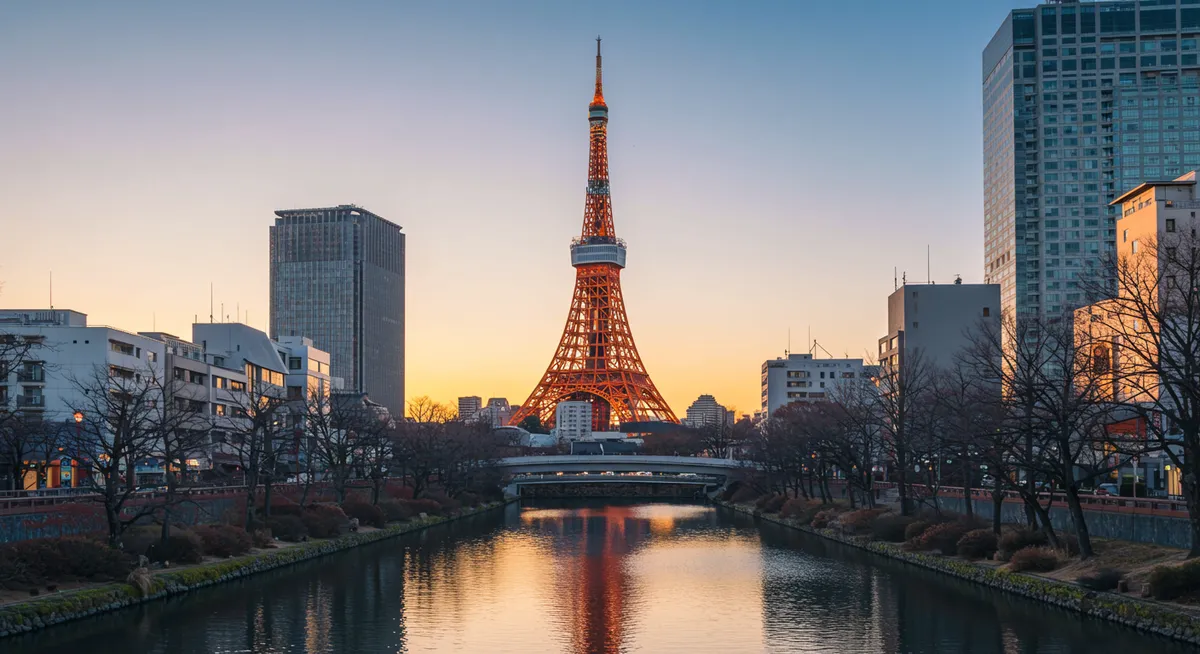
TL;DR: This tokyo osaka itinerary 6 days splits your trip into 2.5 days in Tokyo, a day in Kyoto, a half-day in Nara, and 2 days in Osaka. Budget around ¥130,000-¥200,000 ($870-$1,340 USD) per person excluding flights. Take the Shinkansen between cities (skip the JR Pass for this route in 2026). Below you will find a detailed day-by-day plan with exact timings, must-eat food spots, neighborhood picks for hotels, and five frequently asked questions.
Why This 6-Day Tokyo to Osaka Route Works in 2026
Turn this guide into a personal route with our free Tokyo itinerary planner.
Japan remains one of the most rewarding destinations in the world, and a 6-day trip is enough time to experience both the electric energy of Tokyo and the street-food soul of Osaka. This updated 2026 itinerary also weaves in Kyoto's temples and Nara's sacred deer park, two stops that sit directly on the Tokyo-Osaka Shinkansen corridor and cost you almost no extra travel time. Having traveled this route multiple times, we have refined the schedule so that every hour counts without feeling rushed.
The weak yen continues to make Japan excellent value for international visitors in 2026. Combined with the country's famously punctual trains, cashless IC cards accepted nearly everywhere, and one of the lowest crime rates on earth, this is a destination where first-timers can explore with total confidence. If you are planning a longer stay, check our 2-week Japan itinerary for a deeper dive.
Day 1: Arrive in Tokyo — Shinjuku, Shibuya & Golden Gai
Fly into Narita or Haneda Airport. From Narita, the Narita Express (N'EX) reaches Shinjuku Station in about 80 minutes (¥3,250). From Haneda, the Keikyu Line or Tokyo Monorail gets you into central Tokyo in 30-40 minutes. Buy a Suica or Pasmo IC card at the airport station — it works on virtually every train, bus, and convenience store in the country.
Check into your hotel in Shinjuku or Shibuya, both of which offer excellent rail connections for the rest of your tokyo osaka itinerary 6 days. After dropping your bags, head to the Meiji Jingu Shrine in Harajuku (free entry, open sunrise to sunset). Walk through the forested approach path to cleanse your travel fatigue, then stroll down Takeshita Street for Harajuku's famous crepes and quirky fashion shops.
In the late afternoon, cross over to Shibuya Crossing. Watch the organized chaos from the Shibuya Sky observation deck (¥2,000, book online to skip the queue) or from the Starbucks on the second floor of the QFRONT building. As evening falls, head to Golden Gai in Shinjuku — a labyrinth of over 200 tiny bars, each seating fewer than ten people. Many now welcome tourists; look for signs in English at the entrance. End the night with a bowl of ramen at Fuunji near Shinjuku Station, consistently rated among Tokyo's best.
Day 2: Tokyo Deep Dive — Asakusa, Akihabara & Teamlab
Start early at Senso-ji Temple in Asakusa, Tokyo's oldest Buddhist temple. Arrive before 9 AM to photograph the iconic Kaminarimon gate without crowds. Browse Nakamise-dori for traditional snacks like ningyo-yaki (custard-filled cakes) and pick up affordable souvenirs such as folding fans and tenugui cloths.
From Asakusa, take the Ginza Line to Akihabara (15 minutes). Even if you are not into anime or electronics, the multi-story arcades and retro game shops are a uniquely Japanese cultural experience. For lunch, try a conveyor-belt sushi spot — Uobei near Shibuya or Sushiro in Akihabara offer quality plates from ¥120.
Spend your afternoon at teamLab Borderless (relocated to Azabudai Hills in 2024, tickets ¥3,800, book weeks in advance online). This immersive digital art museum is unlike anything else in the world. Alternatively, explore the upscale Ginza district or visit the free observation deck at the Tokyo Metropolitan Government Building in Shinjuku for panoramic city views.
For dinner, venture to Tsukiji Outer Market (the outer market remains active even after the inner wholesale market moved to Toyosu). Sample tamagoyaki, fresh uni, and grilled scallops from the street stalls. For more Tokyo exploration ideas, see our 3-day Tokyo itinerary.
Day 3: Tokyo Morning, Then Shinkansen to Kyoto
Use your morning for anything you missed — the Toyosu Fish Market tuna auction viewing gallery opens at 5:45 AM (free, first-come), the Imperial Palace East Gardens (free, closed Mondays), or last-minute shopping in Harajuku. Check out of your hotel by 11 AM and store luggage in a coin locker at Tokyo Station (¥400-¥800).
Board the Shinkansen Hikari from Tokyo Station to Kyoto Station. The ride takes about 2 hours 15 minutes and costs approximately ¥13,320 for a reserved seat. Sit on the right side (seats D/E) heading west for possible Mt. Fuji views on clear days, typically visible 40-50 minutes after departure.
Arrive in Kyoto by early afternoon. Drop bags at your accommodation — we recommend staying near Kyoto Station or in the Gion district for atmosphere. Head straight to Fushimi Inari-taisha, the shrine with thousands of vermilion torii gates winding up Mount Inari. The full hike to the summit takes about 2 hours round trip, but even walking the first 20 minutes is spectacular. The shrine is open 24 hours and free.
Walk back down and take the JR Nara Line one stop to Tofuku-ji for stunning temple gardens (¥500), or head to the Arashiyama Bamboo Grove on the west side of the city (JR Sagano Line, 15 minutes from Kyoto Station). For the best photos with fewer people, arrive before 8 AM or after 5 PM. End your Kyoto evening with a kaiseki (multi-course) dinner — even budget-friendly kaiseki sets start around ¥3,500 at restaurants near Gion. For more ideas, read our guide on day trips from Kyoto.
Day 4: Nara Day Trip, Then Onward to Osaka
This is the pivot day of your tokyo osaka itinerary 6 days. Take the JR Nara Line from Kyoto Station to Nara (45 minutes, ¥720). Nara was Japan's first permanent capital and is home to some of the country's oldest temples.
From JR Nara Station, it is a pleasant 15-minute walk to Nara Park, where over 1,200 wild sika deer roam freely. Buy shika-senbei (deer crackers, ¥200) from vendors and watch the deer bow politely before accepting their treat. Continue to Todai-ji Temple (¥600 entry), which houses the Great Buddha — a 15-meter-tall bronze statue cast in 752 AD. The wooden hall enclosing it is one of the largest timber structures in the world.
After lunch in Nara (try kakinoha-zushi, sushi wrapped in persimmon leaves), take the JR Yamatoji Line directly to Osaka (about 50 minutes to Osaka Station, ¥820). Check into your Osaka hotel — Namba or Shinsaibashi puts you within walking distance of the best street food.
Tonight, dive into Dotonbori, Osaka's neon-drenched entertainment strip along the canal. This is where your Osaka food journey begins. Must-try dishes on your first night: takoyaki (octopus balls) from Wanaka or Kukuru, and kushikatsu (deep-fried skewers) at Daruma. The rule at kushikatsu restaurants: never double-dip in the communal sauce.
Day 5: Osaka Full Day — Castle, Street Food & Shinsekai
Start at Osaka Castle (¥600 entry), one of Japan's most famous landmarks. The castle grounds are free and beautiful for morning walks; the museum inside covers the history of Toyotomi Hideyoshi and feudal Japan. From the top floor observation deck you get a sweeping view of the city.
Head to Kuromon Market (a 10-minute walk from Nippombashi Station), known as "Osaka's Kitchen." Sample fresh sashimi, grilled king crab legs, tamago on a stick, and mochi from the dozens of stalls. Arrive before noon for the freshest selection.
In the afternoon, explore Shinsekai, a retro neighborhood modeled after early 20th-century New York and Paris. The Tsutenkaku Tower (¥900) offers modest views but the real draw is the atmosphere — arcade game centers, old-school kushikatsu joints, and Billiken good-luck statues everywhere. For a unique cultural experience, visit Spa World (¥1,500), a massive onsen complex with themed bathing zones representing countries around the world.
For dinner, return to the Namba area for okonomiyaki (savory cabbage pancakes). Osaka-style okonomiyaki mixes all ingredients into the batter before grilling, unlike Hiroshima-style which layers them. Fukutaro and Mizuno in Namba are both excellent and worth a short wait. If you want to explore more family activities, check out our guide to family-friendly Osaka activities.
Day 6: Final Morning & Departure from Osaka
Your last day depends on your flight time. If departing from Kansai International Airport (KIX), the Nankai Rapit express from Namba Station takes 38 minutes (¥1,450). If flying from Osaka Itami Airport, the limousine bus from Osaka or Umeda stations takes about 30 minutes (¥660).
With a late flight, use the morning for final experiences. The Umeda Sky Building observation deck (¥1,500) offers 360-degree open-air views and is far less crowded than Tokyo's observatories. Alternatively, visit Namba Yasaka Shrine, famous for its giant lion-head stage — an incredible photo spot that most tourists miss. For souvenir shopping, head to the basement food floors (depachika) at Takashimaya or Daimaru department stores in Namba for beautifully packaged Japanese sweets and snacks.
If your departure is from Tokyo instead, catch an early Shinkansen back (2.5 hours, ¥13,870 from Shin-Osaka to Tokyo). This gives you time for one last Tokyo stop — perhaps the Tsukiji Outer Market for a farewell sushi breakfast or Nakameguro for a quiet canal-side coffee.
Budget Breakdown for 6 Days in Japan (2026)
Here is a realistic per-person budget for this tokyo osaka itinerary 6 days in 2026, excluding international flights:
| Category | Budget (¥) | Budget (USD) | Notes |
|---|---|---|---|
| Accommodation (5 nights) | ¥50,000-¥80,000 | $335-$535 | Business hotels or hostels; budget more for ryokan |
| Shinkansen (Tokyo→Kyoto + local trains) | ¥20,000-¥25,000 | $135-$170 | Individual tickets, not JR Pass |
| Food & Drink | ¥30,000-¥50,000 | $200-$335 | Mix of convenience stores, street food, and sit-down |
| Attractions & Activities | ¥10,000-¥15,000 | $67-$100 | Many temples and shrines are free |
| Local Transport (IC card) | ¥8,000-¥12,000 | $54-$80 | Suica/Pasmo for metro, bus |
| Souvenirs & Misc | ¥10,000-¥20,000 | $67-$135 | Depachika sweets, omamori charms |
| Total | ¥128,000-¥202,000 | $858-$1,355 |
Should you buy the JR Pass in 2026? Probably not for this route. The 7-day JR Pass costs ¥50,000 ($335) as of 2026 after a significant price increase. A one-way Hikari Shinkansen from Tokyo to Kyoto is about ¥13,320. Unless you are adding side trips to Hiroshima or other distant cities, buying individual tickets saves money on a Tokyo-Osaka-only route. For more on bullet train logistics, see our Japan bullet train travel times guide.
Practical Tips for Your 2026 Japan Trip
- IC Cards: Buy a Suica or Pasmo at the airport. These contactless cards work on trains, buses, convenience stores, and vending machines across Japan.
- Cash: Japan is increasingly cashless, but smaller restaurants, temples, and rural areas still prefer cash. Withdraw yen from 7-Eleven ATMs (no foreign card fees at most).
- Luggage forwarding: Use takkyubin (luggage delivery services like Yamato Transport) to send your suitcase between hotels for about ¥2,000-¥3,000 per bag. This lets you travel between cities with just a day bag — a game changer on the Shinkansen.
- Connectivity: Pick up a prepaid eSIM or pocket Wi-Fi at the airport. Google Maps works flawlessly for Japan rail navigation and walking directions.
- Etiquette: Remove shoes when entering temples, ryokans, and some restaurants. Do not tip — it is not customary and can cause confusion. Eat your street food at or near the stall where you bought it, not while walking.
- Best seasons: Cherry blossom season (late March to mid-April) and autumn foliage (mid-November to early December) are the most popular. Summer (June-August) is hot and humid but offers festivals and fireworks. Winter (December-February) means fewer crowds and beautiful illuminations.
Where to Stay: Neighborhood Guide
Tokyo: Shinjuku is the most convenient base — it is Japan's busiest train station and connects to nearly every line. Shibuya suits nightlife lovers, while Asakusa offers traditional atmosphere at lower hotel prices. Budget tip: business hotel chains like Toyoko Inn and APA Hotel offer clean, compact rooms from ¥6,000-¥9,000 per night.
Kyoto: Stay near Kyoto Station for transport convenience or in Gion for atmosphere (walking distance to geisha district and Kiyomizu-dera). Budget travelers should consider the Kyoto hostel scene, which is excellent.
Osaka: Namba or Shinsaibashi places you in the heart of the action — Dotonbori, shopping arcades, and street food are all on foot. The Umeda/Osaka Station area is a quieter alternative with easy Shinkansen access from Shin-Osaka.
Frequently Asked Questions
What is the best way to travel between Tokyo and Osaka in 2026?
Is 6 days enough for Tokyo and Osaka?
Is the Japan Rail Pass worth it for a 6-day Tokyo to Osaka trip in 2026?
What is the best time of year for a Tokyo and Osaka trip?
How much does a 6-day trip to Tokyo and Osaka cost per person in 2026?
Should I start my trip in Tokyo or Osaka?
This tokyo osaka itinerary 6 days gives you a complete framework for an unforgettable 2026 Japan trip. From Tokyo's skyscrapers and ancient temples to Kyoto's torii gates, Nara's friendly deer, and Osaka's legendary street food, six days is enough to fall in love with Japan. Use this guide as your starting point, adjust the pace to match your travel style, and leave room for spontaneous discoveries — some of the best moments in Japan happen when you wander off the planned route.