Mt Fuji Day Tour from Tokyo 2026: The Complete Planning Guide
Plan the perfect mt fuji day tour from tokyo in 2026. Compare guided tours vs DIY options, discover must-see stops like Lake Kawaguchiko and Chureito Pagoda, and get insider tips for clear Fuji views.
ItiMaker Team12 min read
<div class="tldr-box" style="background:#f0f7ff;border-left:4px solid #2563eb;padding:1rem 1.25rem;margin-bottom:2rem;border-radius:0 8px 8px 0;">
<strong>TL;DR:</strong> A mt fuji day tour from tokyo takes 10-12 hours and typically costs between ¥8,000-¥25,000 per person in 2026. The best months for clear views are November through February. Top stops include Lake Kawaguchiko, Chureito Pagoda, the Fuji 5th Station, and Oshino Hakkai. Book guided tours for convenience or take the Fuji Excursion train from Shinjuku for a DIY trip.
</div>
<h1>Mt Fuji Day Tour from Tokyo: The Complete 2026 Planning Guide</h1>
<aside class="affiliate-slot" data-nosnippet
data-affiliate-unit="experience_finder"
data-affiliate-provider="getyourguide"
data-affiliate-widget="getyourguide_city"
data-affiliate-format="widget"
data-affiliate-placement="primary"
data-affiliate-campaign="itimaker-com-unit-gcity-tokyo-day-tour-to-mt-fuji"
data-affiliate-city="Tokyo"
data-affiliate-location-id="193"
style="min-height:400px">
<span class="affiliate-badge">Sponsored</span>
<div class="affiliate-skeleton" aria-hidden="true"></div>
<p class="affiliate-unit__loading" role="status">Loading live activities…</p>
<div class="affiliate-inner"><div
data-gyg-href="https://widget.getyourguide.com/default/city.frame"
data-gyg-location-id="193"
data-gyg-locale-code="en-US"
data-gyg-widget="city"
data-gyg-partner-id="26CH4CT"
data-gyg-campaign="itimaker-com-unit-gcity-tokyo-day-tour-to-mt-fuji"
data-gyg-cmp="itimaker-com-unit-gcity-tokyo-day-tour-to-mt-fuji"
loading="lazy"></div></div>
</aside>
<p>Standing at 3,776 meters, Mount Fuji is Japan's tallest peak, an active stratovolcano, and a UNESCO World Heritage Site that draws millions of visitors each year. For travelers based in Tokyo, a mt fuji day tour from tokyo is one of the most rewarding excursions you can take — and it's entirely doable within a single day.</p>
<p>This guide covers everything you need to plan a successful Mt Fuji day trip in 2026, from choosing between guided tours and independent travel to picking the right season, budgeting, and mapping out the best sightseeing stops. Whether you're a first-time visitor or returning to Japan, you'll find practical, up-to-date advice here.</p>
<h2>Why a Mt Fuji Day Tour from Tokyo Is Worth It in 2026</h2>
<p>Mt Fuji sits roughly 100 kilometers southwest of central Tokyo, making it accessible for a comfortable round trip in one day. The journey by highway bus or direct train takes approximately 2 to 2.5 hours each way, leaving 5 to 7 hours for sightseeing at multiple locations around the mountain.</p>
<aside class="affiliate-slot" data-nosnippet
data-affiliate-unit="experience_finder"
data-affiliate-provider="viator"
data-affiliate-widget="viator_widget"
data-affiliate-format="widget"
data-affiliate-placement="secondary"
data-affiliate-campaign="itimaker-com-unit-vauto-tokyo-day-tour-to-mt-fuji"
data-affiliate-city="Tokyo"
data-affiliate-location-id=""
style="min-height:600px">
<span class="affiliate-badge">Sponsored</span>
<div class="affiliate-skeleton" aria-hidden="true"></div>
<p class="affiliate-unit__loading" role="status">Loading live activities…</p>
<div class="affiliate-inner"><div
data-vi-partner-id="P00271059"
data-vi-widget-ref="W-d5dc59c4-3a04-417e-8a46-7be440461eba"
data-vi-search-term="Tokyo"
data-vi-campaign="itimaker-com-unit-vauto-tokyo-day-tour-to-mt-fuji"
data-campaign="itimaker-com-unit-vauto-tokyo-day-tour-to-mt-fuji"></div></div>
</aside>
<p>In 2026, several factors make this trip particularly appealing. The Fuji Excursion limited express train from JR Shinjuku Station now operates expanded seasonal schedules, and tour operators have introduced smaller group sizes following post-pandemic demand for less crowded experiences. New viewing platforms at Fujiyoshida have also opened, providing fresh perspectives on the iconic peak.</p>
<p>A mt fuji day tour from tokyo lets you experience dramatically different scenery from the urban sprawl of the capital — volcanic landscapes, mirror-still lakes, traditional shrines, and mountain villages — all without needing an overnight stay. For travelers with limited time in Japan, this efficiency is invaluable. If you're building a broader trip, our <a href="https://www.itimaker.com/blog/tokyo-itinerary">Tokyo itinerary guide</a> can help you slot a Fuji excursion into your schedule.</p>
<h2>Best Time to Visit Mt Fuji from Tokyo</h2>
<p>Timing is critical for a Mt Fuji day tour because the mountain is only fully visible about 20-30% of the time due to cloud cover. Choosing the right season dramatically improves your chances of seeing the iconic snow-capped peak.</p>
<aside class="affiliate-slot" data-nosnippet
data-affiliate-unit="experience_finder"
data-affiliate-provider="getyourguide"
data-affiliate-widget="getyourguide_activities"
data-affiliate-format="widget"
data-affiliate-placement="tertiary"
data-affiliate-campaign="itimaker-com-unit-gact-tokyo-day-tour-to-mt-fuji"
data-affiliate-city="Tokyo"
data-affiliate-location-id="193"
style="min-height:420px">
<span class="affiliate-badge">Sponsored</span>
<div class="affiliate-skeleton" aria-hidden="true"></div>
<p class="affiliate-unit__loading" role="status">Loading live activities…</p>
<div class="affiliate-inner"><div
data-gyg-href="https://widget.getyourguide.com/default/activities.frame"
data-gyg-location-id="193"
data-gyg-locale-code="en-US"
data-gyg-widget="activities"
data-gyg-partner-id="26CH4CT"
data-gyg-campaign="itimaker-com-unit-gact-tokyo-day-tour-to-mt-fuji"
data-gyg-cmp="itimaker-com-unit-gact-tokyo-day-tour-to-mt-fuji" data-gyg-number-of-items="4"
loading="lazy"></div></div>
</aside>
<h3>November to February: Clearest Views</h3>
<p>Winter offers the highest probability of unobstructed views. Cold, dry air means fewer clouds, and the snow-capped summit against blue skies creates the classic postcard image. Temperatures around Lake Kawaguchiko drop to 0-5°C, so pack warm layers. The trade-off is that the Fuji 5th Station road closes from late November through April.</p>
<h3>Late March to April: Cherry Blossom Season</h3>
<p>Spring brings the iconic combination of Mt Fuji with cherry blossoms. The view from Chureito Pagoda framed by blooming sakura trees is one of the most photographed scenes in all of Japan. Book tours well in advance during this peak period — availability fills up weeks ahead.</p>
<h3>October to November: Autumn Foliage</h3>
<p>Fall colors around the Fuji Five Lakes region make for stunning photography. Lake Kawaguchiko's Maple Corridor (Momiji Kairo) peaks in mid-November, and visibility is generally better than in summer months.</p>
<h3>June to September: Climbing Season but Least Visibility</h3>
<p>Summer is the official climbing season when the summit trails open, but ironically offers the worst viewing conditions. Clouds, haze, and humidity frequently obscure the mountain from lower vantage points. If your trip falls in summer, depart Tokyo before 8 a.m. — morning light typically offers the clearest windows before clouds build up.</p>
<h2>Guided Tours vs. DIY: Choosing Your Mt Fuji Day Trip Style</h2>
<p>There are two main approaches to a mt fuji day tour from tokyo, and each has distinct advantages depending on your travel style, budget, and comfort with Japanese transportation.</p>
<h3>Guided Bus Tours</h3>
<p>Guided coach tours are the most popular option for international visitors. They typically depart from Shinjuku at 7:30-8:30 a.m. and return by 6-7 p.m., visiting 3-5 scenic stops with an English-speaking guide. Prices in 2026 range from ¥8,000 to ¥15,000 per person for group tours.</p>
<p><strong>Advantages:</strong> No navigation needed, multilingual commentary, guaranteed stops at top sights, hotel pickup available with some operators, weather-contingency plans included.</p>
<p><strong>Disadvantages:</strong> Fixed schedule with limited time at each stop (typically 30-60 minutes), larger groups (20-45 people), less flexibility for photographers or those wanting to explore at their own pace.</p>
<h3>Private Tours</h3>
<p>For groups of 2-6 people, private car tours with an English-speaking driver-guide offer a customized itinerary. Expect to pay ¥40,000-¥80,000 per group (not per person) for a full day. This option lets you linger at locations that interest you and skip those that don't.</p>
<h3>DIY by Train and Bus</h3>
<p>Independent travelers can take the Fuji Excursion limited express from Shinjuku Station directly to Kawaguchiko Station in about 1 hour 50 minutes (¥4,130 one way, covered by JR Pass plus a supplement). From Kawaguchiko Station, the Fujikyu retro bus network connects all major sightseeing points around the lake area. If you're interested in train-based options specifically, see our detailed guide on <a href="https://www.itimaker.com/blog/tokyo-to-mt-fuji-day-trip-by-train">taking a Tokyo to Mt Fuji day trip by train</a>.</p>
<p><strong>Advantages:</strong> Complete flexibility, lower cost, ability to extend the day or change plans based on weather.</p>
<p><strong>Disadvantages:</strong> Requires more planning, buses can be crowded and infrequent during peak season, limited English signage at some stops.</p>
<p>For those considering the shinkansen route via Mishima or Shin-Fuji Station, our <a href="https://www.itimaker.com/blog/tokyo-to-mt-fuji-day-trip-bullet-train">Tokyo to Mt Fuji day trip by bullet train guide</a> breaks down that option in full detail.</p>
<h2>Top Sights on a Mt Fuji Day Tour Itinerary</h2>
<p>Most tours and independent itineraries include a selection of the following stops. On a single day, plan for 3-4 major sights to avoid rushing.</p>
<h3>Lake Kawaguchiko</h3>
<p>The most accessible of the Fuji Five Lakes, Kawaguchiko offers the classic reflection shot of Mt Fuji mirrored in still water. The north shore provides the best unobstructed views. Rent a bicycle to ride the lakeside path, or take the Kachi Kachi Ropeway to the Mt Tenjo observation deck for an elevated panorama that encompasses both the lake and the mountain.</p>
<h3>Chureito Pagoda (Arakurayama Sengen Park)</h3>
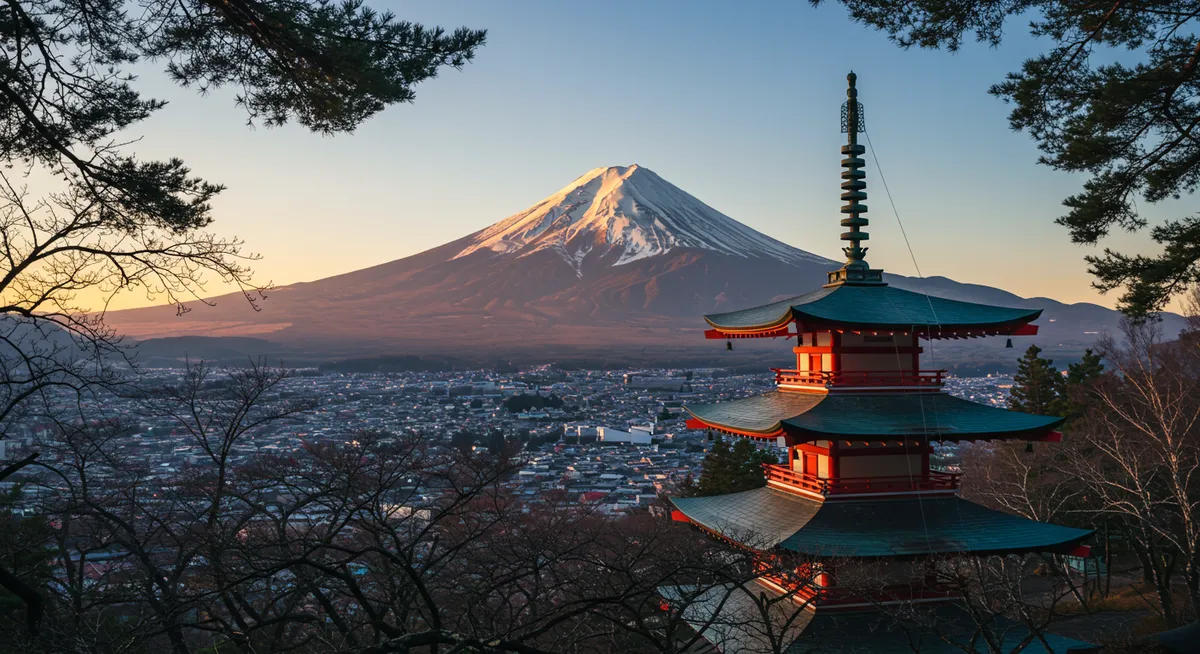
<p>This five-story pagoda, built in 1963 as a peace memorial, provides arguably the most iconic viewpoint of Mt Fuji in Japan. Reaching the pagoda requires climbing approximately 400 steps from Shimoyoshida Station. In spring, cherry blossoms frame the scene; in autumn, fiery maple leaves create an equally stunning backdrop. Arrive early — by 9 a.m. the viewing platform gets crowded.</p>
<h3>Fuji 5th Station (Subashiri or Yoshida)</h3>
<p>Situated at approximately 2,300 meters on the mountain's flank, the 5th Station is the highest point accessible by vehicle. On clear days, you can see all the way to Tokyo. The area has gift shops, a small shrine, and short walking trails. Note that road access is seasonal (typically late April to late November) and a reservation system for private vehicles may apply in 2026.</p>
<h3>Oshino Hakkai</h3>
<p>This collection of eight natural spring-fed ponds sits in a traditional village between Lake Kawaguchiko and Lake Yamanakako. The crystal-clear water — filtered through volcanic rock over 20 years — reveals mesmerizing blue-green depths. The surrounding thatched-roof farmhouses and Mt Fuji backdrop make this one of the most photogenic spots in the region. Try the fresh spring water tofu and local mochi while visiting.</p>
<h3>Hakone (Optional Extended Itinerary)</h3>
<p>Some day tours combine Mt Fuji viewing with Hakone, a hot spring resort town south of the mountain. Highlights include a Lake Ashi cruise with Fuji views, the Owakudani volcanic valley with its black eggs, and the open-air museum. Adding Hakone makes for a longer but more varied day — expect 12-13 hours total. For more day trip ideas, check our <a href="https://www.itimaker.com/blog/tokyo-day-trips">Tokyo day trips guide</a>.</p>
<h2>What to Pack and Practical Tips for 2026</h2>
<p>Proper preparation can make or break your mt fuji day tour from tokyo. Here are the essential practical considerations.</p>
<h3>Clothing and Gear</h3>
<ul>
<li><strong>Layers:</strong> Temperatures at the 5th Station can be 10-15°C colder than Tokyo. Even in summer, bring a fleece or light jacket.</li>
<li><strong>Footwear:</strong> Sturdy, comfortable walking shoes with good grip — you'll be on paved paths, gravel trails, and temple steps.</li>
<li><strong>Sun protection:</strong> Sunscreen, sunglasses, and a hat are essential, particularly at higher elevations where UV exposure increases.</li>
<li><strong>Rain gear:</strong> A compact umbrella or packable rain jacket — mountain weather changes rapidly.</li>
</ul>
<h3>Budget Breakdown (2026 Estimates)</h3>
<ul>
<li><strong>Group bus tour:</strong> ¥8,000-¥15,000 per person</li>
<li><strong>Private tour:</strong> ¥40,000-¥80,000 per group</li>
<li><strong>DIY train + local bus:</strong> ¥6,000-¥9,000 per person round trip</li>
<li><strong>Meals:</strong> ¥1,500-¥3,000 (lunch + snacks)</li>
<li><strong>Attractions/ropeway:</strong> ¥1,000-¥2,000</li>
</ul>
<h3>Important Practical Notes</h3>
<ul>
<li><strong>Carry cash:</strong> Many shops, restaurants, and vending machines around Mt Fuji still only accept cash. ATMs at convenience stores (7-Eleven, FamilyMart) near Kawaguchiko Station accept international cards.</li>
<li><strong>IC card:</strong> Load your Suica or Pasmo for local buses and trains in the area.</li>
<li><strong>Book early:</strong> In 2026, peak season tours (March-May, October-November) sell out 2-3 weeks in advance. Reserve as soon as your Japan dates are confirmed.</li>
<li><strong>Weather check:</strong> Use the Fujigoko (Fuji Five Lakes) specific weather forecast rather than the general Tokyo forecast — conditions differ substantially.</li>
</ul>
<h2>Sample Mt Fuji Day Tour Itinerary from Tokyo</h2>
<p>Here's a proven schedule for an independent day trip using the Fuji Excursion train in 2026:</p>
<table>
<thead><tr><th>Time</th><th>Activity</th></tr></thead>
<tbody>
<tr><td>7:30 a.m.</td><td>Board the Fuji Excursion limited express at Shinjuku Station</td></tr>
<tr><td>9:20 a.m.</td><td>Arrive at Kawaguchiko Station; pick up retro bus day pass (¥1,500)</td></tr>
<tr><td>9:45 a.m.</td><td>Chureito Pagoda — climb the 400 steps for the iconic viewpoint</td></tr>
<tr><td>11:00 a.m.</td><td>Lake Kawaguchiko north shore — photos and the Kachi Kachi Ropeway</td></tr>
<tr><td>12:30 p.m.</td><td>Lunch at a local houtou noodle restaurant (a Yamanashi specialty)</td></tr>
<tr><td>1:30 p.m.</td><td>Oshino Hakkai — explore the spring ponds and traditional village</td></tr>
<tr><td>3:00 p.m.</td><td>Fuji 5th Station (seasonal) — short hike and souvenir shopping</td></tr>
<tr><td>5:00 p.m.</td><td>Return to Kawaguchiko Station</td></tr>
<tr><td>5:30 p.m.</td><td>Board return train to Shinjuku (arrive ~7:20 p.m.)</td></tr>
</tbody>
</table>
<p>This schedule works well from late April through mid-November when the 5th Station road is open. In winter, replace the 5th Station stop with additional time at the lakes or the Itchiku Kubota Art Museum. For the complete guide to planning your broader Tokyo trip, use our <a href="https://www.itimaker.com">Itinerary Maker</a>.</p>
<h2>Frequently Asked Questions</h2>
<div itemscope="" itemtype="https://schema.org/FAQPage">
<div class="faq-item" itemprop="mainEntity" itemscope="" itemtype="https://schema.org/Question">
<h3 itemprop="name">How much does a mt fuji day tour from tokyo cost in 2026?</h3>
<div itemprop="acceptedAnswer" itemscope="" itemtype="https://schema.org/Answer">
<div itemprop="text">Group bus tours range from ¥8,000 to ¥15,000 per person, including transportation and a guide. Private tours cost ¥40,000-¥80,000 per group (up to 6 people). A DIY trip using the Fuji Excursion train and local buses costs approximately ¥6,000-¥9,000 per person for transportation alone, plus food and activities.</div>
</div>
</div>
<div class="faq-item" itemprop="mainEntity" itemscope="" itemtype="https://schema.org/Question">
<h3 itemprop="name">What is the best time of year for a mt fuji day tour from tokyo?</h3>
<div itemprop="acceptedAnswer" itemscope="" itemtype="https://schema.org/Answer">
<div itemprop="text">November through February offers the clearest views of Mt Fuji, with cold, dry air reducing cloud cover. Late March to April is ideal if you want cherry blossoms in the foreground. October and November provide stunning autumn foliage. Summer (June-September) has the worst visibility due to clouds and haze, though it's the only time summit trails are open for climbing.</div>
</div>
</div>
<div class="faq-item" itemprop="mainEntity" itemscope="" itemtype="https://schema.org/Question">
<h3 itemprop="name">Can I see Mt Fuji from Tokyo without taking a tour?</h3>
<div itemprop="acceptedAnswer" itemscope="" itemtype="https://schema.org/Answer">
<div itemprop="text">Yes, on clear days Mt Fuji is visible from several spots in Tokyo, including the Tokyo Skytree observation deck, the Bunkyo Civic Center, and Takao-san. However, a day tour brings you within close range of the mountain for far more dramatic and detailed views, including lakeside reflections and the volcanic landscape at the 5th Station.</div>
</div>
</div>
<div class="faq-item" itemprop="mainEntity" itemscope="" itemtype="https://schema.org/Question">
<h3 itemprop="name">Is the JR Pass worth it for a Mt Fuji day trip?</h3>
<div itemprop="acceptedAnswer" itemscope="" itemtype="https://schema.org/Answer">
<div itemprop="text">If you already have a JR Pass for other travel in Japan, it covers the JR portion of the Fuji Excursion train fare (you pay only a small supplement of about ¥1,200 for the Fujikyu Railway section). However, buying a JR Pass solely for a Mt Fuji day trip is not cost-effective. A regular round-trip ticket is cheaper for a single journey.</div>
</div>
</div>
<div class="faq-item" itemprop="mainEntity" itemscope="" itemtype="https://schema.org/Question">
<h3 itemprop="name">What happens if Mt Fuji is hidden by clouds during my tour?</h3>
<div itemprop="acceptedAnswer" itemscope="" itemtype="https://schema.org/Answer">
<div itemprop="text">Most guided tours still proceed because the surrounding area — lakes, traditional villages, shrines, and local cuisine — is enjoyable regardless of Fuji's visibility. Some operators offer partial refunds or alternative itineraries in severe weather. For independent travelers, consider visiting Oshino Hakkai and the local onsen (hot springs) as cloud-day alternatives. Statistically, you have about a 20-30% chance of seeing the full mountain on any given day.</div>
</div>
</div>
<div class="faq-item" itemprop="mainEntity" itemscope="" itemtype="https://schema.org/Question">
<h3 itemprop="name">How far in advance should I book a Mt Fuji day tour in 2026?</h3>
<div itemprop="acceptedAnswer" itemscope="" itemtype="https://schema.org/Answer">
<div itemprop="text">During peak seasons (cherry blossom in spring, autumn foliage in October-November), book at least 2-3 weeks in advance. For off-peak periods, 3-5 days ahead is usually sufficient. Private tours should always be booked at least one week in advance regardless of season.</div>
</div>
</div>
</div>
<p>A mt fuji day tour from tokyo remains one of the most iconic day trips in Japan for 2026. Whether you opt for the ease of a guided bus tour, the flexibility of an independent train journey, or the exclusivity of a private car, the views and experiences around Japan's sacred peak are unforgettable. Start planning early, check the seasonal conditions, and build this excursion into your <a href="https://www.itimaker.com">travel itinerary</a> for a highlight you'll remember long after you leave Japan.</p>
Make this guide part of your trip.
Turn the ideas you like into a personal day-by-day route, then edit every detail.
Build my itinerary