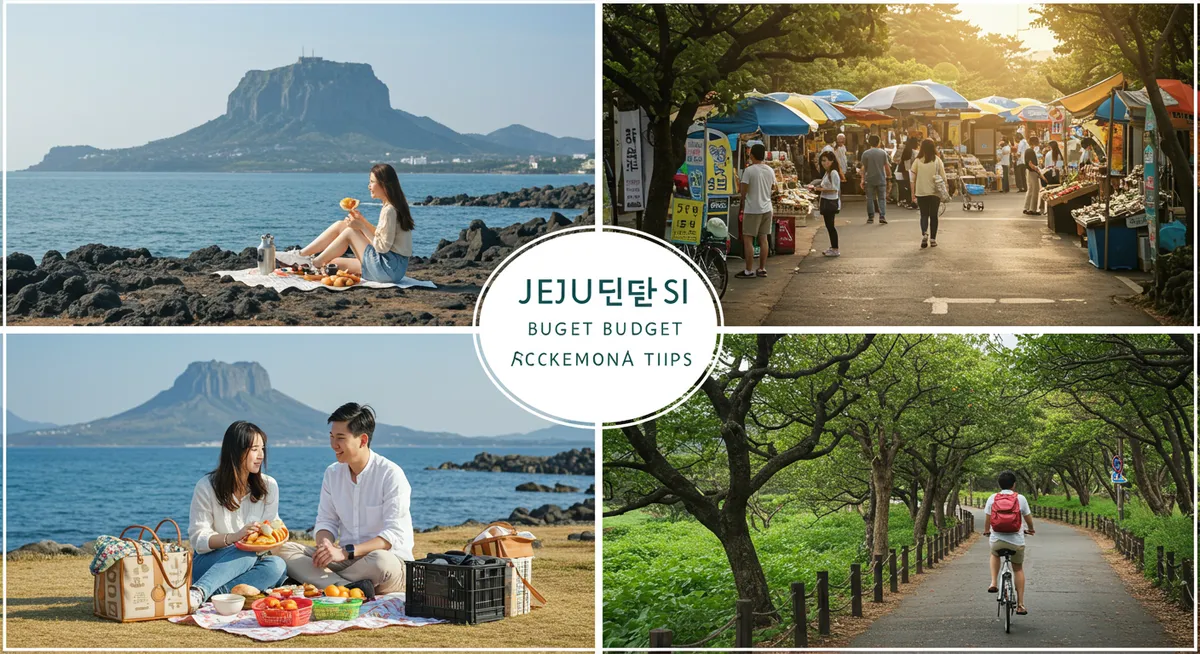
TL;DR: Jeju Island is one of the most affordable island destinations in Asia when you know the tricks. Budget travelers can comfortably spend $33-50/day by using public buses ($0.76/ride with T-Money), eating at local markets ($5-6/meal), staying in guesthouses ($18-25/night), and taking advantage of dozens of free attractions including Hallasan National Park, Olle Trails, and volcanic beaches. This 2026 guide covers everything you need to slash costs without missing the best of Jeju.
Jeju Island sits off the southern coast of South Korea and draws millions of visitors each year with its volcanic landscapes, pristine beaches, and unique culture. The good news for budget-conscious travelers in 2026 is that Jeju remains remarkably affordable compared to other island destinations like Okinawa, Bali, or Hawaii. With no visa required for most nationalities and a well-connected public transport network, you can explore this UNESCO-recognized island without draining your savings. Whether you are planning a 3-day Jeju itinerary or a longer stay, these Jeju budget travel tips will help you get the most out of every won.
How Much Does Jeju Cost Per Day in 2026?
Turn this guide into a personal route with our free Jeju itinerary planner.
Before diving into specific tips, it helps to understand what a realistic daily budget looks like on Jeju Island in 2026. Budget travelers who use public transport, eat at local restaurants, and stay in guesthouses typically spend between $33 and $50 USD per day. Mid-range travelers who mix budget meals with occasional splurges average around $80 per day. Here is a quick breakdown of typical daily costs:
- Accommodation: $18-30 (guesthouse or hostel dorm)
- Food: $10-15 (market meals and convenience store snacks)
- Transport: $3-5 (public buses with T-Money card)
- Activities: $0-5 (most major attractions are free)
The cheapest months to visit Jeju are November through February, when accommodation prices drop 30-50% from peak summer rates. If you are flexible with timing, a winter trip can stretch your budget significantly while still offering beautiful scenery, seasonal mandarin picking, and fewer crowds. Check our guide on the best time to visit Jeju for a season-by-season comparison.
Budget Accommodation: Where to Stay for Less
Accommodation is usually the biggest expense for any traveler, but Jeju offers surprisingly affordable options. Guesthouses and hostels around Jeju City center and near Dongmun Market charge between $18 and $25 per night for a dorm bed, with private rooms available from $35. Many include a simple breakfast and shared kitchen facilities, which saves additional money on meals.
For 2026, consider these accommodation strategies to keep costs low:
- Book 2-3 weeks in advance during peak season (July-August) to lock in lower rates
- Stay near Jeju City bus terminal for easy access to island-wide routes without needing taxis
- Choose places with shared kitchens so you can cook breakfast and pack lunch from convenience store ingredients
- Split your stay between Jeju City (north) and Seogwipo (south) to reduce transit time and costs when exploring different parts of the island
- Check for free camping at designated beach areas during summer months, which several Jeju beaches still allow in 2026
For a detailed neighborhood comparison and top-rated budget stays, see our where to stay in Jeju guide.
Cheap Eats: Dining Well on a Shoestring
Food is one of the great joys of visiting Jeju, and thankfully it does not have to be expensive. Dongmun Traditional Market is the top destination for budget dining, offering fresh seafood, black pork kimbap, tteokbokki, and Jeju mandarin juice at street-food prices. Most dishes cost between 3,000 and 6,000 won ($2-5 USD).
Beyond the market, Jeju has several budget-friendly dining strategies worth knowing:
- Guksu Geori (Noodle Street): A cluster of noodle restaurants serving hearty bowls of pork noodle soup for around 8,000 won ($6). This is a Jeju specialty you should not skip.
- Convenience stores: GS25, CU, and 7-Eleven sell filling meal boxes (dosirak) for 3,500-5,000 won. Many have seating areas and microwaves.
- Paris Baguette and bakeries: Great for affordable breakfast pastries and sandwiches to pack for a day of hiking.
- Local sikdang (restaurants): Small family-run spots away from tourist areas serve generous set meals (baekban) for 7,000-9,000 won including rice, soup, and multiple side dishes.
- Roadside mandarin vendors: Jeju's famous tangerines are sold at roadside stands for a fraction of supermarket prices, especially from November to February.
For the best food experiences on a budget, browse our Jeju night markets and street food guide and our roundup of the best restaurants in Jeju.
Getting Around Jeju on the Cheap
Transportation can make or break a budget trip, and Jeju's public bus system is your best friend. The island has an extensive network of color-coded buses that reach virtually every attraction:
- Green buses: Local routes within Jeju City and Seogwipo ($0.76 per ride with T-Money)
- Blue buses: Frequent stops across the island, good coverage but slower
- Red buses: Express routes between major points, fewer stops, run every 1-2 hours
A T-Money card is essential. Buy one at any convenience store for 2,500 won and load it with credit. You get automatic fare discounts and free transfers within 30 minutes. The longest bus ride from Jeju City to the opposite end of the island costs only about $3 each way.
Renting a car might seem tempting, but the costs add up quickly when you factor in rental fees ($40-60/day), fuel, and parking. Buses combined with walking cover most popular itineraries well. For detailed route planning, see our Jeju public transportation guide. If you do decide to rent, our car rental guide for Jeju has tips on finding the best deals.
Free and Low-Cost Things to Do on Jeju
This is where Jeju truly shines for budget travelers. The island is packed with world-class natural attractions that cost nothing to visit. Here are the top free experiences for 2026:
- Hallasan National Park: Hike South Korea's highest peak (1,950m) with multiple trail options from beginner to advanced. Entirely free to enter.
- Jeju Olle Trails: A network of 27 coastal walking routes totaling 437 km, all free and well-maintained with signage.
- Yongduam (Dragon Head Rock): A dramatic volcanic rock formation on the coast, stunning at sunset, no entrance fee.
- Saryeoni Forest Path: A serene 15 km forest trail through ancient cedar trees, perfect for a half-day walk.
- Seongsan Ilchulbong (Sunrise Peak): A UNESCO World Heritage volcanic crater with a 20-30 minute stair climb. Entry is just 5,000 won ($3.75).
- Yongmeori Coast: Layered rock formations along the shoreline, free access during low tide and safe weather conditions.
- Beaches: Hyeopjae, Hamdeok, and Jungmun beaches are all free and gorgeous.
- Dongbaek Dongsan Wetland: A peaceful wetland forest walk, completely free.
For a comprehensive list of activities ranked by value, check our full guide to things to do in Jeju and discover spots most tourists miss in our Jeju hidden gems guide.
Money-Saving Tips That Locals Know
Beyond the basics of cheap food and free hikes, these insider tips will help you save even more during your 2026 Jeju trip:
- Fly from Gimpo, not Incheon: Domestic flights from Seoul Gimpo to Jeju are frequent and often cheaper. Book 3-4 weeks out for the best fares (as low as $30 one-way with budget carriers).
- Visit museums on discount days: Many Jeju museums offer free or half-price entry on specific weekdays. Check schedules before your visit.
- Bring a refillable water bottle: Jeju tap water is clean and safe to drink, sourced from volcanic filtration. Skip buying plastic bottles.
- Use Kakao Map: The best navigation app for Jeju bus routes and walking directions, far more accurate than Google Maps in South Korea.
- Learn basic Korean phrases: Ordering in Korean at local restaurants often gets you better service and occasionally larger portions. Even just knowing how to say "this one please" (igeo juseyo) goes a long way.
- Shop at E-Mart or Lotte Mart: Stock up on snacks, drinks, and breakfast supplies at big supermarkets rather than tourist shops.
Sample 3-Day Jeju Budget Itinerary
Here is a realistic 3-day itinerary that keeps you under $45/day:
Day 1 - Jeju City: Arrive, pick up T-Money card, explore Dongmun Market for lunch ($4), walk to Yongduam Rock (free), dinner at a Guksu restaurant ($6). Accommodation: guesthouse ($20).
Day 2 - East Jeju: Bus to Seongsan Ilchulbong ($3 bus + $3.75 entry), hike Sunrise Peak, walk along the coast, lunch at a local sikdang ($5), bus to Manjanggul Lava Tube ($3 bus + $3 entry), return to guesthouse. Accommodation: ($20).
Day 3 - South & West: Bus to Jungmun Beach (free), walk the Olle Trail section along the coast, mandarin picking at a roadside farm ($3), afternoon at Hyeopjae Beach (free), convenience store dinner ($4). Accommodation: ($20).
Total: approximately $115 for 3 days ($38/day).
For a more detailed day-by-day breakdown, see our complete Jeju 3-day itinerary.
Frequently Asked Questions
Is Jeju Island expensive to visit in 2026?
What is the cheapest way to get around Jeju Island?
Where can I eat cheaply on Jeju?
What are the best free things to do on Jeju?
When is the cheapest time to visit Jeju Island?
Do I need a visa to visit Jeju Island?
Is it cheaper to rent a car or use buses on Jeju?
Jeju Island proves that incredible travel experiences do not require a big budget. By following these Jeju budget travel tips for 2026, you can explore volcanic peaks, walk stunning coastal trails, feast on local specialties, and soak up island culture while spending well under $50 a day. The key is using public transport, embracing local food markets, and taking advantage of Jeju's extraordinary free natural attractions. Start planning your affordable Jeju adventure today. For more South Korea budget inspiration, see our Seoul budget travel tips or plan a combined trip with our Seoul 3-day itinerary.