21 Best Things to Do in Jeju in 2026 — Ultimate Island Guide
Plan your 2026 Jeju trip with this expert guide to the 21 best things to do in Jeju — from Hallasan hikes and hidden beaches to haenyeo culture, lava tubes, and street food at Dongmun Market.
ItiMaker Team11 min read
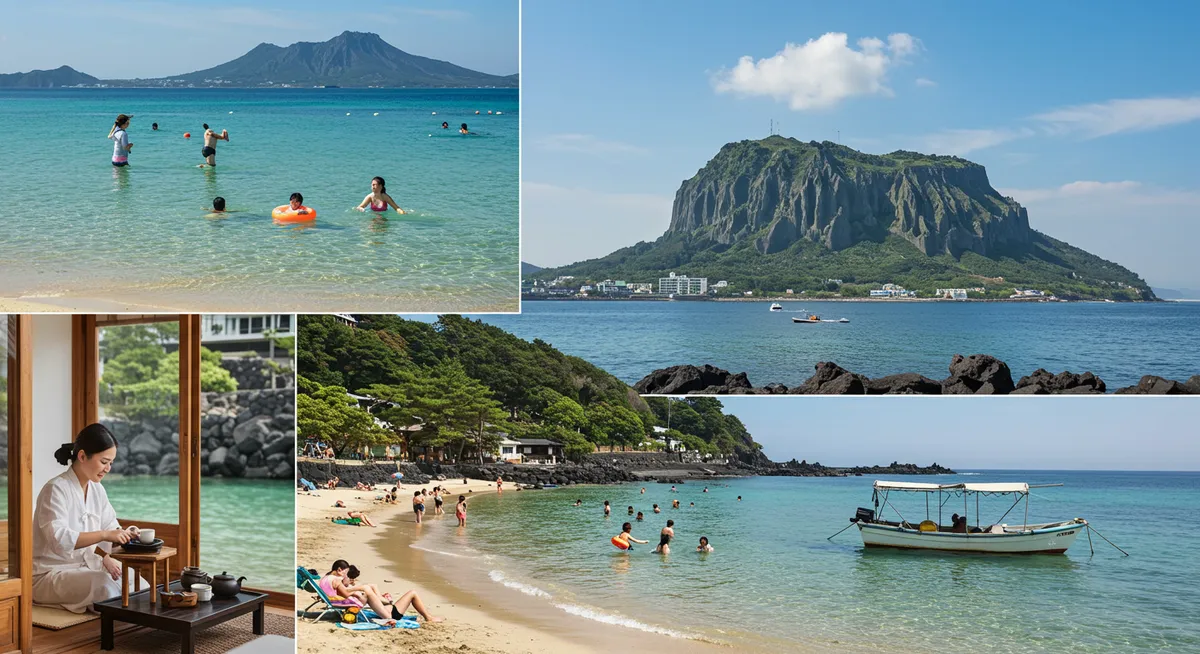
<p><strong>TL;DR:</strong> Jeju Island is South Korea's top vacation destination, and 2026 brings freshly reopened lava tubes, new Olle trail sections, and peak cherry-blossom timing in late March. This guide covers 21 must-do experiences — from hiking Hallasan and snorkeling at Hyeopjae Beach to tasting black pork on Black Pork Street — plus practical tips on transport, budgeting, and how many days you need.</p>
<h1>21 Best Things to Do in Jeju in 2026 — The Ultimate Island Guide</h1>
<p>Jeju Island sits roughly 80 kilometers off the southern coast of the Korean peninsula, and it consistently ranks among Asia's most rewarding destinations. A UNESCO-recognized volcanic landscape, a subtropical climate, and a food scene that rivals Seoul's make the island irresistible for every type of traveler. Whether you are visiting for the first time or returning in 2026 for another round, this guide breaks down the best things to do in Jeju so you can build the perfect itinerary.</p>
<h2>Natural Wonders and Outdoor Adventures</h2>
<p>Nature is the single biggest reason travelers flock to Jeju, and the island delivers on every front — volcanic peaks, coastal cliffs, lush forests, and turquoise waters.</p>
<h3>1. Hike Hallasan, South Korea's Tallest Peak</h3>
<p>Standing at 1,950 meters, <strong>Hallasan</strong> dominates the island's skyline and offers some of the finest hiking in East Asia. The <strong>Seongpanak Trail</strong> (9.6 km one way) is the most popular route, rewarding hikers with crater-lake views at the summit. Start early — the park closes trail access by midday to ensure safe descents. Spring and autumn deliver the best visibility, while winter snowscapes turn the peak into a postcard. For a complete guide to the island's trails, waterfalls, and shoreline walks, read our article on <a href="https://www.itimaker.com/blog/exploring-jejus-natural-beauty-hiking-beaches-and-waterfalls">exploring Jeju's natural beauty</a>.</p>
<h3>2. Watch the Sunrise at Seongsan Ilchulbong</h3>
<p><strong>Seongsan Ilchulbong</strong> (Sunrise Peak) is a dramatic tuff cone formed by underwater eruptions over 5,000 years ago. The 30-minute climb to the crater rim rewards early risers with one of the most spectacular sunrises in South Korea. Arrive at least 30 minutes before dawn for the best vantage point. The surrounding coastline, including nearby <strong>Gwangchigi Beach</strong> with its volcanic black sand, is equally photogenic.</p>
<h3>3. Explore Manjanggul Lava Tube</h3>
<p>Stretching 7,400 meters underground, <strong>Manjanggul Cave</strong> is one of the world's longest lava tubes and a UNESCO World Natural Heritage site. After a maintenance closure, the cave has reopened with improved lighting and walkways for 2026 visitors. Inside, you will find the world's largest known lava column (7.6 meters tall) and fascinating geological formations. The cave stays cool year-round, making it a perfect summer escape.</p>
<h3>4. Swim at Hyeopjae Beach</h3>
<p>On the island's west coast, <strong>Hyeopjae Beach</strong> features powdery white sand mixed with crushed seashells and transparent emerald water. The shallow gradient makes it family-friendly, and the backdrop of Biyangdo Island across the channel is stunning. Come for sunset — the west-facing orientation produces some of Jeju's best golden-hour light.</p>
<h3>5. Walk the Jeju Olle Trails</h3>
<p>The <strong>Jeju Olle Trail</strong> network spans 26 routes totaling over 425 kilometers, circling the entire island along the coast. Each route takes three to six hours and passes through fishing villages, citrus orchards, and volcanic landscapes. Route 7, running from Jungmun to Seogwipo, is widely considered the most scenic. These trails are free and well-marked — just look for the signature blue and orange ribbons.</p>
<h3>6. Discover Cheonjeyeon Waterfalls</h3>
<p>Near Jungmun, the <strong>Cheonjeyeon Waterfalls</strong> cascade through three tiers connected by hillside boardwalks. The highest drop is about 30 meters, and the pools below shimmer in blue-green tones. The surrounding forest is lush with subtropical plants, and the arched Seonimgyo Bridge overhead adds a fairytale quality to the scene.</p>
<h2>Culture, History, and Unique Experiences</h2>
<p>Jeju's cultural identity is distinct from mainland Korea, shaped by centuries of isolation, volcanic mythology, and the remarkable haenyeo diving tradition.</p>
<h3>7. Meet the Haenyeo Sea Women</h3>
<p>Jeju's <strong>haenyeo</strong> are female free-divers who harvest seafood without oxygen tanks, a tradition recognized by UNESCO as Intangible Cultural Heritage. You can watch live diving demonstrations at several coastal spots — <strong>Seongsan</strong> and <strong>Hallim</strong> are reliable locations. Afterward, purchase freshly caught sea urchin or abalone directly from the divers at seaside stalls. The <strong>Haenyeo Museum</strong> in Gujwa provides deeper context on how this practice shaped the island's matriarchal society. Learn more about local traditions in our guide to <a href="https://www.itimaker.com/blog/cultural-experiences-in-jeju-history-traditions-and-local-customs">cultural experiences in Jeju</a>.</p>
<h3>8. Visit Samseonghyeol Shrine</h3>
<p>This tranquil shrine in central Jeju City marks the legendary birthplace of the island's three founding clans. The ancient hollows in the ground, surrounded by a 500-year-old forest, create an almost mystical atmosphere. It is one of the quietest spots in the city and a meaningful introduction to Jeju's origin mythology.</p>
<h3>9. Explore the Jeju Folk Village Museum</h3>
<p>This open-air museum recreates traditional Jeju life with over 100 thatched-roof houses, village streets, and exhibits on farming, fishing, and shamanic rituals. It is one of the best things to do in Jeju for understanding how islanders lived before modernization.</p>
<h3>10. Visit Snoopy Garden</h3>
<p><strong>Snoopy Garden</strong> features five themed indoor halls and 11 outdoor garden zones filled with Peanuts characters set against Jeju's natural landscape. It is surprisingly well-designed and appeals to adults as much as children — expect to spend two to three hours exploring and photographing the exhibits.</p>
<h3>11. Stroll Through O'Sulloc Tea Museum and Fields</h3>
<p>South Korea's most famous tea brand operates a museum and cafe surrounded by rolling green tea fields in Seogwipo. Sample matcha lattes, green tea ice cream, and premium loose-leaf teas while enjoying views of the neatly manicured rows. The adjacent Innisfree shop sells tea-based skincare products unique to this location.</p>
<h2>Food and Culinary Adventures</h2>
<p>Jeju's food scene revolves around the ocean, the farm, and the volcano — black pork, fresh seafood, citrus, and tea dominate menus across the island.</p>
<h3>12. Feast on Black Pork at Black Pork Street</h3>
<p><strong>Black Pork Street</strong> in Jeju City is lined with restaurants specializing in the island's prized heritage-breed pork. The meat is distinctly tender and richly flavored compared to conventional pork. Order the grilled samgyeopsal (belly) and pair it with local Hallabong tangerine soju. For more restaurant recommendations, check our guide to the <a href="https://www.itimaker.com/blog/best-restaurants-in-jejusi">best restaurants in Jeju</a>.</p>
<h3>13. Explore Dongmun Traditional Market</h3>
<p><strong>Dongmun Market</strong> is Jeju City's oldest and largest traditional market, buzzing with vendors selling fresh-caught seafood, Hallabong tangerines, dried fish, and local street snacks. The night market section is especially lively, with grilled skewers, tteokbokki, and freshly squeezed tangerine juice. Dive deeper into the after-dark scene with our <a href="https://www.itimaker.com/blog/jejusi-night-markets-and-street-food">Jeju night markets and street food</a> guide.</p>
<h3>14. Try Haemul-tang (Seafood Hot Pot)</h3>
<p>Jeju's proximity to rich fishing grounds means seafood hot pot here is on another level. Restaurants near the harbor in Seogwipo and along the north coast serve bubbling pots loaded with abalone, shrimp, crab, and local vegetables. It is hearty, warming, and quintessentially Jeju. Explore more island flavors in our piece on <a href="https://www.itimaker.com/blog/jejus-culinary-delights-traditional-foods-and-must-try-restaurants">Jeju's culinary delights</a>.</p>
<h3>15. Sample Hallabong Tangerines and Citrus Products</h3>
<p>Jeju produces most of South Korea's citrus, and the plump, sweet <strong>Hallabong</strong> tangerine is the island's signature fruit. Visit roadside orchards for pick-your-own experiences between December and March, or grab tangerine chocolate, juice, and cosmetics from shops island-wide.</p>
<h2>Beaches, Coastal Walks, and Hidden Gems</h2>
<h3>16. Walk the Seopjikoji Coastal Trail</h3>
<p><strong>Seopjikoji</strong> is a windswept cape near Seongsan with rolling green meadows, dramatic cliffs, and panoramic ocean views. The easy one-hour loop trail passes a lighthouse and canola flower fields that bloom bright yellow in spring. It has appeared in several K-dramas, adding pop-culture appeal.</p>
<h3>17. Relax at Jungmun Saekdal Beach</h3>
<p>This sheltered beach on the south coast has multicolored sand — a mix of red, black, grey, and white grains created by different volcanic minerals. The surrounding Jungmun resort area offers upscale hotels and the famous Teddy Bear Museum nearby.</p>
<h3>18. Discover Udo Island</h3>
<p>A 15-minute ferry ride from Seongsan port, <strong>Udo Island</strong> is a smaller, quieter version of Jeju with coral beaches, peanut ice cream shops, and scenic cycling routes. Rent an electric scooter or bike and circle the island in about two hours. For more off-the-beaten-path recommendations, see our <a href="https://www.itimaker.com/blog/hidden-gems-of-jeju-off-the-beaten-path-attractions">hidden gems of Jeju</a> guide.</p>
<h3>19. Visit Sangumburi Crater</h3>
<p>Unlike Hallasan's steep climb, <strong>Sangumburi Crater</strong> is accessible via a gentle 20-minute walk from the parking lot. The rim overlooks a lush basin filled with over 420 plant species and offers sweeping views across Jeju's midlands. Autumn silver grass season (October–November) is especially beautiful here.</p>
<h2>Practical Tips for Your 2026 Jeju Trip</h2>
<h3>20. Getting Around Jeju</h3>
<p>Jeju has no train system, so your main transport options are rental cars, buses, and taxis. <strong>Renting a car</strong> is the most flexible choice and is highly recommended if you want to reach remote beaches and hiking trails — see our <a href="https://www.itimaker.com/blog/renting-a-car-in-jejusi">car rental guide</a> for details. The island's bus network has improved significantly, with routes connecting most major attractions. Download the Kakao Map or Naver Map app for real-time schedules. For a complete breakdown of routes and fares, read our <a href="https://www.itimaker.com/blog/jejusi-public-transportation-guide">Jeju public transportation guide</a>, and for airport arrival logistics, see the <a href="https://www.itimaker.com/blog/jejusi-airport-to-city-transfer">airport to city transfer</a> article.</p>
<h3>21. Plan Your Budget</h3>
<p>Jeju is moderately priced by South Korean standards. Budget travelers can get by on 60,000–80,000 KRW per day (roughly $45–60 USD in 2026) with guesthouses and local eateries, while mid-range travelers should plan for 150,000–200,000 KRW per day including a rental car and nicer restaurants. For detailed cost-saving strategies, consult our <a href="https://www.itimaker.com/blog/jejusi-budget-travel-tips">Jeju budget travel tips</a>.</p>
<h2>Frequently Asked Questions</h2>
<div itemscope="" itemtype="https://schema.org/FAQPage">
<div class="faq-item" itemprop="mainEntity" itemscope="" itemtype="https://schema.org/Question">
<h3 itemprop="name">What is the best time to visit Jeju in 2026?</h3>
<div itemprop="acceptedAnswer" itemscope="" itemtype="https://schema.org/Answer">
<div itemprop="text">Spring (late March through May) and autumn (September through November) are the ideal seasons to visit Jeju. Spring brings cherry blossoms and canola flower fields, while autumn delivers clear skies, mild temperatures, and stunning silver grass on the volcanic slopes. Summer (June–August) is warm but rainy, and winter is quieter with occasional snow on Hallasan. For a month-by-month breakdown, see our <a href="https://www.itimaker.com/blog/best-time-to-visit-jejusi">best time to visit Jeju</a> guide.</div>
</div>
</div>
<div class="faq-item" itemprop="mainEntity" itemscope="" itemtype="https://schema.org/Question">
<h3 itemprop="name">How many days do you need in Jeju?</h3>
<div itemprop="acceptedAnswer" itemscope="" itemtype="https://schema.org/Answer">
<div itemprop="text">Three to five days is the sweet spot for most travelers. Three days lets you cover the major highlights — Hallasan, Seongsan Ilchulbong, a lava tube, and Jeju City's food scene. Five days allows you to add Udo Island, the Olle Trails, and deeper exploration of the south coast. If you only have a long weekend, check our <a href="https://www.itimaker.com/blog/jejusi-3-day-itinerary">Jeju 3-day itinerary</a> for a tightly optimized plan.</div>
</div>
</div>
<div class="faq-item" itemprop="mainEntity" itemscope="" itemtype="https://schema.org/Question">
<h3 itemprop="name">Is Jeju safe for solo travelers?</h3>
<div itemprop="acceptedAnswer" itemscope="" itemtype="https://schema.org/Answer">
<div itemprop="text">Yes, Jeju is extremely safe for solo travelers, including women traveling alone. South Korea has one of the lowest crime rates in Asia, and Jeju's tourism infrastructure is well-developed with English signage at major attractions. Public transportation is reliable, and most guesthouses cater to solo visitors. The Olle Trails are particularly popular with solo hikers.</div>
</div>
</div>
<div class="faq-item" itemprop="mainEntity" itemscope="" itemtype="https://schema.org/Question">
<h3 itemprop="name">Do I need a car to get around Jeju?</h3>
<div itemprop="acceptedAnswer" itemscope="" itemtype="https://schema.org/Answer">
<div itemprop="text">A rental car is highly recommended but not strictly necessary. Buses connect major tourist sites, and taxis are affordable for short trips. However, a car gives you access to remote beaches, lesser-known hiking trailheads, and the flexibility to explore at your own pace. International driving permits are accepted. Read our <a href="https://www.itimaker.com/blog/transportation-guide-navigating-jeju-by-car-bus-and-taxi">complete transportation guide</a> for all your options.</div>
</div>
</div>
<div class="faq-item" itemprop="mainEntity" itemscope="" itemtype="https://schema.org/Question">
<h3 itemprop="name">What food is Jeju Island famous for?</h3>
<div itemprop="acceptedAnswer" itemscope="" itemtype="https://schema.org/Answer">
<div itemprop="text">Jeju is famous for black pork (heuk dwaeji), fresh seafood caught by haenyeo divers (especially abalone and sea urchin), Hallabong tangerines, green tea from O'Sulloc, and horse-meat dishes unique to the island. Dongmun Market is the best single location to sample most of these specialties. For restaurant picks, see our <a href="https://www.itimaker.com/blog/best-restaurants-in-jejusi">best restaurants in Jeju</a> roundup.</div>
</div>
</div>
<div class="faq-item" itemprop="mainEntity" itemscope="" itemtype="https://schema.org/Question">
<h3 itemprop="name">Is Jeju worth visiting with kids?</h3>
<div itemprop="acceptedAnswer" itemscope="" itemtype="https://schema.org/Answer">
<div itemprop="text">Absolutely. Jeju is one of the most family-friendly destinations in South Korea. Attractions like Snoopy Garden, Hanwha Aqua Planet (aquarium), the Teddy Bear Museum, and shallow beaches like Hyeopjae are perfect for children. Many resorts in the Jungmun area cater specifically to families. Check our <a href="https://www.itimaker.com/blog/family-friendly-jeju-activities-and-attractions-for-kids">family-friendly Jeju activities</a> guide for a curated list.</div>
</div>
</div>
<div class="faq-item" itemprop="mainEntity" itemscope="" itemtype="https://schema.org/Question">
<h3 itemprop="name">Can I visit Jeju without a Korean visa?</h3>
<div itemprop="acceptedAnswer" itemscope="" itemtype="https://schema.org/Answer">
<div itemprop="text">Many nationalities can enter Jeju visa-free for up to 30 days under South Korea's Jeju visa-free entry program, provided you fly directly to Jeju International Airport (CJU). Citizens from countries including the US, UK, Canada, Australia, and most EU nations qualify. Always verify current entry requirements with the Korean Immigration Service before traveling, as policies can change.</div>
</div>
</div>
</div>
<p>Jeju Island packs an extraordinary range of experiences into a compact volcanic landscape — from the summit of Hallasan to the seafloor where haenyeo divers work, from sizzling black pork grills to serene tea fields. With improved infrastructure, reopened attractions, and peak seasonal events lined up for 2026, there has never been a better year to explore everything this island has to offer. Use the internal links above to dive deeper into specific topics — itineraries, accommodation, food, and transport — and start planning your perfect Jeju adventure today.</p>
Keep exploring
Make this guide part of your trip.
Turn the ideas you like into a personal day-by-day route, then edit every detail.
Build my itinerary