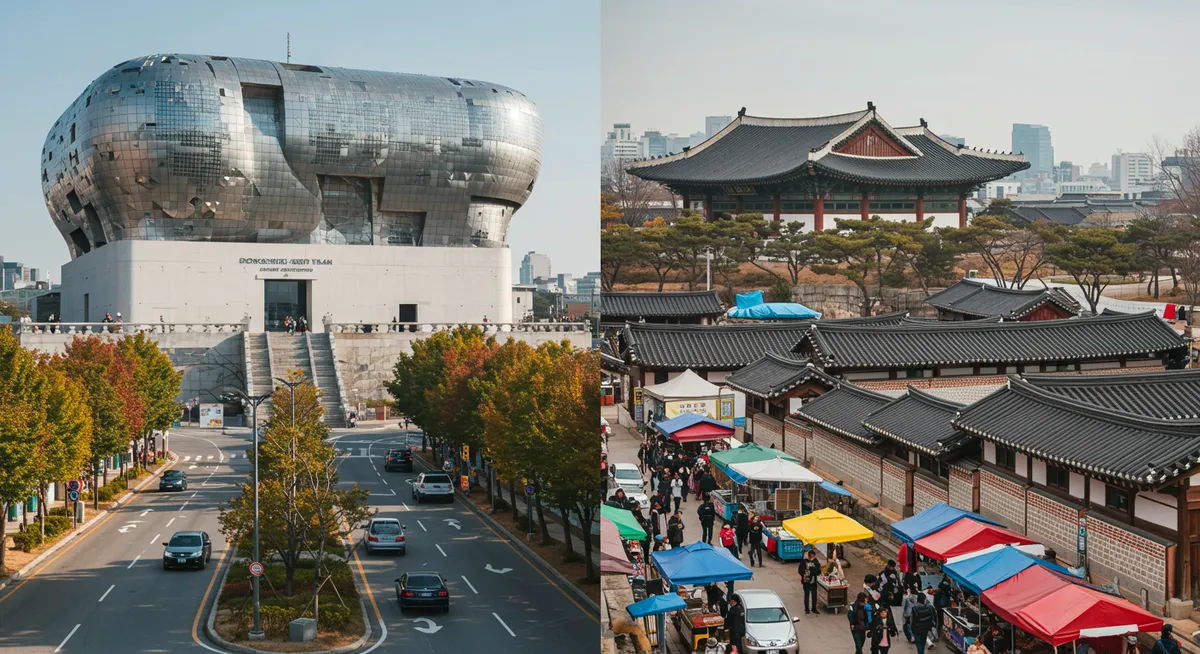
TL;DR: This Seoul 3 day itinerary for 2026 takes you from the royal heritage of Gyeongbokgung Palace and Bukchon Hanok Village on Day 1, through Gwangjang Market food halls and N Seoul Tower on Day 2, to trending Seongsu-dong and Gangnam on Day 3. We cover transportation with T-Money cards, the Discover Seoul Pass, budget tips, and where to stay so you can make the most of 72 hours in South Korea's capital.
Why 3 Days Is the Sweet Spot for Seoul in 2026
Turn this guide into a personal route with our free Seoul itinerary planner.
Seoul is a city where centuries-old palaces sit next to neon-lit skyscrapers, and a single subway ride can transport you from a traditional market to a K-pop entertainment district. Three days gives you enough time to experience the highlights without rushing, covering royal heritage, world-class street food, modern culture, and nightlife. Whether you are a first-time visitor or returning after a few years, this Seoul 3 day itinerary reflects the latest 2026 openings, transit updates, and traveler-tested recommendations. For a broader overview of multi-day options, see our complete Seoul itinerary guide.
Day 1: Royal Heritage, Hanok Villages & Insadong Art Streets
Morning: Gyeongbokgung Palace and the Changing of the Guard
Start your Seoul 3 day itinerary at Gyeongbokgung Palace, the largest and most iconic of the Five Grand Palaces built during the Joseon Dynasty. Arrive by 9:30 AM to secure a good spot for the Changing of the Royal Guard ceremony, held daily at 10:00 AM and 2:00 PM in front of Gwanghwamun Gate (closed Tuesdays). The ceremony is free and lasts about 20 minutes, featuring guards in vivid traditional attire. After the ceremony, explore the palace grounds including the National Palace Museum of Korea, which is also free. Budget roughly two hours for the full palace experience.
Pro tip: Rent a hanbok (traditional Korean dress) from one of the many rental shops near the palace. Wearing hanbok grants you free entry to all five grand palaces in Seoul, and you will get stunning photos against the traditional architecture.
Late Morning: Bukchon Hanok Village
A 15-minute walk northeast of Gyeongbokgung brings you to Bukchon Hanok Village, a hillside neighborhood of beautifully preserved traditional Korean houses. The narrow alleyways wind up the slope between Gyeongbokgung and Changdeokgung palaces, offering picture-perfect views of tiled rooftops against the Seoul skyline. Visit the small artisan workshops, traditional tea houses, and independent galleries tucked into the lanes. Keep noise levels low as many hanoks remain private residences.
Afternoon: Insadong Art District & Jogyesa Temple
Head south to Insadong, Seoul's traditional arts and crafts quarter. Browse antique shops, calligraphy studios, and galleries along the main Insadong-gil street. Stop at Ssamziegil, a spiraling open-air shopping complex with independent artisan stalls on every level. Nearby, Jogyesa Temple offers a peaceful retreat in the heart of the city with its towering locust and white pine trees. End the afternoon with traditional Korean tea at one of the many chatjip (tea houses) where you can sample chrysanthemum, citron, or five-grain teas.
Evening: Gwanghwamun & Cheonggyecheon Stream
As evening falls, walk along Cheonggyecheon Stream, an 11-kilometer restored urban waterway illuminated with gentle lighting. This is one of the most relaxing spots in central Seoul and a perfect way to wind down after a day of sightseeing. For dinner, head to a nearby Korean BBQ restaurant in the Jongno area for your first proper samgyeopsal (grilled pork belly) experience. Understanding the best time to visit Seoul can help you plan around seasonal festivals and weather for days like this.
Day 2: Markets, Street Food & Panoramic City Views
Morning: Gwangjang Market
Begin day two of your Seoul 3 day itinerary at Gwangjang Market, one of the oldest and largest traditional markets in South Korea. This is where locals eat, and the food stalls here are legendary. Sit at the communal tables and order bindaetteok (mung bean pancakes), mayak gimbap (addictive mini rice rolls), tteokbokki (spicy rice cakes), and kalguksu (knife-cut noodle soup). The market is also famous for its vintage textiles and silk vendors on the upper floors. Arrive before 10:00 AM to beat the crowds. For a deeper dive into Seoul's food scene, check out our Seoul street food guide.
Midday: Myeongdong Shopping District
Take the subway to Myeongdong, Seoul's premier shopping district and the epicenter of K-beauty. Flagship stores from brands like Innisfree, Etude House, and Olive Young line the streets, many offering free samples to passersby. Beyond cosmetics, you will find global fashion brands, department stores like Lotte and Shinsegae, and excellent street food vendors selling egg bread, fish-shaped pastries (bungeoppang), and tornado potatoes. For a more detailed shopping breakdown, read our Seoul Myeongdong shopping guide.
Afternoon: N Seoul Tower (Namsan Tower)
From Myeongdong, walk or take the Namsan Cable Car up to N Seoul Tower, perched 480 meters above sea level on Namsan Mountain. The observation deck provides 360-degree panoramic views of the entire Seoul metropolitan area, and the experience is particularly stunning around sunset when the city transitions from daylight to a glittering sea of lights. The iconic "love locks" fence remains a popular attraction for couples. Budget about two hours including transit and tower time.
Evening: Hongdae Nightlife
Descend from the tower and take the subway to Hongdae, the vibrant university district known for live street performances, indie music venues, quirky cafes, and an electric nightlife scene. On weekends, buskers and dance crews perform in the Hongdae Playground area. Grab dinner at one of the many Korean fried chicken and beer (chimaek) spots, then explore the area's bars, noraebangs (karaoke rooms), and themed cafes well into the night. Our Seoul nightlife guide for Hongdae covers the best venues and tips for a memorable evening out.
Day 3: Trending Neighborhoods, K-Pop Culture & Gangnam
Morning: Seongsu-dong (Seoul's Brooklyn)
For your final day, explore Seongsu-dong, the trendiest neighborhood in Seoul for 2026. This former industrial district has been transformed into a creative hub filled with converted-warehouse cafes, concept stores, and art galleries. Visit HAUS NOWHERE, Gentle Monster's immersive flagship experience that blends art installations with retail. The neighborhood is perfect for cafe-hopping, with spots like Cafe Onion (set in a renovated factory) drawing design-conscious visitors from across the city.
Midday: Starfield Library & COEX Mall in Gangnam
Take the subway to Gangnam and head to the COEX Mall, one of the largest underground shopping centers in Asia. The centerpiece is Starfield Library, a soaring open library with floor-to-ceiling bookshelves that has become one of Seoul's most photographed spots. Browse the mall's extensive food court for lunch, explore the COEX Aquarium, or visit the Hallyu K-Star Road nearby, featuring large bear statues representing different K-pop groups. The area around Gangnam Station also offers excellent shopping and dining.
Afternoon: Bongeunsa Temple or DMZ Day Trip Option
If you prefer a peaceful counterpoint to the Gangnam bustle, walk five minutes to Bongeunsa Temple, a 1,200-year-old Buddhist temple hidden among the high-rises. The contrast between ancient temple architecture and modern skyscrapers is uniquely Seoul. Alternatively, if you started early, consider a half-day DMZ (Demilitarized Zone) tour departing from central Seoul. The DMZ, just one hour north of the city, offers a powerful look at the division of the Korean Peninsula including the Joint Security Area and infiltration tunnels. Tours must be booked in advance through authorized operators. For more excursion ideas, see our guide to day trips from Seoul by train.
Evening: Farewell Dinner in Itaewon or Yongsan
Wrap up your Seoul 3 day itinerary with a farewell dinner in Yongsan or Itaewon, neighborhoods known for diverse international cuisine alongside Korean favorites. The redeveloped Yongsan area near the new national park project is becoming one of Seoul's hottest dining destinations in 2026. Try a final Korean BBQ feast or splurge on a modern Korean fine-dining experience to cap off your trip.
Essential Seoul Travel Tips for 2026
Getting Around: T-Money Card & the Climate Card
Seoul's public transportation system is one of the best in the world. Pick up a T-Money card at any convenience store upon arrival (available at Incheon Airport) and load it with credit. The card works on all subways, buses, and even taxis, with automatic transfer discounts when switching between subway and bus within 30 minutes. In 2026, the Climate Card is also available, offering unlimited daily transit for a flat fee. Remember to tap both when entering and exiting subways and buses. For a complete breakdown, read our guide on how to use Seoul public transportation.
Where to Stay
For first-time visitors, Myeongdong and Jongno offer the most convenient bases with easy subway access to all major attractions. Budget travelers should look at guesthouses in Hongdae, while those seeking luxury can find five-star options in Gangnam. Our detailed Seoul neighborhoods guide breaks down the best areas by travel style and budget.
Budget Tips
Seoul is surprisingly affordable for an East Asian capital. Street food meals cost 3,000 to 5,000 KRW (roughly $2 to $4 USD), subway rides are about 1,400 KRW, and many palaces and museums are free. The Discover Seoul Pass (available in 24, 48, or 72-hour versions) bundles free entry to over 100 attractions plus unlimited transit, making it excellent value for a 3-day trip. Consider it especially if you plan to visit N Seoul Tower, Lotte World, or multiple palaces. For more money-saving strategies, explore our Seoul budget travel tips.
Best Time to Visit
Spring (April to May) and autumn (September to November) offer the most pleasant weather for sightseeing, with cherry blossoms and fall foliage as seasonal bonuses. Summer (June to August) is hot and humid with monsoon rains, while winter (December to February) is cold but festive, with fewer crowds and beautiful snow-dusted palaces.
Frequently Asked Questions
Is 3 days enough for Seoul?
What is the best way to get around Seoul?
What are the must-try foods in Seoul?
How much does a 3-day trip to Seoul cost?
Do I need a visa to visit Seoul in 2026?
Is Seoul safe for solo travelers?
This Seoul 3 day itinerary for 2026 balances history, food, modern culture, and practical logistics so you can experience the best of South Korea's capital in just 72 hours. From the royal grandeur of Gyeongbokgung to the trendy cafes of Seongsu-dong and the electric energy of Hongdae at night, Seoul rewards every minute you spend exploring. For another take on structuring your 3-day visit, check our alternate Seoul itinerary for 3 days, or browse our guide to the top things to do in Seoul for even more ideas.