TL;DR: Skip the tour-bus circuit. This 2026 guide covers 15 Jeju hidden gems and local spots — secret oreum hikes, haenyeo coves, underground lava tubes, artisan villages, and local-only eateries — plus transport tips and a seasonal cheat sheet so you can plan the perfect off-the-beaten-path trip.
Jeju Island draws millions of visitors each year, yet most never venture beyond Seongsan Ilchulbong or Hallasan's main trail. After spending more than a dozen extended stays on the island — hiking every oreum I could find, chatting with haenyeo divers, and eating my way through neighborhood markets — I have assembled this guide to the Jeju hidden gems and local spots that reward curious travelers in 2026. Whether you are planning a 3-day Jeju itinerary or a longer exploration, the spots below will give your trip an authenticity most visitors never experience.
Secret Oreum Hikes With Crater Views
Turn this guide into a personal route with our free Jeju itinerary planner.
Jeju is home to roughly 368 volcanic cones — called oreum — and only a handful appear in guidebooks. Geum Oreum (Gold Volcanic Cone) is a favorite among locals for its crater lake and 360-degree panorama stretching from Hallasan to the southern coastline. The 30-minute climb starts from a quiet trailhead near Jocheon and rarely sees more than a handful of hikers. Equally rewarding is Andol Oreum, where a dense cypress canopy creates an almost mystical atmosphere along a well-maintained forest path. For sunrise chasers, Sarabong Peak in Jeju City offers a short pre-dawn hike that ends with a sweeping view of the harbor — no crowds, no entrance fee. For more trail options, see our full guide to Jeju hiking, beaches, and waterfalls.
Secluded Beaches and Haenyeo Coves
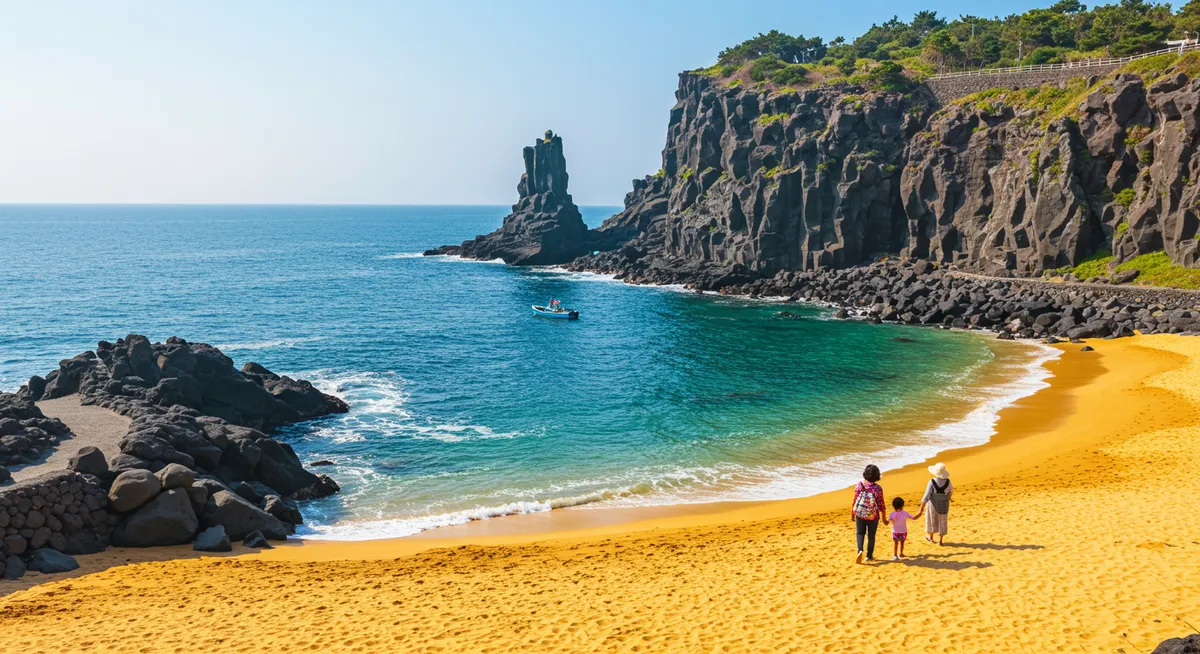
Jeju's coastline hides dozens of coves that never appear on Instagram. Hwanguji Beach on the southern shore is framed by volcanic rock and backed by tangerine orchards — perfect for a quiet swim. Near Aewol, Handam Beach sits at the end of a coastal walkway that most tourists skip entirely; you can watch haenyeo divers surface with sea urchins and abalone before ordering the same catch at a nearby shack. On the island's eastern tip, the Sehwa-ri tidal pools draw local families on weekends but remain almost empty on weekdays. These are the kinds of Jeju hidden gems you will not find on a package tour. If you are visiting with kids, our family-friendly Jeju activities guide has more options.
Underground Lava Tubes and Geological Wonders
While Manjanggul Cave is well-known, Jeju has a network of lesser-visited lava tubes that are equally spectacular. Gimnyeong Maze Park sits right next to a quieter section of the Gimnyeong lava tube system and combines a walk through volcanic geology with a hedge maze above ground. Yongcheon Cave, opened to limited guided tours, features stalactites that reflect in underground pools — a genuinely otherworldly experience. Local geology enthusiasts also recommend the Billemot Cave area near Hallim, where volcanic rock formations create natural shelters once used by island residents. These underground wonders are among the most impressive Jeju hidden gems and local spots for geology lovers and photographers alike.
Artisan Villages and Creative Hubs
Jeju's creative scene has blossomed in recent years, and the best of it lives far from the main shopping streets. Jeoji Artist Village in the island's interior is home to galleries, ceramics studios, and workshops where you can try your hand at traditional Jeju dyeing techniques using local indigo. The Seonheul neighborhood near Bijarim Forest has attracted a small community of potters and woodworkers whose studios are open to visitors by appointment. Even in Jeju City, the side alleys off Chilseong-ro reveal independent bookshops, vinyl cafes, and craft stores that feel worlds away from the duty-free outlets. For deeper cultural context, read our guide on Jeju cultural experiences, history, and traditions.
Local Food Spots the Tour Buses Skip
The best meals on Jeju rarely come with English menus. In the narrow alleys near Dongmun Market's east side, family-run shops serve gogi guksu (pork noodle soup) that has been perfected over generations. Near Samseonghyeol, a handful of unnamed seafood stalls offer haemul ttukbaegi (seafood hot pot) made with whatever the haenyeo brought in that morning. For something modern, the café district around Hallim has pour-over coffee roasters sourcing beans from small Korean farms, paired with tangerine-infused pastries unique to the island. The weekly Sehwa local market — smaller and less touristy than Dongmun — sells fresh galchi (beltfish), seasonal tangerines, and homemade omegi-tteok rice cakes. Explore more dining recommendations in our Jeju best restaurants guide, or head out after dark with our Jeju night markets and street food guide.
Peaceful Forest Trails and Healing Walks
Beyond the popular Hallasan routes, Jeju offers forest bathing experiences that rival Japan's best. The Saryeoni Forest Trail is a 15-kilometer cedar-lined path near Bijarim that feels restorative from the first step — locals call it Jeju's "lung." Bijarim Forest itself shelters roughly 2,800 nutmeg trees, some over 800 years old, with shaded boardwalks ideal for hot summer afternoons. A lesser-known gem is the Gyorae Natural Recreation Forest, where moss-covered trails wind alongside a stream and the only sound is birdsong. These walks are some of the most underrated Jeju hidden gems and local spots for travelers who want to decompress.
How to Reach Jeju's Hidden Spots: Transport Tips
Renting a car remains the most flexible way to access Jeju hidden gems. International licenses are accepted, roads are well-marked, and parking is usually free outside Jeju City center. If you prefer not to drive, the island's intercity bus network covers most trailheads and coastal villages — routes 201 and 202 loop the entire island. Download KakaoMap or Naver Map for real-time bus schedules and walking directions; both are far more accurate for Jeju than Google Maps. Taxi apps like Kakao T work island-wide and can fill gaps for remote oreum trailheads. For a complete breakdown, see our Jeju public transportation guide and our tips on renting a car in Jeju.
Seasonal Cheat Sheet: When to Visit Each Hidden Gem
Timing matters when exploring Jeju hidden gems and local spots. Here is a quick seasonal breakdown:
- Spring (March – May): Canola flower fields blanket the oreum slopes. Saryeoni Forest is lush and cool. The Wahul Buckwheat Culture Festival in May is a locals-only highlight.
- Summer (June – August): Secluded beaches and tidal pools are at their best. Visit Bijarim Forest for shade. Arrive early at Hwanguji Beach to beat weekend families.
- Autumn (September – November): Silver grass covers the oreum craters. Geum Oreum is at peak beauty. Tangerine harvest begins, and local markets overflow with fresh fruit.
- Winter (December – February): Fewer tourists overall. Hallasan's snow-capped peak is photogenic. Hot springs and indoor lava tubes provide warmth.
For detailed seasonal advice, consult our best time to visit Jeju guide and our overview of Jeju seasonal highlights.
Frequently Asked Questions
What are the best Jeju hidden gems in 2026?
How do I find truly local spots in Jeju that tourists miss?
Can I visit Jeju's hidden gems without renting a car?
What is the best season to explore off-the-beaten-path Jeju?
Are Jeju's hidden beaches safe for swimming?
How much time do I need to explore Jeju's hidden gems?
Jeju's greatest rewards lie beyond the well-known attractions. From sunrise oreum hikes and haenyeo coves to underground lava tubes and artisan villages, the Jeju hidden gems and local spots in this guide offer a deeper, more authentic connection with the island in 2026. Pack comfortable walking shoes, download KakaoMap, and give yourself permission to wander — the best discoveries on Jeju happen when you leave the guidebook behind. Start building your custom trip with our essential Jeju travel tips.