Yes, The Hague is absolutely worth visiting for its unique mix of royal history and seaside culture. If you prefer the chaotic nightlife of a capital city, head to Amsterdam instead. I visited last May and found the lack of crowds refreshing compared to the busier Dutch hubs. Updated June 2026 after a recent spring visit to the historic Binnenhof area.
The city serves as the political heart of the Netherlands and the home of the royal family. You will find grand mansions standing alongside modern glass towers and bustling shopping districts. It offers a sophisticated atmosphere that feels distinct from the canal-heavy aesthetic of other Dutch cities. My time here was defined by world-class art and the salty breeze of the North Sea.
Many travelers skip this city in favor of its more famous neighbors like Rotterdam or Utrecht. However, missing out on the Dutch seat of government means skipping some of the country's best museums. I was surprised by how walkable the center is despite its international importance. The following guide will help you decide if it belongs on your next Dutch itinerary.
The Hague Worth Visiting (The Verdict)
Turn this guide into a personal route with our free the hague itinerary planner.
The Hague is a city that balances political importance with a laid-back coastal vibe. My recent trip confirmed that it offers a quieter, more authentic Dutch experience than Amsterdam. If you want a detailed plan, check out this The Hague Itinerary for your next trip. You should expect to pay between €15 and €25 for most major museum entries in the city.
I spent three days exploring the cobblestone alleys and the sandy shores of Scheveningen. The city feels spacious and clean, making it perfect for those who dislike heavy crowds. The Hague is the only major Dutch city where you can see world-class art and the sea on the same day.
Verdict: Yes, it is worth it for art lovers, history buffs, and families seeking variety. Best for: Couples seeking a romantic getaway and museum enthusiasts looking for Dutch Master paintings. Skip if: You want a wild party scene or a city dominated by traditional canal houses. Alternative: Delft is a great choice if you want a smaller, more traditional canal-town atmosphere nearby.
- Pros: What visitors usually love
- World-class art collections including Vermeer's Girl with a Pearl Earring
- Easy tram access to the beach at Scheveningen
- Less crowded than Amsterdam streets
- Exceptional Indonesian and international dining
- Very walkable city center layout
- Cons: What may disappoint
- Binnenhof is currently under renovation until at least 2026
- High cost of living means restaurants skew expensive
- Windy weather near the coast year-round
- Business-heavy vibe in some central areas
- Limited clubbing scene compared to Rotterdam
If you are weighing The Hague against its better-known neighbours, the quick comparison below shows how the three biggest cities in the Randstad differ on the points that matter most to first-time visitors.
| Factor | The Hague | Amsterdam | Rotterdam |
|---|---|---|---|
| Vibe | Royal, diplomatic, coastal-relaxed | Canal-laced, lively, touristy | Modern, industrial, architecture-led |
| Crowds | Light to moderate | Very heavy year-round | Moderate |
| Best for | Art lovers, families, beach days | Nightlife, canals, first-timers | Design, skyline, food markets |
| Beach access | Excellent — Scheveningen 15 min by tram | None in city (Zandvoort ~30 min by train) | None in city |
| Cost | Moderate to high | High | Moderate |
| Day-trip ease | Easy — 50 min train from Amsterdam | Hub city, easy to reach | Easy — ~25 min train from The Hague |
An Overview of The Hague: City of Peace and Justice
The Hague is officially known as Den Haag and serves as the administrative capital of the Netherlands. While Amsterdam holds the constitutional title, King Willem-Alexander lives and works here among the embassies. This gives the city an upscale and international feel that is quite unique in the country. The city is home to more than 100 nationalities, making it the most international city in the Netherlands.
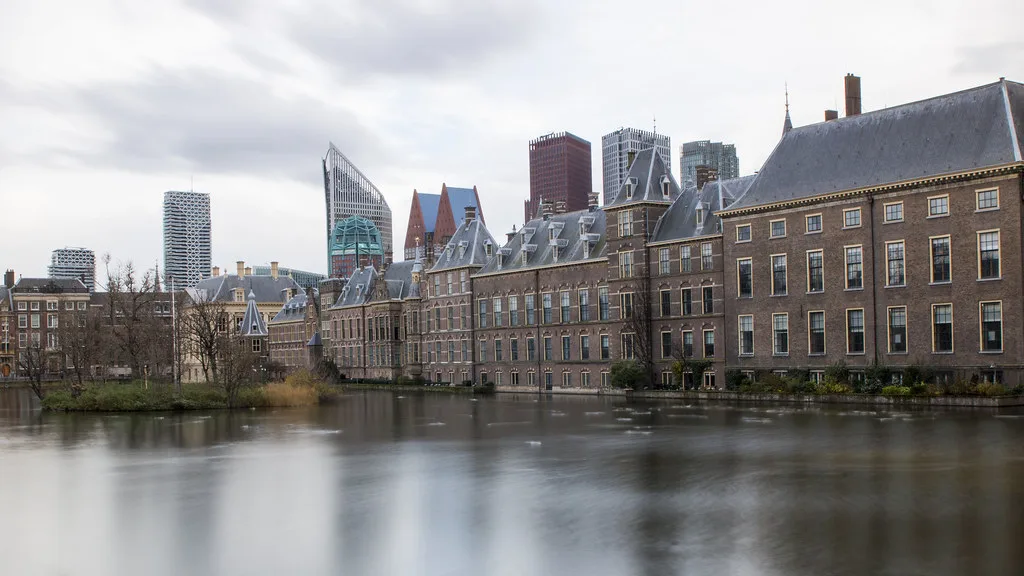
Walking through the center, you will notice the Peace Palace, which houses the International Court of Justice — the principal judicial body of the United Nations. The grand architecture reflects centuries of Dutch power and global influence. The city grew from a 13th-century hunting residence built by Count Floris IV alongside the Hofvijver pond, and it only received formal city rights in 1806. That long gap between settlement and city status explains the unusual mix of medieval lanes, 18th-century diplomat mansions, and brutalist post-war rebuilding you see today.
There are very few canals in The Hague, since most were drained in the late 19th century to widen roads. Instead, you get Best Things to Do in The Hague that range from Gothic churches to modern glass towers. The Grote Kerk (Sint-Jacobskerk), dating to the 15th century, sits right in the center and is hard to miss. The blend of eras gives the city a texture that visitors find surprisingly engaging.
Top Reasons to Visit The Hague
The primary draw for many is the proximity to Scheveningen, the most popular beach resort in the Netherlands. The Hague has an impressive 11 kilometers of coastline split between lively Scheveningen in the northwest and quieter Kijkduin in the southwest. You can reach Scheveningen from the city center by tram in about 15 minutes. Plan your trip using our Best Time to Visit The Hague article.
The city also gives you the Peace Palace, one of Europe's most recognizable buildings, and the Binnenhof, the political center where the Dutch parliament has met for centuries. A yellow viewing tower was installed while the inner court undergoes renovation — admission is free and the views across the city are worth ten minutes of your time. Palace Noordeinde, King Willem-Alexander's working palace, is not open to the public but the surrounding street is lined with boutiques and galleries and makes for a pleasant walk.
Day Trip vs. Stay Overnight: I strongly recommend staying at least one night. While a day trip from Amsterdam is very common, staying overnight lets you enjoy the beach at sunset and the calmer evening atmosphere after day-trippers leave. Two days gives you one day for the historic center and museums, and a second for the coast and Madurodam. Families in particular benefit from that extra day.
Museums, Art, and Culture in The Hague
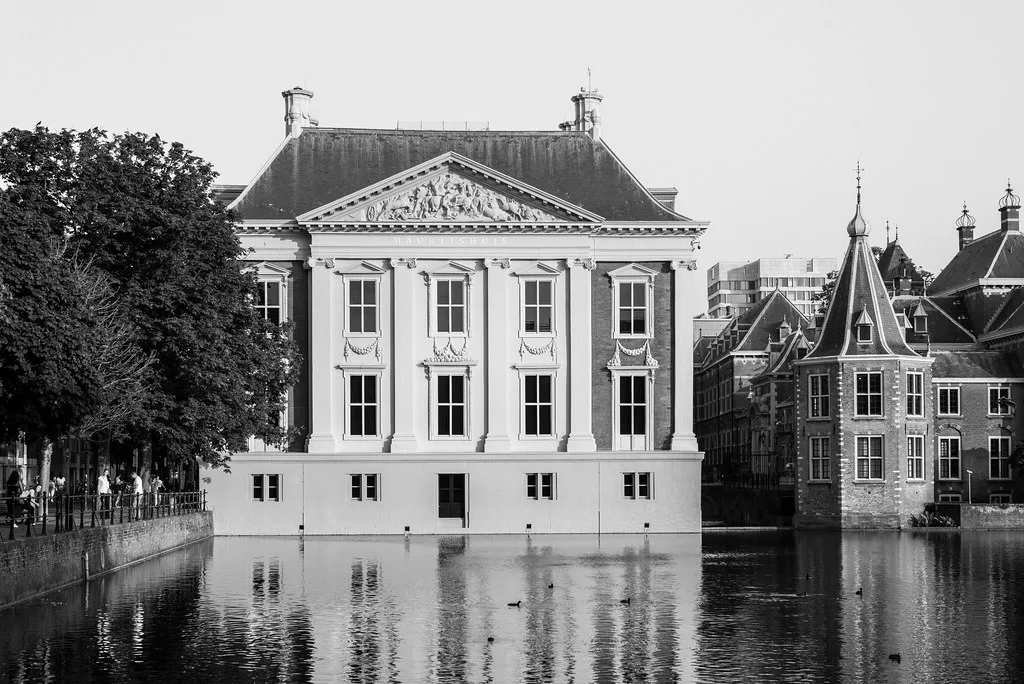
Art lovers should consult our The Hague Museums Guide before visiting. The Mauritshuis is the star attraction, housing Vermeer's famous Girl with a Pearl Earring as well as Rembrandt and Paulus Potter works. The museum is set in a stunning 17th-century palace overlooking the Hofvijver pond. Check the Mauritshuis official site for current ticket prices — adult entry is typically around €19.50 and the museum opens at 10:00 daily, except Mondays when it does not open until 13:00.
Escher in the Palace occupies the former winter palace of Queen Mother Emma and displays the mind-bending optical illusion works of M.C. Escher. Note that Escher in the Palace is closed entirely on Mondays, so if you are visiting on that day, plan around it. The interactive top-floor exhibits are particularly good for families. Both museums together make for a very full morning.
Beyond those two, the Kunstmuseum Den Haag holds the world's largest Mondrian collection and a strong applied arts wing. The Panorama Mesdag is one of the oldest panoramic paintings in the world still in its original location — a 360-degree canvas of Scheveningen beach as it looked in 1881. Entry is modest and the illusion of standing on the dune is genuinely convincing. The Gevangenpoort, a 15th-century prison gatehouse, rounds out a city that punches well above its weight for museum density.
One Day in The Hague: Art-Lover Track vs. Family Track
Our The Hague Itinerary for First-Timers covers the full details. For a quick overview, the city splits naturally into two single-day approaches depending on your travel group.
Art-lover track: Arrive at Den Haag Centraal by 09:45. Walk ten minutes to the Mauritshuis and spend two hours with the Dutch Masters. Move five minutes to Escher in the Palace for another 90 minutes. Walk along the Lange Voorhout to the city center, browse the Passage arcade, and grab lunch near Grote Markt. Spend the afternoon at Panorama Mesdag and the Peace Palace, then end with dinner in the Zeeheldenkwartier neighbourhood.
Family track: Start with Madurodam in the morning — allow two to three hours for the miniature park, which costs around €21.50 per adult. Take Tram 1 to Scheveningen in the early afternoon. Walk the pier, let the children ride the Ferris wheel or try zip-lining, and have dinner at one of the beachfront restaurants. This track skips the museums entirely but delivers a very full and varied day. Check our the Scheveningen beach district for seaside tips and what to expect by season.
How to Modify Your Hague Itinerary
Dutch weather is famously unpredictable. A rainy day in The Hague is not a ruined day — it is simply a museum day. The Mauritshuis, Escher in the Palace, Panorama Mesdag, and the Gevangenpoort are all indoor and will absorb a full day easily. The Passage, the oldest shopping arcade in the Netherlands (built 1882–1885), is also fully covered and makes a good shelter for a coffee break between museums.
If you want to combine The Hague with a nearby town, Delft is the easiest pairing, and our roundup of day trips from The Hague covers Rotterdam, Leiden, and the bulb fields too. Take Tram 1 directly from Scheveningen through the city center to Delft — the full journey is about 40 minutes and drops you near Delft's canal district. Spend the morning in The Hague visiting Mauritshuis and Panorama Mesdag, then continue to Delft for the afternoon. From Delft it is one hour by train back to Amsterdam, with or without a transfer at Rotterdam.
If you are visiting on a Monday, note the specific constraints: Mauritshuis opens at 13:00 and Escher in the Palace is closed all day. A Monday itinerary should lead with Panorama Mesdag in the morning (opens 10:00), walk to the Peace Palace Visitor Centre, explore the Binnenhof viewing tower (free), and save Mauritshuis for the afternoon. This restructuring keeps the day full without losing the headline attractions.
Should You Buy the Museum Pass? (Cost Analysis)
The Dutch Museumkaart costs €75 and grants free entry to over 400 museums across the Netherlands for 31 days (tourist version). In The Hague alone, the Mauritshuis (€19.50), Kunstmuseum (€18), and Escher in the Palace (€14) add up to €51.50. Add Panorama Mesdag (€12) and you have crossed the break-even point at four venues — without counting anything you visit in Amsterdam. For anyone combining Amsterdam museums with a Hague day trip, the card pays for itself very quickly.
For a single day trip focused only on The Hague, the math is tighter. Two museums would cost roughly €33–€38 in door prices, so you would not break even on the pass. In that case, buy individual tickets unless you are also visiting the Rijksmuseum or Van Gogh Museum in Amsterdam on the same trip. You can purchase the Museumkaart at the Mauritshuis desk, which is a convenient option if you decide on arrival that the math works for you.
A few caveats: some special exhibitions carry a surcharge even with the pass. Always carry the physical card — digital versions are not always accepted at the entry desk. I found that having the pass removes the mental pressure of "getting my money's worth" at each stop, which made the whole day more relaxed.
Getting Around The Hague: Trams, Bikes, and Walking
We have a full guide for Getting Around The Hague efficiently. The tram network is the most useful tool for visitors. Tram 1 is the key line — it runs from Scheveningen Village through the city center and continues to Delft. Tram 9 connects Scheveningen to Den Haag HS station and passes the main museums. You can tap a contactless credit or debit card directly on the validator for each journey; no separate travel card is needed.
Biking is the local way of life and the city has dedicated paths everywhere. Renting a bike from your hotel or a nearby rental shop is affordable and gives you the freedom to explore the dunes south of Scheveningen. Be mindful of the wind, as cycling toward the coast can be a genuine workout. Bike parking at the central station is massive and well-organized.
The city center is compact enough for most visitors to cover on foot. Walking from Den Haag Centraal to the Binnenhof takes under ten minutes. Many shopping streets are pedestrian-only, making for an easy stroll. For orientation, physical street maps are posted around the city center, which is useful when your phone battery is low.
Getting to The Hague from Amsterdam
Trains from Amsterdam Centraal run every ten to fifteen minutes and the journey takes roughly 50 minutes. You can book tickets on the NS.nl website or simply tap-to-pay at any Dutch station. A second-class return ticket typically costs around €26. Direct trains from Schiphol Airport to Den Haag Centraal take about 30 minutes and run several times per hour, making The Hague one of the most airport-accessible cities in the Netherlands.
There are two main stations to know. Den Haag Centraal is closer to the modern city center — from here it is a ten-minute flat walk to the Binnenhof and Mauritshuis. Den Haag HS (Hollands Spoor) is a beautiful historic station that works well if you are continuing to Delft or heading to the Hague Tower, which sits right next to it. For a standard museum day trip, arrive at Centraal. One practical note: late-night trains do not serve Centraal; they run to HS only, so if you are out past midnight take a taxi from HS rather than walking, as the surrounding area is not the city's safest.
Driving from Amsterdam is possible but not recommended. Central parking easily exceeds €5 per hour. If you must drive, use one of the Park + Ride (P+R) lots on the city outskirts — they are signposted on the motorway and typically cost around €7 per day with a free tram ticket back into the center included. The train remains the most stress-free option by a wide margin.
Where to Stay and Eat in The Hague
Choosing where to base yourself changes your experience significantly. Staying in the city center (the area around Centrum and Zeeheldenkwartier) puts you within walking distance of every museum and the main political sights. It suits visitors who are focused on culture and history, and means you never need the tram for the core itinerary. The historic Hotel des Indes near the Lange Voorhout is the city center's most iconic address — a city palace since 1858, fully renovated, and even if you are not staying there, the bar is worth a coffee stop.
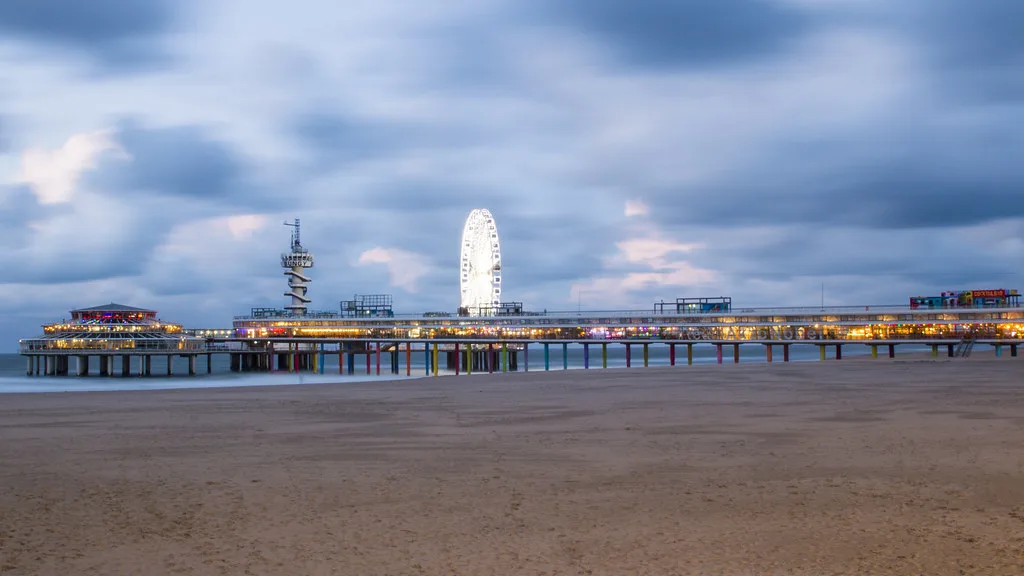
Staying in Scheveningen makes sense if you are visiting in summer and the beach is a priority. The Kurhaus, built in 1885 right on the boardwalk, offers the classic grand hotel experience with sea views. The tradeoff is a 15-minute tram ride into the museums. For a budget option, look for apartments or smaller hotels in the Zeeheldenkwartier, a neighbourhood that has gentrified steadily and now has some of the best casual restaurants in the city. Check our Where to Stay in The Hague guide for current picks and price ranges.
The Hague has over 800 restaurants and bars reflecting more than 100 nationalities. Indonesian food deserves particular mention. The city has the largest Indische Nederlanders community in the country — Dutch citizens who repatriated from Indonesia after independence in 1949 and brought their cuisine with them. The result is an Indonesian food scene that is deeper and more authentic here than anywhere else in the Netherlands. Look for rijsttafel (a ceremonial spread of 15–25 small dishes) in the Transvaal and Schilderswijk neighbourhoods, where family-run warungs have operated for decades. Dishes like rendang, gado-gado, and sayur lodeh taste noticeably different here than in tourist-focused Indonesian restaurants in Amsterdam. For nightlife, the squares at Plein and Grote Markt are the liveliest spots in the center, while Paard hosts live music and club nights for a slightly younger crowd.
Frequently Asked Questions
Is The Hague better than Amsterdam for a day trip?
It depends on your interests. The Hague is better for art and beach access, while Amsterdam offers more canals and nightlife. I found The Hague much more relaxing and less crowded.
How many days do you need in The Hague?
Two days is the perfect amount of time. This allows one day for the historic center and museums, and a second day for the beach and dunes. One day is enough for the highlights.
Can you walk from The Hague Central Station to the Binnenhof?
Yes, it is a very easy ten-minute walk. The route is flat and takes you through a modern shopping district. You can also take a quick tram ride if you have heavy luggage.
The Hague is a sophisticated and varied destination that offers something for every traveler. Whether you want to see iconic art or relax by the sea, it delivers a high-quality experience. I believe it is one of the most underrated cities in Western Europe. Do not let its reputation as a political hub fool you into thinking it is boring.
Pack a light jacket for the coastal wind and prepare for some incredible Indonesian food in the Transvaal neighbourhood. The city is waiting to surprise you with its royal charm and modern energy. I hope this guide helps you plan a memorable visit to this Dutch gem. Enjoy your time exploring the City of Peace and Justice.