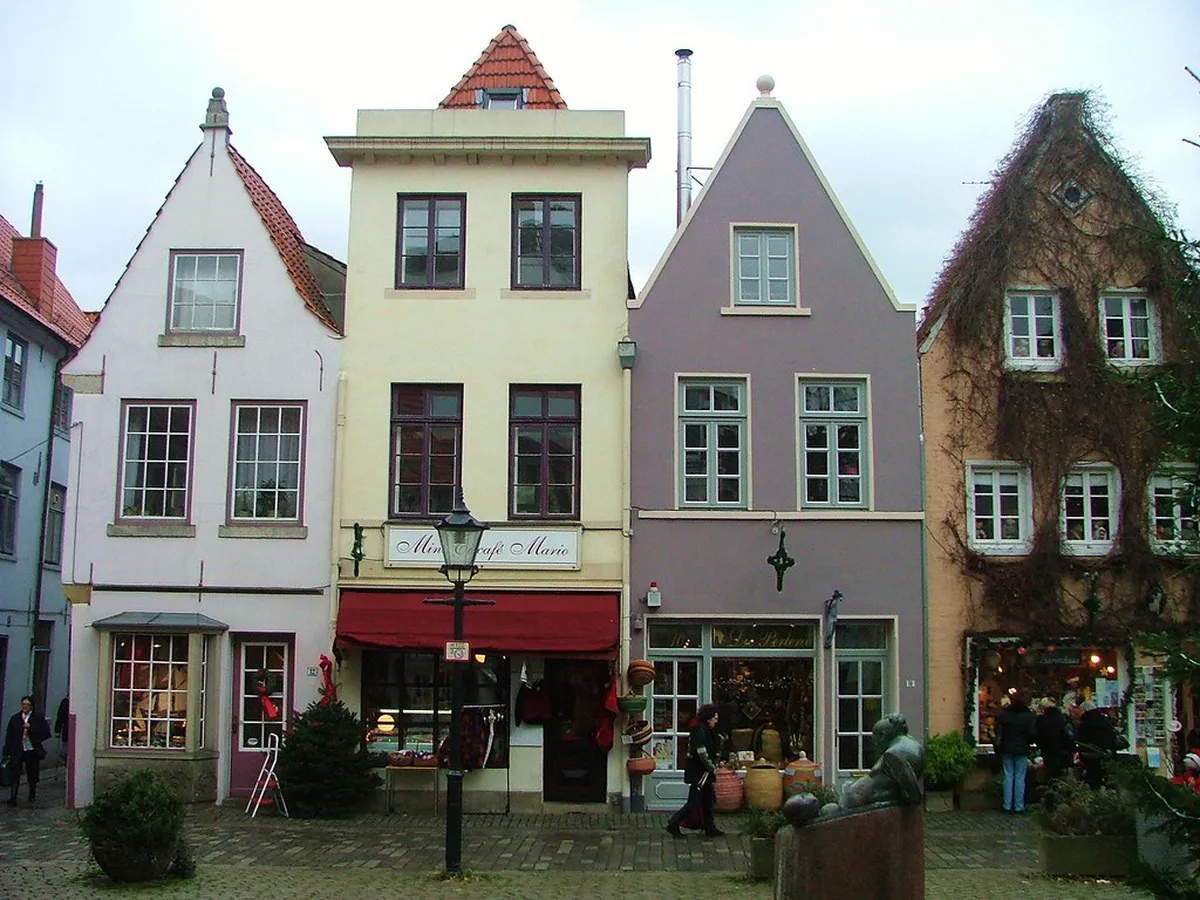
After living in Northern Germany for several years, I have found that Bremen serves as the perfect launchpad for regional exploration. The city is connected to the North Sea, historic Hanseatic neighbors, and quiet artist colonies by an incredibly efficient rail network. I have personally taken every trip on this list, often using the regional trains that depart hourly from the central station.
This guide was last refreshed in May 2025 to ensure all ferry schedules and ticket prices are current for the summer season. Whether you are a student using a semester ticket or a visitor with a Deutschland-Ticket, these escapes offer a break from the city. You can find more advice on living in Bremen through local university resources.
Northern Germany is famous for its 'Moin Moin' greeting and its unpredictable weather, so packing a raincoat is always my first tip. From the red cliffs of Heligoland to the misty moors of Worpswede, the variety of landscapes within two hours is surprising. Before heading out, check my guide on the best time to visit Bremen city to align your trips with the local climate.
10 Best Day Trips From Bremen (2025)
Turn this guide into a personal route with our free bremen itinerary planner.
The destinations surrounding Bremen range from industrial maritime hubs to serene nature reserves protected by UNESCO. Choosing the right trip depends heavily on your interest in history, art, or the unique geography of the Wadden Sea. I have grouped these picks to include iconic landmarks, quiet villages, and big-city experiences for a balanced itinerary.
Most of these locations are reachable within 45 to 90 minutes via the regional train network managed by Deutsche Bahn. If you are traveling in a group, the Niedersachsen-Ticket remains the most cost-effective way to explore the entire state. I recommend starting your journey early from Bremen Hauptbahnhof to maximize your time at the coast or in the galleries.
While many visitors stick to the city center, the true soul of the North is found in its small harbor towns and peat bogs. The following list highlights the absolute best spots that offer a distinct contrast to the medieval streets of the Schnoor. For a comprehensive overview of the city itself, see the Bremen itinerary. Ensure you check the getting around Bremen to understand how to reach the main station from your accommodation.
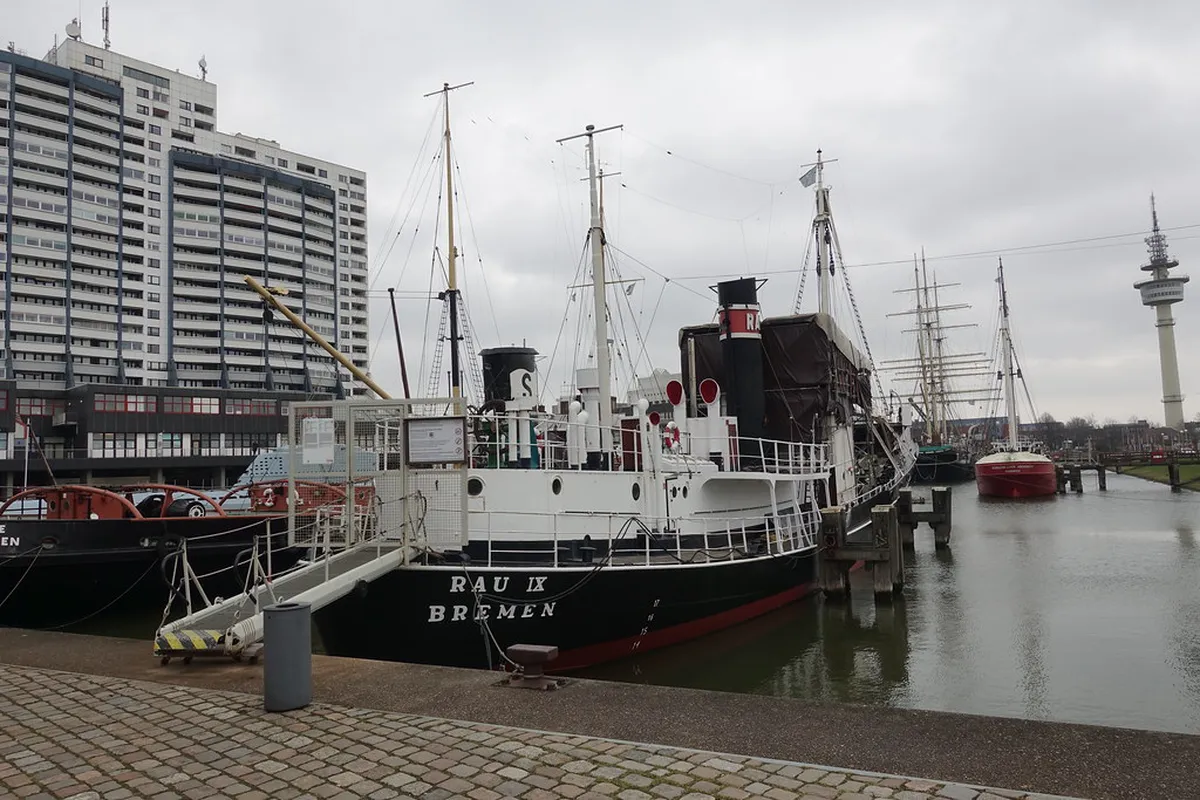
- Bremerhaven Havenwelten Maritime District
- This seaside city features world-class museums like the German Emigration Center and the Klimahaus 8° Ost, both showcasing Northern Europe's maritime heritage and cultural crossroads.
- Expect to pay between €15 and €21 for adult museum entry, with most sites open daily from 10 am to 6 pm.
- The regional train takes just 35 minutes, and I suggest visiting the viewing platform at SAIL City for the best harbor views.
- Worpswede Artist Village and Teufelsmoor
- Located in the 'Devil's Moor,' this village has been a haven for painters and sculptors for over a century.
- Gallery day passes usually cost around €12, and the historic Torfkahn peat boats operate seasonally from April to October.
- Take the bus 670 from Bremen main station for a 50-minute ride into this misty, atmospheric landscape.
- Hamburg Speicherstadt and Harbor Front
- Germany's second-largest city offers the world's largest warehouse district and the stunning Elbphilharmonie concert hall.
- Walking the public plaza of the Elbphilharmonie is free, though harbor cruises typically cost between €18 and €25 per person.
- The Metronom train connects Bremen to Hamburg in 55 to 75 minutes, making it an easy and frequent connection.
- Cuxhaven and the Wadden Sea
- This coastal town is the gateway to the UNESCO World Heritage Wadden Sea, where you can walk on the ocean floor at low tide.
- Guided mudflat hikes cost roughly €10, and you should check the tide calendar carefully before venturing out.
- Trains run hourly from Bremen, taking about 90 minutes to reach the sandy beaches and the iconic Kugelbake landmark.
- Heligoland Remote Offshore Island
- Germany's only high-sea island is famous for its red sandstone cliffs and the 'Lange Anna' rock needle.
- The high-speed catamaran from Cuxhaven costs between €80 and €110 return, typically departing at 11:30 am.
- I recommend this for the duty-free shopping and the unique chance to see seals on the nearby Düne island.
- Fischerhude Historic Village
- This quiet village is filled with thatched-roof houses and narrow streams, offering a more rustic alternative to Worpswede.
- Visiting the local Otto Modersohn Museum costs €8, while exploring the winding nature paths along the Wümme river is free.
- It is best reached by a 30-minute bike ride or a local bus, and the blueberry cake at local cafes is legendary.
- Oldenburg Schlossgarten and Old Town
- Oldenburg is a former ducal residence featuring a grand palace, lush botanical gardens, and a vibrant pedestrian shopping zone.
- Entry to the State Museum for Art and Cultural History is €6, with the gardens open daily until dusk.
- The train ride is only 30 minutes, making it the most convenient trip for those who enjoy architecture and boutique shopping.
- Harriersand River Island Beaches
- As one of Europe's longest river islands, Harriersand offers sandy beaches and great views of the passing giant container ships.
- The small passenger ferry from Brake costs about €4 for a return trip and runs frequently during the summer months.
- I once spent an entire afternoon here watching ships; just remember that the last ferry usually leaves around 6 pm.
- Dangast Jade Bay Art Village
- Dangast is a quirky coastal spa town known for its artistic flair and the famous Dan'gast Quellbad saltwater pool.
- Access to the beach is free, while the thermal baths cost around €12 for a standard day session.
- You can reach it by taking a train to Varel and then a short connecting bus to the seafront.
- Lüneburg Medieval Salt City
- This Hanseatic city survived WWII intact, leaving a stunning cityscape of gabled houses and historic salt production sites.
- The German Salt Museum charges €7 for entry, and the town is best explored on foot between 9 am and 6 pm.
- The train journey takes about 90 minutes, often requiring a quick change in Hamburg or Harburg.
Is Heligoland Worth the Long Ferry Trip?
Heligoland is often the most debated day trip because of the significant travel time and the high cost of the ferry. If you enjoy unique geology and birdwatching, the sight of the red cliffs rising from the sea is absolutely worth the effort. The island is car-free, which creates a peaceful atmosphere that feels worlds away from the mainland bustle.
Shoppers often flock here for duty-free alcohol, perfume, and tobacco, which can offset the price of the catamaran ticket. I suggest booking the Halunder Jet in advance during the summer, as it is the fastest way to reach the island from Cuxhaven. For more information on student life and regional travel budgets, see the scholarships and student life page.
One practical quirk is the 'booting' process, where smaller wooden boats ferry passengers to the island if the main ship cannot dock. The weather in the North Sea can be rough, so those prone to seasickness should check the wind forecast before booking. If you decide to go, make sure to try the Heligoland lobster, which is a local delicacy protected by strict fishing regulations.
Essential Transport Tips for Regional Travel
Navigating the transport system is easy once you understand the difference between local and long-distance trains. The Deutschland-Ticket is currently the best value at €49 per month, covering all regional trains and buses across Germany through Deutsche Bahn. For students, the Semester Ticket is a massive advantage as it allows for free travel within the entire state of Lower Saxony.
If you are a solo traveler without a monthly pass, the Niedersachsen-Ticket is your best friend for spontaneous day trips. It covers up to five people, with the price increasing slightly for each additional person added to the ticket. Always validate your ticket before boarding and keep a digital or physical copy of the getting around Bremen handy.
Bremen Hauptbahnhof is the central hub where almost all these journeys begin, and it is well-equipped with lockers and bakeries. I recommend arriving 15 minutes early to find your platform, as the station can be quite busy during the morning rush. Regional trains are marked with 'RE' or 'RB' prefixes, and they do not require seat reservations like the high-speed ICE trains.
What to Skip: Overrated Excursions Near Bremen
While many guides suggest the Waterfront shopping mall as a destination, I find it lacks the character of the city's historic districts. Unless you specifically need international chain stores, your time is better spent in the best things to do in Bremen guide's central spots. The mall is essentially a standard commercial space that you can find in any major European city.
I also suggest being cautious with large-scale amusement parks during the peak school holiday weeks in July and August. The wait times can exceed two hours for a single ride, which often ruins the relaxation of a day away from the city. Instead, look for smaller local festivals or the quiet river beaches of Harriersand for a more authentic Northern German experience.
Finally, avoid taking the car to Hamburg on a weekday morning, as the traffic on the A1 motorway is notoriously congested. The train is almost always faster and allows you to avoid the high parking fees in Hamburg's city center. Focusing on the rail-accessible gems ensures a stress-free trip that aligns with the sustainable travel culture of the region.
Frequently Asked Questions
Can I use the Bremen Semester Ticket for day trips?
Yes, the Semester Ticket covers all regional trains (RE, RB, S-Bahn) within Lower Saxony and Bremen. You can reach destinations like Hamburg, Oldenburg, and Cuxhaven for free. Always carry your student ID for inspection.
What is the best day trip for families with children?
Bremerhaven is the top choice for families due to the interactive Klimahaus and the Zoo am Meer. Most attractions are clustered together, making it easy to navigate with strollers. Kids usually enjoy the harbor boat tours.
Is the Wadden Sea accessible year-round?
You can see the Wadden Sea anytime, but mudflat hiking is best from May to September. In winter, the winds are very cold and the tides are less predictable. Always check the official tide tables before walking.
Bremen is more than just its famous town musicians; it is a gateway to the diverse beauty of the German North. Whether you choose the artistic silence of Worpswede or the maritime energy of Bremerhaven, each trip offers a new perspective. I encourage you to use the regional rail network to its full potential during your stay in the city.
Remember to pack for the weather and keep your transport passes ready for the frequent ticket checks on regional lines. For more planning help, check out my this Bremen itinerary guide to organize your time within the city limits. Enjoy your travels across Lower Saxony and the beautiful Hanseatic coast.
Related reads