
The town musicians of bremen represent one of the most beloved stories from the Brothers Grimm collection. This classic tale follows four aging animals who decide to start a new life as performers in a famous city. While the donkey, dog, cat, and rooster never actually reached the gates, they became the ultimate symbols of Bremen. Visitors today flock to the historic city center to see the iconic bronze statue and experience the local magic.
Exploring this destination offers a perfect mix of literary history and charming German architecture. You can walk through narrow cobblestone streets and discover hidden tributes to these brave animal friends. This guide will help you find the best sights and understand the deeper meaning behind the legendary story. Prepare for a journey that blends childhood wonder with the vibrant culture of a modern Hanseatic port.
A Grimm Fairy Tale: The Story of the Four Animals
Turn this guide into a personal route with our free bremen itinerary planner.
The narrative begins with a donkey who is too old to work on his master's farm anymore. He decides to run away to find a new career as a musician in the city of Bremen. Along the road, he meets a dog, a cat, and a rooster who all face similar fates of abandonment. These four companions form an unlikely band, united by their hope for a better future in a new place.
According to The Original Story, the animals never intended to be heroes. They simply wanted to escape the harsh reality of their previous lives through the power of music. Their journey highlights themes of friendship and resilience that still resonate with readers of all ages today. Understanding this plot is essential before you stand in front of the famous bronze sculpture near the Town Hall.
The group eventually finds a cottage in the woods that is occupied by a band of greedy robbers. Instead of fighting with weapons, the animals use their voices to create a terrifying and loud noise. This clever tactic scares the thieves away and allows the animals to claim the house as their own. They find so much comfort in this new home that they decide to stay there forever.
Planning Your Visit: Hours in Bremen and Best Times
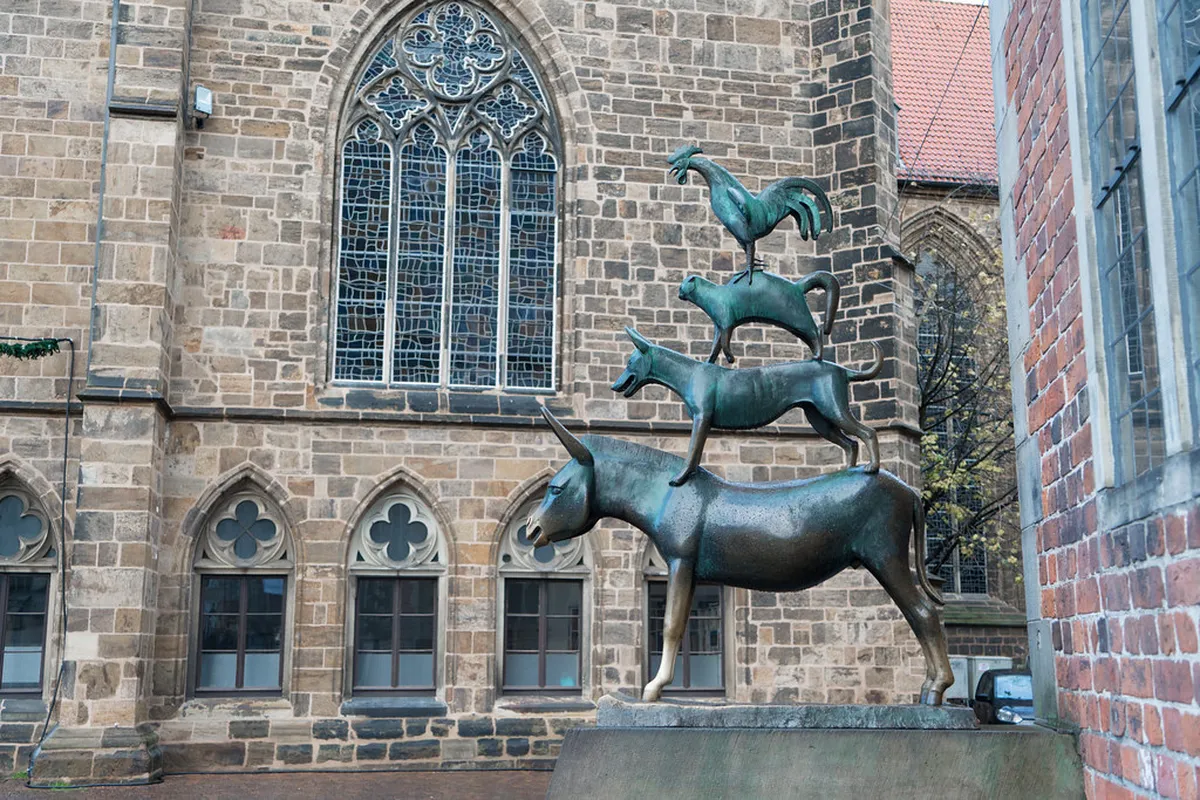
The famous bronze statue is located outdoors and is accessible to the public 24 hours a day. You do not need a ticket to view the landmark, making it a budget-friendly stop on any itinerary. Early morning is the best time to visit if you want to take photos without large tour groups. The soft morning light also highlights the details of the animal pyramid designed by Gerhard Marcks.
Consider checking the Bremen Tourism Official Site for seasonal events and guided walking tours. Winter visitors can enjoy the statue alongside the festive atmosphere of the local Christmas market. Spring and fall offer mild weather that is perfect for exploring the nearby this Bremen itinerary guide on foot. Summer months bring the most crowds, so plan your visit for late evening to enjoy a quieter experience.
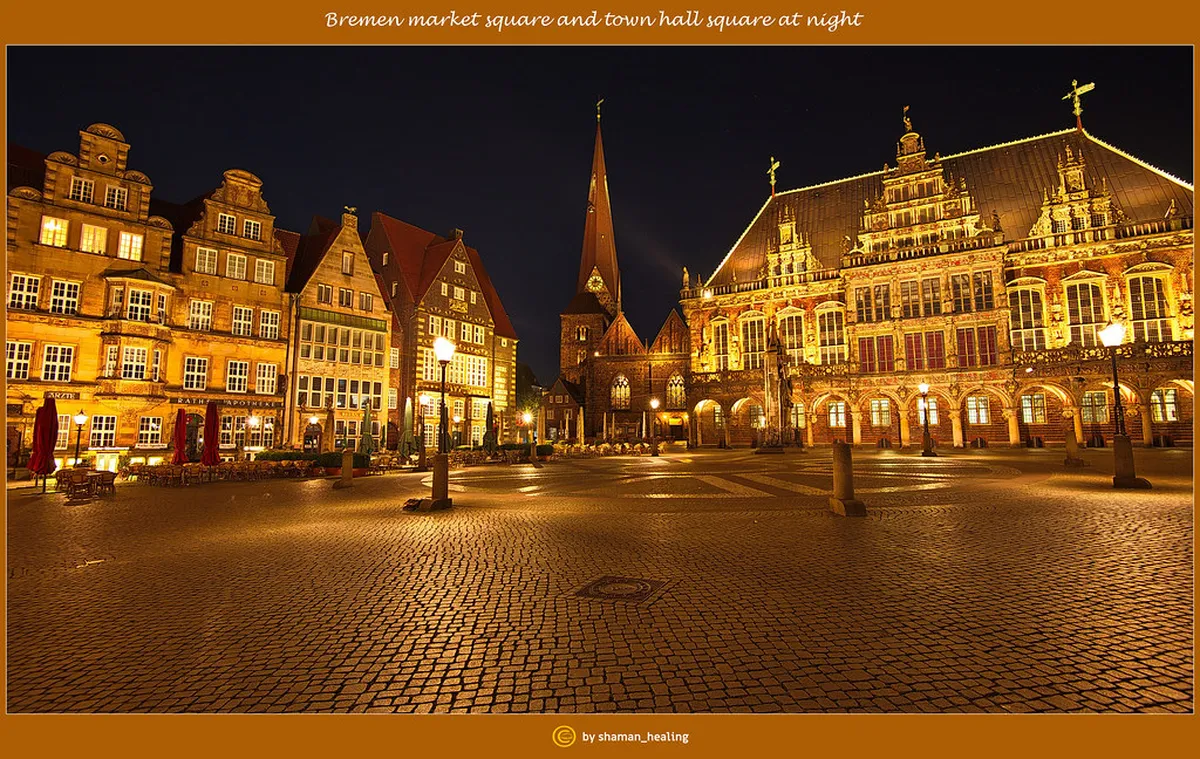
Finding the right time to visit depends on your preference for atmosphere and local weather conditions. Consult a guide on the best time to visit Bremen city to align your trip with your interests. Evening walks are particularly magical when the historic buildings around the Marktplatz are beautifully illuminated. Always wear comfortable shoes because the historic center features many uneven cobblestone paths.
You Might Also Be Interested In... (Nearby Sights)
The statue of the town musicians of bremen is just one part of the historic city center. Directly next to the animals stands the magnificent Town Hall, which is a UNESCO World Heritage site. This building features stunning Weser Renaissance architecture and houses one of the oldest wine cellars in Germany. You should also look for the giant Roland Statue, which symbolizes the city's freedom and independence, as documented in the Town Musicians of Bremen Wikipedia entry.
A short walk away leads you to St. Peter's Cathedral with its towering spires and ancient crypts. Many travelers find that these landmarks offer a deeper look into the rich history of the Hanseatic League. If you want to see more, check out the things to do in Bremen for a full list. The nearby Böttcherstrasse is also a must-see for its unique brick expressionist art and gold entrance relief. You can also explore the best day trips from Bremen to extend your cultural adventure beyond the city center.
- Top Sights Near the Statue
- Location: Marktplatz (Market Square)
- Key Landmark: UNESCO Town Hall
- Symbol: Roland Statue
- Art: Böttcherstrasse
Literary History: Grimm’s Household Tales and Illustrations
The story gained massive popularity through various editions of Grimm’s Household Tales over the last two centuries. In 1901, a specific edition illustrated by R. Anning Bell helped define the visual identity of the animals. These early drawings captured the weary yet hopeful expressions of the donkey and his musical friends. Collectors often seek out these vintage versions to see how the artistic style has evolved over time.
Rie Cramer also provided famous illustrations that brought a whimsical touch to the classic German fairy tale. Her work emphasized the bright colors and folk elements that appeal to children and adults alike. The Bremen Literature House often hosts events that celebrate this rich artistic and literary heritage. Studying these illustrations reveals how the story became a global phenomenon beyond the borders of Germany.
The Journey: Four Unlikely Animal Friends and a Musical Calling
The tale of the town musicians of bremen serves as a powerful metaphor for aging and social displacement. Each animal is cast out because they can no longer perform their traditional labor-intensive duties. The "musical calling" represents a search for dignity and a new purpose in a changing world. By choosing music, the animals reclaim their voices and refuse to be silenced by their former masters.
This theme of solidarity among outcasts is what makes the story so enduring and relatable today. The animals prove that individuals can overcome great challenges by working together toward a common goal. Their journey to Bremen is less about a physical location and more about the pursuit of freedom. Modern readers often find inspiration in the way these four friends support each other through difficult times.
The Confrontation: How the Animals Outsmarted the Thieves
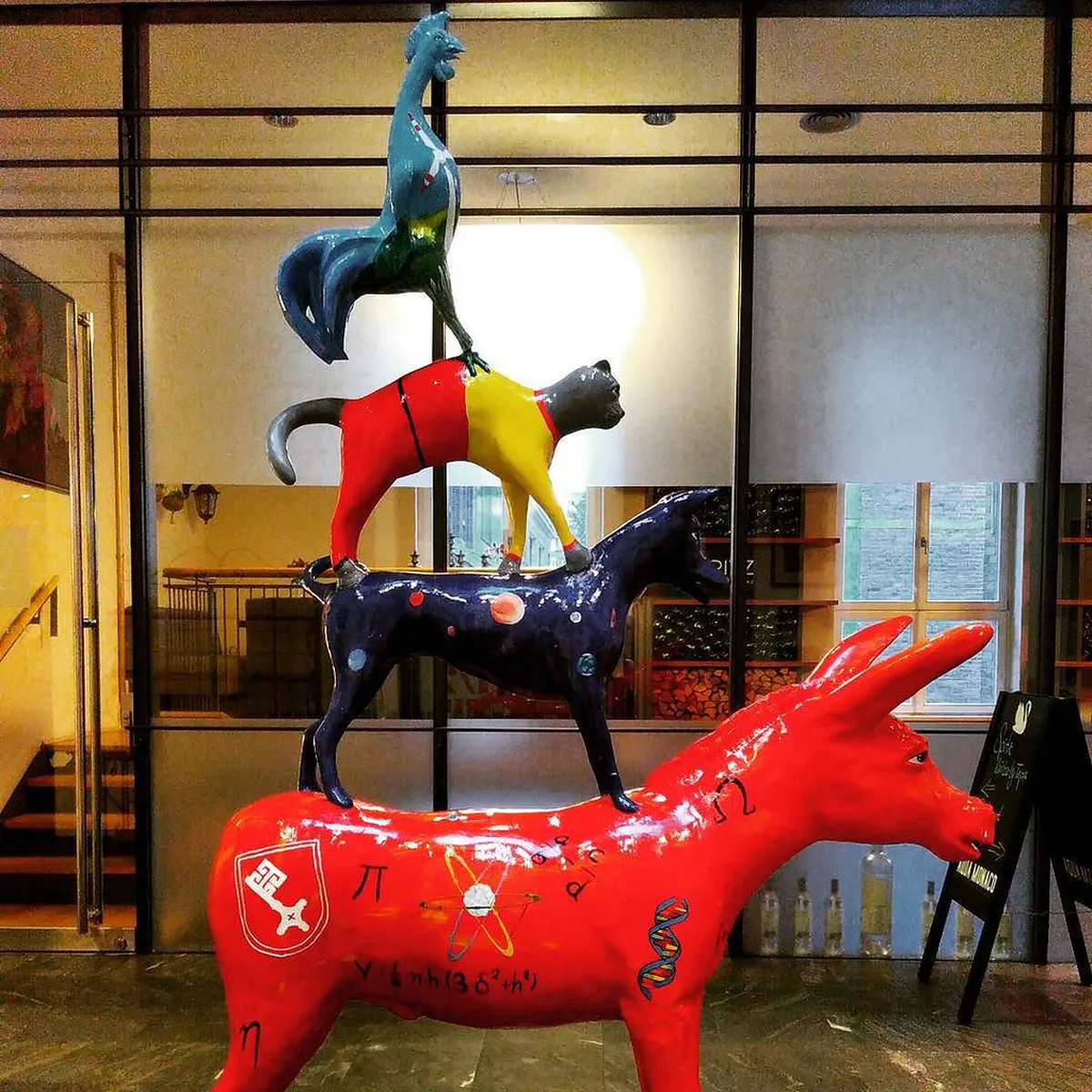
The climax of the story occurs when the animals reach a cottage and see robbers eating a feast. They decide to stand on top of each other to look like a giant, terrifying monster. The donkey stands on the ground, the dog on the donkey, the cat on the dog, and the rooster on top. When they all begin to make their loud noises at once, the robbers flee in absolute terror.
Local folklore suggests that the animals used specific "scare tactics" rooted in old German village traditions. The robber captain later returned to the house only to be scratched, bitten, and kicked in the dark. He told his companions that a horrible witch and a giant had taken over their secret hideout. This humorous ending ensures that the animals can live out their days in peace and total comfort.
Reaching the City: Why They Never Actually Entered Bremen
A famous irony of the story is that the animals never actually set foot inside the city of Bremen. They found everything they needed in the robber's cottage and decided to abandon their original travel plans. However, the city adopted them as their own because of their brave spirit and musical ambitions. This connection shows how a dream can define a place even if the journey ends prematurely.
Travelers who visit the city today are essentially completing the journey that the animals started long ago. The statue serves as a symbolic welcome for those who appreciate the values of the fairy tale. Bremen has transformed the story into a central part of its cultural identity and tourism branding. You can find these four friends on everything from official city seals to colorful local souvenirs.
Tales From Grimm: Translations and the Wanda Gag Influence
The 1936 translation by Wanda Gag played a major role in bringing the tale to English-speaking audiences. She was a famous artist and author who understood the rhythm and humor of the original German text. Her version emphasized the personality of each animal, making them feel like distinct and lovable characters. This translation helped solidify the story's place in the canon of classic international children's literature.
Gag's unique woodcut-style illustrations also added a layer of depth and mystery to the animal's forest adventure. Many modern English versions of the story still draw inspiration from her creative and faithful interpretation. The global reach of the town musicians of bremen owes much to these talented translators and artists. Today, the story is available in dozens of languages, connecting children from all over the world to Bremen.
Finding the Statue: "I'm Going to Bremen to Become a Town Musician"
The most famous tribute to the animals is the bronze statue created by Gerhard Marcks in 1953. It stands prominently on the western side of the Town Hall and is a favorite photo spot. You will notice that the donkey's front legs are shiny and gold due to constant touching. Local tradition says that rubbing the legs will bring you good luck for the rest of your trip.
There is a very specific rule you must follow when performing this local luck ritual at the statue. You must rub the donkey's legs with both hands at the same time to ensure the magic works. Locals joke that using only one hand is like "one donkey shaking hands with another" person. Be sure to follow this etiquette to show respect for the city's most famous and beloved residents.
- The Luck Ritual Steps
- Step 1: Approach the donkey's front legs
- Step 2: Use both hands simultaneously
- Step 3: Make a silent wish for luck
- Step 4: Take a commemorative photo
A Cosmopolitan Legacy: The Story's Modern Meaning in Bremen
Bremen is known as a cosmopolitan city with a long tradition of welcoming people from all walks of life. The story of the four animals perfectly reflects this inclusive and international Hanseatic spirit. Just like the musicians, the city prides itself on being a place where anyone can find a home. This welcoming atmosphere is evident as you explore the vibrant neighborhoods and the bustling riverfront.
Do not miss the "Singing Manhole" located near the parliament building in the center of the square. If you drop a coin into the slot, you will hear the sounds of the four animals performing. The money collected from this unique musical manhole goes toward supporting local charitable projects in the city. It is a fun and interactive way to experience the legacy of the town musicians of bremen firsthand.
After seeing the sights, enjoy a walk along the Schlachte Embankment for some must-try Bremen food and drinks. The old quarter of Schnoor offers a contrast with its tiny houses and winding medieval alleys. Bremen is easy to navigate using the getting around Bremen for tram and bus routes. The city remains a top destination for those who love history, fairy tales, and a friendly urban vibe.
Frequently Asked Questions
Where can I find the Bremen Town Musicians statue?
The famous bronze statue is located on the western side of the Bremen Town Hall in the Marktplatz. It is easily accessible on foot from the main train station. You can find more details in our best things to do in Bremen guide.
How much time should you plan for the Town Musicians of Bremen?
You only need about 15 to 30 minutes to view the statue and take photos. However, you should allow at least half a day to explore the surrounding UNESCO sites and the historic Schnoor quarter. Most visitors combine this stop with a full city walk.
Is the Town Musicians of Bremen statue worth seeing?
Yes, the statue is the most iconic landmark in the city and a symbol of local culture. It is completely free to visit and offers a great photo opportunity. The surrounding architecture of the Market Square makes the visit even more rewarding for travelers.
What is the singing manhole in Bremen?
The Bremer Loch is a manhole cover near the state parliament that plays the sounds of the animals. When you drop a coin inside, you hear the donkey, dog, cat, or rooster. It is a charming way to support local charities while enjoying the fairy tale.
The town musicians of bremen continue to inspire visitors with their story of hope and friendship. From the historic bronze statue to the singing manhole, the city celebrates these four animals in many ways. Your visit to this Hanseatic gem will be filled with architectural beauty and literary charm. Make sure to rub the donkey's legs with both hands to bring some extra luck to your journey.
Bremen offers a unique travel experience that combines world-class history with a touch of childhood magic. Whether you are a fan of the Brothers Grimm or a history buff, this city has something special for you. Plan your trip today and discover why these four unlikely musicians are so important to the local people. The spirit of the fairy tale lives on in every corner of this welcoming and vibrant German city.