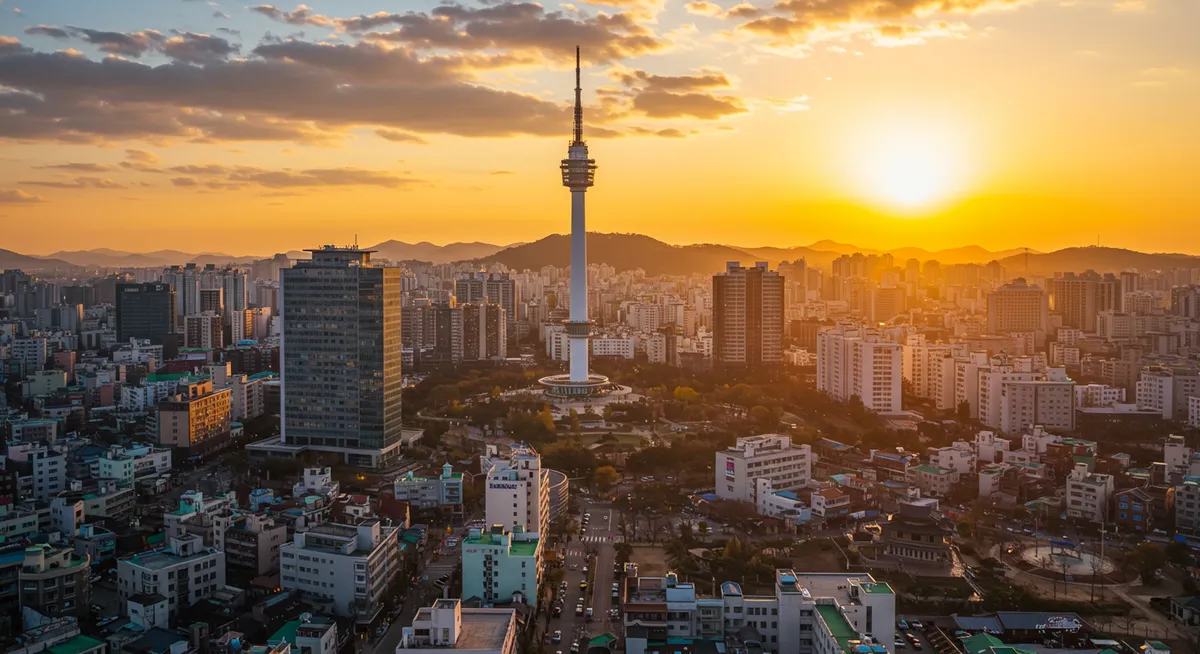
TL;DR: Yes, Daegu is absolutely worth visiting in 2026. South Korea's fourth-largest city delivers incredible street food, uncrowded temples, accessible mountain hikes, and a relaxed local atmosphere — all at lower prices than Seoul or Busan. Spend 2-4 days here for the best experience.
Most South Korea itineraries jump straight from Seoul to Busan with maybe a Jeju detour. Daegu rarely makes the shortlist, which is precisely what makes it so rewarding. After multiple visits, I consider this southeastern metropolis one of the most underrated destinations in the country. If you are building a South Korea trip for 2026, here is an honest breakdown of what Daegu offers and whether it deserves a spot on your route.
Culture and History That Rivals Bigger Cities
Turn this guide into a personal route with our free Daegu itinerary planner.
Daegu punches well above its weight when it comes to cultural depth. Donghwasa Temple, perched on the slopes of Palgongsan Mountain, houses a towering stone Buddha and dates back to 493 CE. Unlike the temple complexes near Seoul that draw tour-bus crowds, Donghwasa feels genuinely peaceful — you can explore its courtyards and prayer halls at your own pace even during peak season.
The city's Modern History Street (근대골목) is another standout. This walking trail winds through early-20th-century alleyways, passing preserved colonial-era buildings, missionary houses, and the Gyesan Cathedral. It tells the story of Korea's turbulent modern era through architecture rather than museum displays, making it one of the more engaging historical walks I have done in Korea.
For traditional markets, Seomun Market has operated since the Joseon Dynasty and remains a living, thriving marketplace — not a tourist recreation. The night market section buzzes with local energy every evening, and you will find handmade textiles, herbal medicines, and street food stalls run by vendors who have been there for decades. Check our full guide on things to do in Daegu for a complete cultural itinerary.
A Street Food Scene That Stands on Its Own
Daegu's food culture is reason enough to visit. The city has its own distinct culinary identity, separate from Seoul's trendy fusion scene or Busan's seafood focus. Here are the signature dishes you should not miss:
- Makchang (막창) — Grilled pork intestines seasoned and charcoal-cooked until crispy. Daegu is the undisputed capital of makchang in Korea, and Anjirang Gopchang Alley is ground zero for the best versions.
- Napjak Mandu (납작만두) — Thin, pan-fried flat dumplings unique to Daegu. Crispy on the outside with a savory filling, these are sold at market stalls throughout the city.
- Ttaro Gukbap (따로국밥) — A rice-and-soup dish served separately (hence "ttaro," meaning apart). This Daegu specialty lets you control the ratio and is a hearty, affordable meal.
- Dongseongno Street Food — The main shopping district transforms into a street food paradise in the evening, with everything from hotteok to tornado potatoes.
What sets Daegu apart is that these are not dishes repackaged for tourists. The best makchang restaurants are packed with Korean families celebrating birthdays and office workers unwinding after long days. The food scene here is authentic in a way that is increasingly hard to find in heavily touristed cities. Plan your food trail with our suggested Daegu itinerary.
Mountain Hikes and Nature Without Leaving the City
Geography is one of Daegu's biggest assets. The city sits in a basin surrounded by mountains on nearly every side, which means serious hiking trails are a short subway or bus ride from downtown.
Palgongsan Provincial Park is the headline act. The main ridge hike covers roughly 8 kilometers and rewards you with panoramic views of the Nakdong River basin. The trail to Gatbawi — a stone Buddha wearing a distinctive flat-topped hat — is particularly popular because locals believe it grants one wish. Arrive early on weekends if you want to beat the crowds at the summit.
Apsan Park is more accessible for casual hikers. A cable car takes you partway up, and the observation deck delivers some of the best nighttime city views in all of South Korea. During autumn (late October to mid-November), the maple foliage across Apsan turns vivid red and orange, making it one of the most scenic urban hikes in the country.
For something gentler, Suseongmot Lake offers a flat walking path popular with joggers and families, with cafes lining the waterfront. It is a good spot to decompress after a day of exploring. To time your visit right, read our guide on the best time to visit Daegu.
Practical Advantages: Budget, Transport, and Crowds
Beyond the sightseeing highlights, Daegu has real practical advantages that make it appealing for 2026 travelers:
- Lower costs: Hotel rates in Daegu run 30-50% cheaper than equivalent options in Seoul. A quality Korean BBQ dinner for two rarely exceeds 30,000 KRW, and public transit fares are the same as the capital.
- Efficient metro system: Three subway lines cover most attractions and neighborhoods. You can get from the KTX station to Dongseongno in under 15 minutes.
- KTX connectivity: Daegu sits on the main KTX high-speed rail line. Seoul is 1 hour 40 minutes away; Busan is just 45 minutes. This makes Daegu easy to slot into any multi-city South Korea trip.
- Minimal tourist crowds: Even at major attractions like Donghwasa or Seomun Market, you will rarely encounter the kind of congestion common at Gyeongbokgung or Gamcheon Village. This translates to shorter waits, more authentic interactions, and better photos.
For first-time visitors, our Daegu for first-timers guide covers everything from neighborhoods and food to practical tips, while our Daegu transport guide breaks down every option in detail. And if you are wondering where to base yourself, check our where to stay in Daegu guide for the best neighborhoods and hotels.
Who Should (and Should Not) Visit Daegu
Daegu is an excellent fit if you value authentic local experiences over Instagram-famous landmarks. It rewards curiosity — the best moments come from wandering a market alley, striking up a conversation at a makchang restaurant, or stumbling onto a neighborhood temple you did not plan to visit.
That said, Daegu may not be the right choice if you are looking for beaches (Busan is better), high-end nightlife (Seoul wins), or tropical scenery (head to Jeju). It is also one of the hottest cities in South Korea during summer — July and August temperatures regularly push past 35°C. If you are visiting during those months, plan indoor activities for midday.
The sweet spot is spring (April-May) or autumn (October-November), when temperatures are comfortable and the mountain scenery is at its peak. For a deeper exploration, our Daegu 3-day itinerary covers the ideal pacing.
Day Trips That Extend Your Daegu Experience
Daegu's central location in the Gyeongsang region makes it a natural base for exploring surrounding areas. Gyeongju, the ancient Silla Dynasty capital, is just over an hour away by bus and offers royal tombs, lakeside temples, and one of the most important archaeological zones in Asia. Haeinsa Temple, home to the UNESCO-listed Tripitaka Koreana woodblocks, is reachable in about 90 minutes.
Closer to the city, the Upo Wetland — Korea's largest inland marshland — provides excellent birdwatching and a completely different landscape from the urban core. For a comprehensive list, see our guide to day trips from Daegu.