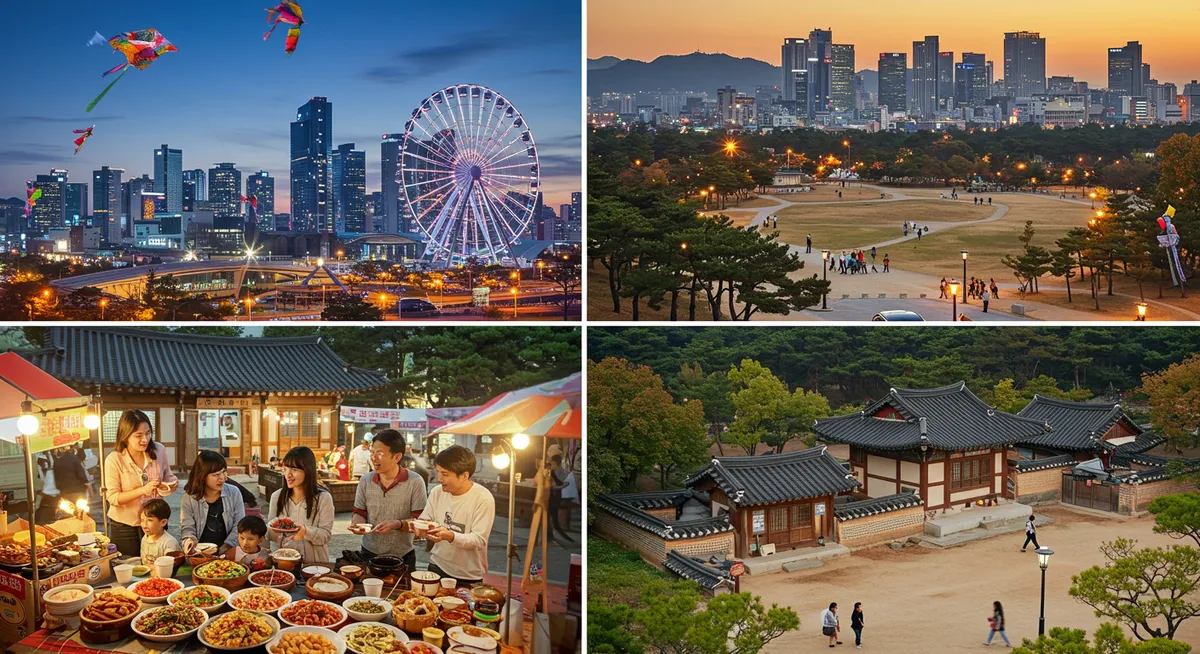
TL;DR: Daegu blends centuries-old temples, lively night markets, and stunning mountain trails into one of South Korea's most underrated destinations. In 2026 highlights include the revamped Seomun Night Market, the Donghwasa Temple lantern festival, and newly expanded hiking routes on Apsan and Palgongsan. Budget two to four days, arrive via KTX from Seoul in under two hours, and use this guide to plan every stop.
Why Daegu Deserves a Spot on Your 2026 Korea Itinerary
Turn this guide into a personal route with our free Daegu itinerary planner.
South Korea's fourth-largest city sits in a basin ringed by mountains, earning it the nickname "Apple City" for the orchards that once filled the surrounding valleys. While Seoul and Busan draw most international visitors, Daegu rewards travelers with shorter queues, lower prices, and a distinctive regional culture. The city served as a key hub during the Korean War and later became the textile capital of the country — layers of history that still surface in its architecture and museums. In 2026 the local government has expanded its English-language signage and launched new cultural walking tours, making it more accessible than ever. If you are still weighing the decision, our detailed breakdown of whether Daegu is worth visiting covers costs, safety, and logistics.
Immerse Yourself in Daegu's History and Culture
Daegu's cultural depth is one of its greatest strengths. Start at Donghwasa Temple on the slopes of Palgongsan Mountain. Founded in 493 CE, the complex features the 33-metre Tongil Daebul — one of the largest stone Buddha statues in the world. The temple hosts a lantern-lit evening ceremony during the annual Buddha's Birthday celebration in May 2026, an experience that alone justifies a visit.
Walk the Daegu Modern History Streets in the Gyeongsang-gamyeong neighborhood to see early-20th-century missionary houses, colonial-era churches, and repurposed heritage buildings that now host cafes and galleries. Nearby, the Daegu Yangnyeongsi Museum of Oriental Medicine traces the city's 350-year-old herbal medicine market. Hands-on exhibits let you blend your own herbal tea and learn about traditional Korean wellness practices.
Art lovers should visit the Daegu Art Museum (DAM), which rotates contemporary Korean exhibitions throughout the year. The museum's sculpture garden is free to enter and offers a peaceful break between sightseeing stops. For a deeper cultural immersion, plan your days around our Daegu 3-day itinerary, which sequences these sites to minimize backtracking.
Explore Daegu's Markets and Shopping Districts
Seomun Market has operated since the Joseon Dynasty and remains one of Korea's top five traditional markets. By day, vendors sell textiles, dried seafood, and household goods across several multi-storey buildings. By night — specifically from Thursday to Saturday — the Seomun Night Market transforms the surrounding streets into a food festival with over 80 stalls. Must-try bites include 납작만두 (flat dumplings), grilled skewers, and Daegu-style eomuk (fish cakes).
For modern retail therapy, head to Dongseongno, a pedestrian-friendly shopping strip packed with Korean fashion brands, cosmetics shops, and bubble tea stands. Nearby Banwoldang underground shopping center connects directly to the subway, making it easy to browse even on rainy days. Vintage hunters should explore Kim Gwangseok Street, a mural-lined alley dedicated to the beloved Korean folk singer, dotted with indie boutiques and record shops.
Hike the Mountains and Parks
Daegu sits in a natural amphitheatre formed by Apsan to the south and Palgongsan to the north, giving hikers direct access to well-maintained trails from the city centre. Apsan Park offers an easy cable-car ride to a viewpoint, or a moderately challenging 2.5-kilometre summit trail that rewards you with a panoramic cityscape — especially stunning at sunset. In 2026 the Apsan Skywalk extension adds a glass-bottomed observation platform at 500 metres elevation.
Palgongsan Provincial Park is more ambitious: the Gatbawi trail climbs roughly 600 metres to reach a famous stone Buddha believed to grant one wish. The route is steep but well-stepped, taking about 90 minutes one-way. Spring cherry blossoms and autumn foliage season (late October to early November) are peak times. For the best weather window, check our guide on the best time to visit Daegu.
Suseongmot Lake provides a flat, family-friendly alternative. A 2-kilometre walking path circles the lake, and pedal boats are available from April through October. Evening light shows play across the fountain in summer, drawing locals and visitors alike.
Savour Daegu's Signature Food Scene
Daegu's culinary identity revolves around bold, spicy flavours. The city claims three iconic dishes every visitor should try:
- Makchang-gui (막창구이) — Grilled pork intestines seasoned with salt and served with ssamjang dipping sauce. Ansim-dong Makchang Alley is the epicentre, with dozens of specialist restaurants firing up charcoal grills each evening.
- Jjim-galbi (찜갈비) — Braised beef short ribs in a fiery red sauce, slow-cooked until fall-off-the-bone tender. Dongindong Jjim-galbi Street is the original cluster, open since the 1970s.
- 납작만두 (flat mandu) — Pan-fried dumplings unique to Daegu, crispy on the outside and stuffed with glass noodles and vegetables. Best sampled at Seomun Market.
Beyond the big three, Daegu has a rising specialty-coffee scene centred on Suseong-gu and the streets near Kyungpook National University. Third-wave roasters serve single-origin pour-overs alongside traditional Korean desserts like hotteok (sweet pancakes) and bingsu (shaved ice). For bakery fans, Samsong Bakery — operating since 1957 — sells its legendary bread rolls that have become a Daegu souvenir in their own right.
Day Trips and Nearby Excursions
Daegu's central location in the Gyeongsang region makes it an ideal base for day trips. Gyeongju, the ancient Silla Dynasty capital, is just 50 minutes away by express bus, offering royal tombs, Bulguksa Temple, and the Cheomseongdae observatory. Haeinsa Temple, home to the UNESCO-listed Tripitaka Koreana woodblocks, is reachable in about 90 minutes by bus. Closer to home, Biseulsan county park features dramatic ice formations in winter and wildflower fields in spring. For a full list of options, see our guide to the best day trips from Daegu.
Practical Tips for Visiting Daegu in 2026
Getting to Daegu is straightforward. The KTX high-speed train from Seoul Station takes about 1 hour 40 minutes, with departures every 30 minutes. Daegu International Airport handles domestic flights and seasonal routes to Japan and Southeast Asia. Within the city, the two-line subway system covers most tourist areas, and the T-money card works on all buses and trains.
Budget travellers can expect to spend around 80,000 to 120,000 KRW per day (roughly USD 55-85) covering accommodation in a guesthouse, street-food meals, and public transport. Mid-range hotels near Dongseongno run 70,000 to 130,000 KRW per night. For neighbourhood-by-neighbourhood accommodation advice, read our guide on where to stay in Daegu. If this is your first visit, our Daegu for first-timers guide covers transport, safety, and budgeting essentials in one place.
Frequently Asked Questions
Is Daegu worth visiting for tourists in 2026?
What is Daegu most famous for?
How many days should I spend in Daegu?
How do I get to Daegu from Seoul?
What is the best time of year to visit Daegu?
What food should I try in Daegu?
Daegu rewards visitors who look past the usual Seoul-Busan corridor. In 2026 the city is more accessible and more vibrant than ever, with expanded hiking infrastructure, a thriving cafe culture, and one of the best night-market scenes in the country. Whether you come for the temples, the food, or simply the slower pace, the things to do in Daegu will fill your itinerary — and your memory card — many times over.