TL;DR: Chiang Mai is one of Southeast Asia's most rewarding destinations for first-time visitors in 2026. Visit between November and February for the best weather, stay in the Old City or Nimmanhaemin for convenience, budget around 1,000-1,500 THB per day, and use Songthaews or Grab to get around. Respect temple etiquette, explore night markets, and allow at least 4-5 days to experience the city properly.
Chiang Mai sits in the mountainous north of Thailand, a world apart from the beaches and bustle of Bangkok. With over 300 temples, vibrant night markets, a legendary street food scene, and easy access to jungle treks and elephant sanctuaries, this city has earned its reputation as one of the best places to visit in Thailand. Whether you are planning a short stopover or an extended stay, these Chiang Mai travel tips for first-timers will help you navigate everything from transport and budget to cultural etiquette and seasonal considerations in 2026. Start building your trip with our Chiang Mai itinerary planner.
Best Time to Visit Chiang Mai in 2026
Turn this guide into a personal route with our free Chiang Mai itinerary planner.
Understanding Chiang Mai's seasons is one of the most important travel tips for first-timers. The city experiences three distinct seasons, and choosing the right one can significantly shape your experience.
The cool and dry season (November to February) is widely considered the best time to visit Chiang Mai. Daytime temperatures hover around 25-30°C, evenings are pleasantly cool at 15-20°C, and rainfall is minimal. This period also coincides with major festivals like Loy Krathong (November) and Chiang Mai Flower Festival (February), making it ideal for cultural immersion.
The hot season (March to May) brings temperatures exceeding 35°C and coincides with the smoky season, when agricultural burning in the surrounding hills causes haze and poor air quality. If you have respiratory sensitivities, avoid visiting during this window. The rainy season (June to October) brings afternoon showers that cool things down, lush green landscapes, and significantly fewer tourists. Accommodation prices drop 20-40% during this period, making it an attractive option for budget travelers willing to carry an umbrella.
Where to Stay: Best Neighborhoods for First-Timers
Choosing the right neighborhood in Chiang Mai sets the tone for your entire trip. For first-time visitors in 2026, two areas stand out above the rest.
The Old City is the historic heart of Chiang Mai, enclosed by ancient walls and a moat dating back to 1296. Staying here puts you within walking distance of dozens of temples, the famous Sunday Night Market along Rachadamnoen Road, and countless street food vendors. Budget hostels in the Old City range from 150-350 THB ($4-10) per dorm bed, while mid-range hotels cost 1,500-3,500 THB ($42-95) per night. Browse our guide to the best hotels in Chiang Mai for curated recommendations across all budgets.
The Nimmanhaemin (Nimman) area appeals to a younger, more modern crowd. This trendy neighborhood features stylish cafes, co-working spaces, boutique shopping, and lively nightlife. It is slightly pricier than the Old City but offers a more contemporary Chiang Mai experience. Staying near the university areas of Nimman or Santitham can reduce accommodation costs by 20-40% compared to the most central locations.
Getting Around Chiang Mai: Transport Options
Navigating Chiang Mai is straightforward once you understand the local transport options. For comprehensive coverage, check our detailed guide on how to get around Chiang Mai.
Songthaews (red trucks) are the backbone of Chiang Mai transport. These shared pickup trucks with bench seating in the back run fixed routes around the city for 30-60 THB per person. Always confirm the fare before boarding. For destinations outside their usual route, drivers may quote a higher price, so negotiate politely.
Grab, Southeast Asia's answer to Uber, is widely available in Chiang Mai and offers the convenience of upfront pricing. It is particularly useful for airport transfers, late-night rides, and trips to attractions outside the city center. Fares are generally reasonable, with most in-city rides costing 60-150 THB.
Walking is the best way to explore the Old City. The walled area is compact enough to cover on foot, and walking lets you discover hidden temples, tiny cafes in converted teak houses, and neighborhood festivals you would otherwise miss. For longer explorations, renting a bicycle (50-100 THB per day) is a pleasant and eco-friendly option.
Motorbike rentals are popular but come with risks. If you choose to rent one, always wear a helmet, carry your international driving permit, and photograph the bike thoroughly before riding off. There is a well-known scam where rental shops charge for pre-existing damage, so document everything. For safer day trips outside the city, consider our guide to Chiang Mai day trips which includes transport recommendations.
Must-Do Experiences and Cultural Highlights
Chiang Mai offers an extraordinary range of experiences for first-time visitors. Here are the essentials you should not miss in 2026.
Temples Worth Visiting
With over 300 temples, Chiang Mai can feel overwhelming. Prioritize these three: Wat Phra That Doi Suthep, the iconic hilltop temple with sweeping city views, reached by climbing 306 steps; Wat Phra Singh, home to one of Thailand's most revered Buddha images; and Wat Chedi Luang, a massive 14th-century pagoda in the heart of the Old City. Remember to dress modestly (shoulders and knees covered) and remove your shoes before entering any temple building. For a full list, see our guide to things to do in Chiang Mai.
Night Markets and Shopping
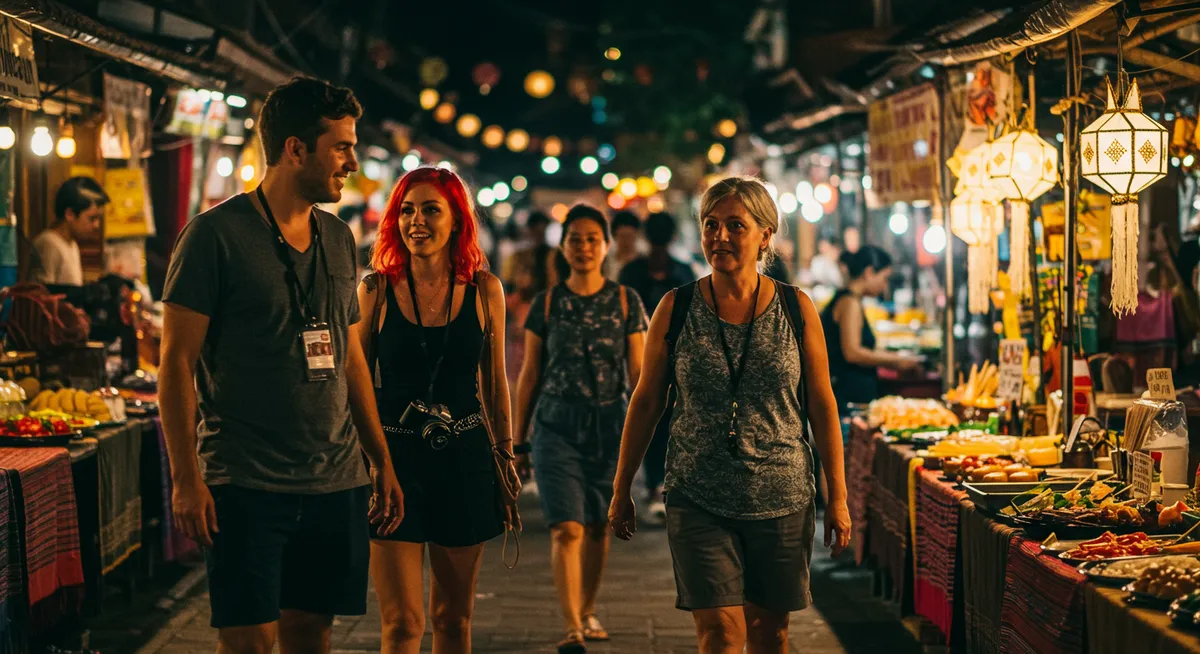
The Sunday Night Market (Walking Street) is Chiang Mai's most famous market, stretching from Tha Phae Gate along Rachadamnoen Road. It offers handmade crafts, artwork, clothing, and some of the best street food in the city. The Chiang Mai Night Bazaar on Chang Klan Road operates every evening and is great for souvenirs and people-watching. The Saturday Night Market on Wualai Road is less touristy and equally rewarding.
Ethical Elephant Encounters
One of the most meaningful experiences in Chiang Mai is visiting an ethical elephant sanctuary. Look for sanctuaries that do not offer riding and allow elephants to roam freely. Book directly with the sanctuary when possible to ensure more of your money reaches the elephants' care.
Cooking Classes
A Thai cooking class in Chiang Mai is a highlight for food lovers. Most half-day classes cost 800-1,200 THB and include a market tour where you learn to select fresh ingredients, followed by hands-on preparation of 4-5 dishes including pad thai, green curry, and mango sticky rice.
Street Food and Dining on a Budget
Chiang Mai's food scene is one of the best reasons to visit. Northern Thai cuisine (Lanna food) has distinctive flavors that differ from what you find in Bangkok or the south.
Khao soi is the signature dish you must try. This rich egg noodle curry soup, topped with crispy noodles and served with pickled mustard greens and shallots, costs just 50-80 THB at local restaurants. Other must-try dishes include sai ua (northern Thai sausage), nam prik ong (chili dip with minced pork), and kanom jeen nam ngiao (rice noodles in spicy tomato broth).
Street food provides the most affordable eating in Chiang Mai, with rice dishes at 35-60 THB, noodle soups at 40-80 THB, and grilled meats at 10-30 THB per skewer. You can comfortably eat three meals a day from street vendors for under 300 THB ($8.50). For a deeper dive into the food scene, read our Chiang Mai street food guide.
Tap water in Chiang Mai is not safe to drink. Buy bottled water (7-15 THB at convenience stores) or refill at filtered water stations found throughout the city for 1-2 THB per liter.
Budget Tips and Money Matters
Chiang Mai remains one of the most affordable cities in Southeast Asia for travelers in 2026. Here is a realistic daily budget breakdown:
- Budget traveler: 800-1,200 THB/day ($22-33) covering a hostel dorm, street food, temple visits, and local transport
- Mid-range traveler: 2,000-3,500 THB/day ($55-95) for a private hotel room, mix of street food and restaurants, activities, and Grab rides
- Comfort traveler: 5,000+ THB/day ($135+) for boutique hotels, fine dining, private tours, and spa treatments
The Thai Baht (THB) is the local currency. ATMs are widely available but charge a 220 THB fee per withdrawal for foreign cards, so withdraw larger amounts to minimize fees. Currency exchange booths in the Old City and Nimman area offer better rates than the airport. Tipping is not customary in Thailand but is appreciated at restaurants (10-15% for good service), spas, and for tour guides.
Safety and Health Considerations
Chiang Mai ranks among the safest cities in Southeast Asia, with low violent crime rates. That said, first-time visitors should keep these practical tips in mind:
- Petty theft: Keep valuables secure, especially in crowded market areas. Use hotel safes for passports and extra cash.
- Motorbike safety: Scooter accidents are the leading cause of tourist injuries. Always wear a helmet and ride defensively.
- Drink spiking: Rare but possible at bars. Keep an eye on your drink and stick to reputable establishments.
- Air quality: During the smoky season (February-April), monitor the AQI and consider wearing an N95 mask on high-pollution days.
- Travel insurance: Essential for any trip to Thailand. Ensure your policy covers motorbike accidents if you plan to ride.
Chiang Mai is widely regarded as safe for solo travelers, including women traveling alone. The local population is welcoming, and the well-established tourist infrastructure makes navigation easy even for first-timers.
Planning Your Chiang Mai Itinerary
For a first visit in 2026, aim for at least 4-5 days to experience Chiang Mai at a relaxed pace. Here is a suggested breakdown:
- Day 1-2: Explore the Old City temples, Sunday or Saturday Night Market, and acclimate to the city. See our 3-day Chiang Mai itinerary for a structured plan.
- Day 3: Take a cooking class in the morning, explore Nimmanhaemin in the afternoon.
- Day 4: Visit Doi Suthep temple and an ethical elephant sanctuary.
- Day 5: Day trip to Doi Inthanon, Chiang Rai, or another nearby destination. Browse our Chiang Mai day trips guide for inspiration.
If you have more time, extend to a 5-day Chiang Mai itinerary or combine your trip with a few days in Bangkok. For travelers weighing their options, our Chiang Mai vs Phuket comparison can help you decide where to spend more time.
Frequently Asked Questions
Is Chiang Mai safe for solo travelers in 2026?
How many days should I spend in Chiang Mai as a first-timer?
What is the best month to visit Chiang Mai?
How much money do I need per day in Chiang Mai?
What should I wear when visiting temples in Chiang Mai?
Is it safe to eat street food in Chiang Mai?
Do I need a visa to visit Chiang Mai, Thailand?
Chiang Mai rewards first-time visitors with a rare combination of cultural depth, natural beauty, and affordability that few cities in Southeast Asia can match. From the golden spires of Doi Suthep to the aromatic bowls of khao soi at a roadside stall, every corner of this northern Thai gem offers something worth discovering in 2026. Use these tips to plan confidently, travel respectfully, and make the most of your time in one of Thailand's most beloved destinations.