TL;DR: Hakata is the top pick for first-time visitors thanks to its unbeatable transit access. Tenjin wins for shopping and nightlife lovers. Nakasu is the foodie epicenter with legendary yatai stalls. Ohori Park and Daimyo suit travelers wanting a quieter, artsy vibe. Yakuin is the rising local-favorite for stylish cafes and central convenience, while Momochi Seaside delivers ocean views near Fukuoka Tower. Budget travelers can find capsule hotels from around $30/night, mid-range business hotels from $60, and luxury stays from $200+.
Fukuoka consistently ranks among Japan's most livable and visitor-friendly cities, blending world-class street food, efficient public transit, rich cultural heritage, and a laid-back coastal atmosphere. Deciding where to stay in Fukuoka shapes your entire trip — the right neighborhood puts you steps from the experiences you care about most. This 2026 guide breaks down every major district, recommends accommodation types for each budget, and helps you choose the perfect base for your Fukuoka adventure.
Hakata: The Transportation Hub and Gateway
Turn this guide into a personal route with our free Fukuoka itinerary planner.
For most first-time visitors, Hakata is the definitive answer to where to stay in Fukuoka. Home to Hakata Station — Fukuoka's main Shinkansen terminal — this district delivers unmatched convenience. You can step off the bullet train and be in your hotel room within minutes, and day trips to Nagasaki, Beppu, and Kumamoto launch effortlessly from the platforms downstairs. Learn how to plan your route with our guide on getting from Fukuoka to Nagasaki.
The Hakata area clusters a wide spectrum of Fukuoka accommodation around the station. International chains like Grand Hyatt Fukuoka at Canal City and Miyako Hotel Hakata offer spacious rooms with rooftop hot-spring baths, while budget-conscious travelers can choose capsule hotels such as 9 Hours Capsule Hotel or business hotels starting around $50–$80 per night. JR Hakata City, the station's integrated shopping complex, has restaurants on nearly every floor, and the Hakata Riverain arts district is a short walk east.
Best for: First-time visitors, transit-focused travelers, day-trippers, business travelers.
Price range: $30–$300/night depending on accommodation type.
See how Hakata fits into a broader Fukuoka itinerary, or check our Fukuoka transport guide for subway and bus details.
Tenjin: Shopping, Nightlife, and Urban Energy
Tenjin is Fukuoka's downtown core and the best area for travelers who want to be surrounded by action around the clock. Department stores like Daimaru, Mitsukoshi, and PARCO line Watanabe-dori, while underground shopping arcades — notably Tenjin Chikagai — stretch for hundreds of meters beneath the streets. After dark, Tenjin transforms into a nightlife hotspot with izakayas, cocktail bars, and live music venues concentrated along Oyafuko-dori.
Accommodation in Tenjin ranges from luxury to budget. The Ritz-Carlton Fukuoka anchors the high end with sweeping city views, while mid-range options like Solaria Nishitetsu Hotel and Nishitetsu Inn provide clean, modern rooms at reasonable prices. Hostels and guesthouses are also available a few blocks from the main drag, offering dorm beds from around $25 per night.
Best for: Shoppers, nightlife seekers, younger travelers, couples.
Price range: $25–$400/night.
Explore the myriad things to do in Fukuoka right from Tenjin, and check out the Fukuoka shopping guide for store-by-store recommendations. Experience the vibrant scene with our Fukuoka nightlife guide.
Nakasu: Fukuoka's Foodie Paradise
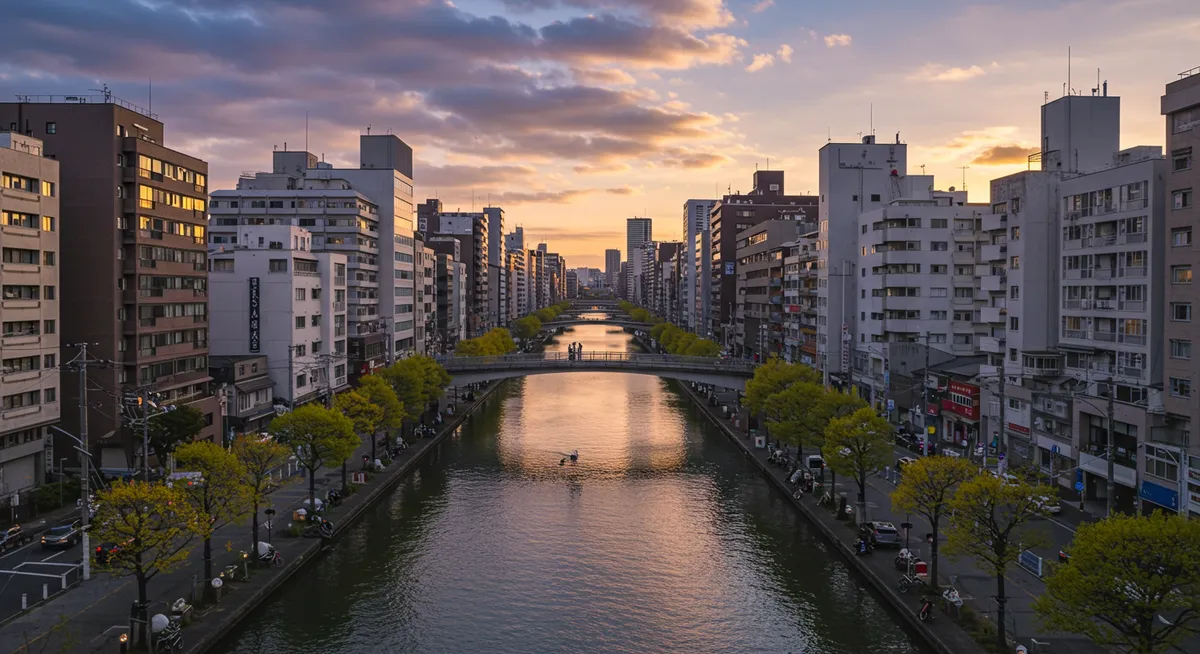
Sandwiched between the Naka River and Hakata River, the island district of Nakasu is synonymous with Fukuoka's legendary yatai (street food stalls). If you are wondering where to stay in Fukuoka for the most authentic culinary experience, this is the neighborhood. Every evening, dozens of yatai set up along the riverbanks serving tonkotsu ramen, gyoza, yakitori, and tempura — an experience unique to Fukuoka and absolutely not to be missed in 2026.
Beyond yatai culture, Nakasu is home to Canal City Hakata, a massive entertainment complex with shopping, cinema, and a fountain show. Hotels here tend to be mid-range business hotels and boutique properties. The Band Hotel Hakata sits right on the riverbank overlooking Canal City, while chain business hotels provide clean rooms from $50/night. Note that parts of Nakasu are known for adult entertainment, but the yatai riverside and Canal City areas are entirely family-friendly.
Best for: Foodies, nightlife enthusiasts, couples, solo travelers.
Price range: $45–$250/night.
Dive deeper into the culinary scene with our guide to the best food in Fukuoka.
Ohori Park and Daimyo: Serenity Meets Creative Style
For travelers who prefer a calmer pace without sacrificing access, the Ohori Park and Daimyo area offers the best of both worlds. Ohori Park itself is a sprawling green oasis centered on a scenic lake — ideal for morning jogs, picnics, and visits to the Fukuoka Art Museum. Just east of the park, Daimyo is Fukuoka's bohemian quarter, packed with independent boutiques, specialty coffee roasters, vintage shops, and art galleries tucked into narrow side streets.
Accommodation options here lean toward boutique hotels and guesthouses that reflect the neighborhood's creative spirit. Prices are often slightly lower than Tenjin or Hakata, making this area an excellent value pick. The Nishitetsu Grand Hotel near the park entrance combines classic elegance with convenient subway access at Ohori-koen Station.
Best for: Couples, families, art lovers, long-stay visitors, relaxation seekers.
Price range: $40–$200/night.
This area is ideal for those planning a Fukuoka 3-day itinerary focused on curated cultural experiences.
Yakuin: The Rising Local Favorite
Yakuin is one of the most centrally convenient neighborhoods in Fukuoka, yet it flies under the radar for most international visitors. Positioned between Tenjin and the Naka River, Yakuin Station gives you direct subway access to Hakata (4 minutes) and Tenjin (2 minutes), making it a strategic base that avoids the noise and density of downtown.
What sets Yakuin apart is its lifestyle appeal: stylish third-wave coffee shops, curated boutiques, art studios, and restaurants that cater to discerning locals rather than tourists. Accommodation is primarily mid-range business hotels and serviced apartments. If you are staying in Fukuoka for more than a few days, Yakuin's blend of convenience and neighborhood charm makes it a strong choice in 2026.
Best for: Repeat visitors, long-stay travelers, remote workers, couples wanting a local vibe.
Price range: $40–$150/night.
Momochi Seaside: Ocean Views Near Fukuoka Tower
Momochi Seaside is Fukuoka's modern waterfront district, home to the iconic Fukuoka Tower, Momochihama Beach, and the Fukuoka City Museum. This area suits travelers who want ocean breezes and sunset views as part of their stay. It is about 15 minutes by bus from Tenjin, so you are never far from the action, but the seaside atmosphere feels worlds away from the urban core.
Hotels in this area tend to be modern and upscale, with rooms offering sea views. Hilton Fukuoka Sea Hawk is the anchor property — a large resort-style hotel with pools, multiple restaurants, and direct beach access. Momochi is also excellent for families, with the Robosquare interactive museum and open park spaces nearby.
Best for: Families, beach lovers, resort seekers, travelers wanting a quieter stay with views.
Price range: $80–$350/night.
Fukuoka Accommodation Types: A Quick Comparison
Understanding Japan's diverse accommodation landscape helps you match your where to stay in Fukuoka decision to your budget and travel style:
- Luxury Hotels ($200–$500+/night): Full-service properties like Grand Hyatt, Ritz-Carlton Fukuoka, and Hilton Sea Hawk. Expect concierge service, on-site dining, spa facilities, and premium locations.
- Mid-Range Business Hotels ($50–$150/night): Clean, compact rooms with reliable amenities. Chains like Dormy Inn (with rooftop onsen baths), Nishitetsu Inn, and Richmond Hotel dot every major district.
- Capsule Hotels ($25–$50/night): Compact sleeping pods in dormitory-style settings. The 9 Hours Capsule Hotel near Hakata Station features futuristic design, while Cabana Hakata adds a modern twist with lounge areas.
- Hostels and Guesthouses ($20–$40/night): Social-focused accommodation with dorm beds and private rooms. Concentrated in Hakata and Tenjin, these are perfect for solo travelers and backpackers.
- Ryokan ($80–$250/night): Traditional Japanese inns with tatami rooms, futon bedding, and often multi-course kaiseki dinners. For an accessible ryokan experience near Fukuoka, consider Route-Inn Grantia Dazaifu with its natural hot spring baths — an easy Fukuoka day trip away.
How to Choose Your Fukuoka Neighborhood
Narrowing down where to stay in Fukuoka comes down to your priorities. Here is a quick decision framework for 2026:
- First visit + convenience: Hakata — best transit hub, widest hotel selection.
- Shopping + nightlife: Tenjin — department stores by day, bars by night.
- Food-focused trip: Nakasu — yatai stalls steps from your door.
- Culture + relaxation: Ohori Park/Daimyo — park walks, galleries, cafes.
- Local atmosphere: Yakuin — stylish, central, uncrowded.
- Beach + family: Momochi Seaside — ocean views, resort amenities.
No matter which neighborhood you choose, Fukuoka's compact size and efficient subway system mean you are never more than 15–20 minutes from any major attraction. Consult our best time to visit Fukuoka guide to align your trip with cherry blossom season, summer festivals, or mild autumn weather.
Frequently Asked Questions
What is the best area to stay in Fukuoka for first-time visitors?
Where should I stay in Fukuoka for nightlife and food?
How much does a hotel cost in Fukuoka per night?
Is it better to stay in Hakata or Tenjin?
Are there traditional ryokan stays available in Fukuoka?
Is Fukuoka safe for solo travelers?
Choosing where to stay in Fukuoka ultimately depends on what matters most to you — seamless transit in Hakata, the electric energy of Tenjin, the authentic street-food culture of Nakasu, the green calm of Ohori Park, the local sophistication of Yakuin, or the coastal relaxation of Momochi Seaside. Fukuoka is compact enough that every neighborhood keeps the entire city within easy reach, yet each offers a genuinely distinct character. Plan your base wisely, and you will discover why Fukuoka remains one of Japan's most rewarding destinations in 2026. For more help planning your trip, explore our 5-day Fukuoka itinerary or browse day trips from Fukuoka.