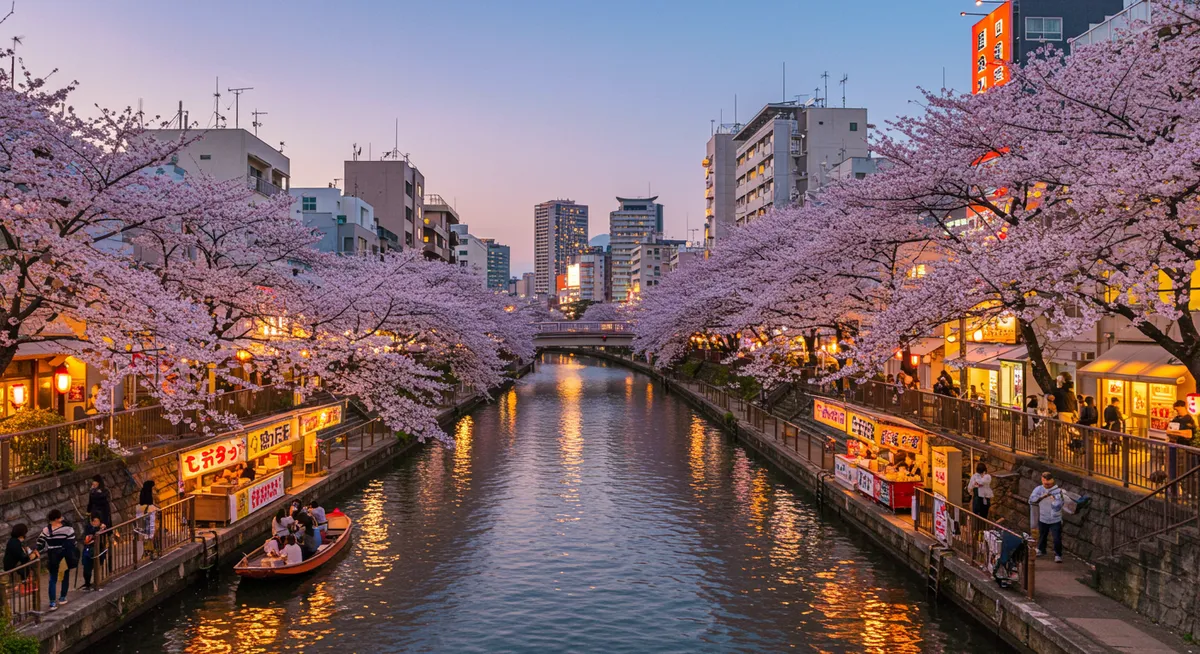
TL;DR: The best time to visit Fukuoka is during spring (late March to May) for cherry blossoms and mild weather, or autumn (October to November) for comfortable temperatures and stunning foliage. Summer brings iconic festivals like Hakata Gion Yamakasa, while winter offers fewer crowds and cozy ramen nights. Each season has distinct advantages depending on your travel style and budget.
Fukuoka, the largest city on Japan's Kyushu island, rewards visitors year-round with world-class street food, historic temples, and a relaxed coastal atmosphere. However, choosing when to go can make the difference between navigating rainy monsoon weeks and enjoying picture-perfect sakura under clear skies. This 2026 seasonal guide breaks down Fukuoka's weather patterns, major festivals, crowd levels, and budget considerations month by month so you can plan the trip that fits you best.
Spring (March to May): Cherry Blossoms and Perfect Temperatures
Turn this guide into a personal route with our free Fukuoka itinerary planner.
Spring is widely regarded as the single best season to visit Fukuoka, and for good reason. Temperatures climb from a cool 10°C in early March to a comfortable 20-24°C by May, with low humidity and mostly clear skies. The season's headline event is the cherry blossom bloom, which typically peaks around late March to the first week of April in Fukuoka — earlier than Tokyo or Osaka thanks to Kyushu's warmer latitude.
Cherry Blossom Highlights in 2026
Fukuoka's cherry blossoms are forecast to begin flowering around March 18 and reach full bloom by March 30 in 2026. The top spots to see them include:
- Maizuru Park (Fukuoka Castle Ruins) — Home to roughly 1,000 cherry trees across 19 varieties. The annual Fukuoka Castle Cherry Blossom Festival features evening illuminations, food stalls, and BBQ areas.
- Nishi Park — Designated as one of Japan's top 100 cherry blossom spots, this hillside park offers panoramic views of Hakata Bay framed by sakura.
- Atago Shrine — A lesser-known gem where night illuminations and traditional tea ceremonies complement the blossoms.
May is an underrated month that many travelers overlook. The cherry blossoms have faded, but the weather is arguably Fukuoka's best — warm days around 22-24°C, lush greenery everywhere, and the rainy season has not yet started. The Hakata Dontaku Festival (May 3-4) draws over 2 million spectators with elaborate costume parades and decorated flower floats.
Spring travel tip: Book flights and hotels at least 6-8 weeks ahead for late March and early April. Cherry blossom season is peak demand across all of Japan, and Fukuoka's popularity as an earlier-blooming destination drives prices up quickly.
Summer (June to August): Festivals, Beaches, and the Rainy Season
Summer in Fukuoka is hot and humid, with temperatures ranging from 25°C to 32°C and humidity often above 80%. June and July bring the tsuyu (monsoon season), which accounts for nearly half the city's annual rainfall in just eight weeks. Despite the weather challenges, summer is when Fukuoka's cultural energy peaks.
Hakata Gion Yamakasa Festival (July 1-15)
The Yamakasa is Fukuoka's most spectacular annual event and one of Japan's most famous festivals. For two weeks, teams of men in traditional dress race through the streets carrying one-ton decorated floats called kakiyama. The festival climaxes on July 15 at dawn with the Oiyama race, when seven teams sprint a 5-kilometer course with their massive floats. Beautifully crafted kazariyama display floats, standing over 10 meters tall, are exhibited throughout the city from July 1.
Beating the Summer Heat
- Momochi Seaside Park and Shikanoshima Island — Popular beach escapes within easy reach of central Fukuoka.
- Yatai stalls at night — Summer evenings cool down to a pleasant 24-26°C, perfect for sitting at an open-air yatai food stall along the Naka River and enjoying Hakata ramen, yakitori, and cold beer.
- Indoor attractions — Canal City Hakata, Fukuoka City Museum, and the Hakata Machiya Folk Museum offer air-conditioned relief.
Summer travel tip: Typhoon season runs from August through September. Check weather forecasts regularly and have flexible backup plans. On the upside, hotel rates outside the Yamakasa festival window (especially late June and August) are among the year's lowest.
Autumn (September to November): Comfortable Weather and Foliage
Autumn rivals spring as the best time to visit Fukuoka. By October, the oppressive summer humidity breaks, temperatures settle into a comfortable 15-25°C range, and rainfall drops significantly. Clear blue skies and crisp air make this the ideal season for walking tours, temple visits, and day trips.
Autumn Foliage Viewing (Koyo)
Fukuoka's autumn colors typically peak from mid-November to early December, later than Tokyo due to the milder Kyushu climate. Top spots include:
- Raizan Sennyoji Daihioin Temple — A 1,300-year-old temple with a stunning 400-year-old maple tree and a carpet of red and gold leaves.
- Ohori Park — The lakeside walking path is particularly scenic in autumn, with reflections of colored foliage on the water.
- Nokonoshima Island — A short ferry ride from Fukuoka's Meinohama port, this island features cosmos flowers in October and autumn foliage in November.
- Dazaifu Tenmangu Shrine — An easy day trip from Fukuoka, this famous shrine is surrounded by beautiful maple trees.
September still carries residual summer heat and the tail end of typhoon season, so October and November are the strongest months. The Hakata Autumn Festival (Hojoya) at Hakozaki Shrine in mid-September is a lively event with over 500 stalls stretching for a kilometer.
Autumn travel tip: October and November weekends can sell out at popular hotels. Weekday visits offer better rates and thinner crowds at foliage spots.
Winter (December to February): Fewer Crowds and Cozy Dining
Fukuoka's winters are mild compared to northern Japan, with daytime highs of 8-12°C and nighttime lows around 3-5°C. Snowfall is rare and short-lived. While you will need a warm coat, the city never reaches the bitter cold of Tokyo, Kyoto, or Hokkaido.
Why Winter Works for Budget Travelers
- Lowest hotel rates of the year — January and February see the fewest tourists, with budget hotels available from around $38-53/night and premium properties at steep discounts.
- No crowds at attractions — Museums, shrines, and shopping districts are comfortably quiet, and you can enjoy Fukuoka's famous ramen and street food without long waits.
- Winter illuminations — Hakata Station's Christmas Market and light displays, Tenjin's illuminated shopping streets, and Canal City's holiday installations create a festive atmosphere throughout December.
Winter Events
The Hakata Hiwatari Matsuri (fire-walking festival) in January at Tocho-ji Temple draws visitors who watch Buddhist monks walk across smoldering coals. The Setsubun Festival at Kushida Shrine in early February features traditional bean-throwing rituals to welcome spring.
Winter travel tip: Layer your clothing rather than packing one heavy coat. Fukuoka's excellent subway system and covered shopping arcades like Tenjin Underground mean you will spend less time exposed to the cold than you might expect.
Month-by-Month Quick Reference for 2026
| Month | Avg Temp (°C) | Rainfall | Crowds | Highlight |
|---|---|---|---|---|
| January | 3-10 | Low | Very Low | Hiwatari fire-walking festival |
| February | 4-11 | Low | Low | Setsubun at Kushida Shrine |
| March | 7-14 | Moderate | Rising | Early cherry blossoms (late March) |
| April | 12-20 | Moderate | Peak | Full cherry blossom bloom |
| May | 16-24 | Moderate | High | Hakata Dontaku Festival |
| June | 20-27 | Very High | Moderate | Hydrangea season |
| July | 25-31 | High | High | Hakata Gion Yamakasa |
| August | 25-32 | Moderate | Moderate | Beach season, Obon festivals |
| September | 22-28 | Moderate | Moderate | Hojoya Festival |
| October | 15-23 | Low | High | Cosmos flowers on Nokonoshima |
| November | 10-18 | Low | High | Peak autumn foliage |
| December | 5-12 | Low | Moderate | Winter illuminations |
Practical Tips for Planning Your 2026 Fukuoka Trip
Getting Around
Fukuoka's compact layout makes it one of Japan's most walkable cities. The two-line subway system connects Fukuoka Airport to Hakata Station in just 5 minutes and to Tenjin in 11 minutes. For day trips to Dazaifu, Yanagawa, or Beppu, the Nishitetsu train and JR Kyushu lines provide fast, affordable connections. Check our full Fukuoka transportation guide for detailed routes and passes.
Where to Stay
The two main accommodation hubs are Hakata (best for transit access and budget capsule hotels) and Tenjin (best for shopping, dining, and nightlife). Both are connected by subway in under 10 minutes. For detailed neighborhood comparisons, see our where to stay in Fukuoka guide. If evening plans matter to you, our Fukuoka nightlife guide covers the best districts and bars by season.
Budget Considerations by Season
Peak-season hotel rates (late March to April, October to November, and the Yamakasa week in mid-July) run 30-50% higher than off-season. Flights from other Asian cities are cheapest in January, February, and June. For the best balance of weather, crowds, and price, early May and late November are sweet spots that many travelers miss.
Frequently Asked Questions
What is the best month to visit Fukuoka in 2026?
When is cherry blossom season in Fukuoka?
Is Fukuoka crowded during peak seasons?
What is the rainy season in Fukuoka and should I avoid it?
Does Fukuoka get snow in winter?
How many days do I need in Fukuoka?
What is Fukuoka best known for?
No matter when you visit Fukuoka in 2026, the city delivers a distinctive experience each season — from sakura-lined castle ruins in spring to steaming ramen bowls on cold winter nights. The key is matching your travel priorities (weather, festivals, budget, or crowd levels) to the right window. Use the month-by-month table above to narrow your dates, then start building your complete Fukuoka itinerary around the experiences that matter most to you.